


Tenerife, Spain – May 10, 2026 – A concerning outbreak of hantavirus, a serious and potentially fatal rodent-borne illness, has prompted an international health response following the arrival of the expedition cruise ship MV Hondius at Spain’s Canary Islands. The World Health Organization (WHO) has confirmed six laboratory-verified cases of the Andes virus strain, a variant known for its rare but significant person-to-person transmissibility. Tragically, three individuals have succumbed to the infection, while four others remain hospitalized in South Africa, the Netherlands, and Switzerland. The swift arrival of the ship in Tenerife has initiated a complex and sensitive operation to manage the situation, prioritizing passenger safety and preventing further spread.
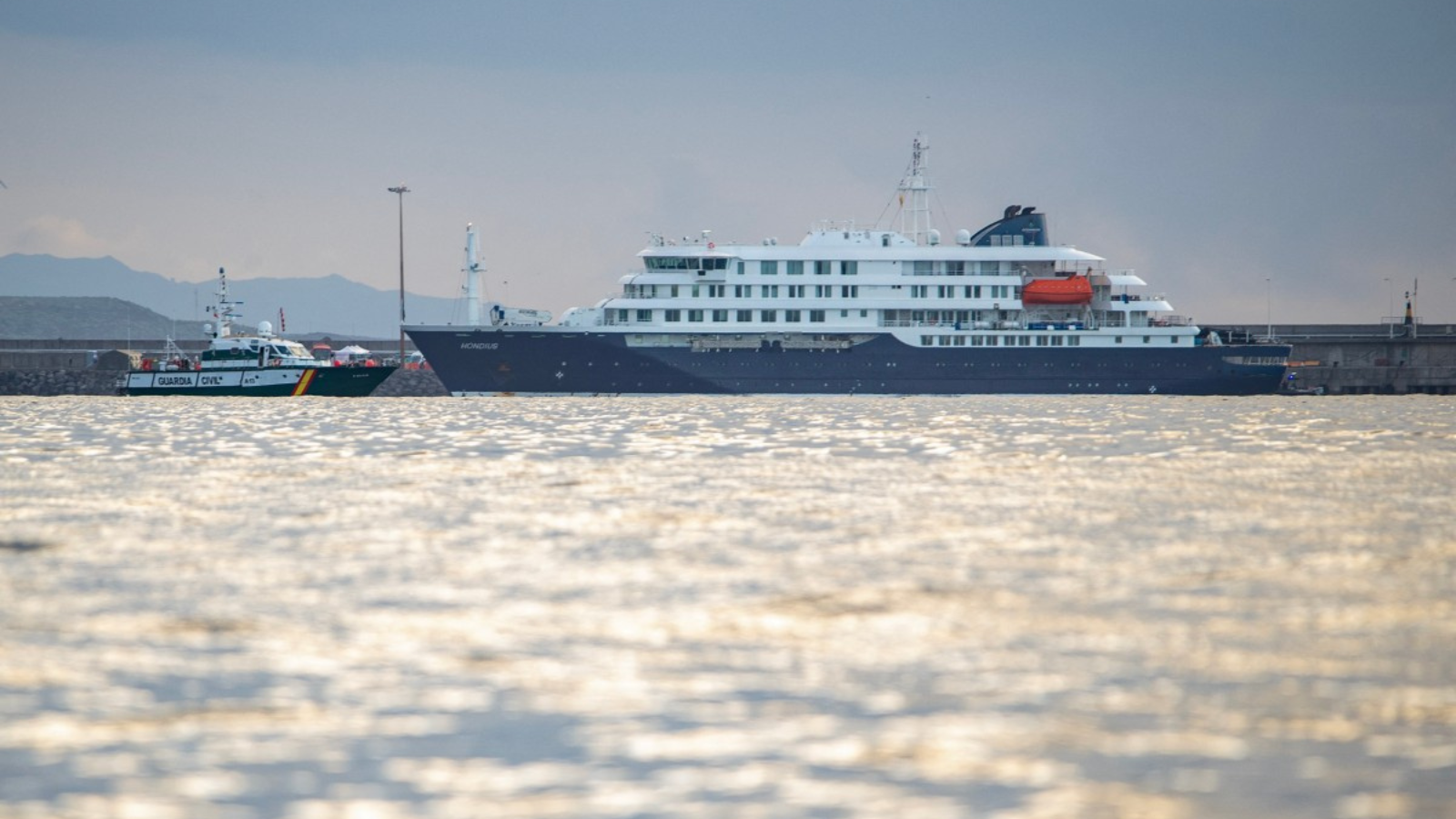
The MV Hondius, a vessel designed for adventurous voyages to remote polar and sub-Antarctic regions, docked at the industrial port of Granadilla de Abona on Tenerife on May 10, 2026. Carrying nearly 150 passengers and crew, the ship’s arrival marked the culmination of a journey that began on April 1 from Ushuaia, Argentina, with stops in Antarctica and the remote Atlantic islands of Tristan da Cunha and Saint Helena. The confirmation of hantavirus cases linked to this voyage has cast a shadow over the expedition, triggering immediate containment measures and extensive contact tracing efforts.
The Emergence of a Global Health Concern: Initial Cases and International Scrutiny
The first indications of the outbreak emerged after passengers began exhibiting severe flu-like symptoms, prompting medical investigations. The WHO’s confirmation of six laboratory-verified cases of hantavirus, specifically the Andes strain, has escalated the situation from a regional concern to a global health alert. The Andes virus is a particularly worrisome variant due to its documented, albeit rare, ability to transmit directly from person to person through close and prolonged contact. This characteristic distinguishes it from many other hantavirus strains, which are primarily transmitted through inhalation of aerosolized virus particles from rodent excreta.
The three fatalities underscore the severity of the hantavirus infection. The individuals who lost their lives were reportedly from different nationalities, highlighting the international nature of the affected group. The four individuals currently hospitalized are receiving intensive medical care in their respective countries, with their conditions being closely monitored by national health authorities in collaboration with international health bodies.
Adding to the complexity, suspected cases have also been reported in Spain and on the remote island of Tristan da Cunha. These reports are believed to be linked to passengers who had disembarked from the MV Hondius prior to its arrival in Tenerife, emphasizing the need for comprehensive tracking of all individuals who were on board during the period of potential transmission.
A Voyage Through Remote Frontiers: Tracing the Path of the Outbreak
The MV Hondius embarked on its ambitious itinerary on April 1, departing from Ushuaia, Argentina. Its voyage took it through some of the world’s most isolated and ecologically unique environments. The ship’s route included extensive exploration of the Antarctic Peninsula, a region known for its pristine wilderness and diverse wildlife. Following its Antarctic sojourn, the MV Hondius sailed towards the South Atlantic, making calls at the remote British Overseas Territory of Tristan da Cunha and the island of Saint Helena.

It is during these remote stops, or potentially during the initial departure from Argentina, that health authorities believe initial exposure to the hantavirus may have occurred. Rodents, the natural reservoirs for hantaviruses, are present in these regions, and human contact with their contaminated environments is the primary route of infection. While the exact point of initial transmission remains under investigation, the possibility of exposure in Argentina or Chile prior to the ship’s departure is being thoroughly examined. Subsequent limited transmission onboard the vessel, facilitated by the close proximity of individuals in an enclosed environment, is also a significant focus of the ongoing investigation.
The confined nature of a cruise ship, while offering a controlled environment for passengers, also presents unique challenges in the event of an infectious disease outbreak. The close quarters and shared facilities can, under certain circumstances, facilitate the spread of pathogens, particularly those with person-to-person transmission capabilities.
Official Responses and Containment Strategies: A Coordinated Global Effort
In response to the confirmed cases, a multi-agency international effort has been mobilized. The World Health Organization (WHO) is working in close collaboration with Spanish health authorities, as well as the national health ministries of the countries where affected individuals are hospitalized. The primary objectives are to contain the outbreak, provide appropriate medical care to those infected, and prevent any further human-to-human transmission.
Upon the MV Hondius’s arrival in Tenerife, Spanish authorities, under the guidance of the WHO, initiated a meticulously planned disembarkation process. The operation prioritized the safety of the local population and the passengers and crew themselves. Passengers are being screened for symptoms upon arrival, and those identified as potentially at risk or symptomatic are being isolated and managed according to strict public health protocols.
Specialized flights are being arranged to repatriate passengers to their home countries. These repatriation efforts are designed to minimize contact with the general public and ensure that individuals are transported safely to receive any necessary medical attention or undergo further monitoring. The logistics of such an operation, involving potentially hundreds of individuals from various nationalities, are immensely complex, requiring seamless coordination between governments, airlines, and health organizations.
The WHO has emphasized that the risk to the general public in Spain and elsewhere remains low. This assessment is based on the understanding that hantavirus transmission, especially the Andes strain, requires very close physical contact, unlike more easily transmissible respiratory viruses like influenza or SARS-CoV-2. However, the risk among close contacts on the ship is considered moderate due to the enclosed environment. Passengers onboard have been advised to practice stringent hygiene measures, maintain physical distancing where possible, and wear masks to further mitigate any potential risk. Reports from onboard suggest a calm atmosphere, with passengers cooperating fully with health authorities.

Understanding Hantavirus: The Science Behind the Threat
Hantaviruses represent a significant family of viruses primarily carried by rodents. These viruses are found worldwide, with different strains associated with specific rodent species and geographical regions. The common mode of transmission to humans involves exposure to the urine, droppings, or saliva of infected rodents. Inhalation of aerosolized virus particles from contaminated dust or surfaces is a primary pathway for infection.
The Andes virus, implicated in the current outbreak, is a particularly notable strain. It belongs to the genus Orthohantavirus and is endemic to parts of South America. Its capacity for person-to-person transmission, while rare, typically occurs through very close and prolonged contact, often involving bodily fluids. This transmissibility is a key factor that elevated the concern surrounding this particular outbreak.
The incubation period for hantavirus infections can vary, typically ranging from one to eight weeks after exposure. This extended incubation period can make early detection and containment challenging, as individuals may be asymptomatic for a period while potentially carrying the virus.
Symptoms and Severity: Recognizing the Warning Signs
Hantavirus infections can manifest in two main clinical syndromes: Hantavirus Pulmonary Syndrome (HPS) and Hemorrhagic Fever with Renal Syndrome (HFRS). While the Andes virus is primarily associated with HPS, symptoms can vary.
Early symptoms of hantavirus infection often resemble a severe case of the flu and typically include:
- Fever: A sudden onset of high fever is a common initial symptom.
- Headache: Severe and persistent headaches are frequently reported.
- Muscle Aches (Myalgia): Widespread muscle pain and soreness are characteristic.
- Fatigue: Profound tiredness and weakness are often experienced.
- Gastrointestinal Symptoms: Nausea, vomiting, and diarrhea can also occur.
In more severe cases, the infection can progress to Hantavirus Pulmonary Syndrome (HPS). This advanced stage is characterized by:
- Rapid Onset of Coughing: A dry cough that quickly intensifies.
- Shortness of Breath: Difficulty breathing, often progressing rapidly.
- Fluid Buildup in the Lungs (Pulmonary Edema): This can lead to respiratory distress.
HPS is a life-threatening condition that can lead to respiratory failure and, in a significant percentage of cases, death. The fatality rate for severe hantavirus infections can be as high as 50% in certain regions, underscoring the critical need for early diagnosis and intensive medical intervention.
Public Health Implications and Future Preparedness
The hantavirus outbreak linked to the MV Hondius serves as a stark reminder of the interconnectedness of global health and the potential for novel infectious diseases to emerge and spread, even from remote locations. The swift and coordinated response from international health organizations and national governments highlights the advancements in global health surveillance and crisis management.
The incident also brings to the forefront the importance of robust biosecurity measures for travel, particularly for expeditions to ecologically sensitive or remote areas. Understanding the potential risks associated with wildlife and their environments is crucial for both travelers and the operators of such expeditions.
Medical experts continue to stress that while the risk to the general public remains extremely low, individuals who experience flu-like symptoms after potential exposure should seek immediate medical attention. Early supportive care is paramount in improving outcomes for hantavirus infections. Public health messaging will continue to focus on educating individuals about the symptoms, transmission routes, and the importance of seeking prompt medical evaluation.
As the situation unfolds, ongoing epidemiological investigations will be critical in understanding the precise origins of the outbreak, the extent of transmission, and the effectiveness of the containment measures. The experience gained from this event will undoubtedly inform future preparedness strategies for emerging infectious diseases in the context of global travel and exploration. The focus remains on safeguarding public health while ensuring that the passengers and crew of the MV Hondius receive the care and support they need during this challenging time.
