

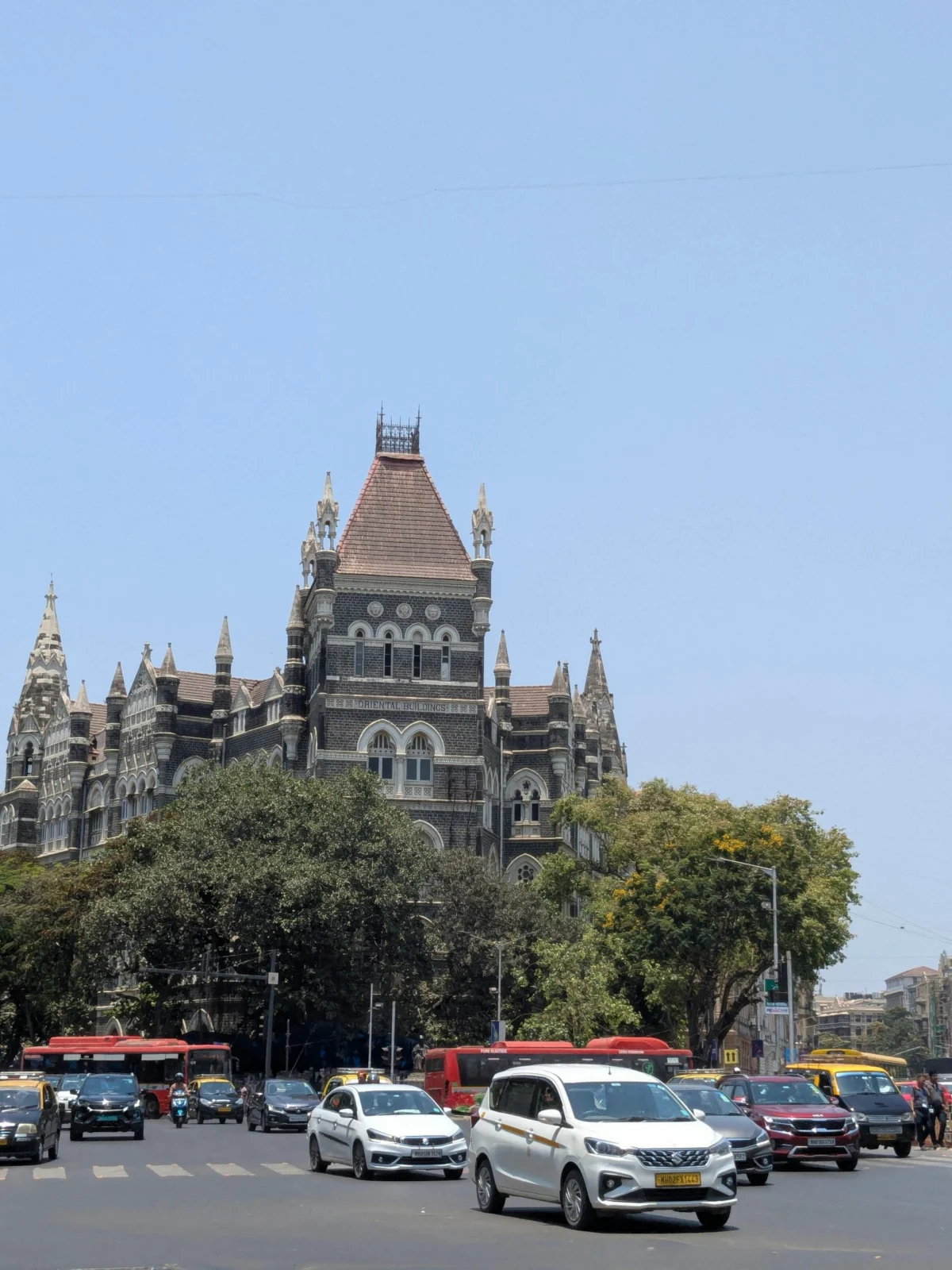
MUMBAI — Long before the silent hum of electric metros and the digital convenience of app-based ride-hailing services redefined urban mobility, the foundations of India’s public transit were laid on the bustling streets of Bombay. While the city has transformed from a colonial port into a global financial powerhouse, one element remains a constant, crimson thread in the fabric of its daily life: the BEST bus.
As of 2026, the Brihanmumbai Electric Supply and Transport (BEST) undertaking stands as a testament to endurance, marking nearly a century since it pioneered organized road transport in India. This is the story of how a single route between a church and a market evolved into the lifeline of a megaphone, surviving world wars, independence, and the digital revolution.
Main Facts: The Genesis of an Urban Icon
The distinction of hosting India’s oldest continuously operating public bus transport system belongs to Mumbai. While other cities like Kolkata and Chennai eventually developed robust networks, Mumbai’s BEST set the gold standard for institutionalized public transit.
The Inaugural Journey
On July 15, 1926, the first motorized public bus rolled out onto the streets of what was then Bombay. The route was strategically chosen to connect two hubs of colonial activity: the Afghan Church in Colaba and Crawford Market (now Mahatma Jyotiba Phule Market). At a time when the city relied heavily on horse-drawn carriages and an burgeoning tram network, the introduction of the internal combustion engine bus was viewed with both awe and skepticism.
The Scale of the Undertaking
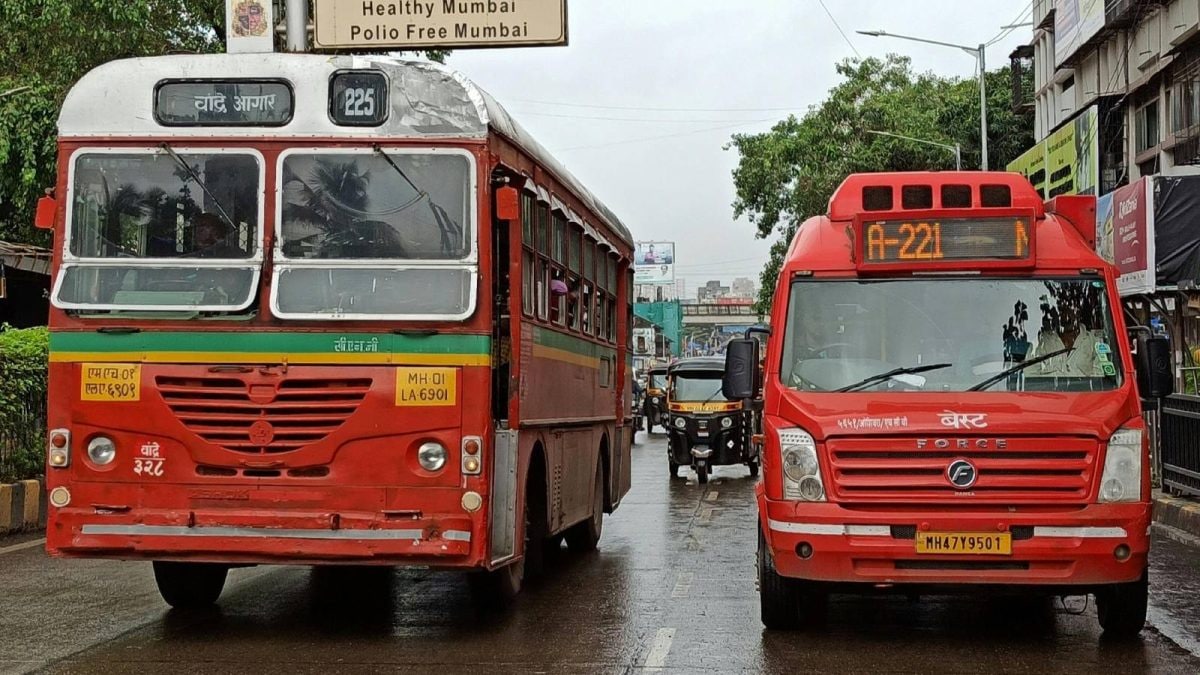
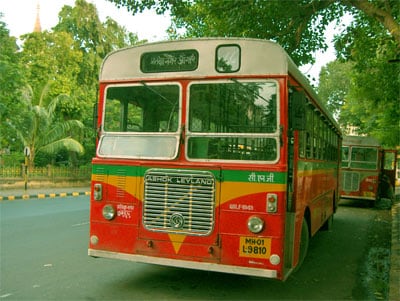
Today, BEST is not merely a transport provider; it is one of the largest municipal transport bodies in the world. It operates thousands of buses across hundreds of routes, serving millions of passengers daily. Despite the expansion of the Mumbai Suburban Railway (the "Lifeline") and the new Metro lines, the "Red Bus" remains the "last-mile" essential that bridges the gap between the station and the doorstep.
Chronology: From Hooves to Hybrid Engines
The evolution of Mumbai’s bus service mirrors the evolution of the city itself. To understand the magnitude of BEST, one must look at the chronological milestones that defined its growth.
1873–1905: The Pre-Bus Era
Before the bus, there was the tram. In 1873, the Bombay Tramway Company Limited was licensed to operate horse-drawn trams. By 1905, the "Bombay Electric Supply & Tramways Company" (B.E.S.T.) was formed, and the electrification of the tram network began in 1907. This set the stage for a centralized power and transport authority.
1926: The Motorized Revolution
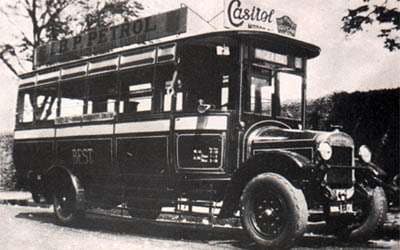
Recognizing that trams were limited by their tracks, the company imported a fleet of 24 four-cylinder Thornycroft buses. On July 15, the service officially launched. Initially, the buses were seen as a luxury for the affluent, but the company’s decision to keep fares competitive soon attracted the working class.
1937: The Rise of the Double-Decker
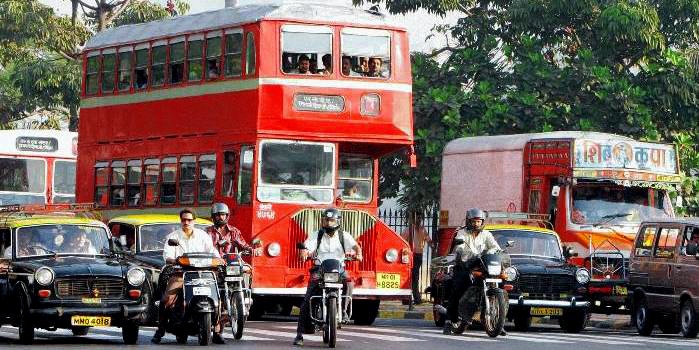
As the city’s population exploded, horizontal expansion of the bus fleet wasn’t enough. In 1937, inspired by the London transport model, BEST introduced the first double-decker buses. These vehicles—specifically the legendary Leyland Titans—would go on to become the most iconic symbol of Mumbai’s skyline, second only perhaps to the Gateway of India.
1947: Nationalization and the Post-Independence Boom
Following India’s independence, the undertaking was taken over by the Bombay Municipal Corporation (now the Brihanmumbai Municipal Corporation or BMC) on August 7, 1947. It was renamed the Bombay Electric Supply and Transport Undertaking. This transition ensured that the service remained a public utility focused on social welfare rather than purely corporate profit.
2020s: The Green Shift
In recent years, the chronology has moved toward sustainability. The phase-out of older diesel engines made way for Compressed Natural Gas (CNG) and, more recently, a massive push toward electric vehicles (EVs). In 2023, the city bid a sentimental farewell to its last non-AC open-deck and diesel double-deckers, replacing them with state-of-the-art electric air-conditioned double-deckers.
Supporting Data: The Architecture of a Giant
To appreciate the sheer volume of the BEST operation, one must look at the statistics that support its daily functioning.
- Fleet Strength: As of the mid-2020s, the BEST fleet hovers between 3,000 and 3,500 buses, including a mix of owned and wet-leased vehicles.
- Ridership: On an average weekday, BEST carries approximately 3 to 3.5 million passengers. To put this in perspective, this exceeds the total population of many European capital cities.
- The Route Network: The undertaking operates over 400 routes, stretching from the southernmost tip of Colaba to the northern reaches of the suburbs like Dahisar and Mulund, and even extending into satellite cities like Thane and Navi Mumbai.
- Financial Landscape: BEST operates on a "cross-subsidy" model. Historically, the profits from the electricity wing of the undertaking helped cover the losses of the transport wing. However, as operational costs have climbed, the BMC has stepped in with annual grants amounting to thousands of crores of rupees to keep fares among the lowest in the country.
Official Responses: Navigating Modernity
Government officials and urban planners have long debated the future of BEST in an era of rapid privatization.
The BMC’s Commitment
The Brihanmumbai Municipal Corporation has repeatedly asserted that BEST is a "public service, not a business." In various assembly sessions, officials have emphasized that the bus service is vital for the city’s economic health. "If the BEST stops, Mumbai stops," a senior BMC official noted during the budget session. "Our goal is to integrate the bus network with the Metro so that a commuter can travel across the city on a single digital ticket."
The "Chalo" Digital Initiative
To combat the loss of ridership to app-based cabs, the BEST administration launched the ‘Chalo’ app. This official response to the digital age allows passengers to track buses in real-time and pay via mobile wallets. According to BEST management, this transparency has reclaimed nearly 15% of the "choice riders"—commuters who have other options but choose the bus for its predictability and cost.
Historical Preservation
Conservationists have also played a role in the official narrative. The BEST Museum at Anik Depot serves as a repository for the city’s transport history, housing vintage tickets, chassis of old buses, and detailed logs from the 1920s. Officials have used this heritage to brand Mumbai as a city that respects its past while building its future.
Implications: The Future of Urban Mobility
The longevity of Mumbai’s bus system carries profound implications for urban planning across India and the Global South.
1. Social Equity and Accessibility
The primary implication of BEST’s continued existence is social equity. By maintaining low fares (with some stages costing as little as ₹5), the city ensures that the lowest-income earners can access employment hubs. This "democratization of the road" is a model that newer smart cities are struggling to replicate.
2. Environmental Leadership
Mumbai’s aggressive transition to an all-electric fleet by the end of the decade serves as a blueprint for India’s climate goals. As one of the world’s most congested cities, the shift from private cars to high-capacity electric buses is the only viable path to reducing the city’s carbon footprint and improving air quality.
3. The Challenge of Integration
The rise of the Mumbai Metro presents a "cooperation-competition" paradox. The implication for BEST is that it must transition from being a primary long-distance carrier to a high-frequency feeder service. If BEST successfully integrates its schedules with Metro arrivals, it will solidify its place for another century. If it fails to adapt, it risks becoming a relic of the past.
4. Cultural Identity
Finally, the "Red Bus" is an inseparable part of Mumbai’s cultural identity. It has been featured in thousands of Bollywood films, from romantic meetings on the upper deck to gritty depictions of the city’s hustle. Its survival is essential for maintaining the "soul" of Mumbai amidst a landscape of generic glass skyscrapers and elevated concrete tracks.
Conclusion
From the first Thornycroft bus that rattled its way to Crawford Market in 1926 to the silent, air-conditioned electric buses of today, the BEST undertaking has remained an unwavering witness to Mumbai’s metamorphosis. It is more than a transport system; it is a social equalizer, a historical monument on wheels, and a beacon for the future of sustainable urban living. As it approaches its centenary, the oldest public bus system in India proves that while technology changes, the human need for connection and mobility remains eternal.
For the millions of Mumbaikars who climb those steps every morning, the red bus is not just a ride—it is home.
