

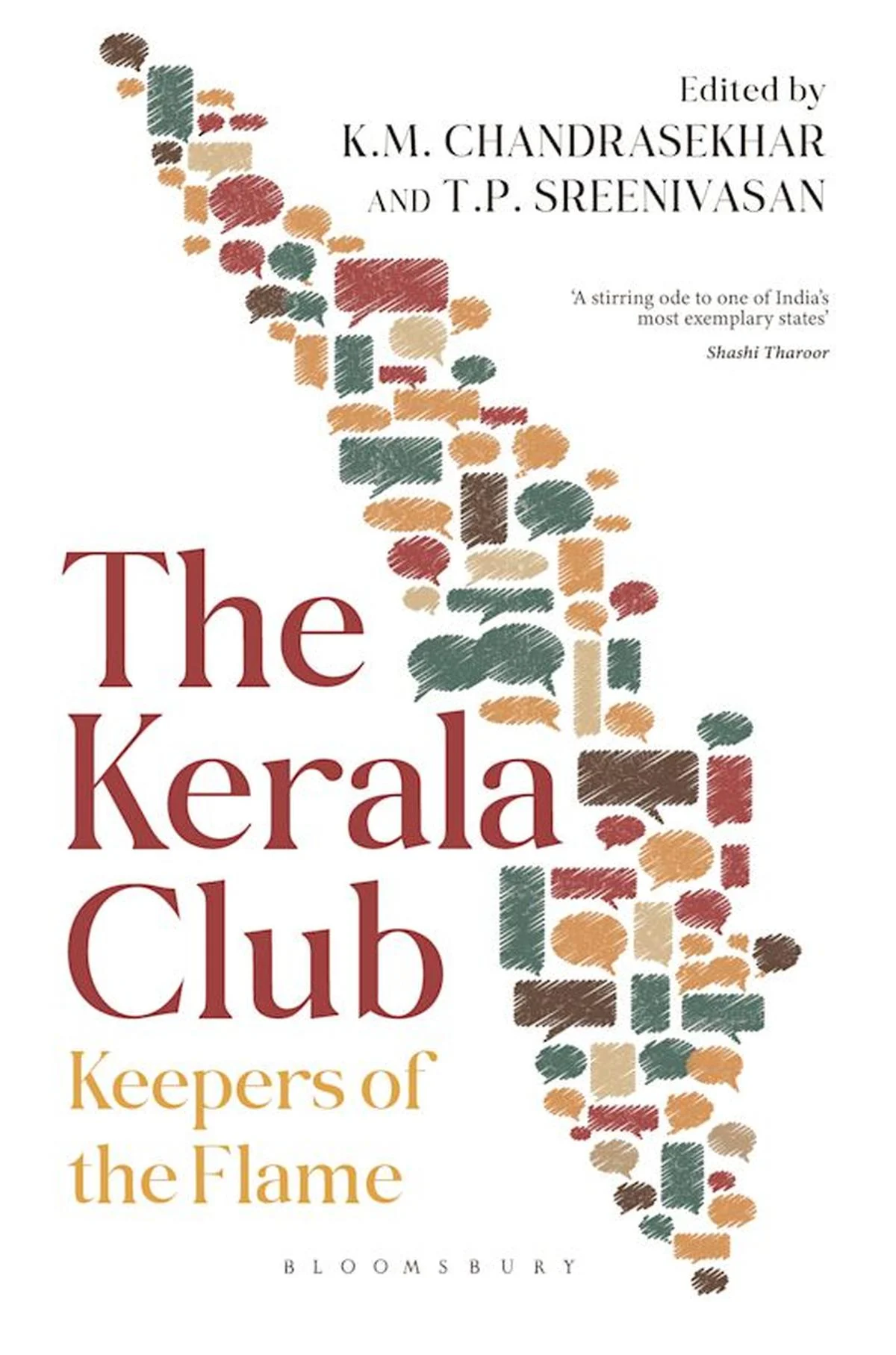
The emerald-green state of Kerala, often referred to as "God’s Own Country," has long occupied a unique position in the global developmental imagination. Known for its "miracle" indicators in literacy, healthcare, and life expectancy that rival Western nations despite a modest per capita income, the state serves as a living laboratory for social democracy. However, as the British economist Joan Robinson famously remarked about India, "whatever you can rightly say about the country, the opposite is also true." This duality is the central theme of a new, seminal collection of essays titled The Kerala Club: Keepers of the Flame.
Edited by veteran civil servants K.M. Chandrasekhar and T.P. Sreenivasan, the volume brings together 29 perspectives from the men and women who have steered the state’s administrative machinery. It offers a rare, "lived texture" of governance, moving beyond dry statistics to explore the contradictions of a society that is simultaneously progressive and patriarchal, reformist yet traditional.
Main Facts: A Compilation of Administrative Wisdom
The Kerala Club: Keepers of the Flame, published by Bloomsbury, is more than a memoir; it is an analytical retrospective of the "Kerala Model" of development. The book is structured around 29 essays written by members of the Indian Administrative Service (IAS) and other civil services. These contributors include those for whom Kerala is their ancestral home and those who were assigned to the Kerala cadre from other parts of India, eventually adopting the state’s culture and ethos as their own.
Key Themes of the Collection:
- The Kerala Model: An exploration of how the state achieved high human development indicators (HDI) without high-speed industrial growth.
- Democratic Decentralization: A deep dive into the "Big Bang" devolution of power to Panchayats in the 1990s.
- The Civil Service Role: An examination of how a non-partisan bureaucracy maintains the democratic constitutional order amidst intense political competition.
- Social Contradictions: A critique of the state’s persistent issues, including high suicide rates, alcoholism, and the deep-seated dowry system.
- Cultural Integration: Reflections on how officers from diverse backgrounds (Assam, Bihar, etc.) engage with Kerala’s unique social fabric.
The foreword, penned by Cabinet Secretary T.V. Somanathan, emphasizes that the civil service acts as a stabilizing force, ensuring that the "flame" of democracy and development continues to burn despite shifting political tides.
Chronology: From Matrilineal Roots to Decentralized Governance
To understand the insights presented in The Kerala Club, one must look at the chronological evolution of the state’s social and political landscape, which the essays painstakingly document.
The Reformist Era and Matrilineal Heritage
Long before the formation of the modern state in 1956, Kerala was characterized by a matrilineal social structure (Marumakkathayam) in several communities and powerful social reform movements led by figures like Narayana Guru. These movements laid the groundwork for universal education and the breaking of caste barriers.
1957: The Communist Watershed
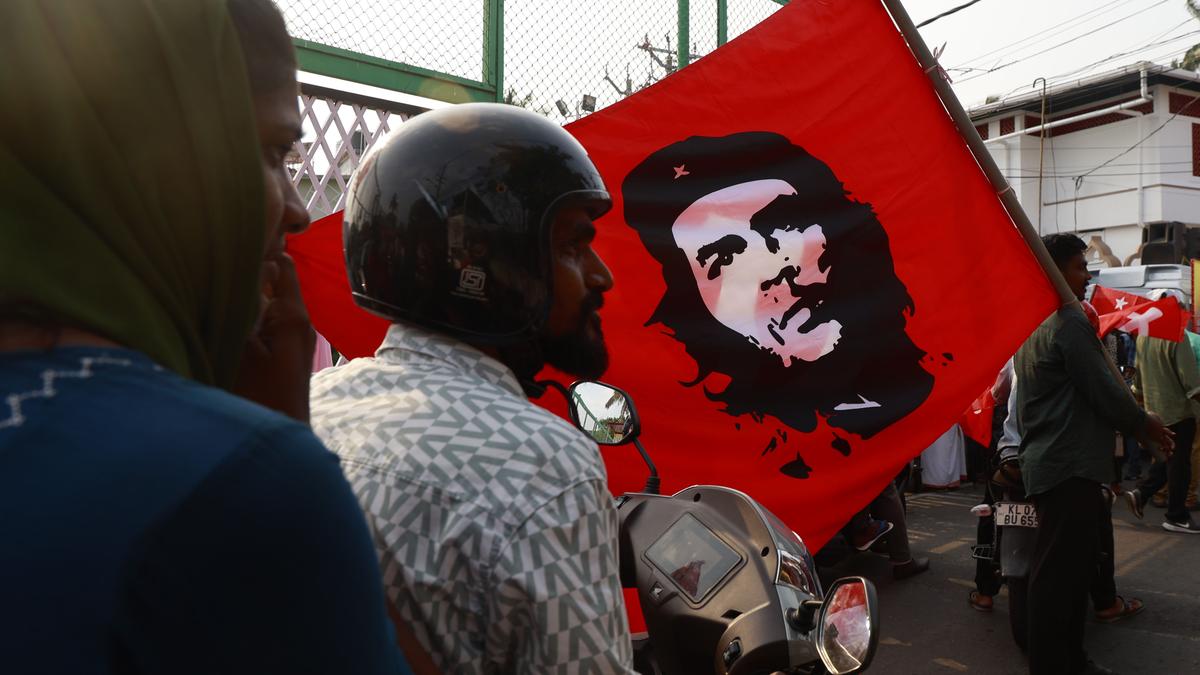
A pivotal moment in Kerala’s history occurred in 1957 when it became one of the first places in the world to democratically elect a Communist-led government, headed by E.M.S. Namboodiripad. This era initiated radical land reforms and a focus on public education and health that would define the state for decades.
The 1990s: The "Big Bang" Devolution
The essays highlight the 1990s as a transformative decade. Following the 73rd and 74th Constitutional Amendments, Kerala implemented a massive devolution of funds and functions to local bodies. This "People’s Plan Campaign" ensured that local residents had a direct say in their development, from building toilets to managing primary health centers.
2020 and Beyond: The Rise of Kudumbashree
The recent chronology concludes with the December 2020 local body elections, where over 7,000 women from the Kudumbashree (a women’s empowerment and poverty eradication program) won seats. This signifies a shift toward grassroots female leadership, even as the state struggles with broader gender issues.
Supporting Data: The Indicators of Success and Failure
The "Kerala Model" is often validated by data, but The Kerala Club insists on looking at the numbers that are usually swept under the rug.
The Success Metrics
- Literacy: Kerala consistently maintains a literacy rate of nearly 94%, the highest in India.
- Healthcare: The state’s Infant Mortality Rate (IMR) and Maternal Mortality Rate (MMR) are comparable to middle-income European nations.
- Local Governance: Unlike many states where Panchayats are symbolic, Kerala devolves nearly 35-40% of its plan funds to local bodies.
The "Shadow" Indicators
Despite these successes, the contributors point to troubling data points:
- Mental Health: Kerala has one of the highest recorded suicide rates in the country, suggesting deep-seated psychological or economic pressures.
- Substance Abuse: The state has consistently high levels of per-capita alcohol consumption, which places a strain on public health and domestic stability.
- The Gender Gap: While women have high literacy and health outcomes, their labor force participation remains lower than the national average, and the dowry system remains "entrenched across all communities."
Official Responses: The Bureaucratic Perspective
The essays provide an "insider-outsider" view of how the government responds to crises and manages daily life. The civil servants reflect on a governance style that is deeply embedded in the community.
Governance in Popular Culture
The book notes that the efficiency of the Kerala bureaucracy is so central to life that it is frequently depicted in cinema. Films like Lijo Jose Pellisserry’s Ee Ma Yau and Jeo Baby’s Kaathal – The Core show Panchayat members and government officials as integral characters in the personal lives of citizens. Whether it is Mammootty’s character standing for local elections or a ward member helping a family find a burial ground, the "official" is never distant from the "personal."
The Migrant Worker Shift
One of the most modern challenges addressed by officials is the management of "guest workers" (migrant laborers). As Keralites move to the Gulf for employment, the state has become dependent on workers from West Bengal, Bihar, and Assam. The essays explore how the state is attempting to integrate these workers into its social safety net, treating them as "guests" rather than mere laborers.

The "Elephant" Narrative
A standout essay by Surendra Kumar tells the story of Ramachandran, an elephant transported from Assam to Kerala. This narrative serves as a metaphor for the civil servants themselves—displaced from their origins, cared for in new environments, and navigating the complexities of belonging and conflict in a foreign land.
Implications: Addressing the Gender Gap and Future Challenges
While The Kerala Club is praised for its readability and breadth, it reveals a significant blind spot in both the book’s composition and the state’s administrative history: the lack of female voices.
The Gender Imbalance in Leadership
Out of 29 essays, only two are authored by women: K.B. Valsala Kumari (on engendering governance) and B. Sandhya (on community policing). The reviewer notes that for a state celebrated for social development, this 27:2 ratio is striking. This is particularly ironic given that the first woman to join the IAS, Anna Rajam George, hailed from Kerala (Pathanamthitta) and had a legendary career.
The implication is clear: while Kerala has "empowered" women in terms of health and education, it has yet to fully integrate them into the upper echelons of policy-making and intellectual discourse. The "matrilineal history" of the state has not translated into a modern "matriarchal" or even "equal" administrative reality.
The Future of the Kerala Model
The collection suggests that the future of Kerala depends on its ability to resolve its internal contradictions. The state must bridge the gap between its progressive rhetoric and the patriarchal reality of its social customs. Furthermore, as the population ages and the "Gulf boom" potentially wanes, the civil service will need to innovate beyond the traditional "Kerala Model" to find new drivers of economic growth that do not sacrifice social equity.
Conclusion: A Lived Texture of Governance
Ultimately, The Kerala Club: Keepers of the Flame serves as a vital document for anyone seeking to understand how "God’s Own Country" actually functions. It moves past the postcards and tourism slogans to reveal a state that is beautiful, complex, and endlessly fascinating—a place where, as Shivshankar Menon recounts in his childhood anecdote of being pushed through a train window at Ottapalam, the experience of the state is often visceral, crowded, and unforgettable.
For the rest of India, the implication is that development is not just about GDP; it is about the "lived texture" of how a ward member helps a citizen, how a public hospital treats a patient, and how a community manages its most vulnerable—even if the path toward that ideal remains fraught with contradictions.
