

The architectural narrative of Bengaluru, once dominated by the relentless rise of glass-and-steel high-rises and sprawling apartment complexes, is undergoing a profound transformation. In a significant shift in consumer behavior, the "Garden City" is witnessing a resurgence of interest in plotted developments. What was once considered the preference of the older generation or purely speculative investors is now becoming the primary choice for a diverse demographic, including millennials, first-time homebuyers, and High-Net-Worth Individuals (HNIs).
This transition marks a departure from the "lock-and-leave" convenience of apartments toward a model of "autonomous living," where ownership of the land itself is the ultimate luxury. Driven by a desire for greater flexibility, long-term value, and the post-pandemic need for expansive personal space, the plotted development sector is currently outperforming traditional residential segments in several of Bengaluru’s high-growth corridors.
Main Facts: The Rise of Land Ownership in a Vertical Era
The modern buyer is no longer satisfied with a standardized floor plan. According to recent market intelligence and reports from CBRE, there is a growing emphasis on space, ownership autonomy, and long-term adaptability. Plotted developments—essentially pieces of land within a gated community—offer a unique middle ground: the security and amenities of an apartment complex combined with the freedom of independent villa living.
Several key factors are driving this demand:
- The Customization Quotient: Unlike apartments, where the layout is fixed, plots allow owners to design homes that reflect their personal aesthetic and functional needs.
- Asset Appreciation: Historically, land in Bengaluru has appreciated at a higher rate than built-up apartments, which are subject to structural depreciation over decades.
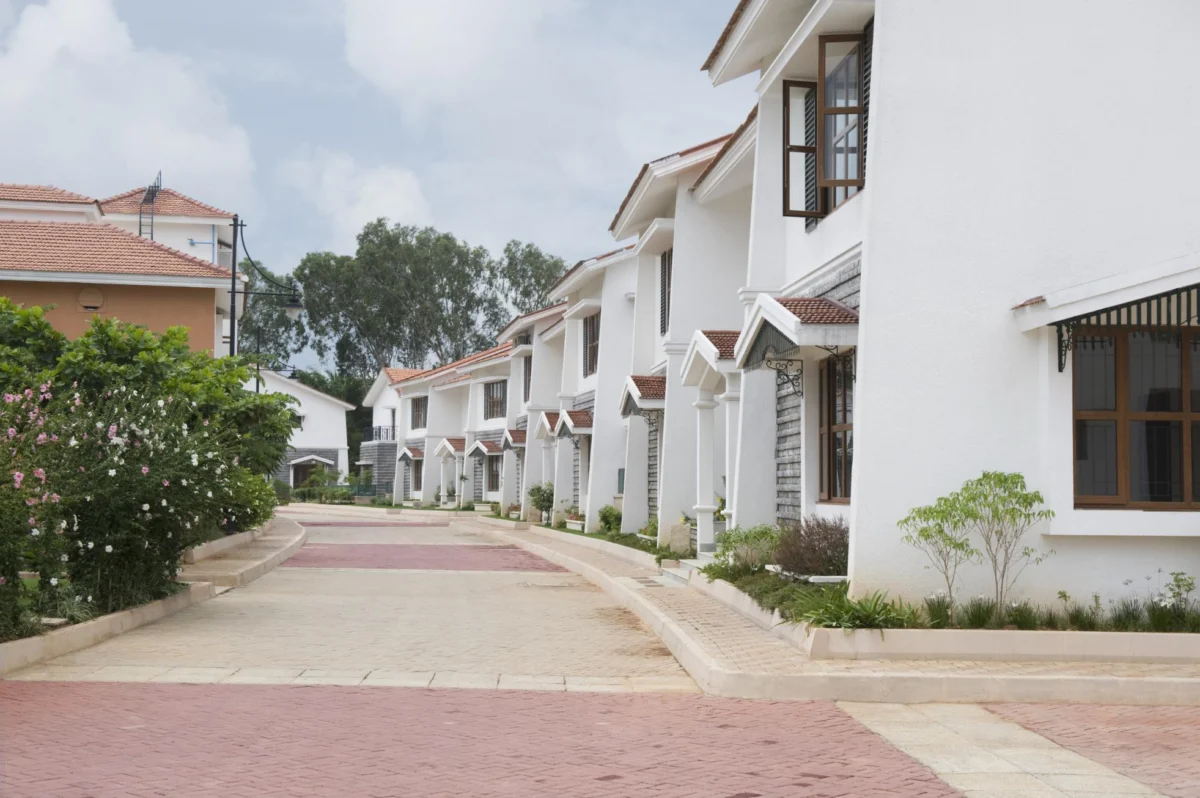
- Organized Gated Communities: The "new age" of plots isn’t just about a demarcated piece of earth. These are sophisticated developments featuring clubhouses, landscaped gardens, 24/7 security, and black-topped roads, mimicking the lifestyle of luxury townships.
- The Millennial Shift: Surprisingly, the demographic most associated with mobility—millennials—is increasingly viewing land as a stable, tangible asset for wealth creation and a future "forever home."
Chronology: From Compact Living to the Pandemic Pivot
To understand the current surge, one must look at the evolution of Bengaluru’s housing market over the last decade.
The Pre-2020 Era: The Apartment Boom
For much of the 2010s, the narrative was centered on proximity to IT hubs like Electronic City and Whitefield. The focus was on "walk-to-work" cultures, leading to a massive influx of high-density apartment projects. Land was seen as a "peripheral" investment, often associated with legal risks and lack of infrastructure.
2020–2022: The Pandemic Catalyst
The COVID-19 pandemic served as a massive disruptor. As lockdowns confined families to their homes, the limitations of apartment living—shared elevators, cramped balconies, and lack of private outdoor space—became glaringly apparent. The rise of Remote Work and Hybrid Work models decoupled the necessity of living in congested city centers. Suddenly, a 1,200-square-foot apartment felt insufficient for a family needing two home offices and a play area for children.
2023–Present: The Infrastructure Integration
Post-pandemic, the demand did not revert to the old norm. Instead, it solidified into a preference for larger, more versatile homes. This period has been characterized by massive infrastructure spending by the government, particularly in North and East Bengaluru, making previously "remote" land parcels accessible and viable for daily commuting.
Supporting Data: Quantifying the Shift
The shift toward plotted developments is backed by robust statistical evidence. According to a CBRE report, the average size of homes across India’s top seven cities has increased by approximately 17%. This "size migration" is a direct response to the need for flexibility, a requirement that is most naturally met through plotted developments where the built-up area can be scaled according to the owner’s budget and needs.
In Bengaluru specifically, residential prices have seen a steady appreciation, particularly in the mid-to-premium categories. However, the internal rate of return (IRR) for land has remained consistently attractive. While apartment prices include the significant cost of construction and maintenance of common facilities, plotted properties allow investors to put their capital into the raw asset—the land—which reacts more dynamically to infrastructure improvements.
Market data indicates that micro-markets like Devanahalli have seen a spike in "theme-based" plotted layouts. These are not merely plots but curated environments (e.g., Mediterranean-themed or eco-conscious layouts) that command a premium price and attract a more discerning buyer profile.
Official Responses and Expert Perspectives
Industry leaders and developers have been quick to pivot their portfolios to meet this changing demand. The sentiment among real estate experts is that the "disorganized" nature of land buying is a thing of the past.
"Potential purchasers now prefer clarity in title, compliance with regulations, and the assurance of community management," says a leading developer active in the North Bengaluru corridor. "The era of buying a stray acre of land and hoping for the best is over. Today’s buyer wants a RERA-registered plot within an ecosystem managed by an experienced developer."
The government’s role has also been pivotal. The computerization of land records through the "Bhoomi" portal in Karnataka has significantly boosted buyer confidence. By reducing the risks associated with "Benami" properties and fraudulent transactions, the state has made land a safer asset class for the average salaried professional.
Analysts also point out the "Multi-generational Factor." Experts observe that plotted developments allow families to create separate dwellings on the same plot of land. This allows aging parents and adult children to live in proximity while maintaining individual privacy—a lifestyle choice that is difficult to achieve in a standard three-bedroom apartment.
Geographic Hotspots: The North and East Surge
While the demand is city-wide, certain micro-markets are emerging as the epicenters of the plotted development revolution.
Devanahalli: The Crown Jewel
Once considered the far outskirts, Devanahalli is now the primary destination for luxury plotted developments. Its proximity to the Kempegowda International Airport (KIA) is only part of the story. The expansion of the Blue Line of the Bengaluru Metro and the development of the Satellite Town Ring Road (STRR) have integrated this region into the city’s core. The presence of the Aerospace Park and various IT SEZs ensures a steady stream of high-income professionals looking for nearby residential options.
East Bengaluru: The Growth Corridor
Areas beyond Whitefield and towards Sarjapur continue to attract interest. These regions benefit from their proximity to the existing IT infrastructure while offering the "breathability" that the inner city lacks. Developers here are focusing on "wellness-themed" plots, incorporating organic farming zones and extensive forest trails into their projects.
Implications: What This Means for the Future of Bengaluru
The resurgence of plots carries significant implications for the future of urban planning and personal finance in Bengaluru.
1. Urban Sprawl and Decentralization:
As plotted developments push the city’s boundaries outward, Bengaluru is becoming a truly multi-nodal city. This decentralization could eventually ease the pressure on the central business district’s infrastructure, provided that public transport like the Metro continues to expand at its current pace.
2. Wealth Creation for the Middle Class:
For many Indian families, land is not just a place to live; it is a legacy. The shift toward organized plots allows the middle class to participate in land ownership—an asset class that was previously dominated by the wealthy or the politically connected.
3. The "Apartment-Style" Land Model:
We are seeing the birth of a hybrid model. Future developments will likely feature "plug-and-play" plots where the developer provides the land, the approvals, and even a catalog of pre-approved architectural designs, effectively removing the "headache" of independent house construction.
4. Environmental Considerations:
Plotted developments generally offer lower population density compared to high-rise apartments. This could lead to better groundwater recharge and more green cover per capita, provided developers adhere to sustainable planning norms and preserve local ecologies.
Conclusion: The Ground Beneath Our Feet
The trend is clear: plots are back in demand, and they are here to stay. Driven by infrastructure growth in North and East Bengaluru and supported by a more transparent regulatory environment, land has reclaimed its status as a premier investment and residential choice.
As Bengaluru continues to expand, the desire for a piece of the earth—a place where one can plant a tree, build an extra room for a growing family, and enjoy the security of a gated community—is proving to be more powerful than the allure of the high-rise lifestyle. For the modern homebuyer, the message is simple: in an ever-changing world, there is no asset more reliable than the ground beneath your feet.
Disclaimer: This report is based on a synthesis of industry data, market trends, and expert opinions. Real estate investments carry inherent risks, and prospective buyers are advised to conduct independent due diligence and verify RERA registrations before committing to any purchase.
