

New Delhi – The Indian two-wheeler (2W) industry has commenced the 2026-27 financial year (FY2027) with a resounding display of market resilience and expansion. According to the latest performance data for April 2026, the sector witnessed a significant double-digit growth trajectory, fueled by a resurgence in rural demand, a stabilizing global supply chain, and an aggressive push into international markets.
Total cumulative sales for the top six Original Equipment Manufacturers (OEMs)—Hero MotoCorp, Honda Motorcycle and Scooter India (HMSI), TVS Motor Company, Bajaj Auto, Royal Enfield, and Suzuki Motorcycle India—reached an impressive 2,255,700 units. This represents a robust 30.17% year-on-year (YoY) increase compared to the 1,732,900 units recorded in April 2025. While the industry saw a marginal month-on-month (MoM) dip of 0.50% from March 2026, the overall sentiment remains overwhelmingly bullish.
The Domestic Renaissance: Hero MotoCorp Leads the Charge
In the domestic arena, the industry recorded sales of 1,777,224 units in April 2026, marking a 27.49% YoY growth. This surge is largely attributed to the strengthening of the rural economy and a burgeoning middle class seeking both fuel-efficient commuters and aspirational premium motorcycles.
Hero MotoCorp’s Dominance
Hero MotoCorp, the world’s largest manufacturer of motorcycles and scooters, maintained its undisputed leadership in the Indian market. The company dispatched 5,32,433 units in April 2026, a staggering 84.54% increase over the 2,88,524 units sold in the same month the previous year. Holding nearly 30% of the domestic market share, Hero’s performance is a bellwether for the entry-level and executive commuter segments, which have seen a massive revival after several years of stagnation.
Honda and TVS: The Battle for Second
Honda Motorcycle and Scooter India (HMSI) secured the second position with 4,84,000 units, growing 14.69% YoY. Honda’s strength continues to lie in its dominant scooter portfolio, particularly the Activa series, alongside a growing footprint in the 160cc-200cc motorcycle segment.
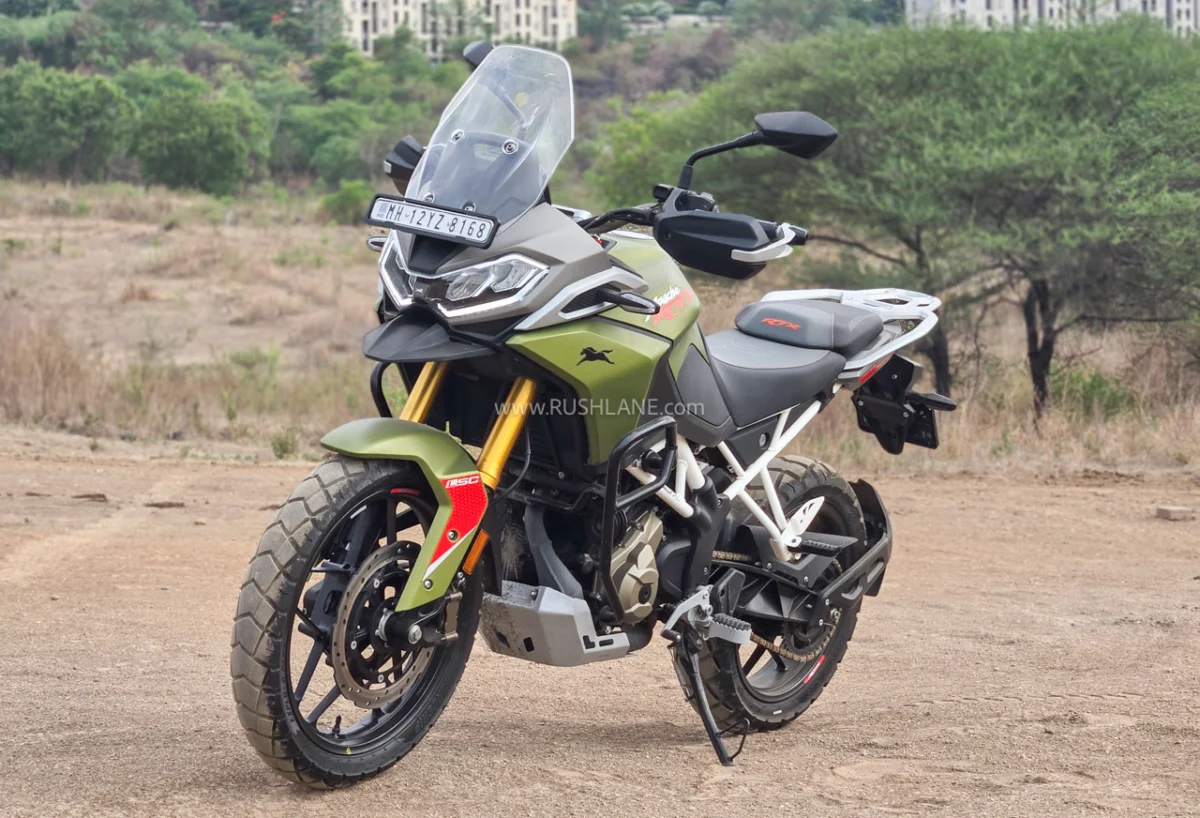
TVS Motor Company followed in third place, reporting domestic sales of 3,48,545 units, a 7.69% YoY increase. TVS has benefited significantly from its diversified portfolio, which includes the popular Jupiter scooters and the Apache performance series. The recent buzz surrounding the Apache RTX 300 mileage and performance tests has further solidified the brand’s reputation among enthusiasts.

Premium and Mid-Capacity Growth
Bajaj Auto and Royal Enfield also posted healthy domestic gains. Bajaj sold 2,10,063 units (up 11.37% YoY), while Royal Enfield continued to defy market gravity in the premium 350cc+ segment. Royal Enfield’s domestic sales rose by 37.01% to 1,04,129 units, proving that the appetite for "mid-size" leisure motorcycling in India shows no signs of waning. Suzuki Motorcycle India rounded out the top six with 98,054 units, a steady 2.98% growth.
Global Footprint: Bajaj Auto Solidifies its Export Empire
While domestic growth was impressive, the export sector provided the most dramatic narrative of the month. Total 2W exports for the leading six OEMs surged by 41.19% YoY, reaching 478,476 units. More impressively, exports grew 18.88% on a MoM basis, indicating a recovery in key international markets such as Africa, Latin America, and Southeast Asia.
The Bajaj Export Phenomenon
Bajaj Auto remains the undisputed king of Indian two-wheeler exports. The Pune-based manufacturer shipped 2,29,890 units globally in April 2026, commanding a massive 48.05% share of the total export market. Bajaj’s exports grew by a phenomenal 77.77% YoY and 44.18% MoM. This performance highlights the brand’s successful "Global Indian" strategy, where its Boxer and Pulsar brands have become household names in developing economies.
Mixed Results for Competitors
Honda recorded a stellar export performance with 79,600 units, representing a 37.48% YoY jump and a massive 116.06% MoM increase. Hero MotoCorp also showed signs of aggressive international expansion, nearly doubling its export volume to 33,653 units (+99.34% YoY).
Conversely, TVS Motor Company saw a flat export performance with 106,788 units (+0.27% YoY), while Royal Enfield was the only major player to witness a contraction in exports, falling 14.42% to 9,035 units. Analysts suggest that Royal Enfield’s dip may be due to inventory adjustments in North American and European markets following a heavy launch cycle in late 2025.
Chronology of Recovery: From Supply Constraints to Market Surplus
The trajectory of the 2W industry over the last 12 months reveals a story of strategic adaptation.

- Q2-Q3 FY2026: The industry grappled with fluctuating raw material costs and the final transitions to more stringent emission and safety norms.
- Q4 FY2026: A significant uptick in rural infrastructure spending and a favorable harvest season began to translate into showroom footfalls.
- April 2026 (Start of FY2027): The current data reflects the culmination of these factors. The 27.49% domestic growth is not merely a "low base effect" from the previous year but a genuine expansion of the buyer base. The industry has moved from a "supply-push" model to a "demand-pull" model.
Supporting Data: A Comparative Analysis
| OEM | Domestic Sales (April ’26) | YoY Growth (%) | Exports (April ’26) | YoY Growth (%) | Total Sales |
|---|---|---|---|---|---|
| Hero MotoCorp | 5,32,433 | 84.54% | 33,653 | 99.34% | 5,66,086 |
| Honda | 4,84,000 | 14.69% | 79,600 | 37.48% | 5,63,600 |
| TVS Motor | 3,48,545 | 7.69% | 1,06,788 | 0.27% | 4,55,333 |
| Bajaj Auto | 2,10,063 | 11.37% | 2,29,890 | 77.77% | 4,39,953 |
| Suzuki | 98,054 | 2.98% | 19,510 | 10.01% | 1,17,564 |
| Royal Enfield | 1,04,129 | 37.01% | 9,035 | -14.42% | 1,13,164 |
| TOTAL | 17,77,224 | 27.49% | 4,78,476 | 41.19% | 22,55,700 |
Official Industry Sentiment and Responses
While individual company statements remained cautious but optimistic, the consensus among industry leaders points toward a "stabilized growth phase."
A representative from the Society of Indian Automobile Manufacturers (SIAM) noted, "The double-digit growth in April is a testament to the fundamental strength of the Indian consumer. We are seeing a healthy mix of replacement demand and first-time buyers. Furthermore, the easing of logistical bottlenecks at major ports has allowed our exporters, particularly Bajaj and Honda, to fulfill pending international orders."
Hero MotoCorp executives attributed their 84% growth to a refreshed product portfolio and a strategic focus on the "premium-commuter" segment, where buyers are looking for better features without sacrificing fuel economy. Meanwhile, Bajaj Auto’s leadership highlighted that the recovery in African currencies against the USD has played a pivotal role in reviving their export numbers, making Indian motorcycles more affordable in those regions once again.
Implications and Future Outlook
The performance in April 2026 carries several critical implications for the remainder of the fiscal year:
1. Rural Economy as a Growth Engine
The massive jump in Hero MotoCorp’s sales suggests that the rural economy is finally firing on all cylinders. This is a crucial indicator for the broader Indian economy, as 2W sales are often viewed as a proxy for the financial health of the "bottom of the pyramid" and the rural middle class.
2. The Premiumization Trend
The 37% growth of Royal Enfield and the steady performance of TVS’s performance brands indicate that Indian consumers are increasingly willing to spend on "lifestyle" products. This shift is encouraging OEMs to invest more in the 250cc-500cc segment, which offers higher margins than the traditional 100cc commuter block.

3. Export Resilience
India is rapidly becoming a global hub for 2W manufacturing. The 41.19% growth in exports suggests that Indian-made products are meeting global standards of quality and price-competitiveness. This "Make in India for the World" trend is likely to accelerate as more brands like Suzuki and Honda use their Indian facilities as primary export bases for global markets.
4. The EV Factor
While the data provided focuses on traditional OEMs (most of whom have ICE and EV portfolios), the overall growth in the 2W space provides a "rising tide" that will likely benefit the Electric Vehicle (EV) transition. As the market expands, the infrastructure for charging and servicing 2Ws—whether electric or internal combustion—will become more robust.
5. Challenges Ahead
Despite the stellar start, challenges remain. Potential headwinds include the volatility of global crude oil prices, which impacts the cost of ownership, and the possibility of an erratic monsoon, which could dampen rural sentiment later in the year. Additionally, as interest rates remain a key factor in vehicle financing, any hawkish stance by the Reserve Bank of India (RBI) could slow down the current momentum.
Conclusion
The Indian two-wheeler industry has set a high bar in April 2026. With over 2.2 million units sold in a single month, the sector is not just recovering—it is evolving. As manufacturers gear up for the upcoming festive seasons and continue to explore untapped international territories, FY2027 promises to be a landmark year for the Indian automotive story.
