

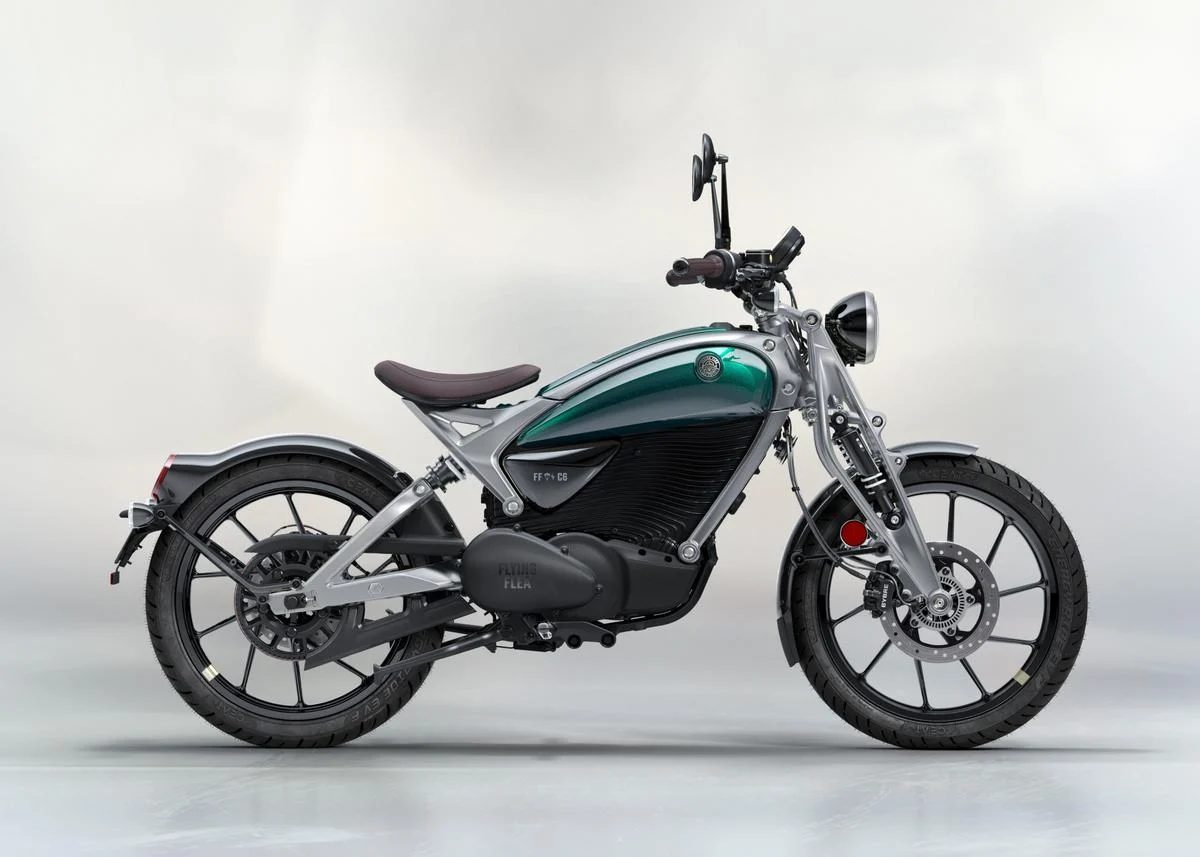
BENGALURU – In a move that signals a definitive shift in the global motorcycling landscape, Royal Enfield has officially entered the electric vehicle (EV) sector with the launch of the Flying Flea C6. This debut marks the inauguration of "Flying Flea," a dedicated sub-brand designed to redefine urban transportation through a blend of mid-century aesthetic heritage and cutting-edge propulsion technology.
Far from being a mere electric adaptation of an existing internal combustion engine (ICE) model, the C6 represents a ground-up engineering feat. It is a motorcycle built for the modern metropole, prioritizing agility, connectivity, and a lightweight footprint that challenges the traditional "heavyweight" identity of the Royal Enfield lineage.
I. Main Facts: A New Identity for a Historic Name
The Flying Flea C6 is positioned as a premium urban commuter, priced at ₹2.79 lakh (ex-showroom). However, in a strategic move to lower the barrier to entry, Royal Enfield has introduced a Battery-as-a-Service (BaaS) model, which brings the initial acquisition cost down to ₹1.99 lakh.
The Heritage Connection
The name "Flying Flea" is a deliberate nod to Royal Enfield’s history during World War II. The original Flying Flea (the WD/RE 125) was a lightweight machine designed to be dropped by parachute behind enemy lines to provide mobility for paratroopers. The new C6 captures that spirit of "lightweight utility," translating it into a 21st-century context where the "enemy" is urban congestion and carbon emissions.
Design Philosophy
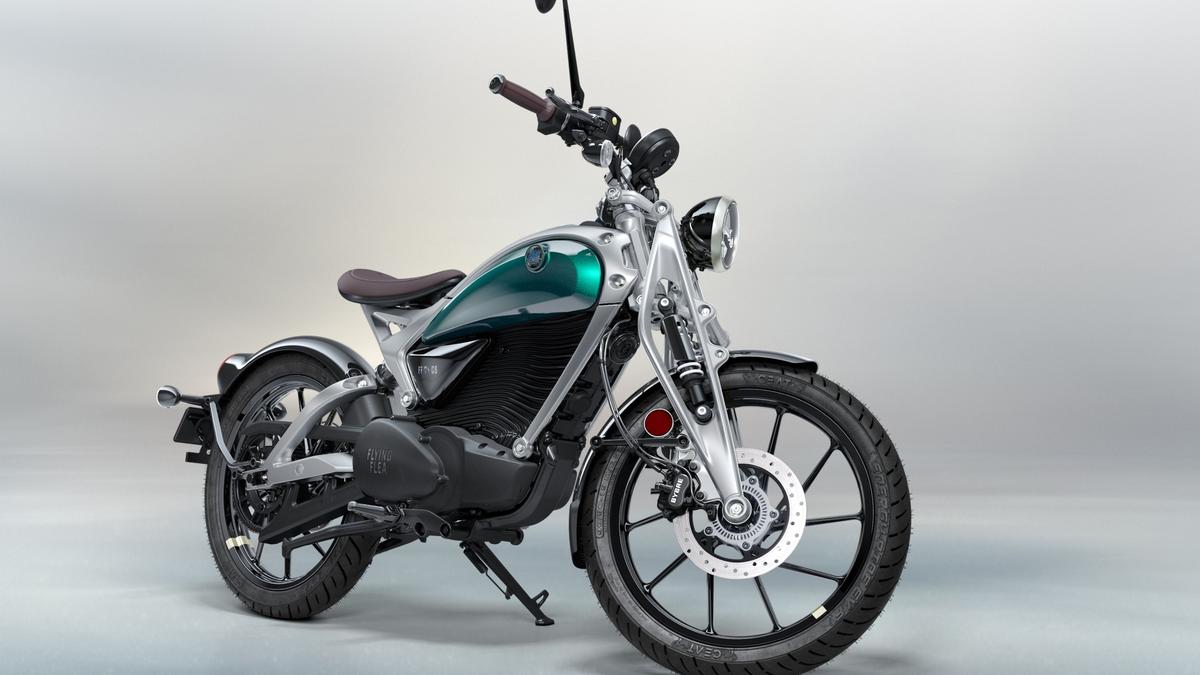
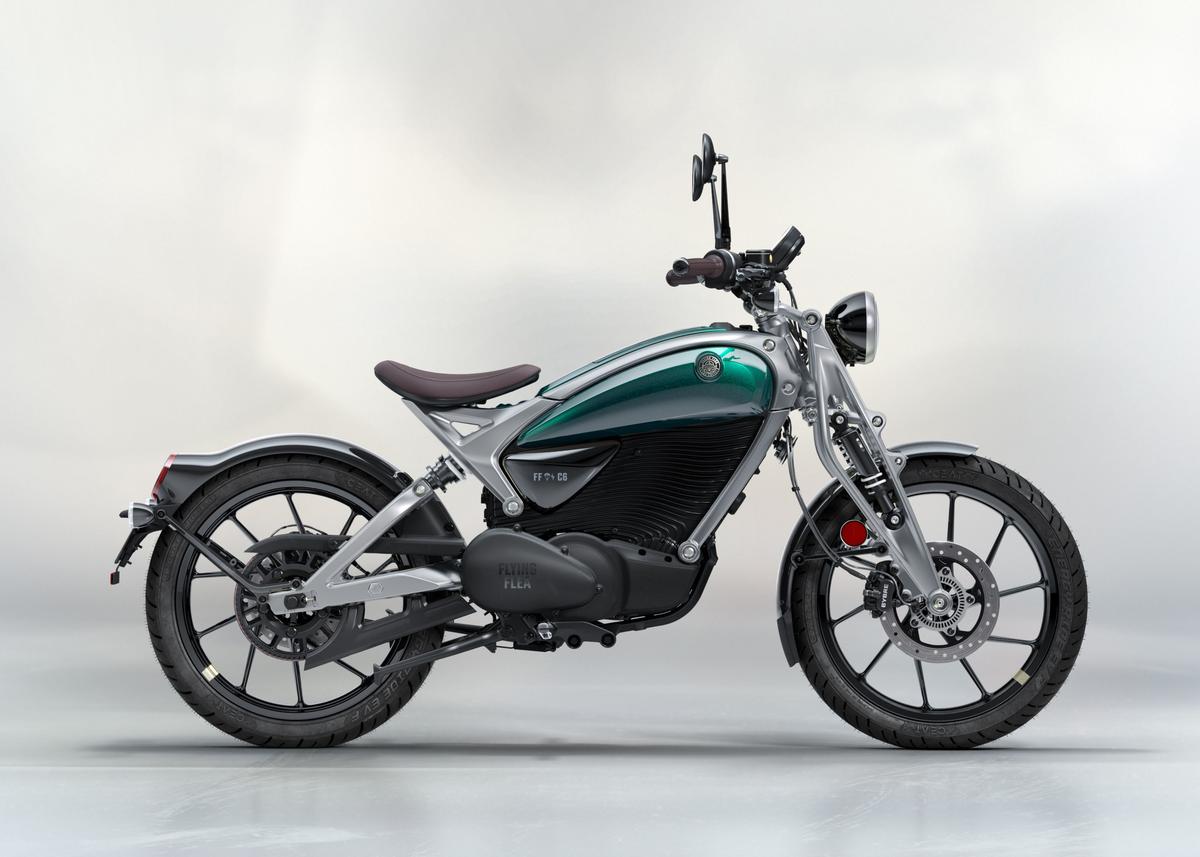
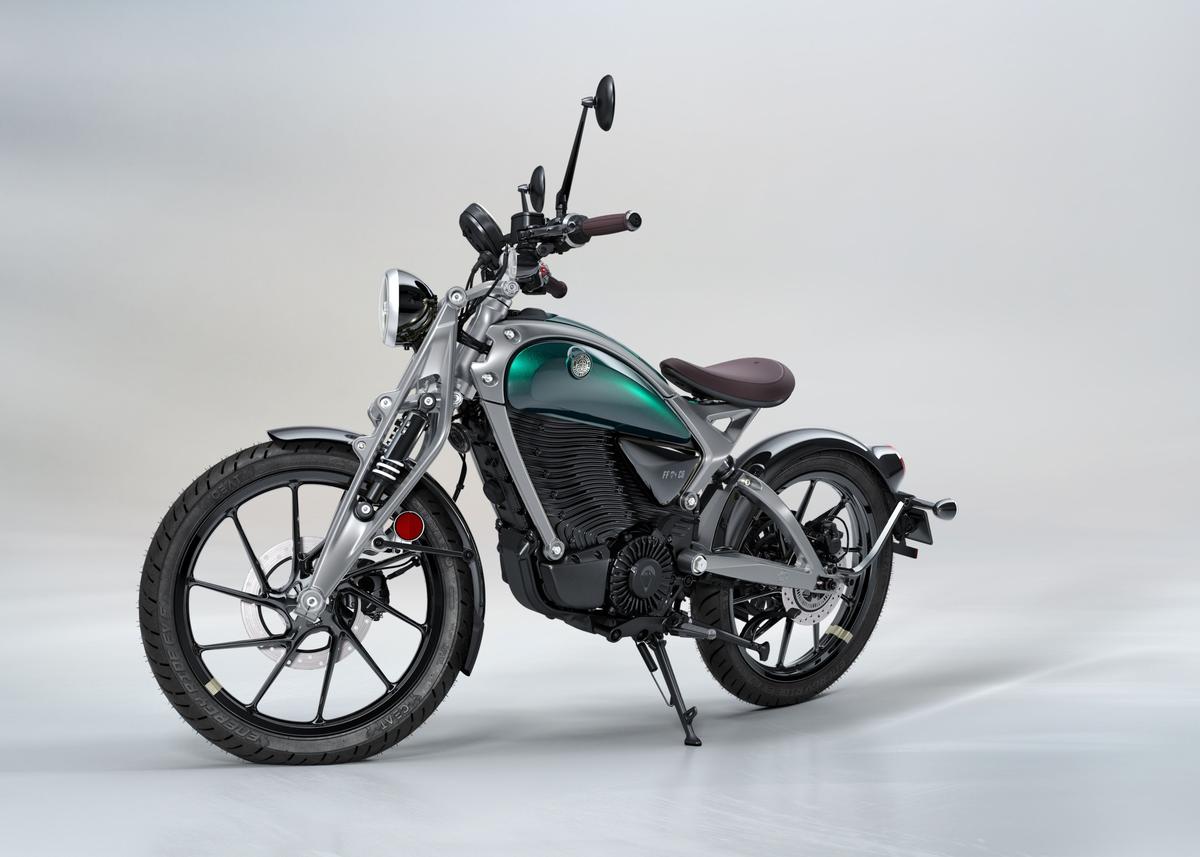
The most striking visual element of the C6 is the front girder fork. While modern motorcycles almost universally use telescopic or upside-down forks, the C6 utilizes a forged aluminum girder setup. This choice is not merely cosmetic; it provides a unique suspension geometry that pays homage to pre-war designs while utilizing modern materials to ensure precision handling and weight reduction.
The motorcycle’s silhouette is minimalist. The battery casing, often a clunky necessity in EV design, has been transformed into a central stylistic feature. Cooling fins wrap around the magnesium-alloy housing, serving the dual purpose of thermal management for the high-density cells and providing a "mechanical" texture that resonates with the brand’s DNA.
II. Chronology: From Concept to the Streets of Bengaluru
The journey of the Flying Flea C6 is the result of years of "silent" development within Royal Enfield’s UK and India technical centers.
- Pre-2023: The Research Phase: Royal Enfield leadership, under Eicher Motors, recognized the inevitable pivot toward electrification. Rather than rushing a prototype to market, the company invested in Stark Future (an electric motocross pioneer) and began developing an in-house software-hardware stack.
- Late 2024 – Early 2025: Testing and Validation: Prototypes were spotted across various terrains, testing the limits of the new 3.91 kWh battery pack in extreme tropical heat and stop-and-go traffic.
- April 12, 2026: The Official Unveiling: The Flying Flea brand is launched globally, with the C6 as its flagship ambassador.
- Current Status: Bookings Open: As of mid-April 2026, bookings and test rides have commenced exclusively in Bengaluru, a city often cited as India’s "EV Capital."
- May 2026: The Delivery Window: Royal Enfield has scheduled the first customer deliveries for late May 2026, with a phased rollout to other Tier-1 cities like Mumbai, Delhi, and Chennai to follow shortly thereafter.
III. Supporting Data: Technical Specifications and Performance
The Flying Flea C6 is engineered to thrive in environments where flick-ability and instant response are paramount.

Power and Torque
The heart of the C6 is an electric motor that generates a peak output of 15.4 kW (approx. 20.6 bhp) and a maximum torque of 60 Nm. Because electric motors deliver 100% of their torque from zero RPM, the C6 promises a "stoplight-to-stoplight" acceleration that outclasses many 350cc petrol counterparts.
Weight and Dimensions
One of the most impressive statistics is the bike’s kerb weight of 124 kg. For comparison, a standard Royal Enfield Classic 350 weighs nearly 195 kg. This 71 kg reduction drastically changes the power-to-weight ratio, making the C6 accessible to a broader demographic, including new riders and those intimidated by the bulk of traditional cruisers.
Battery and Range Dynamics
- Capacity: 3.91 kWh.
- Top Speed: 115 km/h (electronically limited to optimize range).
- Charging Versatility: The C6 is compatible with a standard 16 Amp home wall socket.
- Charge Times: The "Rapid Charge" mode allows the battery to go from 20% to 80% in approximately 60 minutes.
- Efficiency: Under ideal urban riding conditions, the system can add roughly 1 km of range for every minute of charging.
Safety and Technology
The C6 is arguably the most technologically advanced vehicle ever produced by Royal Enfield. It features:
- Lean-Sensitive ABS: A 6-axis IMU (Inertial Measurement Unit) adjusts braking pressure based on the bike’s lean angle.
- Traction Control: Prevents rear-wheel slip on greasy city surfaces or gravel.
- Connectivity: Integrated 4G, WiFi, and Bluetooth allow for "Phone-as-a-Key" functionality and live GPS tracking.
- OTA Updates: The motorcycle’s firmware can be updated remotely, allowing Royal Enfield to tweak power delivery or add features post-purchase.
IV. Official Responses and Brand Vision
While Royal Enfield has traditionally been the custodian of "Pure Motorcycling"—often associated with the "thump" of long-stroke petrol engines—the leadership insists that the Flying Flea is a natural evolution of that ethos.
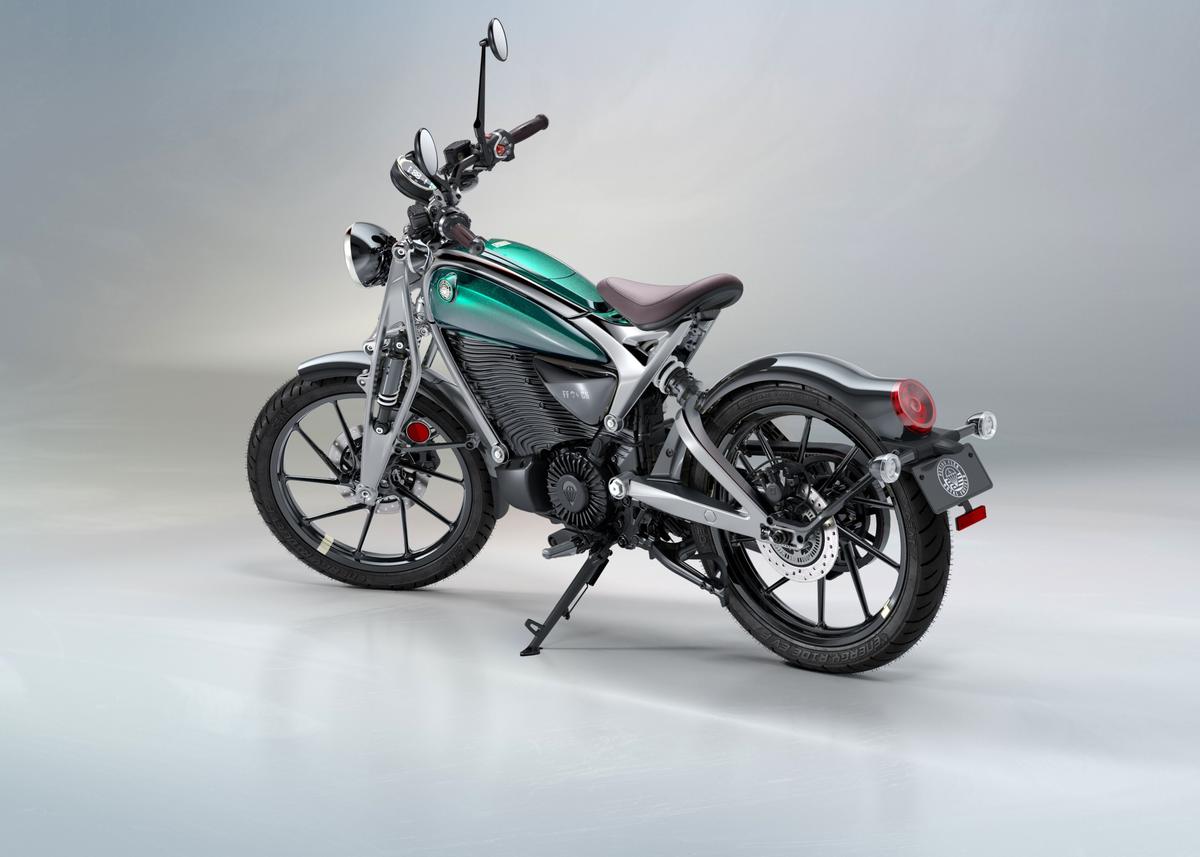
In statements regarding the sub-brand, company representatives emphasized that the Flying Flea is intended to be "authentic but different." The decision to house the C6 under a new sub-brand allows Royal Enfield to experiment with radical designs and digital-first interfaces without alienating the traditionalist "Bullet" fanbase.
"The Flying Flea C6 is not just a motorcycle; it is a statement on the future of the city," a company spokesperson noted during the Bengaluru launch. "We have integrated the hardware and software in-house to ensure that the ride feels like a Royal Enfield—organic, tactile, and soulful—even without the internal combustion engine."
The inclusion of the Battery-as-a-Service (BaaS) model is a direct response to consumer anxiety regarding battery degradation and high upfront costs. By decoupling the battery cost from the vehicle price, Royal Enfield is positioning the C6 as a lifestyle choice that competes directly with high-end electric scooters and entry-level premium motorcycles.
V. Implications: Impact on the Global and Domestic Market
The arrival of the Flying Flea C6 has several far-reaching implications for the automotive industry.
1. The Premiumization of the EV Two-Wheeler Segment
Until now, the Indian electric two-wheeler market has been dominated by scooters from brands like Ola, Ather, and TVS. The Flying Flea C6 introduces a "lifestyle motorcycle" element that has been largely missing. It targets the "commuter-plus" segment—riders who want a tool for work but a toy for the weekend.
2. The "Girder Fork" as a Trendsetter
By successfully implementing a forged aluminum girder fork, Royal Enfield may spark a resurgence in "retro-tech." This design choice proves that historic mechanical solutions can be modernized to meet current safety and performance standards, offering an alternative to the visual monotony of modern bike design.
3. Software-Driven Longevity
The inclusion of Over-the-Air (OTA) updates and a system that "learns" rider behavior suggests a move toward the "Tesla-fication" of motorcycles. This shifts the value proposition from a static mechanical object to an evolving digital asset. For the consumer, this means the bike could potentially improve in efficiency or feature-set two or three years into ownership.
4. Urban Infrastructure Pressure
The C6’s reliance on 16 Amp sockets and rapid charging will further push the need for standardized charging infrastructure in urban apartment complexes and corporate parking lots. As a high-volume player like Royal Enfield enters the fray, the pressure on urban planners to accommodate EV charging will likely intensify.
5. Global Ambitions
While the rollout begins in Bengaluru, the Flying Flea brand is a global play. The C6’s specifications—specifically its 115 km/h top speed and lightweight frame—make it a perfect candidate for the European A1 and A2 license categories, as well as the dense urban centers of Southeast Asia and North America.
Conclusion
The Royal Enfield Flying Flea C6 is a bold gamble that balances the weight of a century-old legacy with the requirements of a decarbonized future. By focusing on a "ground-up" electric platform rather than a conversion, Royal Enfield has avoided the compromises of weight and balance that often plague early-generation EVs.
At ₹2.79 lakh, the C6 is an investment in a new kind of urban identity. Whether the "thump" of the piston can be successfully replaced by the "whir" of a high-performance electric motor remains to be seen, but with its striking design and sophisticated tech suite, the Flying Flea C6 is undoubtedly the most significant milestone in Royal Enfield’s modern history.
This report was compiled in association with Motorscribes and The Hindu. For more updates on the evolving world of automotive technology, follow @motorscribes on Instagram.
