

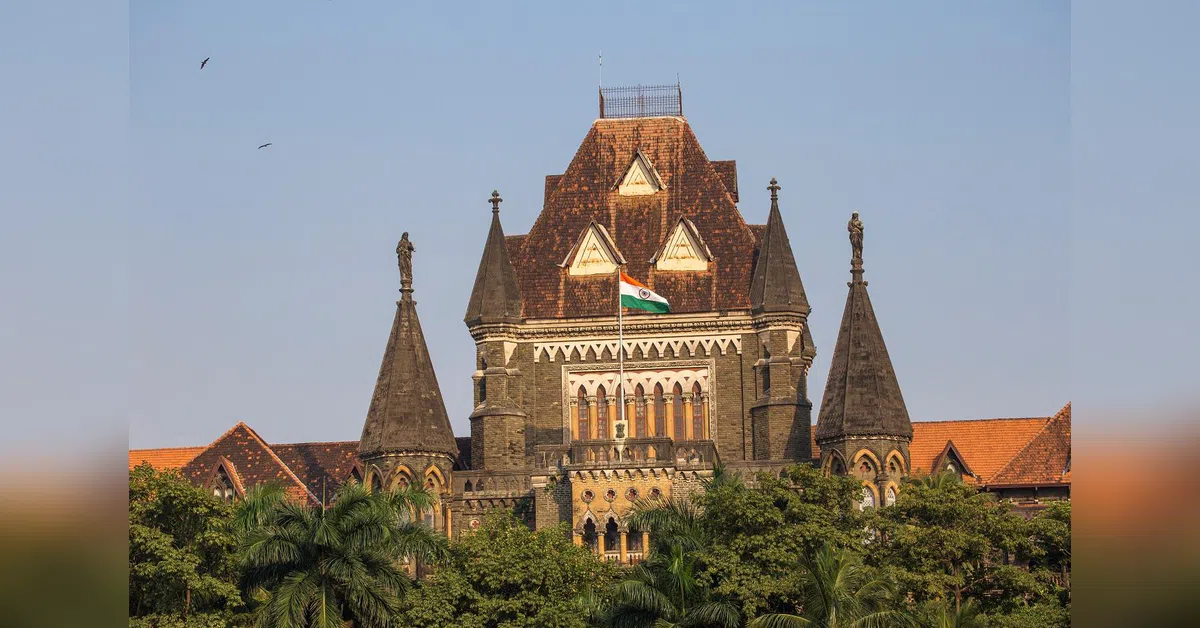
Mumbai, India – In a significant ruling underscoring the delicate balance between competitive advertising and brand disparagement, the Bombay High Court has issued an ad-interim order restraining Berger Paints from further circulating an advertisement that compared its ‘Easy Clean’ product with a paint sold by rival Asian Paints. Justice Arif S Doctor, presiding over the commercial intellectual property suit, concluded on May 8 that the promotional clip, titled "Drishyam Series – Episode 1," crossed the permissible line of comparative advertising and amounted to "outright disparagement," granting Asian Paints Ltd a prima facie case.
The court’s decision hinged on several contentious elements within the 102-second video, notably a segment where a meme flashing the word "Fraud!" appeared immediately after a stain-removal demonstration intended to highlight the purported ineffectiveness of the Asian Paints product. This, coupled with the dramatic presentation and the explicit comparison of Berger’s ‘BERGER EASY CLEAN’ with Asian Paints’ ‘APCOLITE SHYNE ALL PROTEK,’ led the court to concur with the plaintiff’s assertion that the advertisement was designed to erode consumer confidence and inflict "immense and irreversible prejudice" upon Asian Paints’ goodwill and reputation. The immediate injunction prevents further circulation of the contentious video across all platforms, including its removal from social media, marking a critical intervention in an increasingly aggressive digital advertising landscape.
Main Facts: A Legal Standoff in the Paint Industry
The heart of the dispute lies in a promotional video crafted by Berger Paints, disseminated primarily through digital channels, which Asian Paints vehemently argued was a direct attack on its product’s integrity and market standing. Justice Arif S Doctor’s ad-interim order, issued on May 8, serves as a powerful testament to the judiciary’s role in safeguarding corporate reputation and ensuring fair play in the intensely competitive consumer goods sector.
The Bombay High Court’s ruling specifically targeted a 102-second digital advertisement, christened "Drishyam Series – Episode 1," which directly pitted Berger’s ‘BERGER EASY CLEAN’ against Asian Paints’ ‘APCOLITE SHYNE ALL PROTEK.’ While the narration in the video deliberately avoided explicitly naming Asian Paints, the commercial prominently displayed a paint container that Asian Paints contended was unmistakably identifiable as its product. The core of the advertisement involved a demonstration where a lipstick stain was purportedly applied to surfaces painted with both products. The Berger paint was shown to be genuinely stain-resistant, while the Asian Paints product was portrayed as ineffective in the subsequent cleaning test.
Crucially, the advertisement’s use of a "Fraud!" meme, flashed prominently following the alleged stain-removal failure of the rival product, was a key factor in the court’s determination of disparagement. Justice Doctor observed that this particular element, alongside the overall tenor and dramatic "myth buster" format of the commercial, clearly demonstrated an intent to denigrate rather than merely compare. The court underscored that legitimate comparative advertising aims to highlight the superior qualities of one’s own product against a competitor’s, without resorting to the vilification or misrepresentation of the rival’s offering. In this instance, the advertisement was deemed to have crossed that critical boundary.
The immediate relief granted by the court is sweeping. It restrains Namgial Enterprise, Berger Paints India Ltd, and other identified parties associated with the advertisement, as well as any unidentified persons involved in its dissemination, from circulating, sharing, broadcasting, or otherwise communicating the impugned video or any similar material. Furthermore, the order explicitly directs the removal of the advertisement from all platforms where it had already been uploaded, including prominent social media channels that were also arrayed as defendants in the suit. This comprehensive injunction aims to mitigate the potential "immense and irreversible prejudice" that Asian Paints argued would result from the continued spread of the disparaging content. The court’s prompt action, taken without prior notice to the defendants, was justified by the rapid and pervasive nature of digital content dissemination, recognizing that any delay could render the protective order ineffective.
Chronology of Events: From Digital Alert to Courtroom Mandate
The legal battle unfolded swiftly, reflecting the urgent nature of intellectual property disputes in the digital age, where content can go viral within hours, causing irreparable harm to brand equity.
May 5, 2024: The Initial Alert
The sequence of events began on Friday, May 5, 2024, when Asian Paints Ltd’s legal team was first alerted to the existence and widespread circulation of the contentious promotional clip. The 102-second video, branded "Drishyam Series – Episode 1," was observed to be circulating extensively within WhatsApp groups comprising paint dealers, distributors, and other members of the trade community. This immediate and targeted dissemination channel suggested a deliberate strategy to reach key influencers and decision-makers within the industry, potentially impacting purchasing decisions at the wholesale and retail levels.
Discovery on Social Media
Following the initial alert on WhatsApp, Asian Paints’ internal monitoring and legal teams quickly discovered that the same disparaging video had also been uploaded and was being actively circulated on Instagram, a widely used social media platform. The presence of the advertisement on both private messaging applications and public social media platforms amplified the potential reach and impact, underscoring the urgency for legal intervention. The multi-platform presence indicated a concerted effort to maximize exposure, further solidifying Asian Paints’ concern about widespread reputational damage.
Filing of the Commercial Intellectual Property Suit
Recognizing the immediate threat to its brand and product reputation, Asian Paints swiftly initiated legal proceedings. The company filed a commercial intellectual property suit against Namgial Enterprise and others, including Berger Paints India Ltd, arguing that the advertisement constituted a clear case of disparagement and slander of goods. The suit sought urgent injunctive relief to halt the further circulation of the video and prevent ongoing harm. The speed of the filing highlights the critical importance companies place on protecting their intellectual property and brand image in a competitive market.
May 8, 2024: The Ad-Interim Order
Just three days after Asian Paints was alerted to the ad’s existence, Justice Arif S Doctor of the Bombay High Court passed an ad-interim order. This rapid judicial response demonstrated the court’s acknowledgement of the exigent circumstances. In his order, Justice Doctor found that Asian Paints had successfully established a prima facie case, meaning there was sufficient evidence to warrant immediate intervention before a full trial could commence. The order detailed the specific elements of the advertisement that crossed the line into disparagement, particularly the "Fraud!" meme and the overall sensational tone.
Issuance of Injunctions and Removal Directives
The ad-interim order included a comprehensive set of injunctions. It specifically restrained the named defendants – Namgial Enterprise, Berger Paints India Ltd, and others – as well as any unidentified persons involved in the dissemination, from further circulating or communicating the impugned video. Crucially, the order also directed social media platforms, arrayed as defendants in the case, to delete the clip from their servers. This aspect of the order is particularly significant in the digital age, as it places responsibility on platforms to act swiftly in removing infringing or disparaging content.
Continuation of Relief and Future Proceedings
The ad-interim relief granted by the court is set to continue until June 23, 2024. The matter is scheduled for its next hearing on June 22, 2024. At this subsequent hearing, the defendants will have the opportunity to present their arguments and respond to Asian Paints’ allegations. The court will then consider whether to extend, modify, or vacate the interim injunction, potentially paving the way for a more substantive trial if the parties do not reach an amicable settlement. The interim period allows for the immediate cessation of the harmful activity while further legal arguments are prepared.
Supporting Data: Navigating the Nuances of Comparative Advertising
The Bombay High Court’s ruling in the Asian Paints vs. Berger Paints case provides a timely reminder of the stringent legal and ethical boundaries governing comparative advertising in India. This segment delves into the legal framework, industry context, and the unique challenges posed by digital dissemination that underpin such disputes.
Legal Framework for Comparative Advertising in India:
Indian law, particularly under the Trademarks Act, 1999, permits comparative advertising but draws a clear distinction between permissible comparison and outright disparagement. Section 30(1) of the Trademarks Act allows for the use of a registered trademark in advertising if it is in accordance with honest practices in industrial or commercial matters and does not take unfair advantage of, or is detrimental to, the distinctive character or repute of the trademark.
However, the line is often blurry. Courts in India, and regulatory bodies like the Advertising Standards Council of India (ASCI), have consistently held that while an advertiser can highlight the superior features of their product, they cannot denigrate, discredit, or misrepresent a competitor’s product. Key principles established through various judgments include:
- Truthfulness: The comparison must be factually accurate and verifiable.
- Honesty: The comparison should be fair and not mislead consumers.
- No Disparagement: The advertisement should not directly or indirectly discredit, malign, or ridicule the competitor’s product. Simply stating that one’s product is "better" or "best" is generally permissible "puffery," but actively portraying a rival’s product as "ineffective," "fraudulent," or of poor quality crosses into disparagement.
- Identifiability: Even if a competitor’s product is not explicitly named, if it is clearly identifiable through its packaging, logo, or other distinctive features, it falls under the purview of comparative advertising rules.
The "Fraud!" meme used by Berger Paints, following a demonstration designed to show Asian Paints’ product as failing, directly contravenes the principle of non-disparagement. It moved beyond a mere claim of superiority to an active accusation of deceit, which is legally untenable.
Importance of Brand Reputation and Goodwill:
For established companies like Asian Paints, a market leader in India, brand reputation and goodwill are invaluable assets. Years of investment in product development, marketing, and customer service build a strong brand image that translates into consumer trust and market share. Any act of disparagement can severely damage this accumulated goodwill, leading to a loss of consumer confidence, reduced sales, and long-term erosion of market standing. The court’s acknowledgment of the potential for "immense and irreversible prejudice" highlights the high stakes involved for companies in protecting their brand equity.
Challenges of Digital Dissemination:
The case also underscores the evolving landscape of advertising, particularly the challenges posed by digital platforms. The advertisement’s rapid spread through WhatsApp groups and Instagram demonstrates how quickly content can disseminate, often reaching a wide audience before traditional legal mechanisms can respond.
- Speed and Virality: Digital content, especially videos with sensationalist elements or memes, can go viral within hours, making it difficult to contain.
- Unidentified Parties: The ability for "unidentified persons" to share and re-share content on digital platforms complicates legal action, as tracking and serving notices to all infringers can be an arduous task. The court’s order against "unidentified persons arrayed in the suit" reflects an attempt to cast a wider net in the digital space.
- Platform Responsibility: The directive to social media platforms to remove the clip highlights the increasing expectation that these platforms act swiftly when notified of content that violates legal or ethical standards. This trend shifts some responsibility onto intermediaries to moderate content.
The Indian Paint Industry Landscape:
The Indian paint industry is a highly competitive and growing market, driven by increasing disposable incomes, urbanization, and a booming real estate sector. Major players like Asian Paints, Berger Paints, Kansai Nerolac, and AkzoNobel constantly vie for market share, leading to aggressive marketing strategies. In such an environment, companies often resort to comparative advertising to differentiate their products. However, the intensity of competition sometimes pushes marketers to the brink of legality, making disputes like the current one inevitable. The "Easy Clean" segment, focusing on stain resistance and washability, is particularly competitive, as these features are highly valued by urban consumers.
The "Drishyam Series – Episode 1" Implication:
The title "Drishyam Series – Episode 1" was a crucial piece of evidence for Asian Paints, and subsequently for the court, in determining the intent behind the advertisement. The use of "Episode 1" strongly suggested that Berger Paints intended to launch a series of similar advertisements, potentially targeting Asian Paints or other competitors with further disparaging content. This raised legitimate apprehension for Asian Paints that the initial ad was not an isolated incident but the beginning of a sustained, calculated campaign to undermine its products. The court’s acceptance of this apprehension fortified the urgency and necessity of the interim injunction.
Official Responses: Arguments and Rationale
The legal proceedings brought forth compelling arguments from the plaintiff, Asian Paints, which were critically examined and ultimately accepted by Justice Arif S Doctor, leading to the immediate imposition of the ad-interim injunction. Due to the nature of an ex parte order (issued without prior notice to the defendants), Berger Paints’ detailed response is yet to be formally presented in court.
Asian Paints’ Arguments (Plaintiff’s Stance):
Asian Paints presented a multi-faceted case, meticulously detailing why Berger Paints’ advertisement transcended fair competition and entered the realm of illegal disparagement. Their primary contentions included:
-
Direct Product Comparison and Misrepresentation: Asian Paints argued that the advertisement directly compared Berger’s BERGER EASY CLEAN paint with its APCOLITE SHYNE ALL PROTEK product. Despite the narration not explicitly naming Asian Paints, the prominent display of its paint container was sufficient for any discerning viewer to unmistakably recognize the rival product. The core of the misrepresentation lay in the "lipstick stain test," which purportedly showed Berger’s paint as genuinely stain-resistant while portraying the Asian Paints product as utterly ineffective. This visual narrative, Asian Paints contended, was a deliberate attempt to mislead consumers about the efficacy of their product.
-
Beyond Permissible Comparative Advertising: The company maintained that the advertisement went far beyond the legally permissible boundaries of comparative advertising. While acknowledging the right of competitors to highlight their product’s superior features, Asian Paints asserted that the video’s primary objective was not to laud Berger’s product but to actively discredit and devalue theirs. This amounted to a direct attack on its product’s quality and performance.
-
Disparagement and Slander of Goods: The most critical argument revolved around the advertisement constituting disparagement and slander of goods. The flashing of the "Fraud!" meme immediately after the purported failure of the Asian Paints product was presented as irrefutable evidence of malicious intent to portray its goods in a false and negative light. This, Asian Paints argued, was a direct assault on its product’s integrity and quality, designed to instill doubt and distrust in the minds of consumers.
-
Erosion of Consumer Confidence through Sensationalism: Asian Paints highlighted the dramatic "myth buster" format and sensational tone of the video. They contended that these stylistic choices were not merely for entertainment but were specifically engineered to create a powerful, negative impression, thereby eroding consumer confidence in its APCOLITE SHYNE ALL PROTEK product. The objective, they argued, was to create a compelling, albeit false, narrative that would resonate strongly with viewers and influence their purchasing decisions.
-
Apprehension of Further Disparaging Content: A significant point of concern for Asian Paints was the title of the impugned clip: "Drishyam Series – Episode 1." This nomenclature, they argued, strongly indicated an intent to release additional advertisements in the same vein, potentially leading to a sustained campaign of disparagement. This justified their apprehension that a single incident could escalate into a series of attacks, causing continuous and cumulative damage to their brand.
-
Justification for Ex Parte Relief: Given the speed and manner in which the advertisement was being circulated across WhatsApp groups and social media platforms, Asian Paints sought urgent relief without prior notice to the defendants. They argued that providing advance warning would likely trigger an even wider dissemination of the video, frustrating the very purpose of securing a restraining order and causing irreparable harm before any legal intervention could be effective.
Court’s Rationale (Justice Doctor’s Observations):
Justice Arif S Doctor carefully considered Asian Paints’ submissions and found merit in each of their contentions, leading to the decisive ad-interim order. The court’s rationale was articulated as follows:
-
Clear Case of Disparagement: Justice Doctor observed that when the commercial was viewed in its entirety, it "disclosed a clear case of disparagement." The judge’s observation indicated that the cumulative effect of the visual comparison, the dramatic presentation, and the specific "Fraud!" meme left no doubt about the advertisement’s intent to denigrate Asian Paints’ product rather than merely promote Berger’s.
-
The "Fraud!" Meme as a Direct Attack: The court took specific note of the segment where the "Fraud!" meme flashed. This element was singled out as a particularly egregious instance of moving beyond comparative advertising into outright slander. Such a direct accusation, especially without substantive proof, was deemed unacceptable in commercial discourse.
-
"Drishyam Series – Episode 1" Justifies Apprehension: Justice Doctor explicitly accepted Asian Paints’ apprehension regarding potential follow-up advertisements. The court noted that the title itself "lent credibility to the plaintiff’s concern that more allegedly disparaging advertisements might soon be released." This validated the plaintiff’s fear of a concerted, ongoing campaign, thus justifying the urgent and broad nature of the interim relief.
-
Potential for "Immense and Irreversible Prejudice": The court concurred with Asian Paints that the circulation of the impugned advertisement through WhatsApp and social media platforms had "the potential to cause immense and irreversible prejudice to the goodwill and reputation of the plaintiff and its said product." This recognition of potential irreparable harm was a cornerstone for granting immediate injunctive relief.
-
Acceptance of Ex Parte Relief Justification: The court accepted Asian Paints’ contention that issuing prior notice to the defendants would indeed "frustrate the purpose of urgent interim protection." Given the rapid and pervasive nature of online dissemination, the court acknowledged that a delay could render the protective order futile, thereby underscoring the necessity of immediate action without prior intimation.
Defendant’s (Berger Paints) Position:
As the order was passed ex parte, Berger Paints India Ltd and the other defendants have not yet formally presented their full defense in court. Their arguments will be heard at the next scheduled hearing on June 22. It is anticipated that Berger Paints might argue that their advertisement was within the bounds of permissible comparative advertising, highlighting their product’s superior features, and that the "Fraud!" meme or other elements were not intended as disparagement but rather as a creative expression within an advertising context. They might also challenge the interpretation of the "Drishyam Series" title or argue against the extent of the injunction. However, these remain speculative until their formal response is submitted to the court.
Implications and Future Outlook: A Precedent for Digital Advertising Ethics
The Bombay High Court’s ad-interim order against Berger Paints carries significant implications, not just for the immediate parties involved, but for the broader advertising industry, legal precedents concerning digital media, and consumer protection in India. This ruling serves as a potent reminder of the judicial scrutiny applied to commercial speech, especially in the context of intense market competition.
For Berger Paints:
The immediate consequence for Berger Paints is the mandatory halt to the circulation of the "Drishyam Series – Episode 1" advertisement. This means a significant disruption to their ongoing marketing campaign for ‘Easy Clean,’ requiring them to withdraw the video from all platforms and potentially rework their advertising strategy. The court order, particularly the findings of "outright disparagement" and "Fraud!", could also inflict reputational damage, even if temporary, as news of the injunction spreads. Furthermore, Berger Paints will incur substantial legal costs in defending the suit and faces the potential for further damages if the court ultimately finds against them in the long term. The injunction also places them under scrutiny for any future comparative advertising, compelling a more cautious approach.
For Asian Paints:
For Asian Paints, the ruling represents a significant victory in safeguarding its brand reputation and product integrity. The court’s acceptance of their prima facie case and the granting of immediate ex parte relief validates their legal position and underscores the judiciary’s commitment to protecting established brands from unfair competition. This successful legal challenge reinforces Asian Paints’ market leadership and sends a clear message to competitors about the consequences of engaging in disparaging advertising. It also provides a measure of protection against future "episodes" that the "Drishyam Series" title hinted at, mitigating potential long-term damage.
For the Advertising Industry:
This judgment will likely send ripples across the Indian advertising industry. It serves as a stark reminder of the fine line between permissible comparative advertising and unlawful disparagement. Advertisers and creative agencies will be compelled to exercise greater caution and conduct more thorough legal reviews of their campaigns, particularly those involving direct comparisons with competitors. The ruling reinforces the need for ethical advertising practices and adherence to guidelines set by regulatory bodies like the Advertising Standards Council of India (ASCI), even if those guidelines are not directly enforceable by law in the same way as court orders. The use of sensationalist tactics, such as memes that imply fraud or inefficiency, will likely face increased scrutiny.
For Digital Media Platforms:
The court’s directive to social media platforms to delete the impugned clip highlights their increasing responsibility in policing content. As digital advertising continues to grow, courts are increasingly holding platforms accountable for the dissemination of unlawful content. This precedent suggests that platforms cannot merely act as passive conduits but must actively comply with court orders for content removal, even for content shared on private messaging services like WhatsApp, if it is shown to cause harm. This could lead to platforms developing more robust internal mechanisms for content review and removal when legal challenges arise.
For Consumers:
Ultimately, the ruling benefits consumers by protecting them from potentially misleading or disparaging advertisements. When companies engage in unfair practices, consumers may be swayed by false narratives or misrepresentations, leading to suboptimal purchasing decisions. By ensuring fair competition and ethical advertising, the court helps maintain a level playing field where product quality and genuine features, rather than deceptive tactics, drive consumer choice.
Legal Precedent and Future IP Disputes:
This case sets an important legal precedent, particularly concerning intellectual property disputes in the digital realm. It underscores:
- The Efficacy of Ex Parte Orders: The court’s willingness to grant urgent interim relief without prior notice, justified by the rapid spread of digital content, provides a crucial mechanism for brands facing immediate online attacks.
- Interpretation of Disparagement: The ruling further clarifies what constitutes disparagement, specifically highlighting the impact of emotionally charged elements like the "Fraud!" meme and the intent implied by a "series" title.
- Scope of Injunctions: The broad scope of the injunction, targeting not only identified parties but also "unidentified persons" and directing platform removal, demonstrates the court’s adaptability to the complexities of digital content control.
The Next Hearing (June 22):
The upcoming hearing on June 22, with the ad-interim relief continuing until June 23, will be a critical juncture. Berger Paints will have the opportunity to present its defense, challenge the court’s initial findings, and argue for the vacation or modification of the injunction. Asian Paints, in turn, will likely strengthen its arguments and seek to make the interim relief permanent. The outcome of this hearing will determine the long-term trajectory of this dispute, potentially leading to a full trial or an out-of-court settlement. Regardless of the final resolution, the Bombay High Court’s initial intervention has already sent a strong message about the imperative of ethical conduct in the fiercely competitive world of advertising.
