

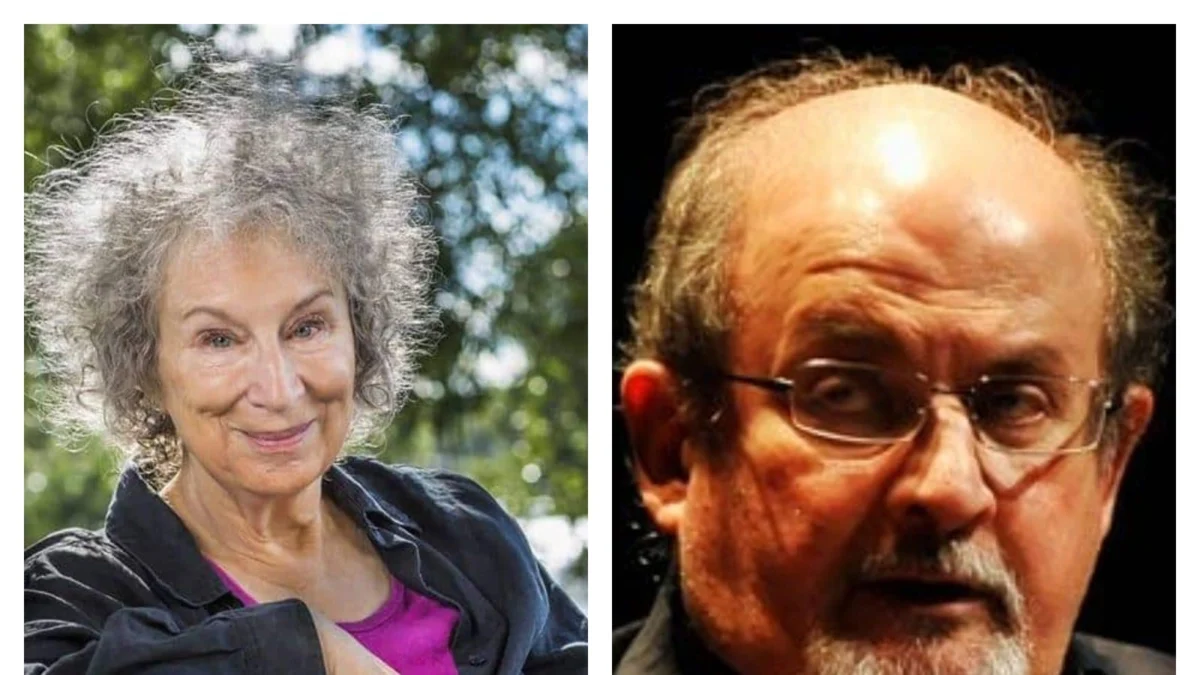
In an unprecedented mobilization of the global literary community, more than 1,000 of the world’s most prominent writers, including Nobel laureates and Booker Prize winners, have signed an open letter issued by PEN International. The letter serves as a scathing condemnation of the Russian invasion of Ukraine, demanding an immediate end to the violence and expressing unwavering solidarity with the Ukrainian people. This collective outcry, spearheaded by figures such as Margaret Atwood, Salman Rushdie, and Orhan Pamuk, marks a significant moment in the intersection of literature and geopolitics, underscoring the role of the writer as a moral witness in times of catastrophe.
Main Facts: A Literary Coalition Against Aggression
On March 1, 2022, as Russian forces continued their military campaign across Ukraine, the global literary community signaled its refusal to remain silent. The open letter, coordinated by PEN International—the world’s leading association of writers—was released to the public, carrying the weight of over a millennium of collective creative thought and advocacy for free expression.
The primary objective of the letter is threefold: to condemn the "senseless war" initiated by President Vladimir Putin, to demand an end to the military aggression and the propaganda fueling it, and to stand in solidarity with the writers, journalists, and artists of Ukraine who find themselves on the front lines of a humanitarian crisis.
Key Signatories
The list of signatories reads like a "who’s who" of contemporary literature. Among the high-profile names are:
- Margaret Atwood: The Canadian author of The Handmaid’s Tale, whose work frequently explores themes of authoritarianism and the erosion of rights.
- Salman Rushdie: The British-American novelist and long-time advocate for freedom of speech, who has famously survived decades of threats to his life for his writing.
- Orhan Pamuk: The Turkish Nobel laureate known for his exploration of national identity and the tension between East and West.
- Svetlana Alexievich: The Belarusian Nobel laureate whose "polyphonic" writing has chronicled the struggles of life under the Soviet and post-Soviet regimes.
- Olga Tokarczuk: The Polish Nobel laureate and activist who has been a vocal critic of rising nationalism in Eastern Europe.
- Tsitsi Dangarembga: The Zimbabwean author and 2021 PEN International Award for Freedom of Expression winner, who has faced political persecution in her own country.
The letter also includes signatures from Jonathan Franzen, Colm Tóibín, Elif Shafak, and hundreds of other influential thinkers from every continent, representing a diverse array of cultures, languages, and political backgrounds united by a single cause.
Chronology: From Invasion to International Outcry
The timeline of this literary intervention is closely tied to the rapid escalation of the conflict in Eastern Europe.
- February 24, 2022: The Russian Federation launches a full-scale military invasion of Ukraine. The world watches in shock as major cities, including Kyiv and Kharkiv, come under fire. The humanitarian crisis begins immediately, with thousands seeking shelter in subway stations and bunkers.
- February 25–26, 2022: As reports of civilian casualties and the destruction of cultural heritage sites emerge, members of the PEN International network begin urgent consultations. The decision is made to draft a formal statement that transcends national borders.
- February 27, 2022: PEN International releases the initial draft of the open letter. Within hours, hundreds of writers sign on, their names being added in a rolling updates process that eventually surpasses the 1,000-mark.
- March 1, 2022: The letter reaches its peak visibility in global media. It is translated into multiple languages and shared across social platforms, coinciding with a period of intensified Russian shelling and the beginning of a massive refugee exodus into neighboring Poland, Romania, and Moldova.
Supporting Data: The Anatomy of the Open Letter
The letter is not merely a statement of protest; it is a defense of the philosophical foundations of democracy and the right to self-determination. The text highlights several critical areas of concern that resonate with the values held by the literary community.
The Attack on Democracy and Free Expression
The authors state unequivocally that "Putin’s war is an attack on democracy and freedom not just in Ukraine, but around the world." This sentiment reflects a broader fear that the invasion is a bellwether for a global retreat into authoritarianism. By targeting Ukraine, a country that has struggled to build a democratic society since the fall of the Soviet Union, the signatories argue that the Russian government is attempting to silence the very concept of popular will.
The Role of Propaganda
A significant portion of the letter is dedicated to the "propaganda that is fueling the violence." In the weeks leading up to and following the invasion, the Russian state-controlled media narrative focused on "denazification" and the "liberation" of Ukrainian territories—claims that have been widely debunked by international observers and historians. The writers, as masters of language, recognize the danger of manipulated narratives and call for an end to the distortion of truth.
The Sovereignty of Narrative
One of the most poignant lines in the letter reads: "We stand united in condemnation of a senseless war, waged by President Putin’s refusal to accept the rights of Ukraine’s people to debate their future allegiance and history without Moscow’s interference." This highlights a core literary theme: the right to own one’s story. The signatories argue that Ukraine’s history and future belong to Ukrainians, not to a neighboring power seeking to rewrite their identity.
Official Responses and the Cultural Climate
The release of the letter took place against a backdrop of varying international responses. While Western governments were busy coordinating sanctions and military aid, the cultural world was undergoing its own "de-coupling" from Russian state-sponsored institutions.
The Kremlin’s Stance
While the Russian government did not issue a direct response to the PEN International letter, its domestic actions spoke volumes. Concurrently with the letter’s release, the Russian Duma began drafting laws to criminalize "fake news" about the military, carrying penalties of up to 15 years in prison. This environment made the signatures of Russian writers on the letter particularly courageous, as they faced immediate legal and personal risks for their dissent.
The Global Cultural Boycott
The PEN letter was part of a larger wave of cultural pushback. The Cannes Film Festival announced it would not welcome Russian delegations; the Eurovision Song Contest banned Russia from competing; and major orchestras around the world began dropping performances by artists who refused to distance themselves from Putin. However, the PEN letter remained distinct by focusing on the protection of individuals—writers and artists—rather than just the boycotting of institutions.
PEN International’s Leadership
Burhan Sonmez, the President of PEN International, emphasized that the organization’s mission is to bridge the gap between literature and human rights. By organizing this letter, PEN reaffirmed its role as a watchdog for writers who are often the first targets of autocratic regimes.
Implications: The Long-term Impact on Global Discourse
The significance of over 1,000 authors signing this document extends beyond the immediate news cycle. It has profound implications for the future of international relations and the role of the intellectual elite.
1. The Reaffirmation of the "Republic of Letters"
The letter proves that the "Republic of Letters"—an eighteenth-century concept of a transcontinental community of intellectuals—is alive and well. In an era of digital silos and nationalistic populism, the ability of 1,000 writers to align on a single moral position suggests that universal values of peace and free expression still hold significant weight.
2. The Protection of Cultural Identity
By emphasizing that there "can be no free and safe Europe without a free and independent Ukraine," the authors have linked the security of the continent to the preservation of Ukrainian culture. This has emboldened efforts to protect Ukrainian libraries, museums, and archives from destruction, framing the war not just as a territorial dispute but as a "genocidal" attempt to erase a culture.
3. A Challenge to Russian Intellectuals
The letter places a spotlight on Russian writers. It forces a distinction between the actions of the Russian state and the heritage of Russian literature. By including Nobel winners like Svetlana Alexievich (who writes in Russian) and others with deep ties to the region, the letter invites Russian thinkers to join a global consensus against state-led violence, effectively isolating the Kremlin from the world’s creative community.
4. The Moral Obligation of the Famous
The involvement of "superstar" authors like Atwood and Rushdie ensures that the plight of Ukrainian writers remains in the public eye. Their participation converts literary fame into political capital, pressuring governments to remain firm in their support for Ukraine and ensuring that the human cost of the war is not forgotten amidst the talk of energy prices and geopolitical strategy.
Conclusion
The open letter from PEN International serves as a reminder that while tanks and missiles may dominate the physical landscape of war, the battle for truth and human dignity is fought with words. By standing with Ukraine, Margaret Atwood, Salman Rushdie, and their 1,000 colleagues have sent a clear message: the world’s storytellers will not be silent spectators to the dismantling of democracy. As the conflict continues, this document remains a foundational testament to the belief that the pen must, and eventually will, prove mightier than the sword.
