

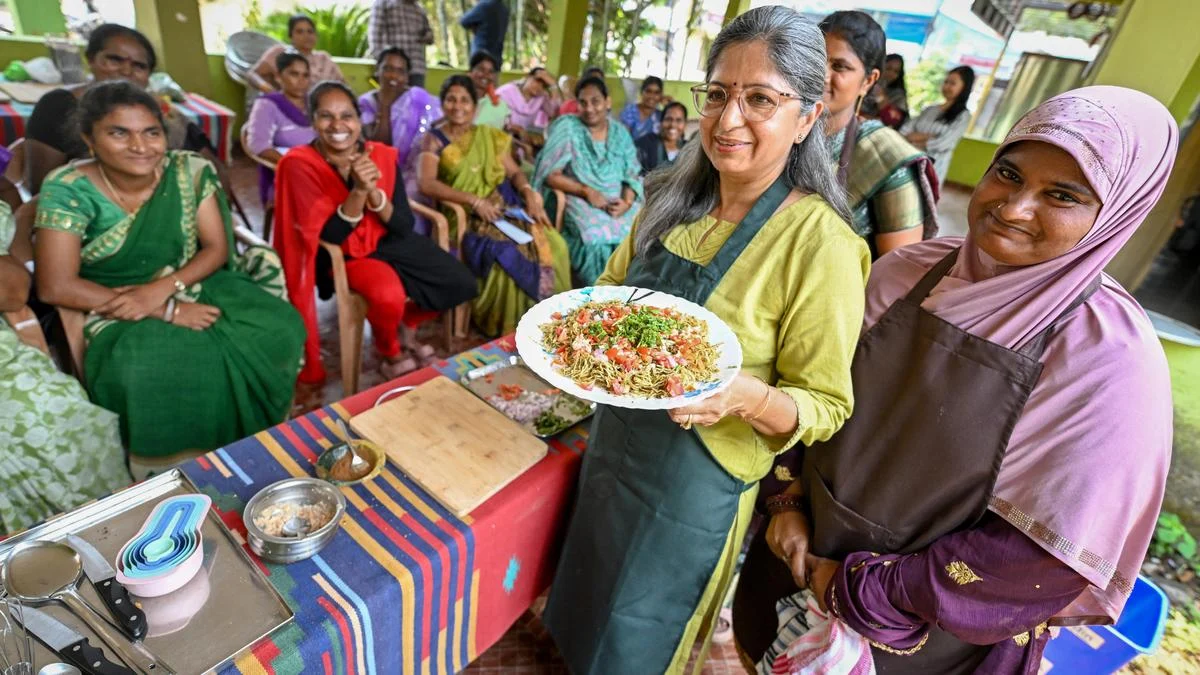
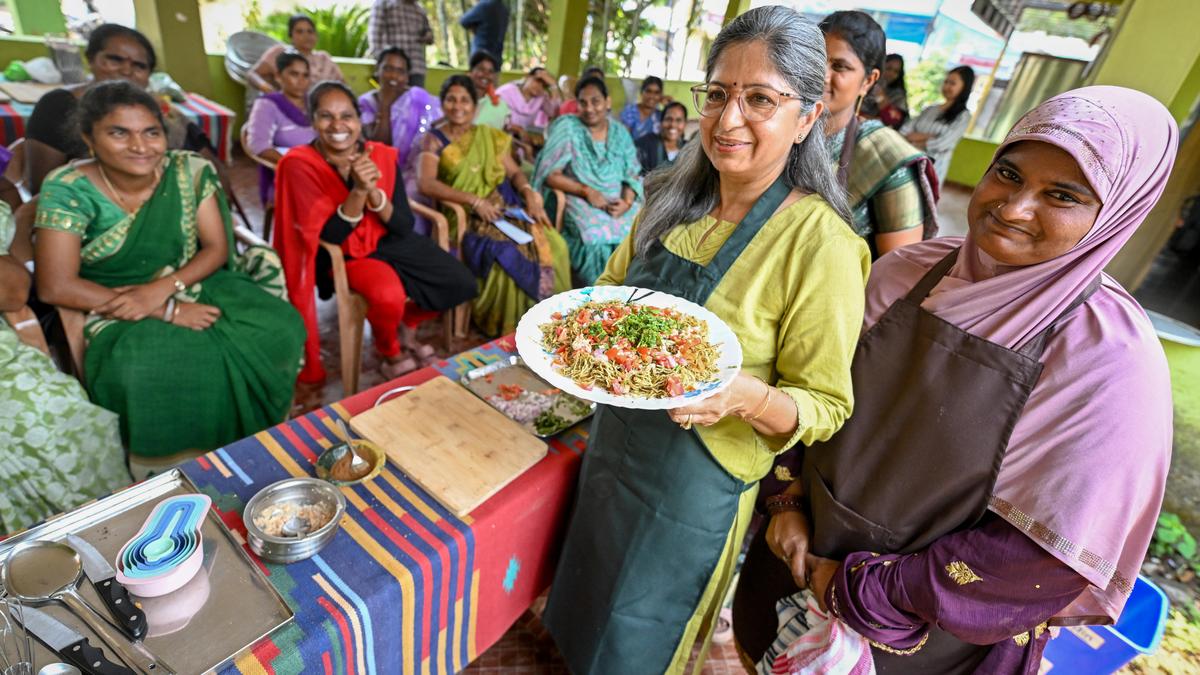
VISAKHAPATNAM — In a modest training hall at SVR Industries in Pendurthi, the air is thick with the nutty aroma of toasted grains and the focused energy of thirty women. They are not merely learning to cook; they are architecting a new rural economy. As Jowar powder is meticulously folded into moong dal flour and kneaded into a supple dough, the transformation of a humble ancient grain into a modern commercial product begins. This scene is the heartbeat of a sophisticated initiative by the Government of Andhra Pradesh to turn "Lakhpati Didis"—women earning over one lakh rupees annually—into the vanguard of a millet-led nutritional revolution.
Main Facts: The Convergence of Nutrition and Enterprise
The three-day zonal training programme in Pendurthi represents a strategic intersection between the Society for Elimination of Rural Poverty (SERP) and Vishalakshi Innovations for Sustainable Ventures (VISV). Anchored under the National Rural Livelihoods Mission (NRLM) Lakhpati Didi programme, the initiative seeks to move beyond traditional self-help group (SHG) activities. Instead, it focuses on building robust, women-led micro-enterprises across the entire millet value chain—from cultivation and processing to retail and waste management.
The programme’s primary objective is to bridge the historical gap between skill acquisition and business viability. By providing women with "plug-and-play" millet carts and specialized culinary training, the state is attempting to modernize the consumption of millets, making them attractive to a contemporary market that demands convenience and variety.
Key Highlights of the Initiative:
- Scale: Over 400 women across 15 districts have been trained since the pilot phase.
- Partnership: A collaborative effort between SERP (Govt of AP) and VISV (an enterprise and capability partner).
- Infrastructure: The introduction of standardized, mobile "Millet Carts" designed for rapid deployment.
- Culinary Innovation: A curriculum that shifts from traditional porridges to high-demand items like noodles, cookies, and cold coffee variants.
Chronology: The Evolution of a Millet Movement
The journey toward establishing Andhra Pradesh as a millet enterprise hub has been a multi-stage process, evolving from localized agricultural support to a statewide entrepreneurial framework.
The Pilot Phase (2023)
The initiative began as a pilot project aimed at testing the receptivity of rural women to millet-based commercial ventures. Initial sessions focused on the fundamental benefits of millets—their low water requirement and high nutritional density—and how these could be leveraged for income generation.
Expansion Across the State (Late 2023 – Early 2024)
Following the success of the pilot, SERP and VISV launched a series of zonal training programmes. Rounds were conducted in Chittoor, Ongole, and Kadapa, refining the curriculum with each iteration. These sessions began to integrate business logic with culinary skills, introducing the concepts of costing, packaging, and brand identity.

The Pendurthi Zonal Training (Current)
The current session in Visakhapatnam marks a sophisticated maturation of the programme. It brings together women from various districts, many of whom already run small stalls, to diversify their offerings. This phase also sees the introduction of the "Integrated Training Centre" and a model millet café in Pendurthi, serving as a blueprint for future hubs across the state.
Supporting Data: Quantifying Empowerment and Consumption
The shift toward millets is backed by both economic necessity and health data. Millets are "climate-smart" crops, requiring significantly less water than rice or wheat, making them ideal for the rain-fed regions of Andhra Pradesh.
| Metric | Details |
|---|---|
| Total Trained | ~400 women across 15 districts |
| Carts Distributed | 11 standardized units in the current phase |
| Target Revenue | Part of the "Lakhpati Didi" goal (INR 1,00,000+ per annum) |
| Product Diversity | 15+ modern recipes (Noodles, Cupcakes, Pancakes, etc.) |
For participants like 32-year-old N. Pavani from Narsipatnam, the data is reflected in her business expansion. Previously limited to traditional breakfast items like millet idli and dosa, her participation in the training has allowed her to add cookies and noodles to her menu. This diversification is specifically designed to capture the "youth market," a demographic previously alienated by the perceived "blandness" of traditional millet preparations.
Official Responses: Technical Clarity and Cultural Memory
The leadership of the programme emphasizes that this is not just a cooking class, but a restoration of a lost food system.
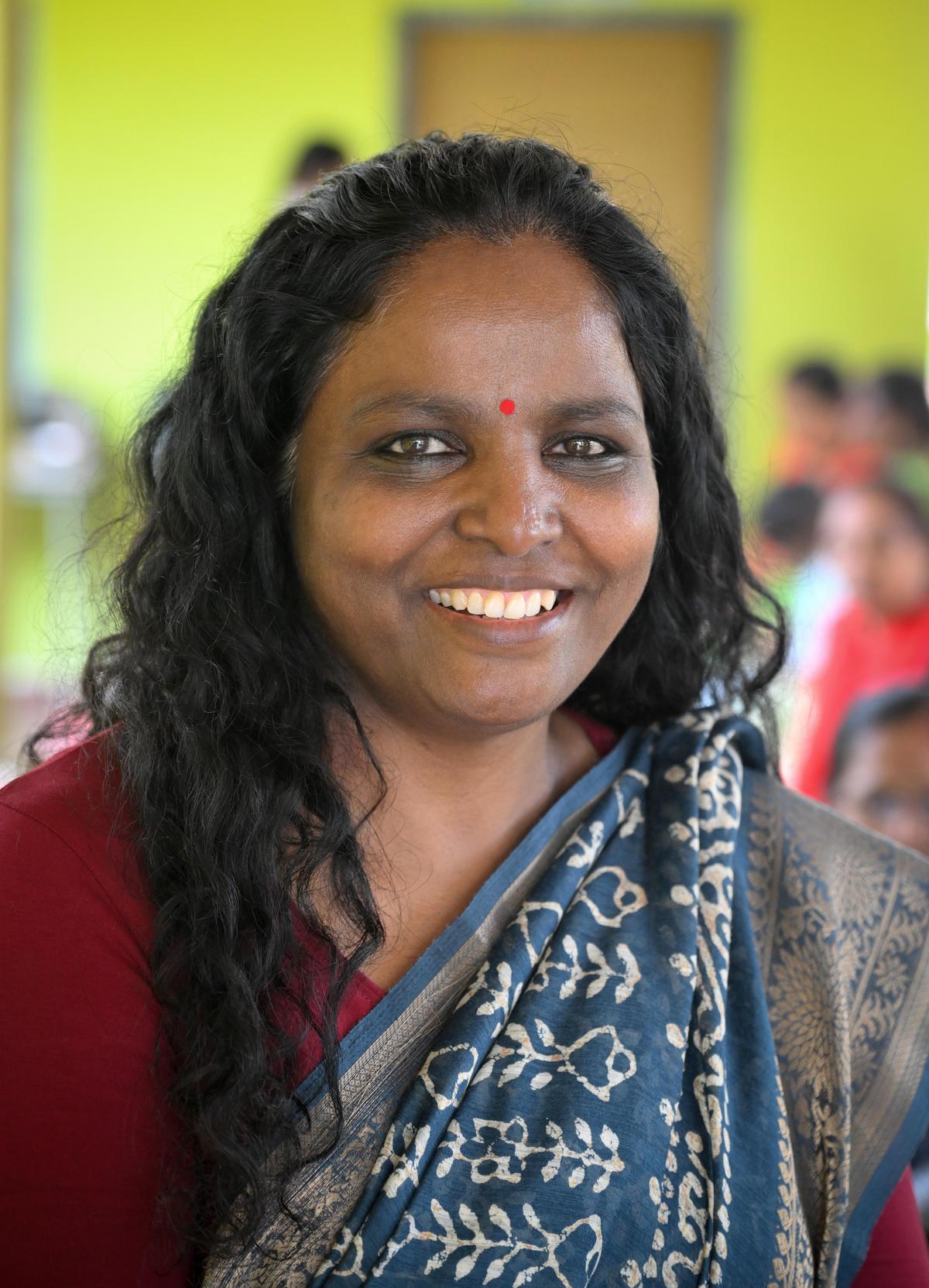
Himanshu Kapoor, Nutritionist and Lead Trainer, views the programme through the lens of cultural evolution. "Millets have always been part of our food culture," Kapoor explains. "What has changed is the way we consume food. So the approach has to change as well. We are helping women understand how to translate nutrition into something people will buy every day." Kapoor’s methodology combines technical precision—measuring ingredients to ensure commercial consistency—with an understanding of local palates.
Vishala Reddy, Founder of Millet Bank and VISV, places the project within a broader historical and systemic context. "India had a home-level food system that was self-sustained. There was seed saving, local processing, and community markets. That structure has weakened over time," Reddy notes. "Our goal is to help rural women build livelihoods through micro-enterprises. We are trying to restore that community-level structure while making it viable for the modern market."

Reddy further highlights the "Power of Pairing" strategy. By combining millets with popular items like coffee, mango, and coconut, the programme creates entry points for consumers who might otherwise be hesitant to try millet-based foods.
Implications: Building a Resilient Future
The implications of this programme extend far beyond the individual success of the 400 trained women. It represents a systemic shift in how rural development is approached in India.
1. Nutritional Security and Public Health
By bringing millets back to the "center of the plate," the initiative addresses the growing double burden of malnutrition and lifestyle diseases (like diabetes) in both rural and urban areas. The fermented ragi java milkshakes and foxtail millet salads being taught in Pendurthi offer low-glycemic, high-protein alternatives to processed snacks.
2. Climate Resilience and Sustainable Agriculture
As water scarcity becomes an increasing threat to Indian agriculture, the promotion of millets offers a sustainable path forward. By creating a reliable market through these women-led carts and cafés, the government ensures that farmers have an incentive to grow these hardy grains, thereby preserving biodiversity and soil health.
3. The "Lakhpati Didi" Economic Model
The transition from a Self-Help Group member to a Micro-Entrepreneur is a critical step in the NRLM’s mission. By providing "plug-and-play" infrastructure (the carts), the programme reduces the capital risk for first-generation entrepreneurs. This model, if scaled successfully, could serve as a national template for rural poverty elimination.
4. Restoration of Local Value Chains
The project envisions a circular economy where waste is reused, seeds are saved locally, and processing happens within the community. The planned integrated training center and model café in Pendurthi are designed to be the "hubs" of these local networks, providing a space for networking, sourcing, and customer engagement.
Conclusion: A Quiet Revolution in the Training Hall
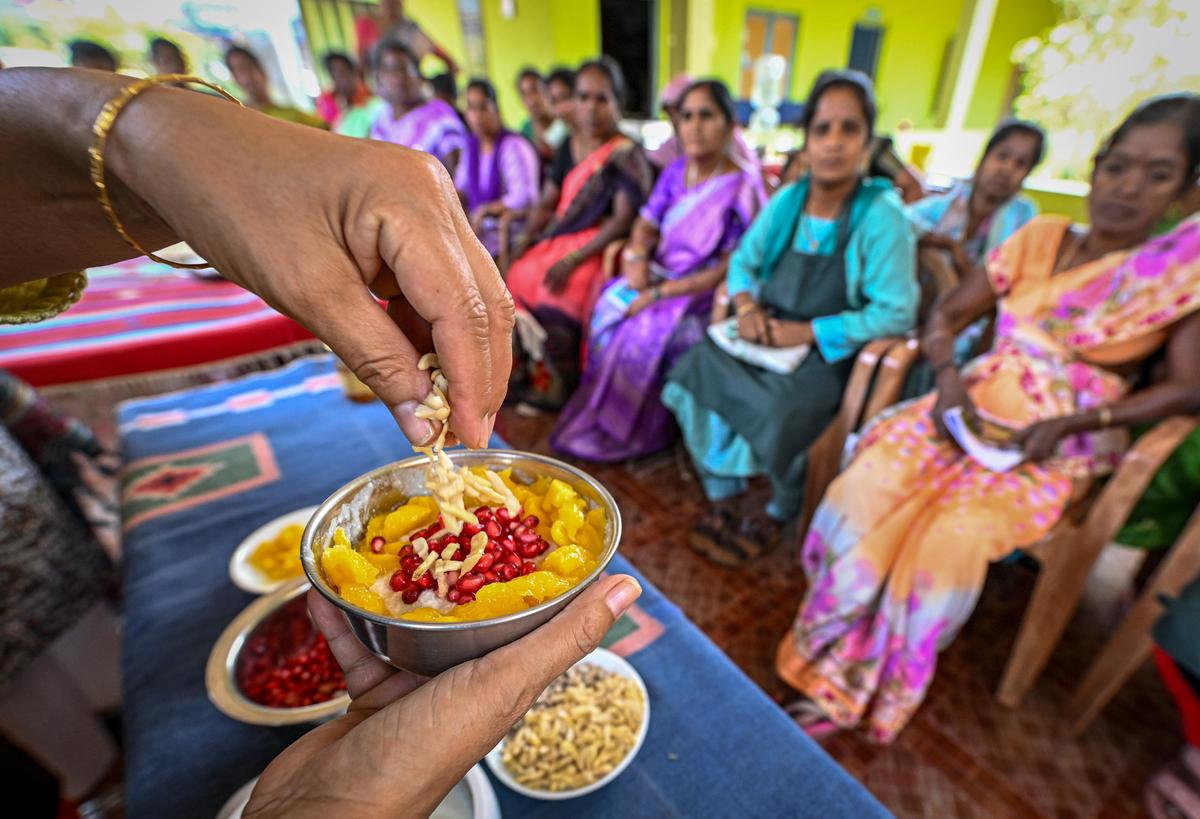
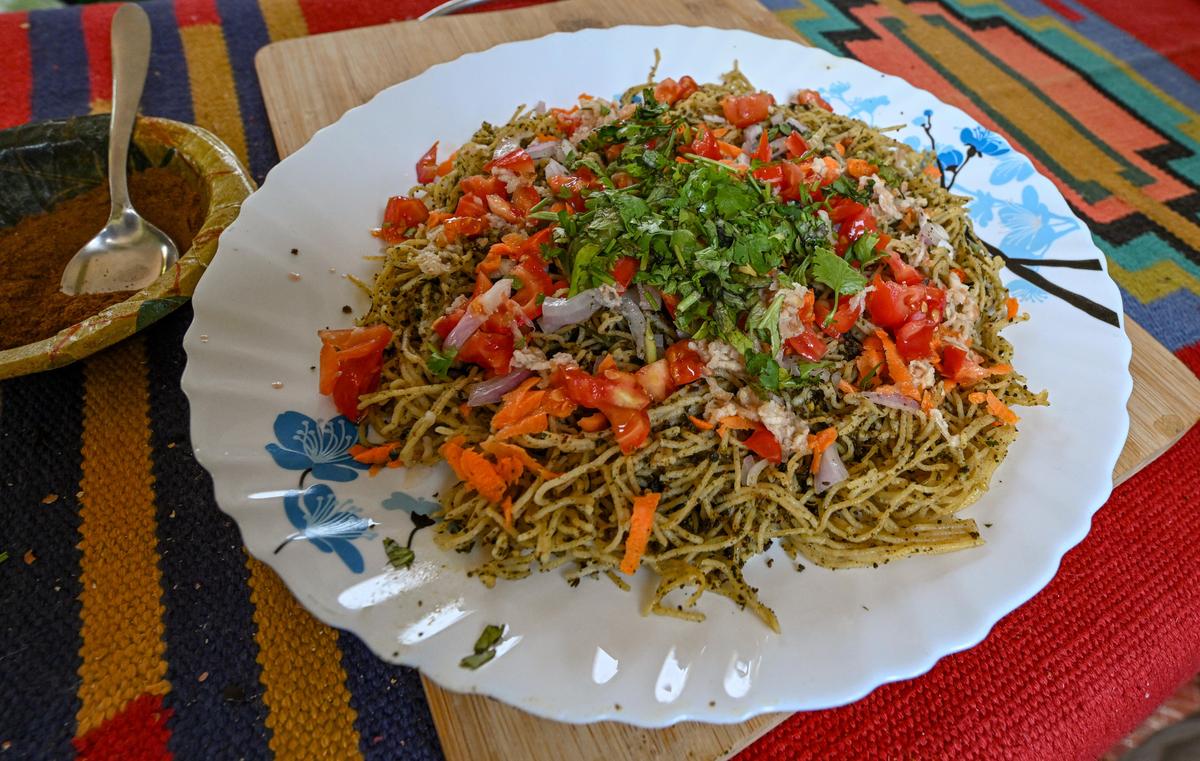
As the session in Pendurthi draws to a close, the participants gather to taste their creations—foxtail millet salad garnished with pomegranate and ginger juice, and steaming bowls of jowar noodles. There is a palpable sense of shift; the conversation has moved from the struggle of subsistence to the strategy of sales.
The ambition of the Andhra Pradesh government and its partners is considerable: to create thousands of such enterprises across the state. In doing so, they are not just selling a grain; they are selling a vision of a healthier, wealthier, and more resilient rural India. For the women in the training hall, the notebook full of recipes is more than a culinary guide—it is a business plan for a new life.
