

The quintessential Indian summer, a nostalgic tapestry woven with the promise of leisure, extended holidays, and the unparalleled joy of ripe mangoes, is this year feeling the strain of an increasingly harsh climate. A relentless barrage of heatwaves has swept across the nation, pushing temperatures to alarming highs and casting a long shadow over one of India’s most cherished agricultural bounties: the mango.
For generations, the arrival of summer in India has been synonymous with a symphony of sensory delights. The anticipation of school holidays, the comforting embrace of grandparents’ homes, the boisterous camaraderie of cousins and friends, the soulful indulgence in rich, home-cooked meals, and the pervasive, sweet perfume of ripening mangoes – these are the indelible markers of the season. However, this year, the edges of these cherished memories are frayed, dulled by the unyielding grip of extreme heat.
A Season Under Siege: The Impact of Record-Breaking Heat
Recent reports from The Hindu paint a stark picture of one of the most severe summers India has endured in recent years. Prolonged heatwaves have gripped numerous states, with temperatures routinely soaring between 35°C and a scorching 45°C, significantly breaching seasonal norms. This climatic assault has had a profound and immediate impact on the agricultural heartland, particularly in the key mango-growing regions.
Farmers, the custodians of this golden fruit, are grappling with a multitude of challenges. The intense heat has stressed mango trees, disrupting delicate flowering cycles and leading to a visible dent in expected yields. Anecdotal evidence from the ground speaks of delayed harvests, erratic flowering patterns, a significant reduction in fruit size, and the constant anxiety of unpredictable, sudden heat spikes that can decimate nascent fruit. This year, the gamble of the mango harvest feels particularly perilous.
The Ripple Effect: Chennai’s Markets Feel the Heat
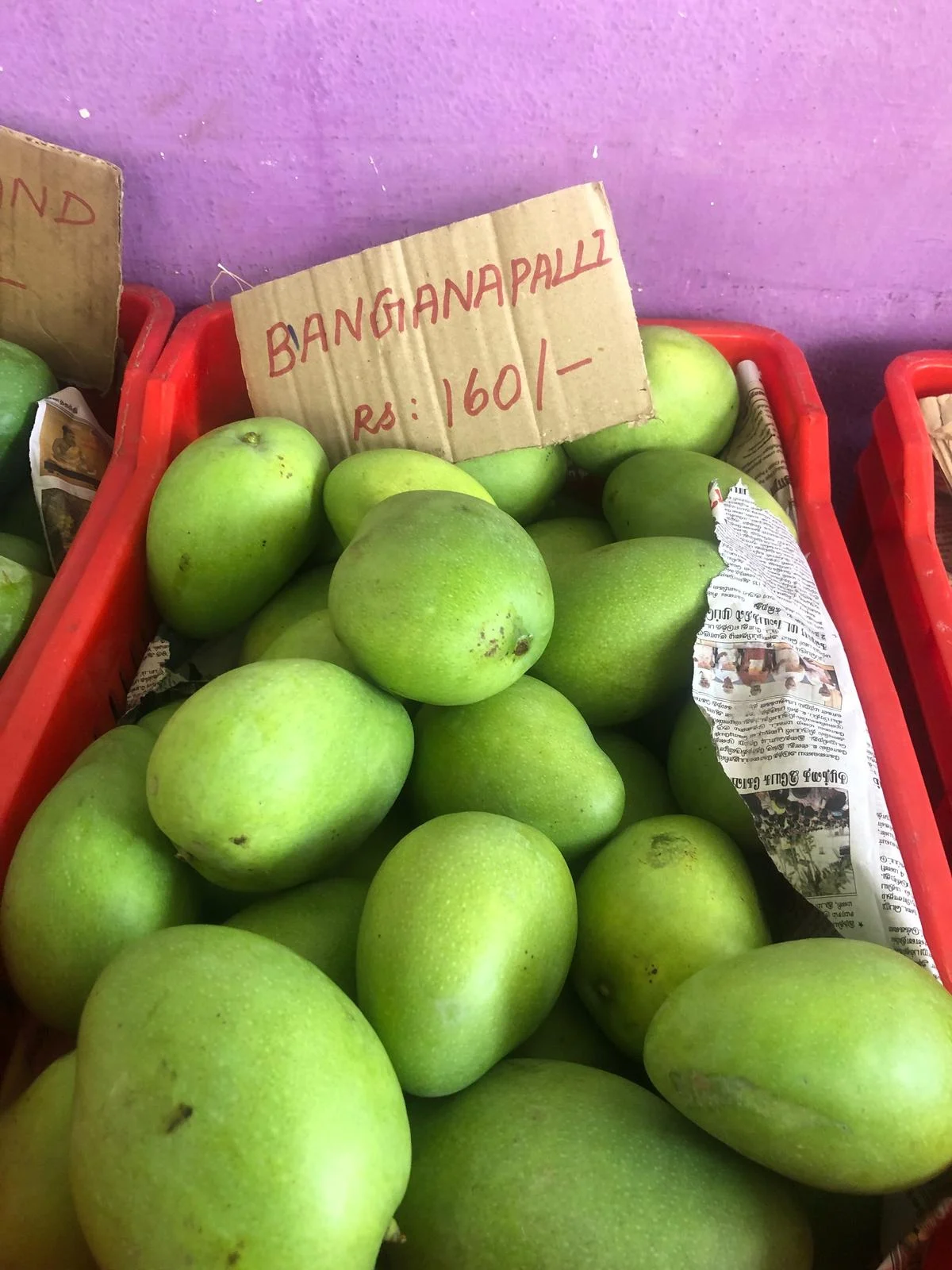
The repercussions of this agricultural turmoil are already palpable in the bustling markets of Chennai. While popular varieties like Banganapalli and Imam Pasand continue to command shelf space and consumer attention, growers and retailers alike confirm that the current season has commenced later than usual. Many farms have only begun their harvests in mid to late May, a departure from the earlier expected timelines.
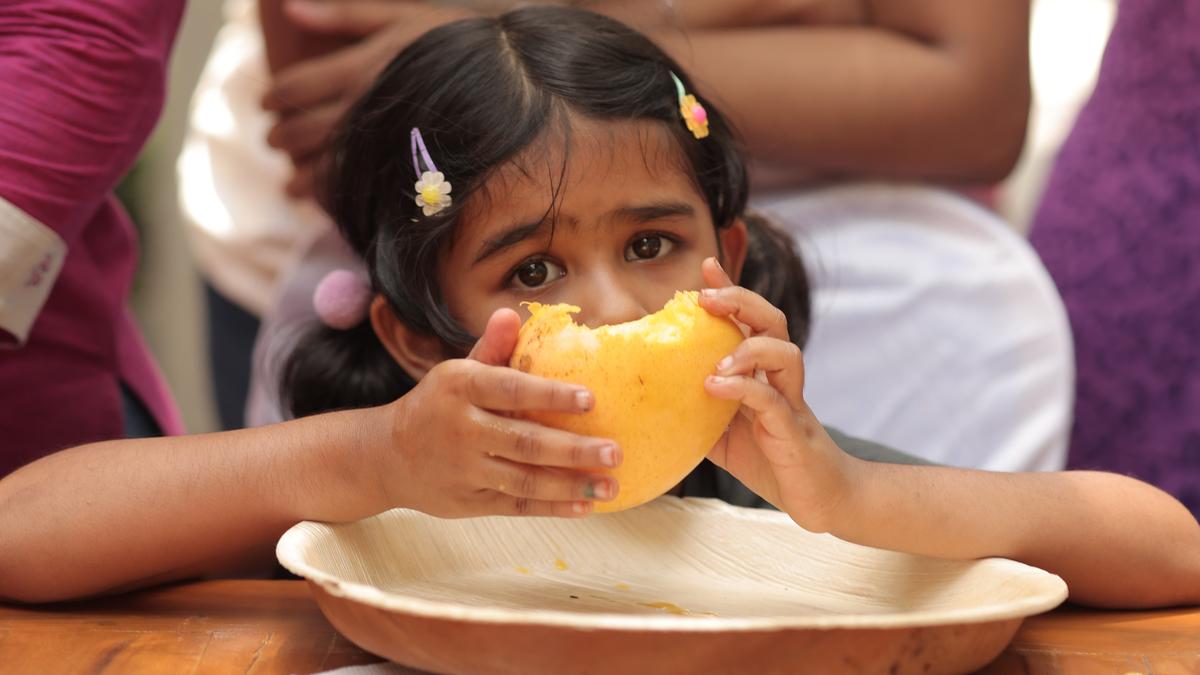
The price of mangoes remains in a state of flux. Early season offerings are currently retailing between ₹120 and ₹220 per kilogram, with the final price point dictated by the specific variety, its quality, and its origin. Sellers anticipate a stabilization of rates as arrivals improve throughout June, a period typically marked by a greater abundance of fruit.
Interestingly, the demand for raw mangoes has remained robust. This sustained interest is twofold: it’s partly a consequence of the delayed sweet mango season, prompting consumers to seek alternatives, and partly driven by the perennial annual rush for pickles, pachadis, and other traditional summer preserves that rely on the tartness of unripe fruit.
Despite the challenges, the spirit of the season endures. Across Chennai, grocery stores, roadside fruit vendors, and local farmers are diligently working to bring the taste of summer to consumers’ doorsteps. The unwavering search for the sweetest slice, a quintessential Indian summer ritual, continues, even in a year marked by climatic adversity.
Navigating the Unpredictable: Organic Farms Offer a Glimmer of Hope
As the mango season tentatively begins to unfurl, several organic farms are stepping up to offer consumers a chance to source their beloved fruit, often with a commitment to sustainable and natural practices. These farms, while not entirely immune to the climate’s vagaries, represent a dedicated effort to maintain quality and uphold traditional farming methods.
Hanu Reddy Farms: A Legacy Facing the Climate Challenge
Nestled in Othivakkam, near Guduvanchery, Hanu Reddy Raghava Farms stands as a venerable 70-year-old mango orchard, renowned for its Banganapalli variety. The farm’s saplings trace their lineage back to Kadiam in Andhra Pradesh, a testament to its deep-rooted heritage. This year, however, the farm is experiencing a delayed and significantly reduced crop.
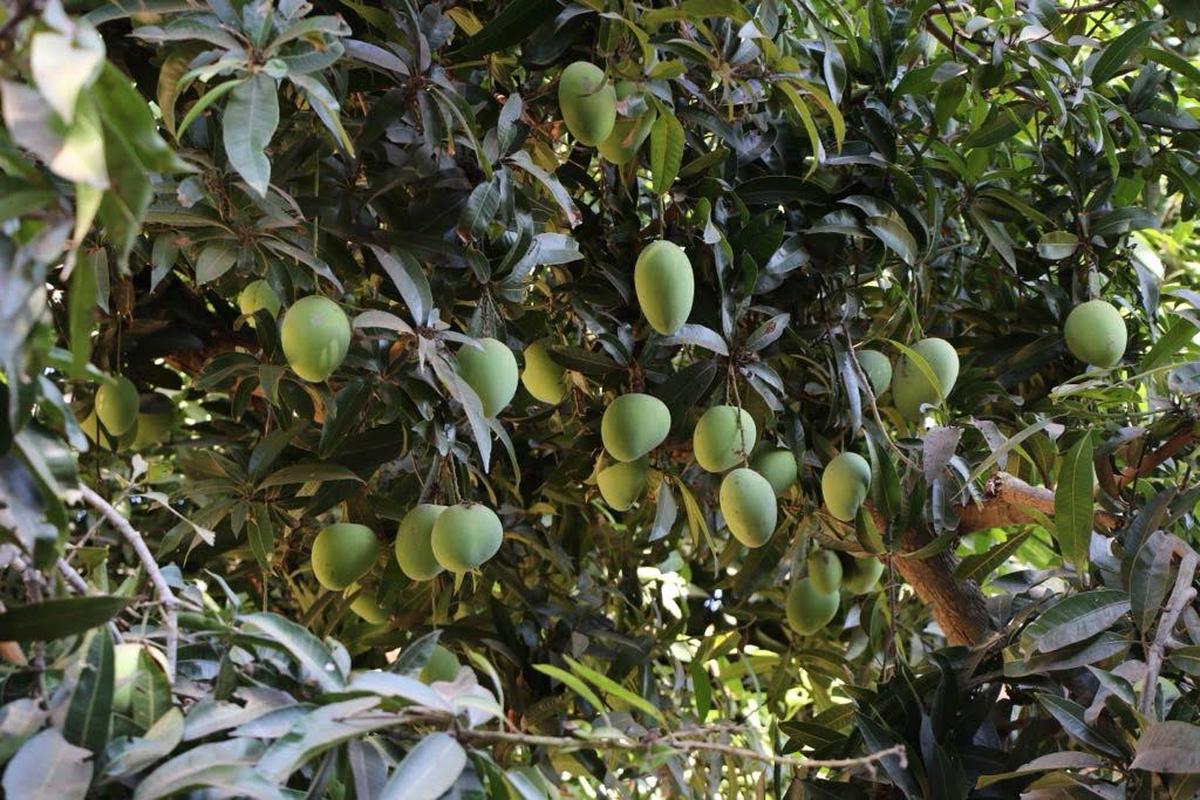
"The fruiting is not so much because of climate change. It’s not just our farm, everywhere people are saying the same thing," states Nirupama Reddy, COO of Hanu Reddy Farms. She confirms that the harvest is expected only towards the end of May, a stark indicator of the season’s altered rhythm.
What distinguishes the produce from Hanu Reddy Farms is their meticulous ripening process. "We allow the mangoes to ripen on the tree. So it’s almost 95% mature when we cut it. From the time we harvest it to when you eat, is only a three to four-day period," explains Reddy. This ensures a level of freshness and natural sweetness that is often compromised in conventionally transported fruits. The farm sells its produce through its own outlets and directly from the orchard. Orders can be placed by contacting 9884020848.
Ponfarm Organic: Resilience After Adversity
After two challenging seasons, Ponfarm Organic is anticipating a more stable year. "Last two years were very bad. We were able to harvest only about three to four tonnes," shares S Ganesh, who manages the seven-acre integrated farm with his family. Unseasonal rains and strong winds had previously disrupted flowering, leading to significant yield losses. This year, however, Ganesh reports more stable climatic conditions, with an expected yield of eight to 10 tonnes.
The farm cultivates three popular varieties: Banganapalli, Imam Pasand, and Sendhura, with Banganapalli constituting the majority of their harvest. For over a decade, Ponfarm has adhered to organic practices, employing methods such as using panchgavya (a mixture of five cow products) to deter pests and diligently monitoring their trees.
The harvesting process at Ponfarm is staggered to ensure optimal fruit quality. "We harvest daily after observing the fruits and it yields around 300 to 400 kilograms. Then, we clean and sell it directly," Ganesh elaborates. This approach also influences how the fruit is sold and consumed. "We tell customers to buy small quantities as it can be stored only for three to four days," he advises, emphasizing the natural perishability of organically grown, unadulterated fruit. To place orders, customers can reach out via WhatsApp at 9884374416. Delivery is facilitated through local delivery apps.
Organic Shandy: Navigating Unpredictability in a Pioneering Market
Founded in 1998, The Organic Shandy holds the distinction of being one of Chennai’s earliest organic marketplaces. This year’s mango season at the Shandy has been characterized by a pervasive sense of unpredictability.
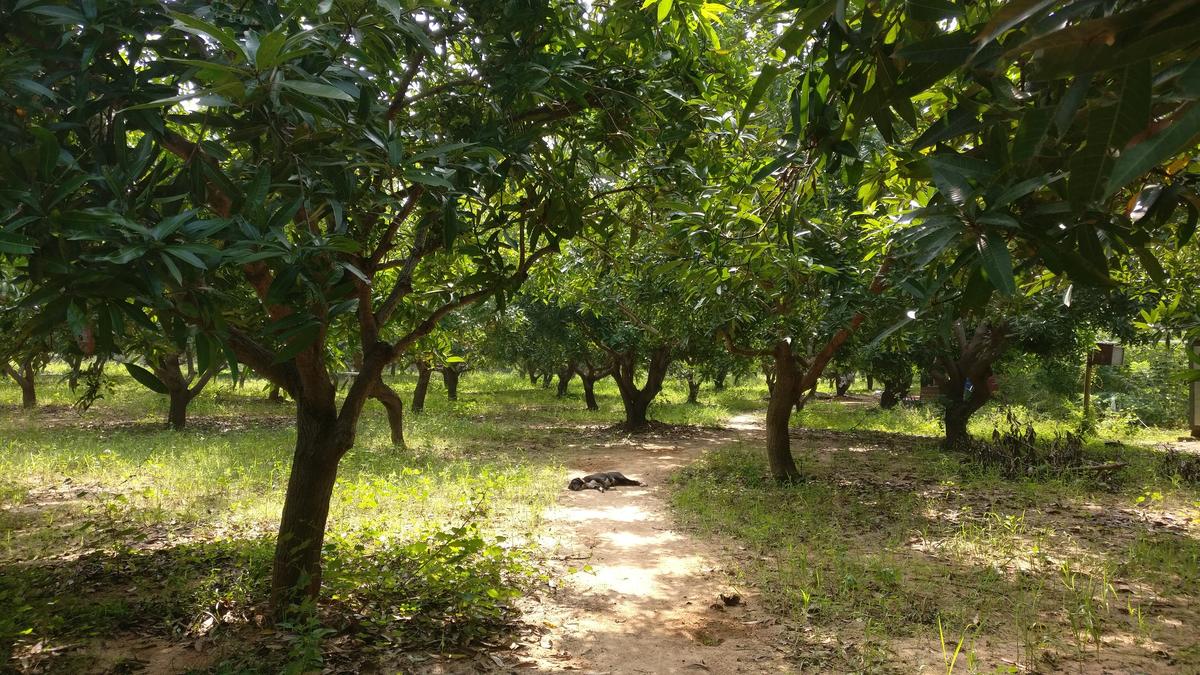
"We had some flowering even in February, then it failed. Now they are getting a new flowering, which is very strange," observes co-founder PB Murali, describing the peculiar climatic anomalies witnessed across their Punnamai Orchard in Cheyyur. This expansive 70-acre orchard houses over 6,000 trees, currently bearing varieties such as Alphonso, Banganapalli, Imam Pasand, and a limited quantity of Rumani.
Despite consistently adhering to their long-standing organic farming practices, Murali highlights that the challenges this year cannot be attributed to a single factor. Currently, only a fraction of the trees are in bloom, a testament to the disrupted natural cycles. Beyond the farm gate, Murali points to deeper systemic issues within the agricultural ecosystem. "We do not have a national mango board in India and there is no wholesaler for organic produce," he laments, noting that organic farmers are often left to shoulder the dual responsibilities of production and distribution independently. At Organic Shandy, prices are anticipated to stabilize between ₹70 and ₹100 per kilogram during the peak season. Mangoes can be purchased directly from The Organic Shandy store in Mylapore.
Cholayil Farm: A Diverse Offering Amidst Shifting Cycles
At Cholayil Farm to Table, variety is the defining characteristic of their mango season. Sprawling across 90 acres with over 2,000 trees, the farm cultivates an impressive array of nearly 20 types of mangoes. This includes popular varieties like Imam Pasand, Malgova, Neelam, and Kalapadi, alongside rarer and region-specific types such as Suvarnarekha.
"We have varieties from all across India. People are more willing now to try different types than just Banganapalli," remarks co-founder Susmera Cholayil, highlighting a growing consumer interest in exploring the diverse mango landscape of India. While many farms are reporting delays this year, Cholayil notes that their own harvest cycle has always been somewhat offset. "We always anticipate starting only mid-May to end-May," she states, adding that their season typically extends well into August, providing a longer window of availability.
The farm operates under fully organic practices, utilizing a blend of natural inputs like panchagavya, neem-based solutions, and bio-compost. "Because we don’t use pesticides or chemical fertilisers to speed up the process, there is that natural delay," Susmera explains. Following crop losses incurred during a cyclone two years ago, this year is expected to be more stable. "We didn’t have that kind of damage this time, so we are expecting a better yield than last year," she expresses with cautious optimism. Mangoes are available at their Anna Nagar store at J Block, Anna Nagar East, and are delivered across the city through local delivery apps.
Organic Farmers Market (OFM): A Fragmented Yet Enduring Supply
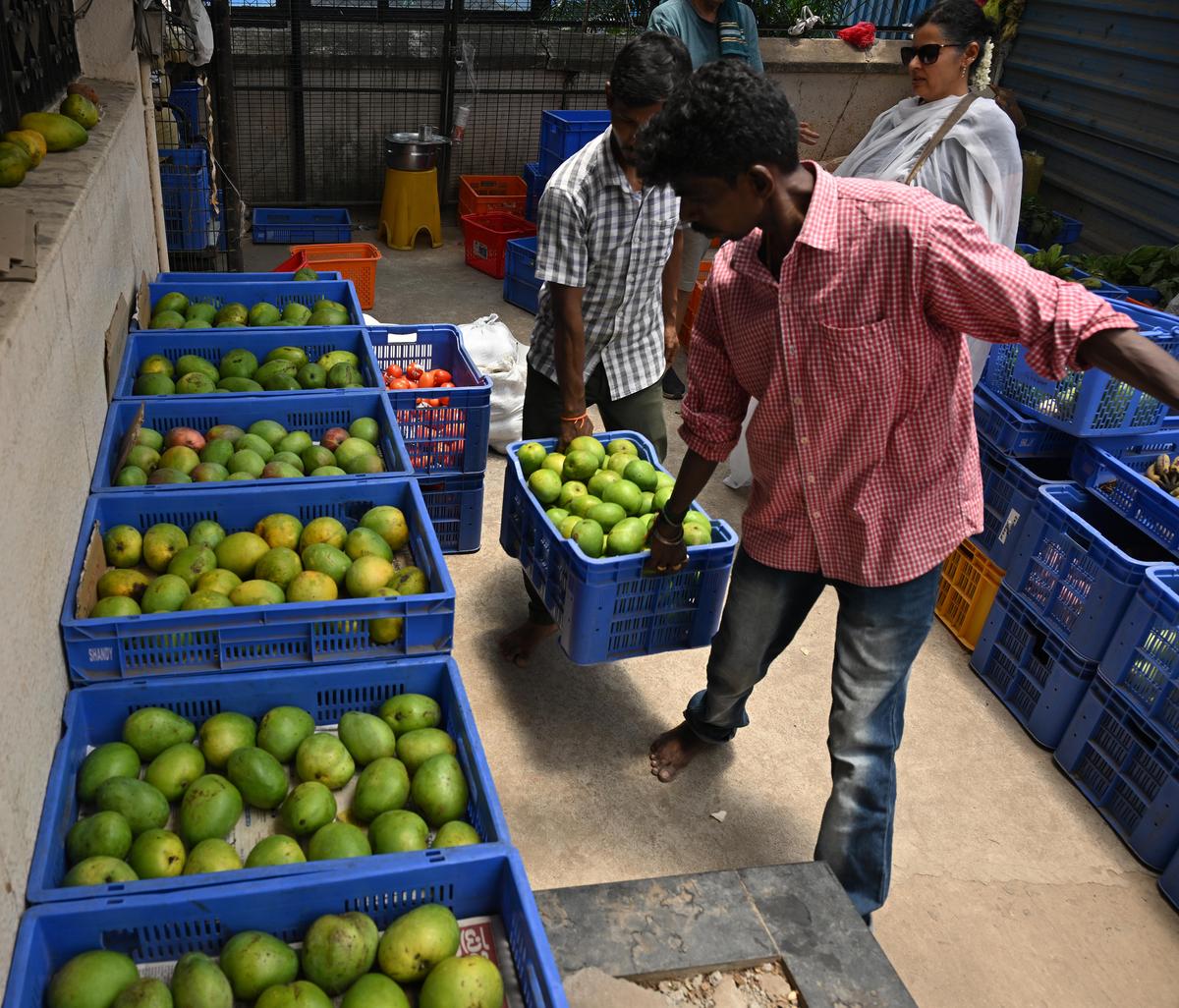
At the Organic Farmers Market (OFM), the mango season arrives in a mosaic of offerings, sourced from different farms, adhering to varying timelines, and presenting a steady rotation of varieties throughout the weeks. Their shelves typically showcase Banganapalli, Imam Pasand, Alphonso, and Sendhura, alongside native, less common varieties such as Kalapadi and Jawari, depending on the supply from individual farmers. As a market that aggregates produce from multiple sources, OFM predominantly stocks mature, unripe mangoes rather than fully tree-ripened fruit.
"Transporting a ripened mango is very difficult, so we ask farmers to send mature mangoes and customers can control the ripening at home," explains the market representative. He emphasizes that the ripening process at home requires care. "The sap should not remain and needs to be cleaned properly," he advises. Simple, time-tested methods remain the most effective at home: wrapping the fruit in paper or cloth, or placing it alongside bananas to accelerate ripening. "We have to unlearn that everything has to look perfect. That’s not how Nature works," he philosophizes, advocating for a more natural and less manufactured approach to fruit consumption. Mangoes are available at the OFM store in Adyar and OFM markets across the city. Consumers can check for locations near them by visiting ofmtn.in.
A Call for Resilience and Adaptation
The challenges posed by the extreme heat this summer underscore a critical need for greater climate resilience within India’s agricultural sector. The disruptions to the mango season serve as a potent reminder of the vulnerabilities inherent in relying on traditional agricultural cycles that are increasingly being tested by a changing climate. While organic farms are demonstrating admirable dedication to natural practices, the broader implications extend to policy, infrastructure, and consumer awareness.
The absence of a dedicated national mango board and a centralized wholesale market for organic produce, as highlighted by Organic Shandy, points to structural gaps that hinder efficient distribution and support for farmers. Addressing these systemic issues, alongside promoting climate-smart agricultural practices and investing in research for heat-resistant mango varieties, will be crucial in safeguarding the future of this beloved fruit and the livelihoods of those who cultivate it.

As consumers, a renewed appreciation for the journey of our food, from farm to table, is perhaps more important than ever. Understanding the challenges faced by farmers and embracing the inherent variability of nature can lead to a more conscious and appreciative consumption of seasonal produce. Even in a summer marked by unprecedented heat, the enduring allure of the mango continues to inspire hope and a shared anticipation for the sweet taste of resilience.
