

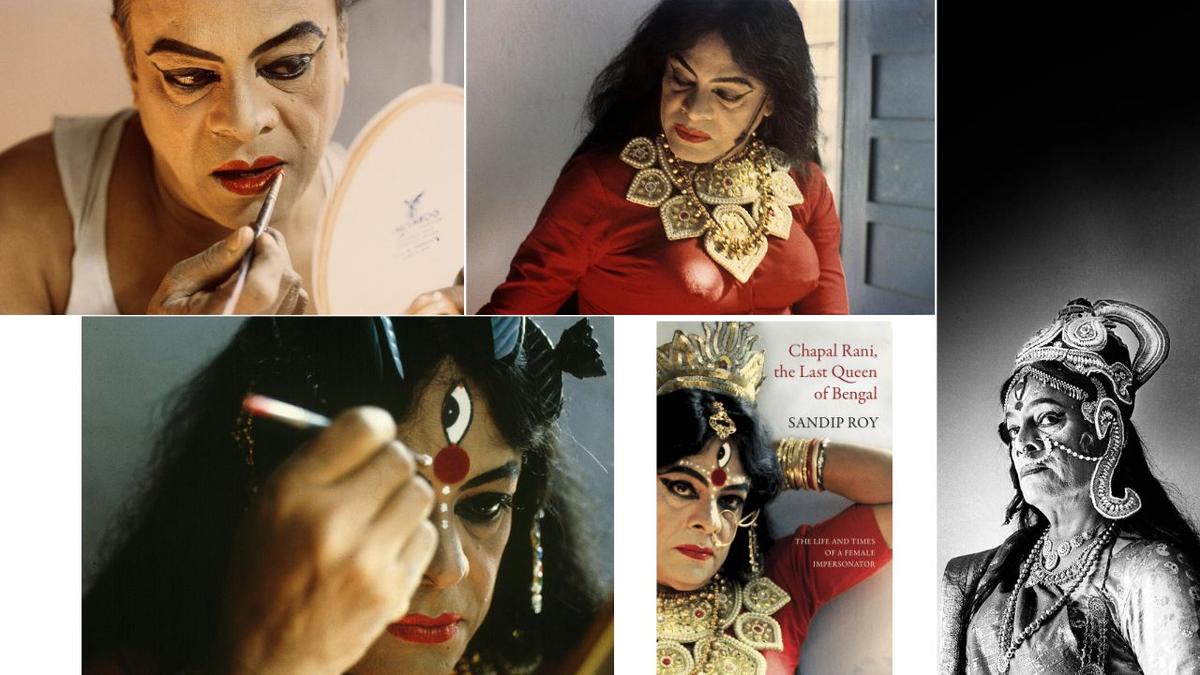
In the quiet, rhythmic domesticity of a North Kolkata kitchen, a legend of the Bengali jatra folk theatre once found a different kind of spotlight. Chapal Bhaduri, known to his adoring public as "Chapal Rani"—the last iconic female impersonator of a fading theatrical tradition—did not spend his childhood playing roughly with the neighborhood boys. Instead, he was drawn to the "quiet choreography of care" found within the four walls of his mother’s kitchen. This intersection of performance, gender fluidity, and culinary inheritance forms the cornerstone of a burgeoning literary and cultural movement: the recognition of queer food as a lived experience and a radical act of self-assertion.
With the release of Sandip Roy’s biography, Chapal Rani: The Last Queen of Bengal (Seagull Books), the discourse surrounding food in the LGBTQ+ community has shifted. It is no longer merely about what is on the plate, but about how the act of cooking serves as a vessel for identity, longing, and the preservation of histories that society often attempts to erase.
Main Facts: Food as a Living Archive of Queer Identity
The central premise of the modern queer food narrative is that food is not just a cuisine, but a methodology for understanding identity. In the case of Chapal Bhaduri, food was his primary inheritance. As Sandip Roy notes, Chapal serves as the "living archive" and the final custodian of his mother’s recipes. For a man who spent his professional life performing femininity on the jatra stage, the kitchen became a private extension of that performance.
Key facts regarding this cultural shift include:
- The Domestic as Performance: For historical queer figures like Bhaduri, domestic roles—cooking, feeding, and caring—were a way to live out a gender identity that the language of their time (the mid-20th century) could not yet define.
- The Rise of Queer Food Literature: From landmark biographies like John Birdsall’s The Man Who Ate Too Much to contemporary works by Gurdeep Loyal and Suvir Saran, a new genre of writing is placing queerness at the center of culinary history rather than the margins.
- The Potluck as Sanctuary: For the Indian diaspora in the late 90s and early 2000s, food served as the only intersection where one could be both "Desi" and "Queer" simultaneously, creating a safe space for dual identities to merge.
- Reclaiming Public Spaces: In modern India, restaurants like Depot 48 in Delhi are moving beyond private kitchens to create public platforms where drag culture, classical music, and radical joy coexist.
Chronology: From Folk Theatre to Global Gastronomy
The evolution of queer food narratives follows a timeline that moves from the shadows of traditional performance to the bright lights of global culinary awards.
The Era of the Jatra (Mid-20th Century)
In the traditional Bengali jatra, female roles were played by men. Chapal Bhaduri rose to fame as Chapal Rani, embodying a heightened, theatrical femininity. Off-stage, his life mirrored this performance in his mother’s kitchen. Without the modern vocabulary of "gay" or "queer," Bhaduri lived his identity through the "stirring pot and the clink of bangles against a chopping blade." His sister would often tease him that his cooking—such as his savory papaya halwa—was as "over the top" as his stage performances.
The Diaspora and the Potluck (1990s – Early 2000s)
As Indian students and professionals moved to the West, food became a tool for survival. Sandip Roy recalls that in the U.S. during this period, queer Indian gatherings centered around food. These potlucks were essential because they bridged a gap: in a gay bar, one was simply "queer," and at a traditional Diwali party, one was simply "Indian." The potluck allowed for the existence of the "Queer Desi."
The Literary Turning Point (2020 – 2023)
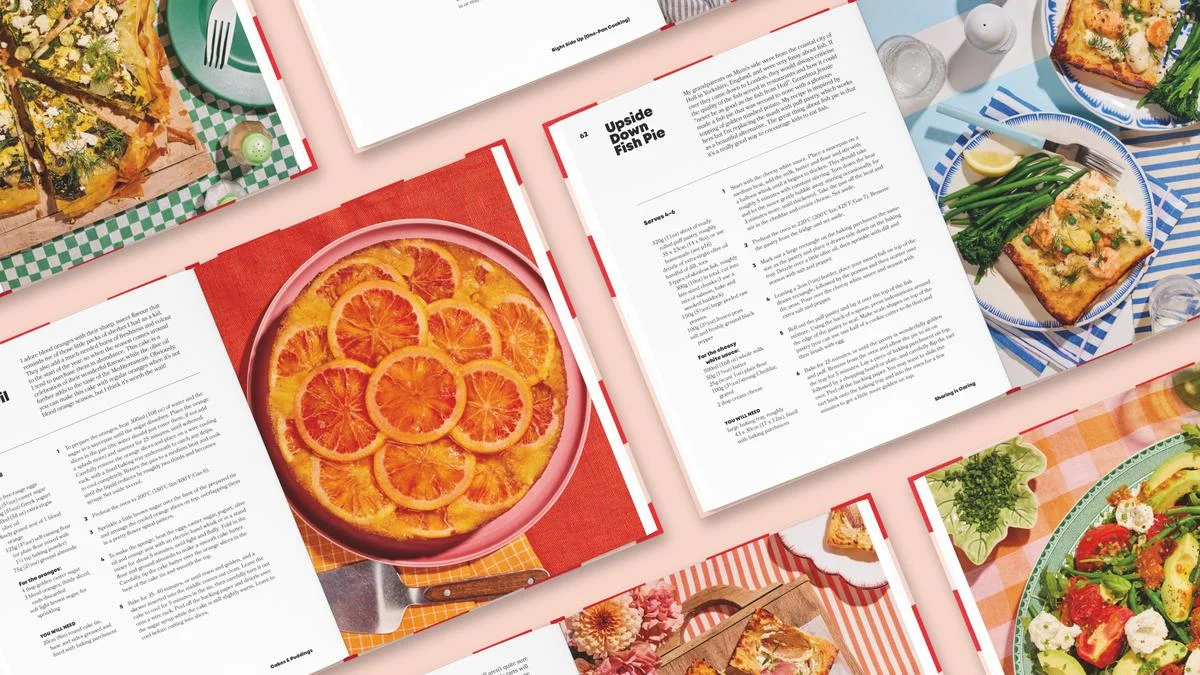
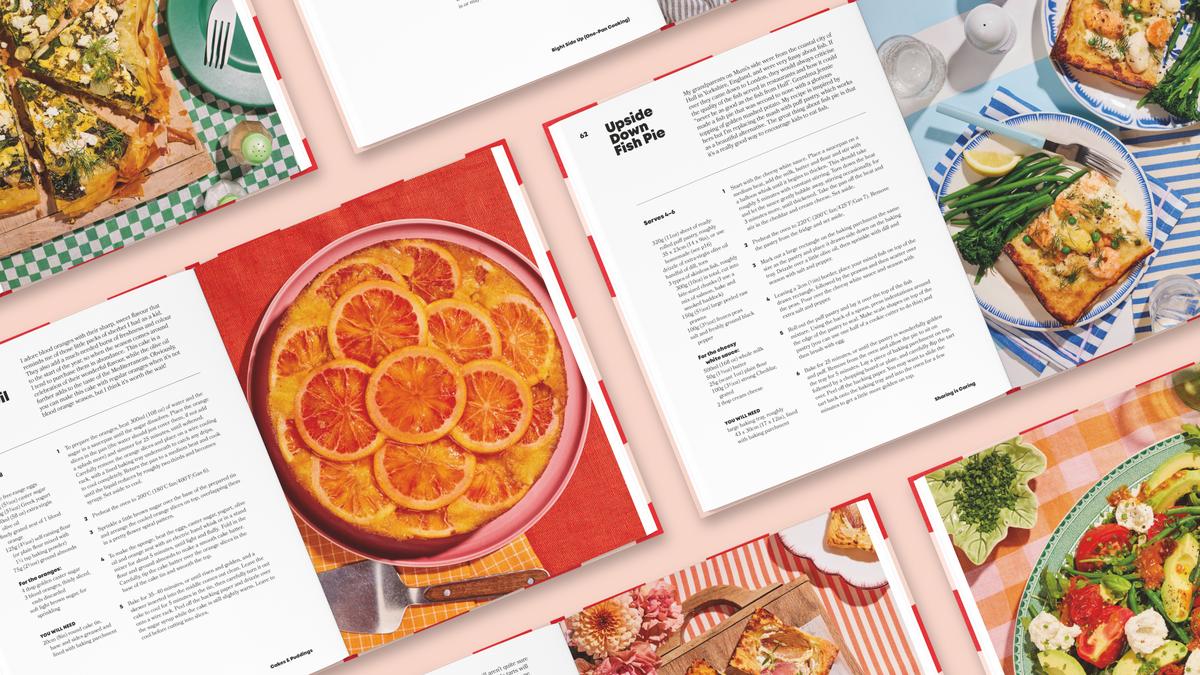
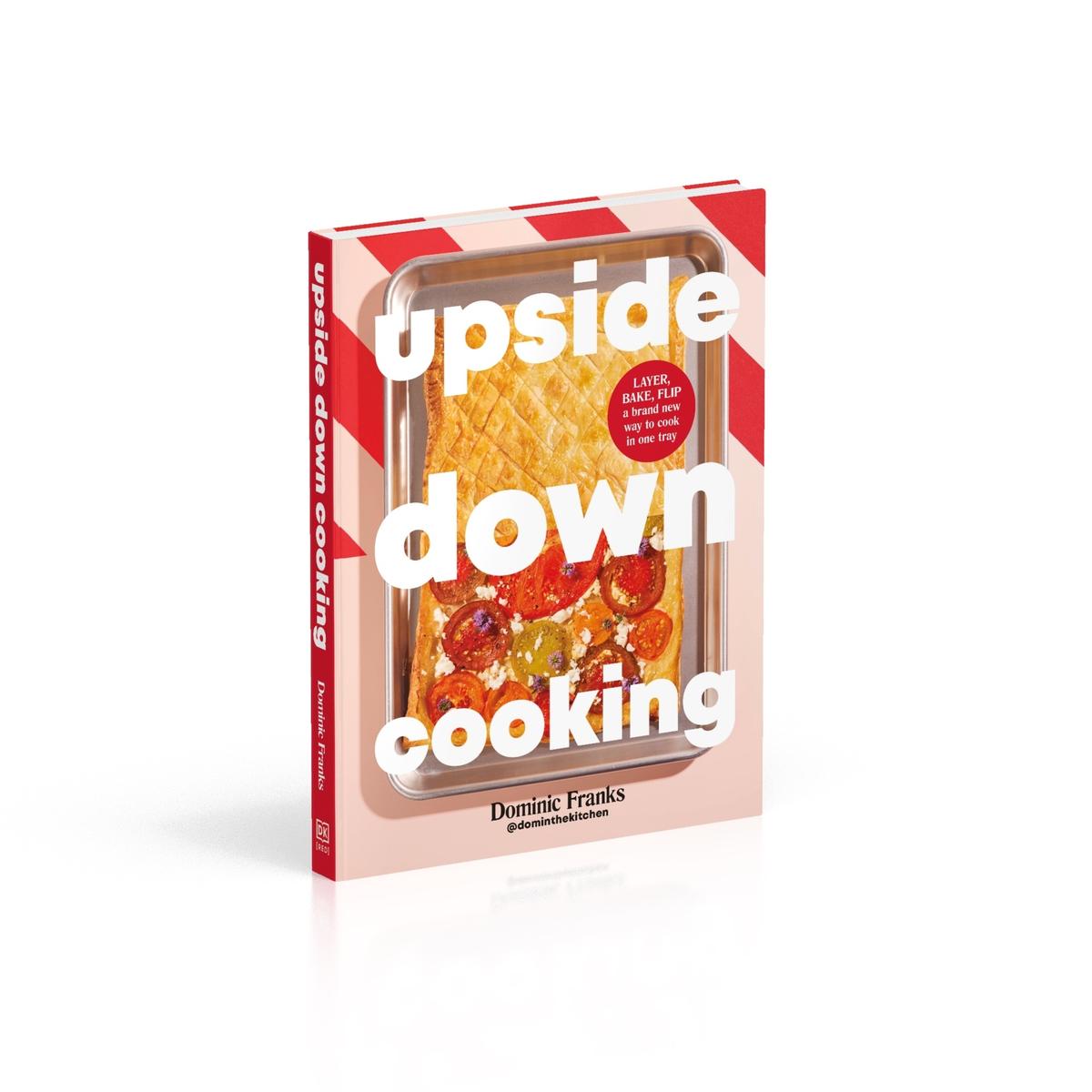
The publication of The Man Who Ate Too Much (2020) by John Birdsall redefined the genre. By exploring the life of James Beard—the "father of American gastronomy"—Birdsall revealed how Beard’s secrecy, loneliness, and queerness were inseparable from his culinary legacy. This opened the floodgates for writers like Gurdeep Loyal (Mother Tongue, 2023) and Dominic Franks (Upside Down Cooking, 2025) to use food as a tool for "excavating selfhood."
The Present Day (2024 – 2025)
The movement has come full circle back to India. New works, such as Suvir Saran’s upcoming Tell My Mother I Like Boys (2025), and the inclusion of chapters like "Achāri Anecdotes" in academic texts, show that the Indian queer community is finally documenting its relationship with the kitchen as a space of radical joy.
Supporting Data: The Flavors of Resistance
Queer food is often characterized by a "reimagining" of tradition. This is evidenced by the specific dishes and culinary styles that have emerged from these narratives:
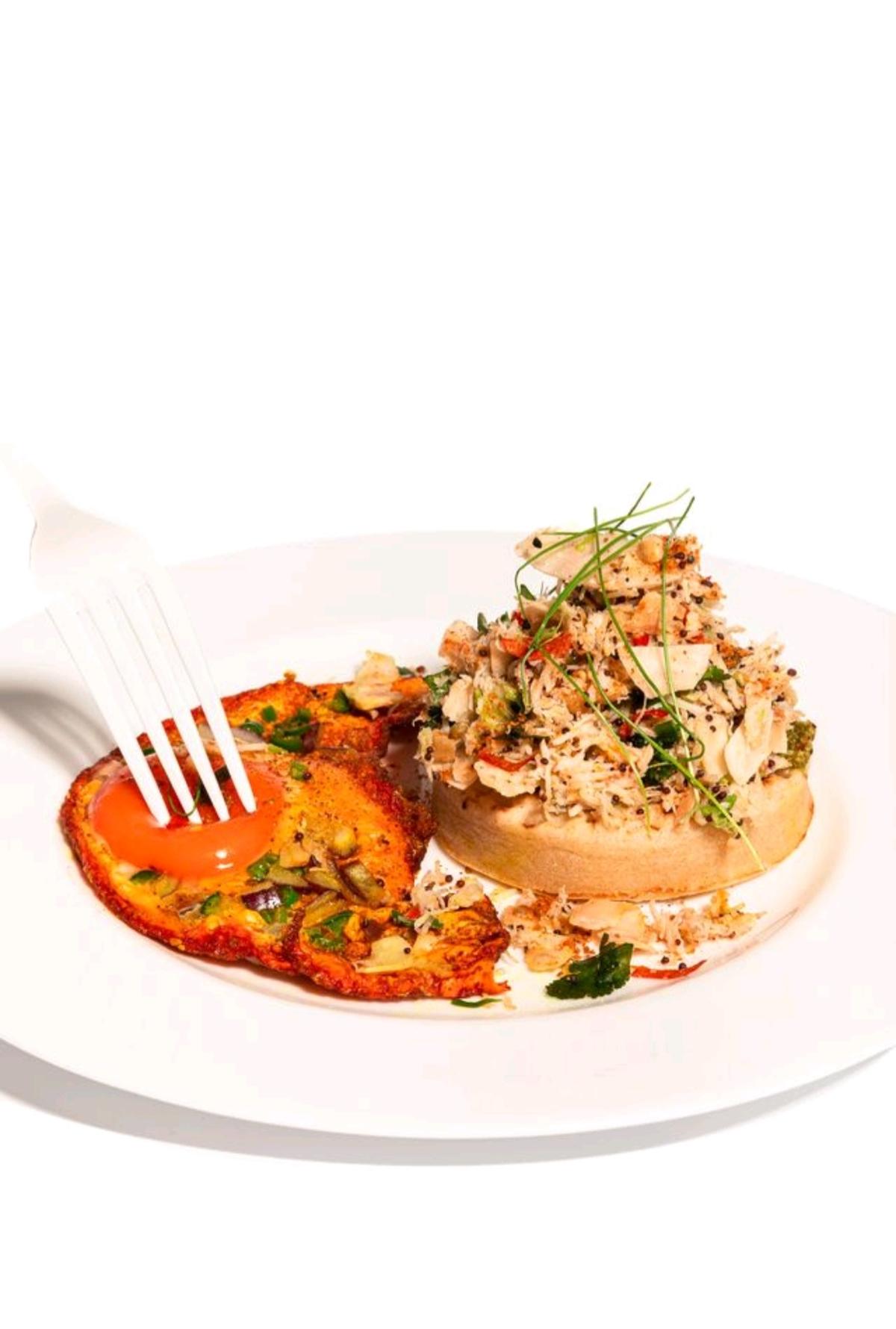
- Hybridity and Indulgence: Gurdeep Loyal’s recipes, such as Miso Masala Fried Chicken and Coconut Crab Crumpets, represent a "brave indulgence." They reject narratives of shame, allowing British and Indian identities to coexist fully.
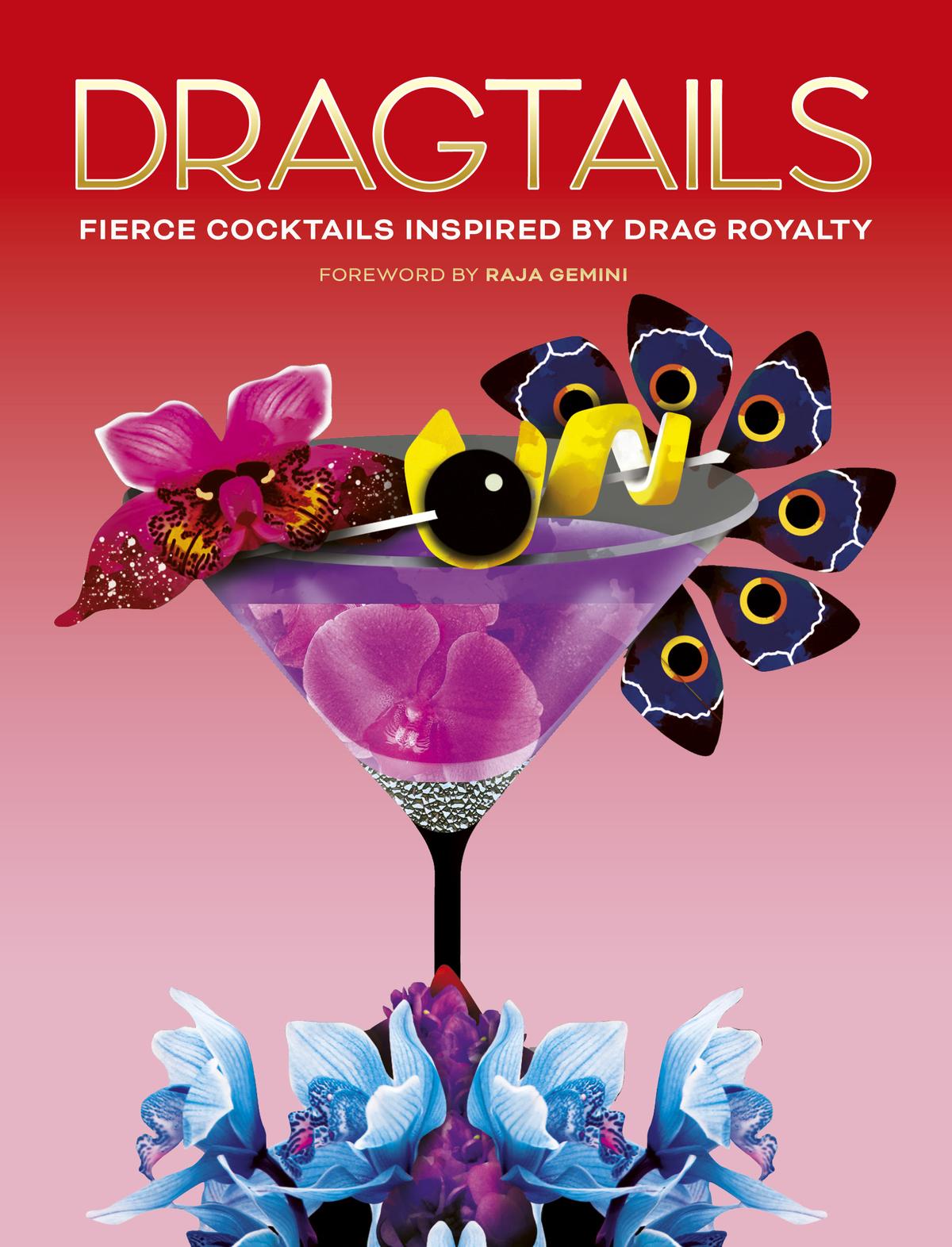
- Theatrical Mixology: The book Dragtails (2023) treats cocktails as performance art. The "Grand Maha-Raja"—a mix of sambuca, Grand Marnier, brandy, and lemonade—is cited as a tool to take a performance to "another level of elegance."
- Challenging Orthodoxy: In Kolkata, the dish "Paneer Rituparno" serves as a playful homage to the late queer filmmaker Rituparno Ghosh, intentionally blurring the lines of culinary "purity" and tradition.
- Domestic Archiving: In Roy’s biography of Chapal Rani, the inclusion of "homespun" recipes like macchhi mulo (fish with radish) and mixed achaar serves to document a life that was lived without formal labels but with immense emotional depth.
Official Responses: Voices from the Community
The significance of this movement is best articulated by the writers and chefs who are currently shaping it.
Sandip Roy, Author:
"Chapal is the living archive and the last custodian of the recipes his mother made. Including recipes in Chapal’s story was an organic way to tell his life. He didn’t have the language we have now—of queer food or being gay—but he lived it."
Vikram Doctor, Food Writer:
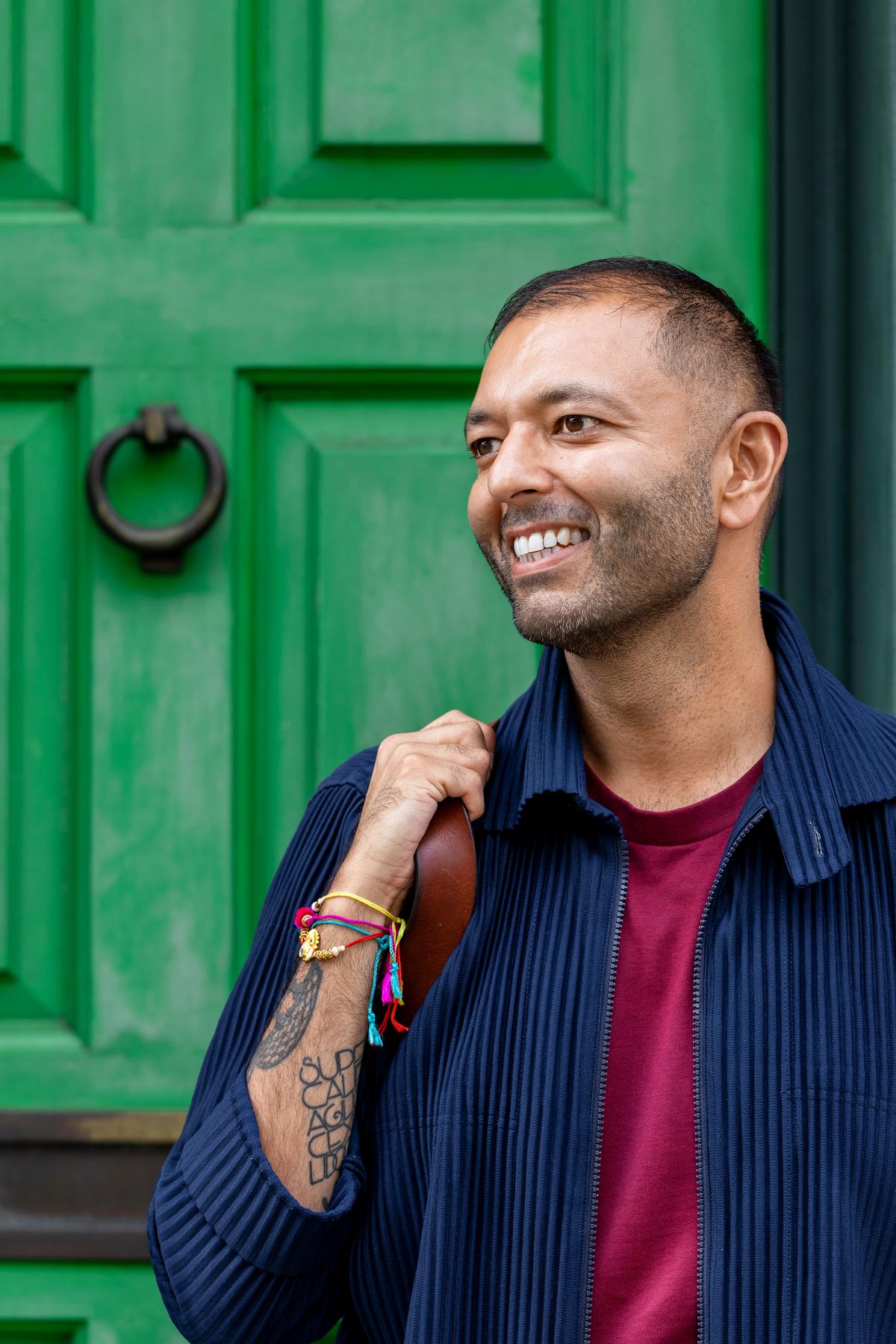
"Food has always been a binding force for the queer community, in India and elsewhere. Queer food books would be a valuable addition in reflecting that."
Gurdeep Loyal, Food Writer:
Loyal describes his culinary approach as "liberated from narratives of shame and self-denial," emphasizing that the kitchen is a place where one can finally be whole.
Suvir Saran, Chef and Author:
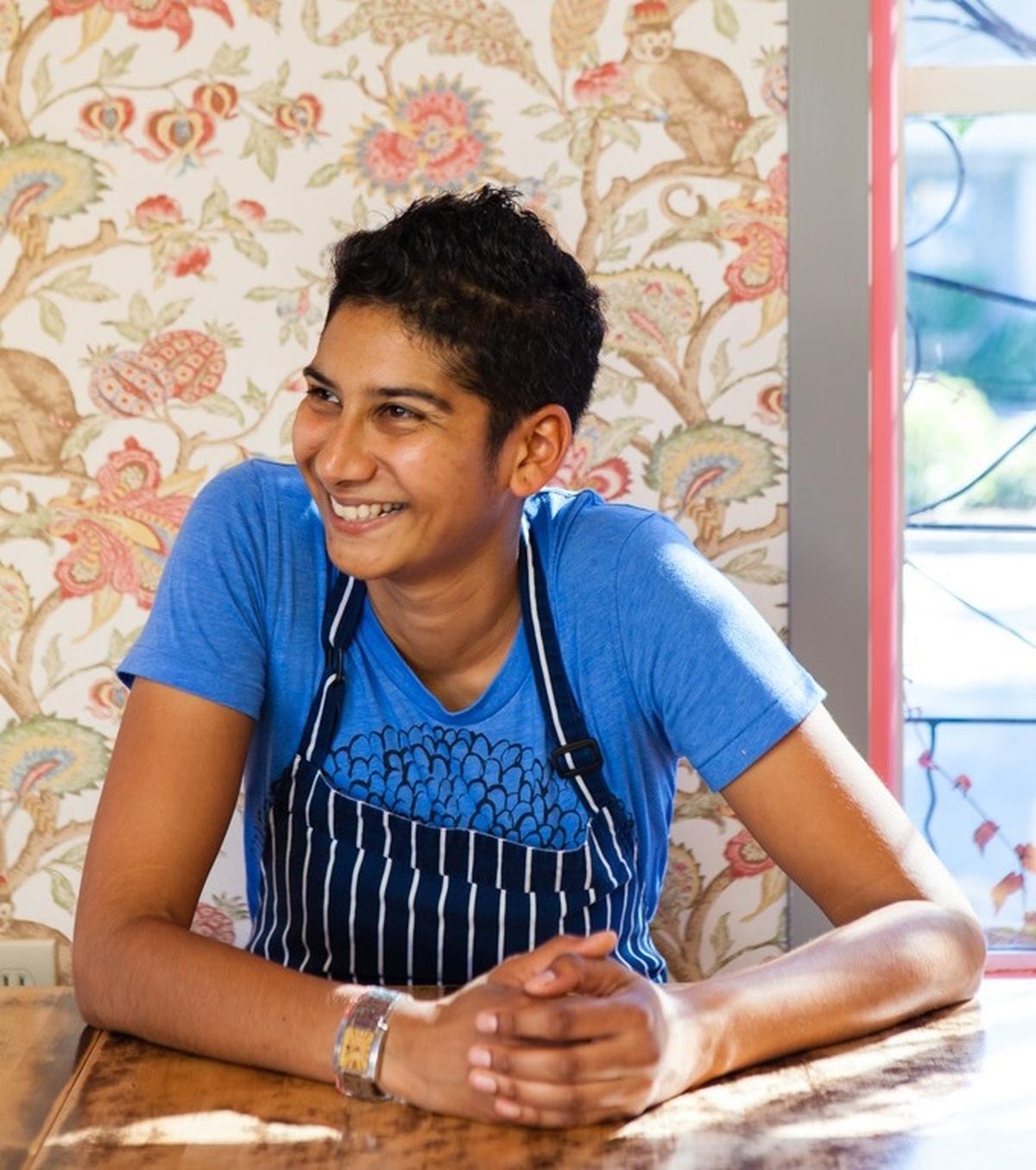
"The Indian queer community wasn’t thinking about queerness and food; we were living, breathing, and bound by food. [As a student], I was borrowing my mother’s ikebana skills… long before I had the language to call it queer aesthetics."
Vicky Narula, Co-founder of Depot 48:
"We are reclaiming the kitchen as a space of radical joy. Indian queer food books [will] be a great add-on to queer literature."
Implications: Reimagining the Indian Kitchen
The emergence of queer food narratives carries profound implications for the future of Indian sociology and culinary arts.
1. The Deconstruction of the "Traditional" Kitchen
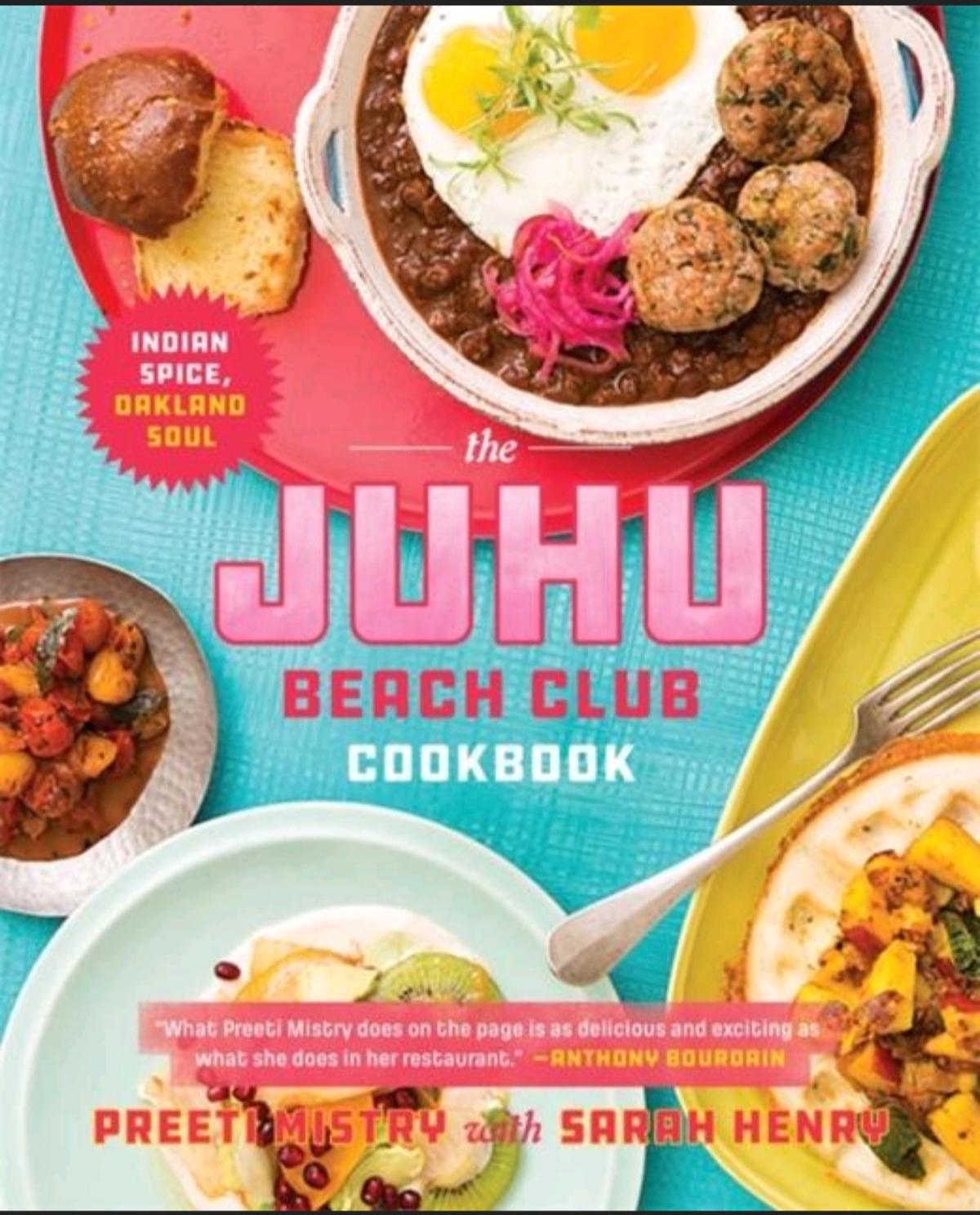
For decades, the Indian kitchen has been viewed through the lens of caste-based purity or traditional patriarchal structures (where women cook but men are the "professional" chefs). Queer narratives challenge this by introducing the "feminized man" or the "assertive queer chef" (like Preeti Mistry), who redefines who gets to lead in a culinary space.
2. Visibility and Mental Health
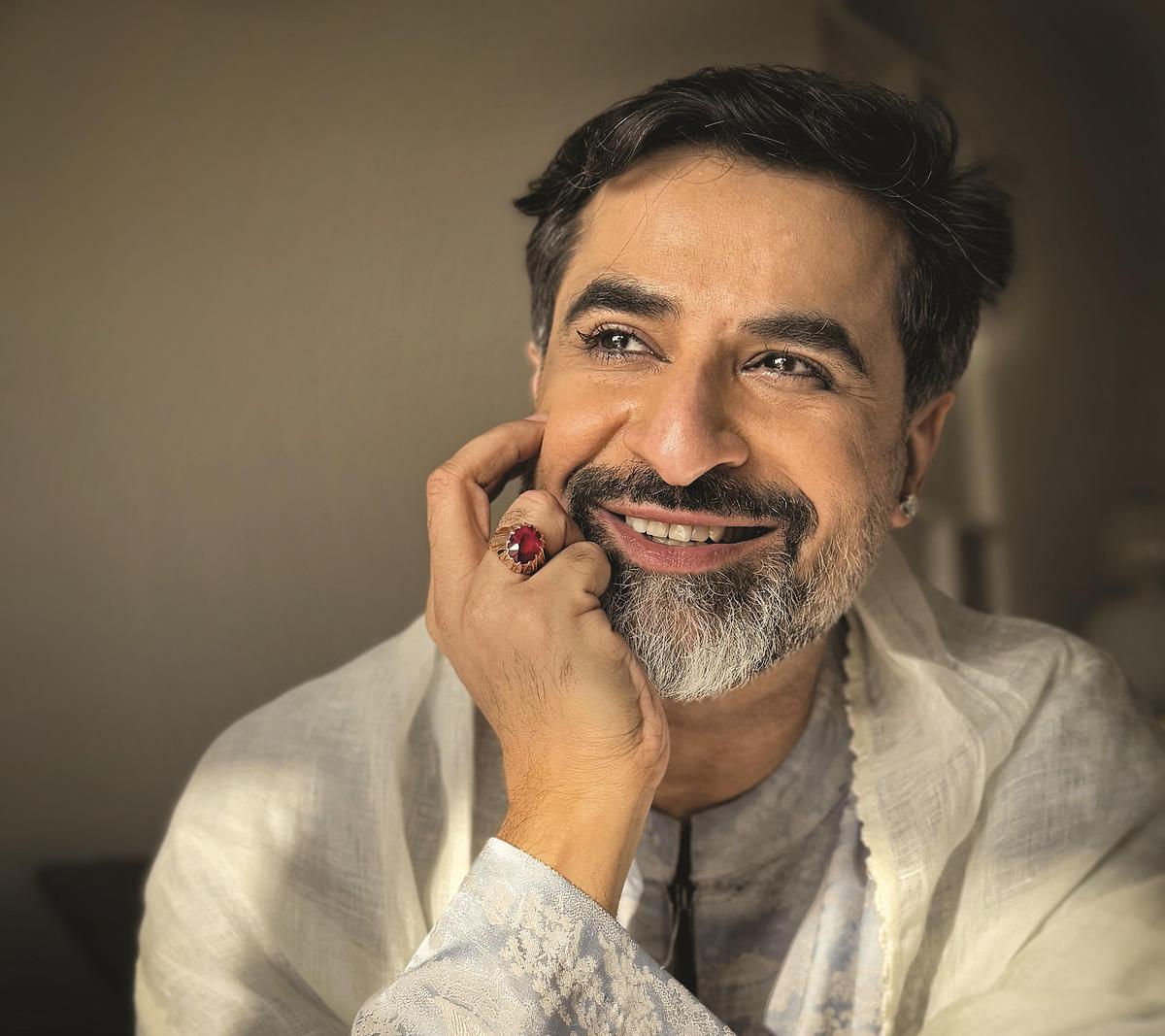
By framing cooking as an "excavation of selfhood," these stories offer a path toward healing. For figures like James Beard or Chapal Bhaduri, cooking was a way to feed others while hiding oneself. The modern movement seeks to flip this, using food as a tool for visibility. As Gurdeep Loyal suggests, moving away from "self-denial" toward "indulgence" is a radical act of self-love for a community often told to shrink itself.
3. Cultural Preservation
As folk traditions like the jatra fade, the recipes preserved in biographies like Sandip Roy’s become essential historical documents. They ensure that the domestic lives of queer ancestors are not lost to time, providing a "taste" of a history that was never written in textbooks.
4. The Future of Food Writing
We are witnessing the birth of a new sub-genre in Indian publishing. The success of these narratives suggests a growing appetite for food writing that goes beyond the "recipe-plus-anecdote" format, moving instead toward a more rigorous, intersectional exploration of how we eat and who we are.
In conclusion, the story of Chapal Rani and the modern queer chefs of today reminds us that the kitchen is more than a place of sustenance. It is a stage, a sanctuary, and a laboratory of the self. Whether it is a "dosa waffle," a "saffron custard tart," or a simple cup of cha shared between a biographer and a queen in a shadowy Kolkata room, these flavors represent a community finally claiming its seat at the table.
