

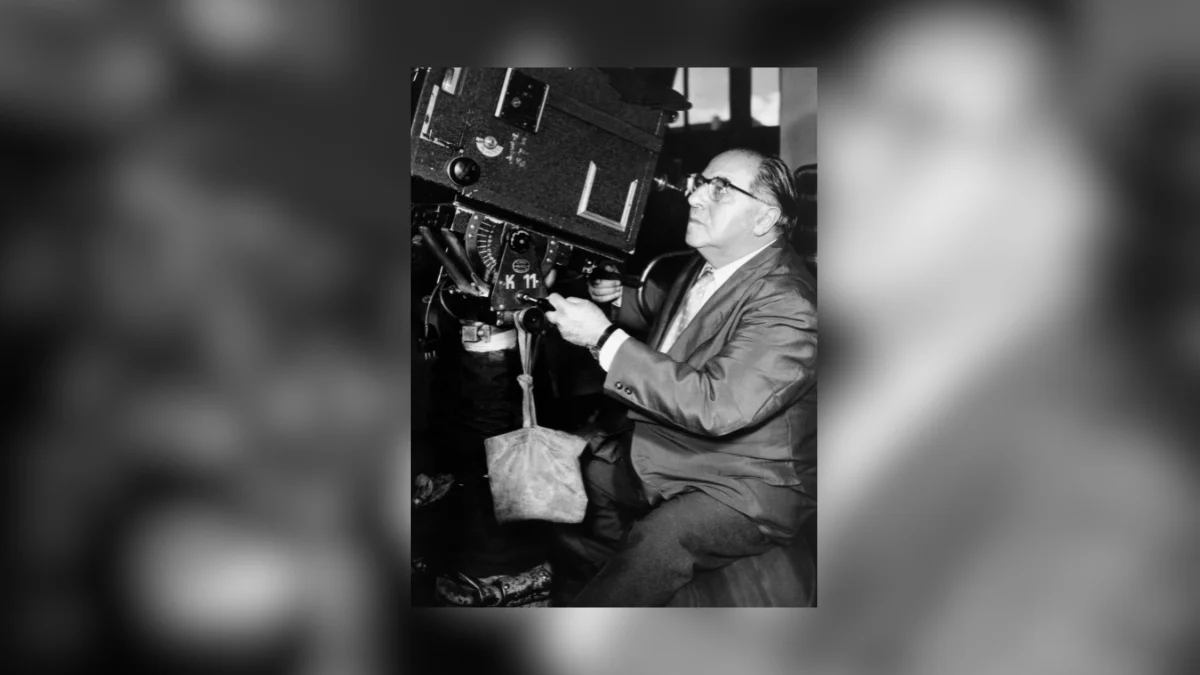
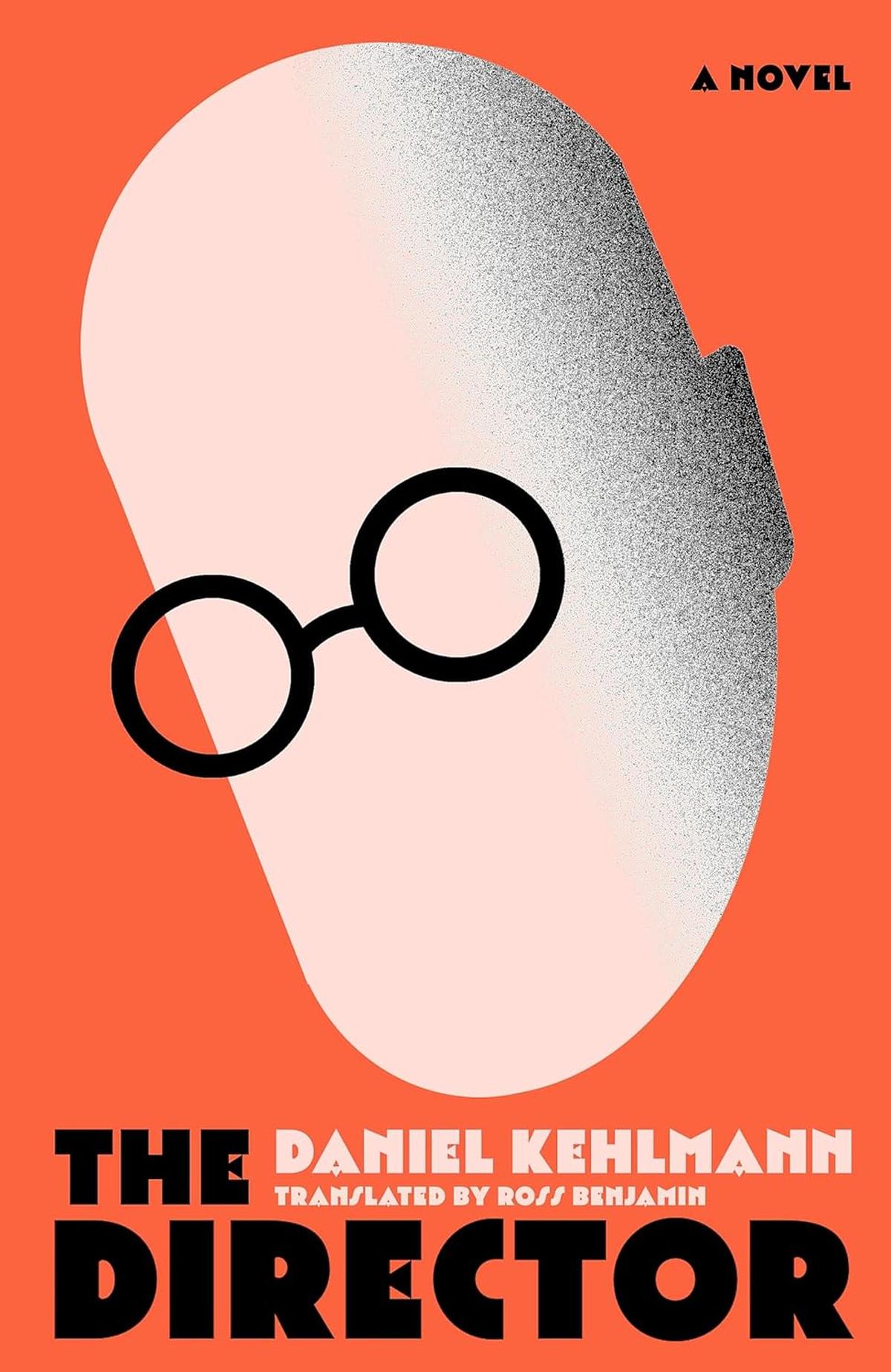
The intersection of historical trauma, cinematic innovation, and the ethics of artistic compromise forms the core of The Director, the latest masterwork from acclaimed German novelist Daniel Kehlmann. Translated into English by the award-winning Ross Benjamin, the novel has garnered significant international acclaim, securing a coveted spot on the 2024 International Booker Prize shortlist. Through a fictionalized lens, the book examines the life of G.W. Pabst, one of the most influential directors of the Weimar Republic, whose decision to return to Nazi Germany remains one of the most controversial chapters in film history.
In a recent dialogue, Ross Benjamin—who previously translated Kehlmann’s best-selling Tyll—shared insights into the intricate process of rendering Kehlmann’s "cinematic prose" into English. The translation is not merely a linguistic transfer but a structural reimagining that captures the psychological dissociation of an artist attempting to maintain his creative integrity while serving a genocidal regime.
Main Facts: A Narrative of Compromise and Cinematic Genius
The Director (published in English by riverrun) is more than a biography; it is a study of the "compromised artist." The novel focuses on Georg Wilhelm (G.W.) Pabst, a pioneer of film editing and the "New Objectivity" movement. Pabst is famously credited with discovering icons such as Greta Garbo and Louise Brooks, and his early masterpieces like Pandora’s Box (1929) and The Threepenny Opera (1931) remain cornerstones of global cinema.
However, the narrative pivot of Kehlmann’s work is Pabst’s ill-fated return to Austria in 1939. Finding himself trapped behind the borders of the Third Reich as World War II breaks out, Pabst eventually succumbs to the pressure of Joseph Goebbels’ Ministry of Public Enlightenment and Propaganda. The novel explores the tragic irony of a man who mastered the art of the "cut" and the "frame" but failed to see the narrowing frame of his own moral agency.
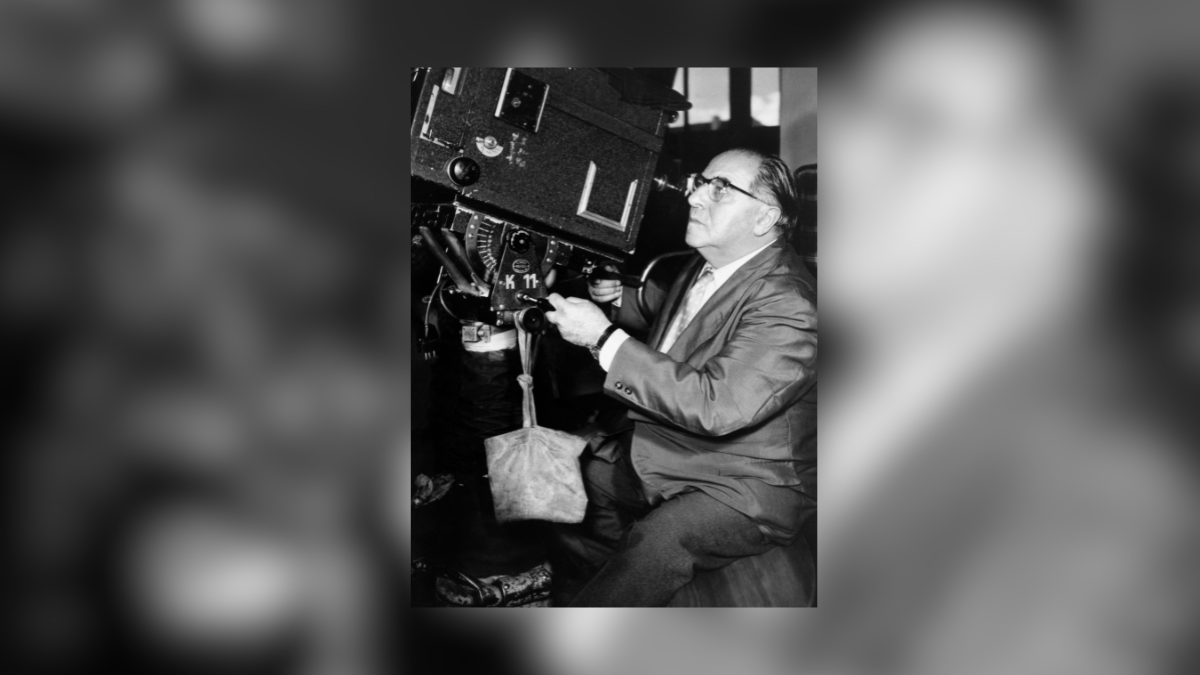
Ross Benjamin’s translation has been lauded for its "cinematic force," a quality that mirrors Kehlmann’s attempt to write a novel that functions like a film. Benjamin notes that the translation required a deep understanding of pacing, perspectival shifts, and the specific atmosphere of early 20th-century German cinema.
Chronology: The Life of G.W. Pabst and the Evolution of ‘The Director’
To understand the weight of the novel, one must look at the historical timeline that Kehlmann and Benjamin have so meticulously reconstructed:
1. The Weimar Zenith (1923–1932)
Pabst rose to prominence in Berlin, directing films that tackled social realism, sexuality, and the human psyche. His 1925 film The Joyless Street (starring Greta Garbo) and his 1929 collaboration with Louise Brooks in Pandora’s Box established him as a master of the silent era. His technique was characterized by "invisible cutting," a method of editing that made transitions seamless, a metaphor Kehlmann uses throughout the novel.
2. The Hollywood Interlude and the Return (1933–1939)
With the rise of the Nazi party, many German intellectuals fled. Pabst attempted to establish a career in Hollywood and France. However, his American venture was largely unsuccessful, characterized by creative frustration and a lack of the total control he enjoyed in Europe. In 1939, ostensibly to visit his ailing mother, Pabst returned to Austria just as the borders closed.

3. Collaboration Under the Third Reich (1940–1945)
Trapped in the Reich, Pabst was courted by Goebbels. Despite his previous leftist sympathies, he directed films such as The Comedians (1941) and Paracelsus (1943). These films were technically brilliant but served the cultural goals of the Nazi state. This period forms the emotional and ethical "dead zone" that Kehlmann explores.
4. The Literary Resurrection (2020–2024)
Following the success of Tyll (shortlisted for the International Booker in 2020), Kehlmann turned his attention to Pabst. The German edition, Lichtspiel, was released to critical acclaim. Ross Benjamin began the translation process during a period of heightened political polarization in the United States, a context that he admits colored his interpretation of the text. The English translation was shortlisted for the International Booker Prize in 2024, cementing the Kehlmann-Benjamin partnership as one of the most formidable in contemporary literature.
Supporting Data: The Mechanics of Translation and Narrative Technique
The translation of The Director presented unique linguistic challenges that go beyond simple vocabulary. Ross Benjamin highlights several key areas where the translation had to perform "literary acrobatics":
The "Cinematic" Sentence
Kehlmann designed the novel to evoke the feeling of a film reel. Benjamin explains that he had to preserve the "pacing, cuts, and perspectival shifts" in English. For instance, some chapters unfold as if through a moving camera, requiring the translator to use syntax that mimics visual movement. One specific chapter depicts Pabst experiencing his own life as if he were editing it in real-time—a meta-commentary on his dissociation.
Linguistic Friction and Humor
A recurring element in the novel is the tragicomic nature of Pabst’s struggle with the English language. Benjamin points to a specific instance where Pabst uses the word "floor" to mean "tier" (a mistranslation of the German Rang).
- "When a novel is staging linguistic awkwardness or comedy, you can’t just proceed word by word," Benjamin says. He had to reinvent these errors in English to ensure the humor and the character’s sense of displacement remained intact for an English-speaking audience.
The Myth-Building Device
Both Tyll and The Director begin by introducing their protagonists through the hearsay and impressions of others. This "legend-building" technique allows the reader to see the character as a historical monument before seeing them as a flawed human being. Benjamin notes that as a translator, he is often more conscious of these structural motifs than the author, as he must analyze the intended effect of every sentence.
Official Responses: Critical Reception and the Booker Recognition
The International Booker Prize judges described The Director as a "virtuoso performance," praising the way it "captures the magnetic, terrifying lure of power." The literary community has largely viewed the Kehlmann-Benjamin collaboration as a bridge between the rigorous tradition of German historical fiction and a modern, accessible English sensibility.
The Booker Prize Committee Statement:

"Ross Benjamin’s translation captures the eerie, flickering quality of Kehlmann’s prose. It is a book that explores how easily the ‘light play’ (Lichtspiel) of cinema can be used to mask the darkest realities of history."
Critical Consensus:
Reviewers from The New Yorker and The Guardian have noted that Kehlmann’s G.W. Pabst is a haunting archetype of the "apolitical" artist. By focusing on the technical brilliance of Pabst’s Nazi-era films, Kehlmann forces the reader to confront the uncomfortable reality that great art can be produced in the service of evil.
Implications: Art, Autocracy, and the Modern Parallel
The release of The Director comes at a time when the relationship between culture and politics is under renewed scrutiny. Ross Benjamin’s reflections on the translation process suggest that the novel serves as a cautionary tale for the present day.
1. The "Distance Collapse"
Benjamin speaks of a "collapse of distance" between the world of the novel and contemporary American politics. He notes the spectacle of modern cultural figures behaving as though they lack freedoms they still possess, a pre-emptive accommodation to power that mirrors Pabst’s early steps toward collaboration. The novel implies that the erosion of artistic integrity does not happen all at once, but through a series of small, "technically justified" compromises.

2. Translation as Adaptation
Benjamin’s approach to The Director challenges the traditional view of translation as a secondary art. By comparing translation to film adaptation, he suggests that the translator must "remake something formally." This perspective elevates the role of the translator to that of a co-creator, responsible for the "cinematic force" that allows a story about a German filmmaker to resonate with a global English-speaking audience.
3. The Ethics of the "Apolitical"
Ultimately, The Director poses a question that remains unresolved: Is the artist responsible for the context in which their work is consumed? Pabst believed his genius could transcend the regime he served. Kehlmann’s novel—and Benjamin’s visceral translation—suggests that when an artist attempts to edit out the reality of the world around them, they eventually lose the ability to see the truth in their own frame.
As The Director continues to find new readers through its International Booker recognition, it stands as a testament to the power of historical fiction to illuminate the present. Through the meticulous work of Ross Benjamin, Daniel Kehlmann’s warning about the fragility of the moral "cut" has been rendered with a clarity that is as beautiful as it is devastating.
