


Nafisa Ali Sodhi’s Chemotherapy Switch Highlights Nuances of Cancer Treatment and Allergic Reactions
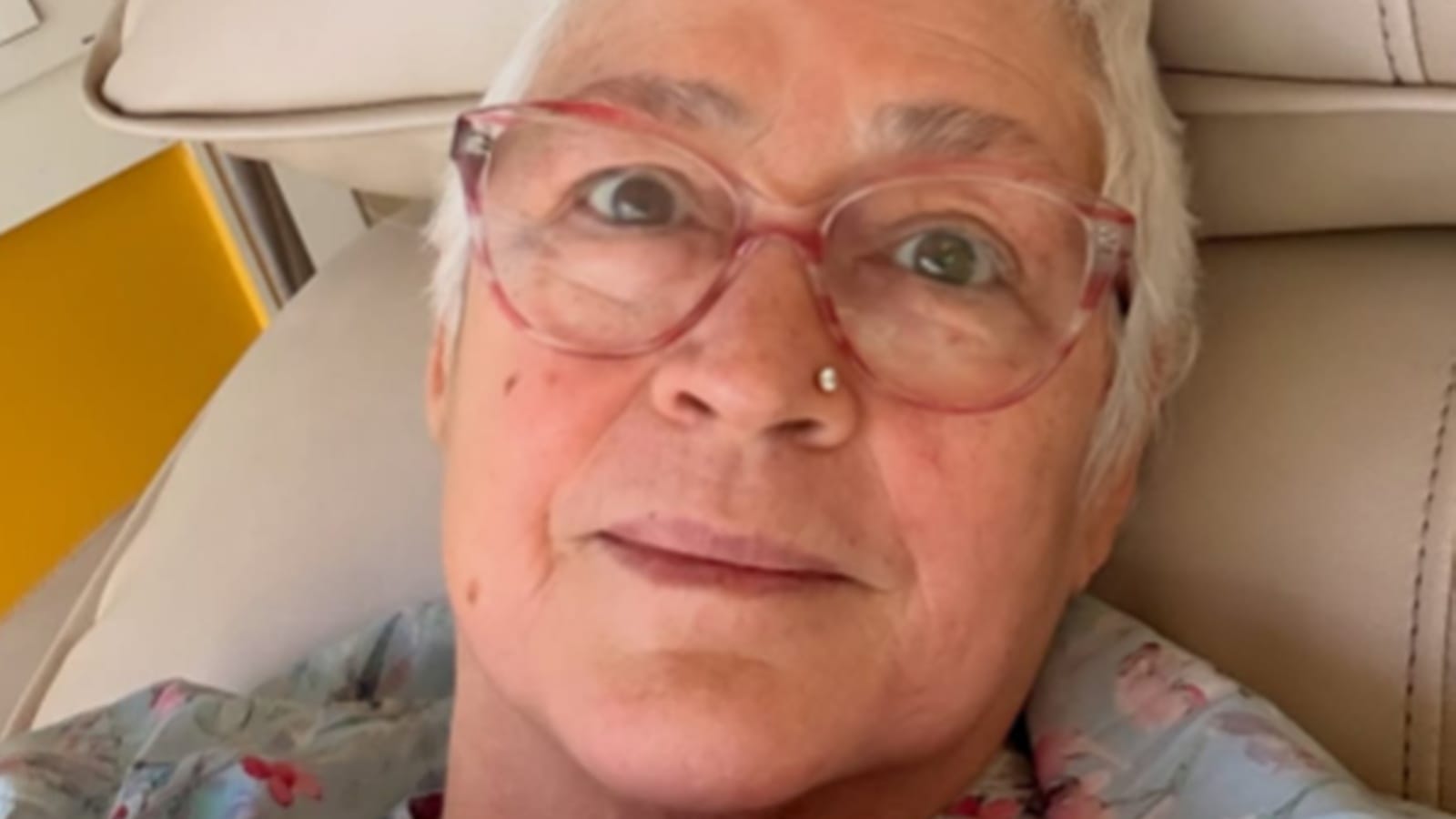
Mumbai, India – [Insert Date] – Veteran actress and social activist Nafisa Ali Sodhi, 69, has once again brought to the forefront the complexities of cancer treatment with her recent revelation about a change in her chemotherapy regimen. Battling a recurrence of stage 4 peritoneal and ovarian cancer, Sodhi shared on social media that an allergic reaction to her previous chemotherapy medication necessitated a switch to a new, weekly treatment plan. Her candid update, while underscoring the personal challenges of her fight, also serves as a valuable platform to educate the public about the potential for adverse reactions to potent cancer-fighting drugs and the sophisticated management strategies employed by oncologists.
The Personal Journey: A Battle Redefined
Nafisa Ali Sodhi, a beloved figure known for her grace and resilience, has been an open advocate for health awareness. Her ongoing battle with cancer, first diagnosed in 2018 and now in its advanced stage, has been met with widespread support and admiration. In a recent Instagram post, she candidly shared the development: "Last chemo (Friday) had to be stopped as I got allergic to it, so now… on a new chemo… to be taken once a week. Fighting the good fight." This straightforward announcement, accompanied by a commitment to continue her treatment, resonates deeply with many who are navigating similar health journeys.
The news immediately sparked a wave of concern and well-wishes from her followers and the wider public. However, it also served as a catalyst for a deeper exploration into the medical aspects of chemotherapy and the possibility of allergic reactions, prompting a discussion with leading oncologists to provide a comprehensive understanding of this critical facet of cancer care.
Understanding the Phenomenon: Why Allergic Reactions to Chemotherapy Occur
Chemotherapy, a cornerstone of many cancer treatment protocols, involves the use of powerful drugs designed to target and destroy rapidly dividing cancer cells. While highly effective, these potent agents can also elicit a range of responses from the human body, including allergic or hypersensitivity reactions.
Dr. Jeyhan B. Dhabhar, a distinguished medical oncologist at the Head Neck Cancer Institute India (HNCII), explains that such reactions are not uncommon, particularly with certain drugs that are administered repeatedly over multiple treatment cycles. "Allergic or hypersensitivity reactions to chemotherapy are not uncommon, especially with certain drugs that are given repeatedly over multiple treatment cycles," Dr. Dhabhar stated.
The underlying mechanism often involves the body’s immune system identifying the chemotherapy drug as a foreign invader. In response, it can mount an exaggerated defense, leading to a cascade of symptoms. "In many cases, the immune system begins to recognise the drug as a foreign substance and mounts an exaggerated response against it," he elaborated.
A Spectrum of Reactions: From Mild Discomfort to Severe Complications
The manifestations of chemotherapy-induced allergic reactions can vary significantly, ranging from mild and manageable symptoms to severe, life-threatening complications.
Mild to Moderate Symptoms:
- Itching (Pruritus): A common and often persistent sensation of discomfort on the skin.
- Skin Rashes (Urticaria or Maculopapular Rash): The appearance of raised, red, itchy welts or flat, red patches on the skin.
- Flushing: A sudden reddening of the face and neck, often accompanied by a feeling of warmth.
- Mild Breathlessness: A slight difficulty in breathing or a feeling of not getting enough air.
Severe and Potentially Life-Threatening Symptoms:
- Swelling (Angioedema): Significant swelling, particularly of the face, lips, tongue, or throat, which can obstruct airways.
- Sudden Drop in Blood Pressure (Hypotension): A rapid decrease in blood pressure that can lead to dizziness, lightheadedness, and even fainting.
- Chest Tightness: A constricting sensation in the chest, which can be indicative of respiratory distress.
- Severe Difficulty Breathing (Bronchospasm or Anaphylaxis): Rapid, shallow breathing, wheezing, and a feeling of suffocation, requiring immediate medical intervention.
Dr. Dhabhar further noted a particularly interesting aspect of these reactions: "Interestingly, some patients tolerate a drug well initially and develop reactions only after several cycles of treatment." This observation highlights the dynamic nature of the body’s response to medication over time.
Factors Influencing Risk: A Multifaceted Equation
The likelihood of experiencing an allergic reaction to chemotherapy is not uniform across all patients. Several factors play a crucial role in determining an individual’s risk profile.
Dr. Utkarsh Ajgaonkar, a consultant surgical oncologist at TGH Onco Life Cancer Centre, Talegaon, elaborated on these contributing elements: "The risk varies depending on the type of chemotherapy drug, the patient’s immune response, and prior exposure to the medication."
- Type of Chemotherapy Drug: Certain chemotherapy agents are known to have a higher propensity for inducing allergic reactions than others. These are often drugs with complex molecular structures or those that directly interact with immune system components.
- Patient’s Immune System: An individual’s unique immune system plays a pivotal role. Some individuals may have a predisposition to developing allergies in general, making them more susceptible to reactions to a wider range of substances, including medications. The specific way a patient’s immune system is primed and responds to foreign molecules is a key determinant.
- Prior Exposure and Cumulative Dose: As Dr. Dhabhar pointed out, reactions can develop after multiple cycles. This suggests that repeated exposure can sometimes sensitize the immune system, leading to a delayed or amplified response. The cumulative dose of the drug administered over time can also be a factor.
- Genetic Predisposition: Emerging research suggests that genetic factors might also influence an individual’s susceptibility to specific drug reactions, although this is an area of ongoing investigation.
The Art and Science of Chemotherapy Administration: Beyond the Drug Itself
Modern cancer treatment is a sophisticated interplay of pharmacology, immunology, and meticulous patient care. The administration of chemotherapy is far more than simply injecting a drug; it involves a comprehensive approach to maximize efficacy while minimizing adverse effects.
"A major part of cancer care involves carefully fine-tuning how chemotherapy is delivered," emphasized Dr. Dhabhar. "When chemotherapy is given by an experienced oncology team, with the correct drug dilution, appropriate infusion duration, proper monitoring, and the right supportive medications, many side effects can be significantly reduced."
This holistic approach involves:
- Precise Drug Dilution and Preparation: Ensuring that chemotherapy drugs are diluted to the exact specifications prescribed is crucial for both efficacy and safety. Incorrect concentrations can increase the risk of adverse reactions.
- Optimized Infusion Rates: The speed at which chemotherapy is administered can significantly impact patient tolerance. Slower infusion rates may be employed to reduce the likelihood of hypersensitivity reactions.
- Continuous Patient Monitoring: During chemotherapy infusions, patients are closely monitored for any signs of adverse reactions. This includes regular checks of vital signs (blood pressure, heart rate, oxygen saturation) and direct observation for symptoms like itching, rash, or breathing difficulties.
- Proactive Use of Supportive Medications: A cornerstone of modern chemotherapy is the judicious use of pre-medications and other supportive therapies.
The Crucial Role of Supportive Medications: A Shield Against Side Effects
Supportive medications, often administered before, during, and after chemotherapy, are indispensable in enhancing patient tolerance and managing potential side effects, including allergic reactions.
"Pre-medications – which are medicines and injections given before chemotherapy – play a crucial role in preventing allergic reactions, nausea, vomiting, oral ulcers, acidity, and several immediate side effects associated with treatment," explained Dr. Ajgaonkar. These can include antihistamines to counter allergic responses, anti-emetics to prevent nausea and vomiting, and steroids to reduce inflammation.
Similarly, medications prescribed for home use following chemotherapy are vital for recovery. "Post-chemotherapy medications prescribed for home use help patients recover better and minimise delayed side effects after the infusion," Dr. Ajgaonkar added. "The timing, dosage, and combination of these supportive medicines are extremely important in improving tolerance to treatment."
When Reactions Occur: A Shift in Strategy, Not an End to Treatment
A critical message for patients and their families is that an allergic reaction to one chemotherapy drug does not signify the end of treatment options. Modern oncology offers a diverse arsenal of strategies to adapt and continue the fight against cancer.
"The reassuring part is that an allergic reaction to one chemotherapy drug does not mean cancer treatment has reached a dead end," asserted Dr. Ajgaonkar. "Modern oncology offers several alternatives and ways to safely continue treatment."
The typical management approach when a patient develops an allergic reaction includes:
- Immediate Intervention: If a reaction occurs during infusion, the chemotherapy is usually stopped immediately. Medical professionals will administer medications to manage the symptoms, such as antihistamines, steroids, or epinephrine if anaphylaxis is suspected.
- Assessment and Decision-Making: Once the immediate reaction is controlled, the oncology team will assess the severity of the reaction and the specific drug involved.
- Switching to Alternative Agents: In many cases, oncologists can switch to a different chemotherapy drug that belongs to a different class or has a different mechanism of action, thereby reducing the likelihood of cross-reactivity.
- Dosage Modification or Infusion Rate Adjustment: In some instances, if the reaction was mild and specific to the administration method, the dosage might be reduced, or the infusion speed slowed down, with careful monitoring.
- Pre-medication Enhancement: If the same drug is to be used again, or a similar one, the pre-medication regimen might be intensified to provide better protection against future reactions.
Dr. Dhabhar further elaborated on the personalized nature of these adjustments: "Depending on the patient’s cancer type, overall condition, and prior response, oncologists may switch to another chemotherapy agent, modify the dosage, reduce the infusion speed, or shift to a weekly regimen that may be better tolerated."
The Evolving Landscape of Cancer Care: Personalization and Patient Empowerment
The journey of cancer treatment is rarely a straight line. It is often characterized by adjustments, fine-tuning, and a collaborative effort between the patient and the medical team. This adaptive approach is a hallmark of contemporary cancer care.
"Cancer treatment is rarely a completely linear journey," Dr. Dhabhar noted. "It often requires adjustments and fine-tuning based on how the patient’s body responds over time."
The empowerment of patients through active participation in their care is paramount. "What is most important is close monitoring and prompt reporting of symptoms during chemotherapy sessions," advised Dr. Ajgaonkar. "Signs such as sudden itching, dizziness, chest discomfort, or breathing difficulty should immediately alert the medical team so intervention can happen early."
With the continuous advancements in medical oncology, treatment strategies are becoming increasingly refined and tailored to individual patient needs. "Even when one drug has to be stopped, there are usually multiple effective alternatives available, allowing patients to continue their cancer treatment safely and meaningfully," concluded Dr. Dhabhar.
Nafisa Ali Sodhi’s experience, while personal, serves as a powerful reminder of the resilience required in cancer treatment and the sophisticated, adaptive strategies employed by medical professionals to ensure the best possible outcomes for their patients. Her willingness to share her journey not only offers solidarity to others but also illuminates the intricate and evolving world of cancer therapy.
Disclaimer: This article is based on information from the public domain and expert opinions. It is intended for general informational purposes only and does not constitute medical advice. Always consult with a qualified healthcare professional for any health concerns or before making any decisions related to your health or treatment.
