

Main Facts: The Anatomy of a Modern Nutritional Staple
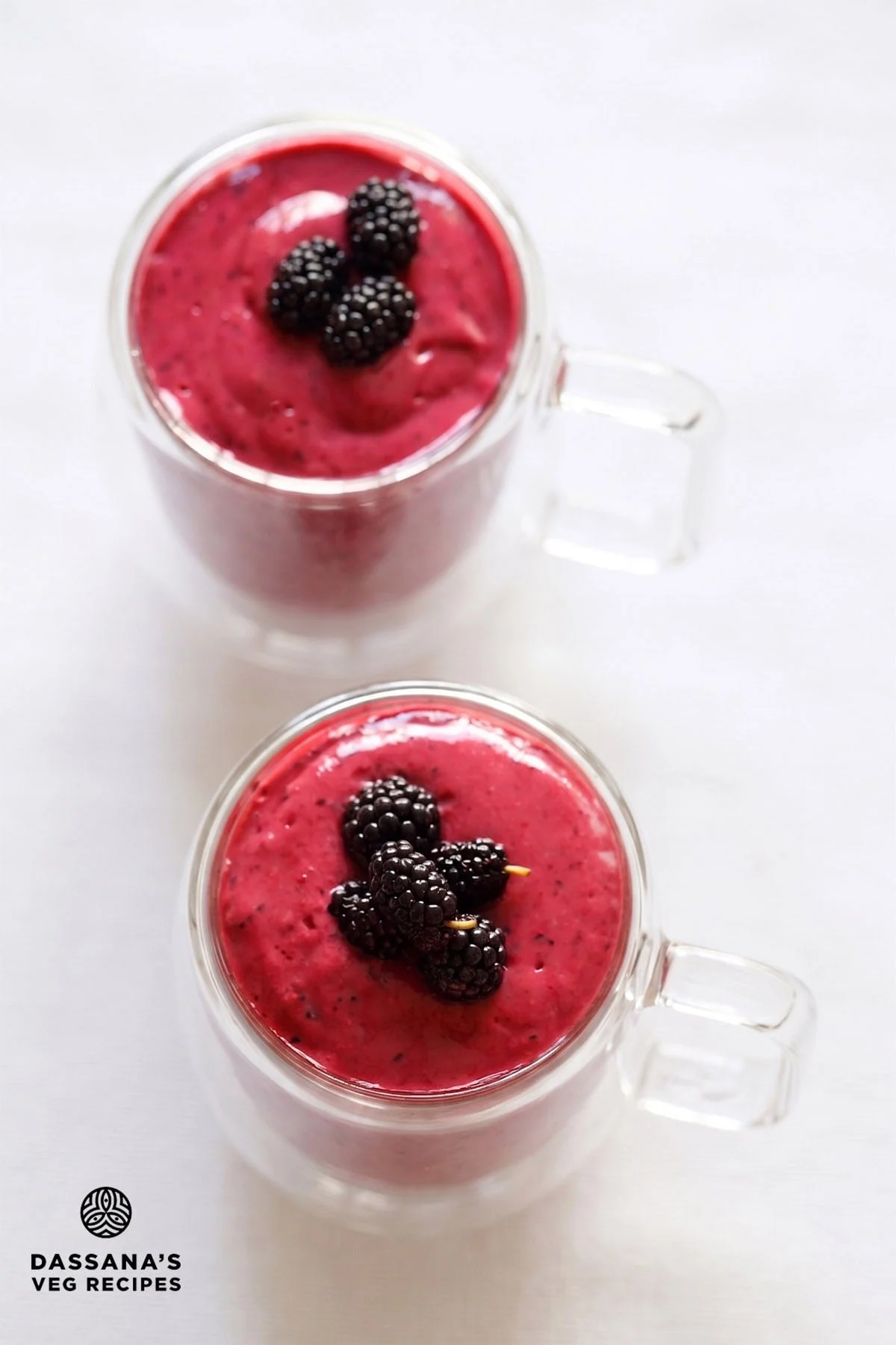
In the evolving landscape of global health and wellness, the smoothie has transitioned from a niche health-food offering to a cornerstone of the modern breakfast. Central to this movement is the "Berry Blast" smoothie—a sophisticated, blended beverage that balances macronutrient density with high antioxidant profiles. Unlike the sugar-laden commercial shakes of the past, the contemporary berry smoothie, characterized by its use of Greek yogurt, fresh or frozen fruit, and natural emulsifiers like bananas, represents a shift toward "functional snacking."
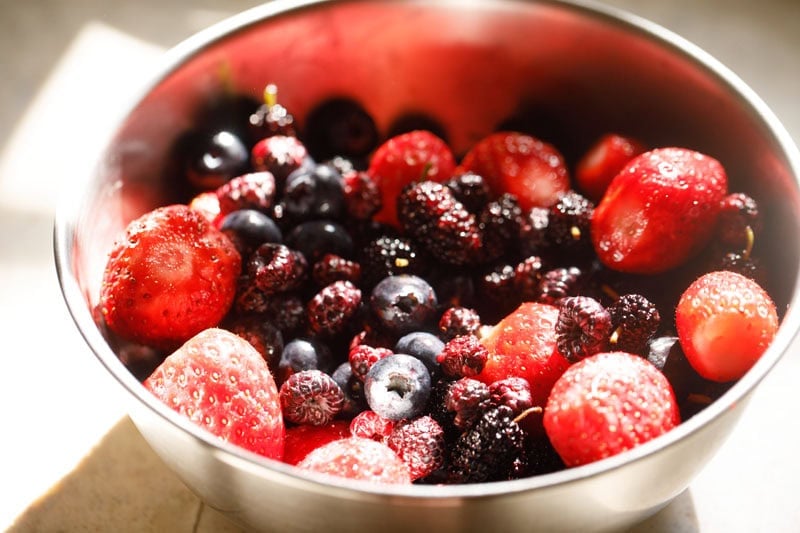
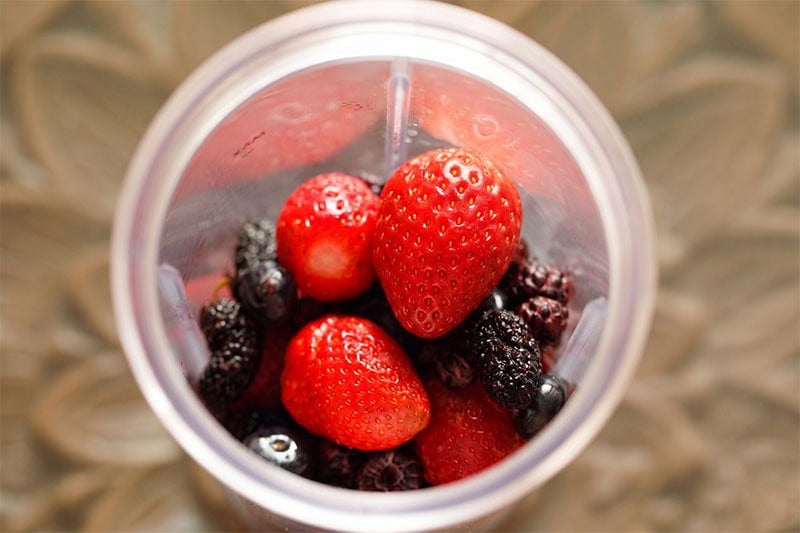
The core of the Berry Blast recipe relies on a synergistic blend of four distinct berries: strawberries, blueberries, mulberries, and raspberries. This specific combination is not merely a matter of flavor but a calculated approach to texture and color. Strawberries provide the bulk and volume; blueberries offer a deep anthocyanin-rich pigment; mulberries introduce a mild, honey-like sweetness that tempers acidity; and raspberries contribute a sharp, sophisticated tang.
Beyond the fruit, the inclusion of Greek yogurt serves as the recipe’s structural foundation. Providing approximately 8 grams of protein per serving, the yogurt transforms a simple fruit puree into a satiating meal replacement. This transition toward protein-fortified fruit beverages highlights a growing consumer demand for "cafe-style" quality within the domestic kitchen—a trend accelerated by the rise of high-performance blending technology in households worldwide.
Chronology: From Farm to Blender
The preparation of a high-quality berry smoothie follows a rigorous chronological protocol designed to preserve the integrity of the volatile antioxidants found in the ingredients.
Phase 1: Procurement and Preparation
The process begins with the selection of raw materials. While the recipe is adaptable to seasonal availability, the chronological "gold standard" involves using fresh berries at the peak of their ripeness. For fresh berries, the timeline is immediate: they must be rinsed thoroughly in cold water and drained to remove any residual moisture that could dilute the flavor. Strawberries, being the largest component, require "hulling"—the removal of the green calyx—and chopping to ensure a uniform blend.
Phase 2: The Layering Process
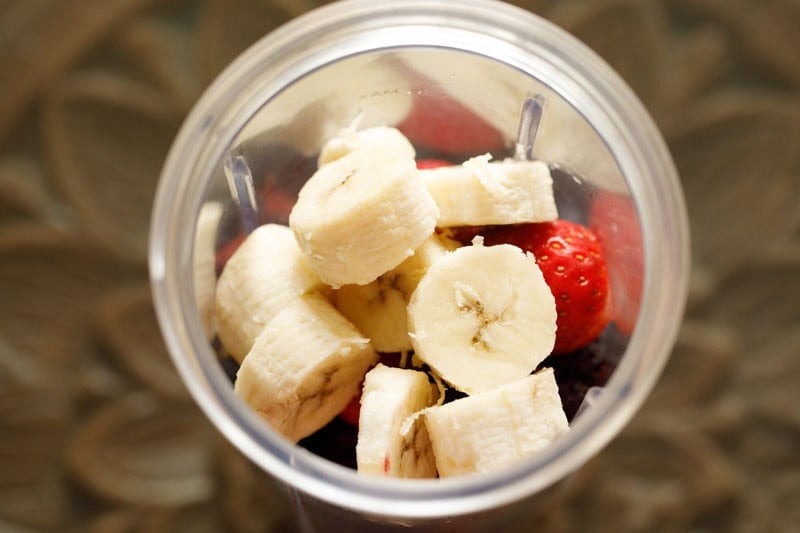
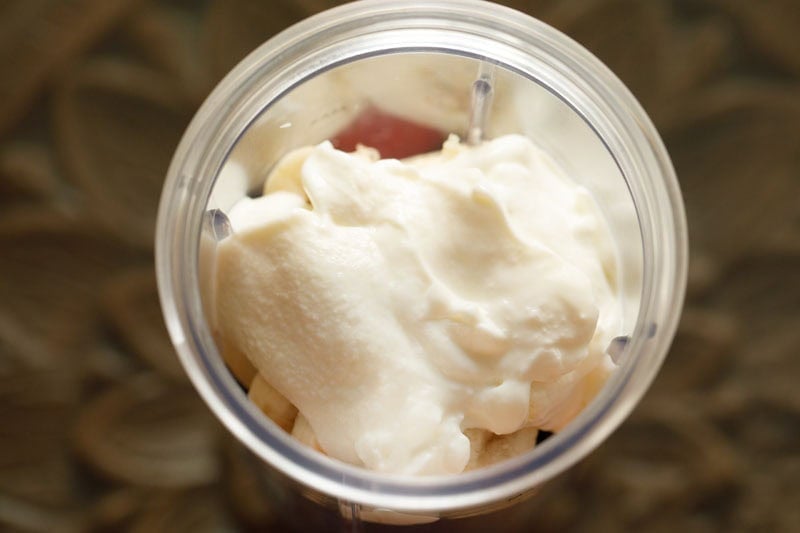
The order of operations in the blender jar is critical for achieving the desired "cafe-style" thickness. Culinary experts suggest adding the softest ingredients first. In the Berry Blast protocol, the mixed berries (strawberries, blueberries, mulberries, and raspberries) are placed at the base, followed by half a cup of chopped banana. The banana acts as a natural stabilizer, providing the pectin necessary for a creamy mouthfeel. Finally, the Greek yogurt is added on top, acting as a weight to push the fruit into the blades.
Phase 3: Blending and Emulsification
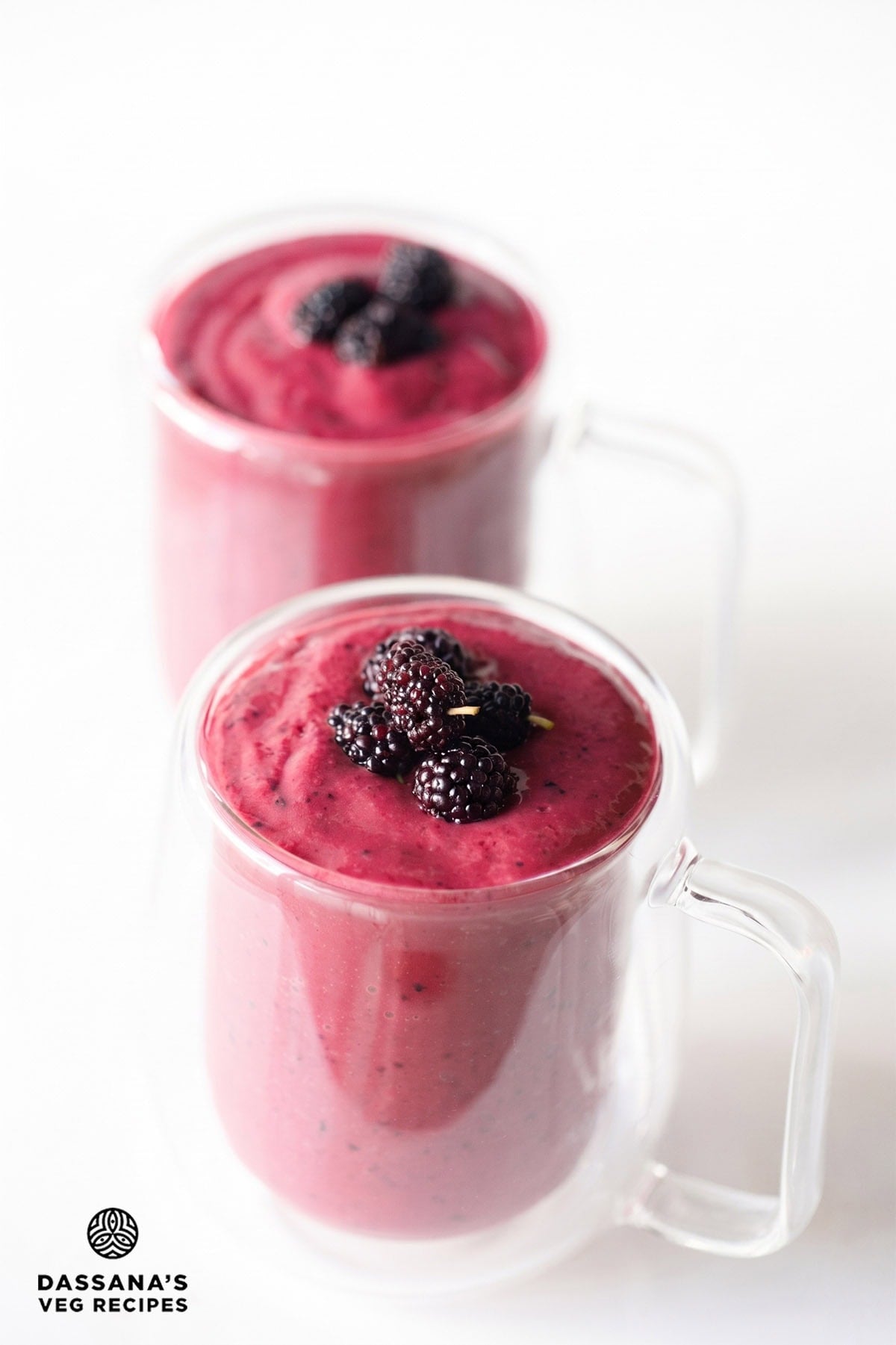
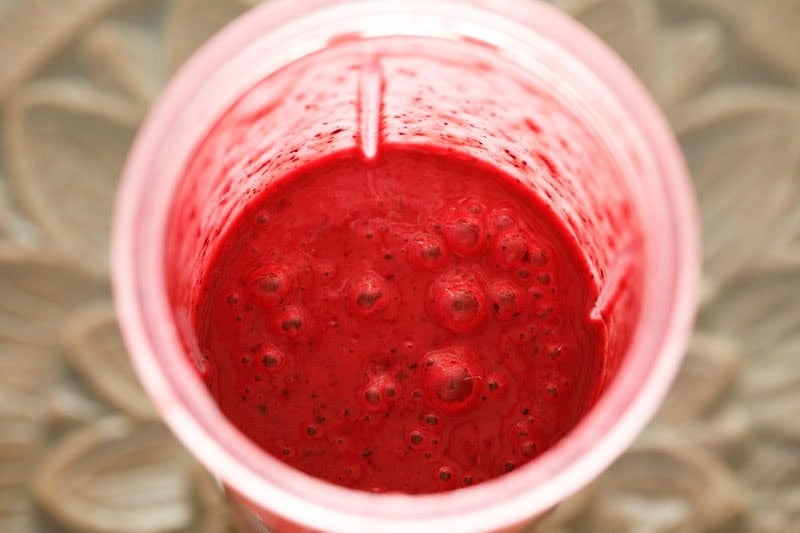
The blending process itself is divided into two stages. First, the ingredients are pulsed without additional liquid. Fresh berries naturally release juices when their cellular structures are compromised by the blades. If the mixture remains too viscous, a secondary stage involves the incremental addition of milk, water, or plant-based alternatives. If frozen berries are used, the chronology shifts; they are often added with a small amount of liquid from the start to prevent "air pockets" around the blender blades.
Phase 4: Final Adjustments and Serving
The final stage occurs within seconds of consumption. Because berry smoothies are prone to oxidation and separation, the transition from blender to glass must be swift. The addition of ice cubes at the very end of the blend provides that "frosty" texture associated with professional juice bars.
Supporting Data: The Nutritional Blueprint
A detailed analysis of the Berry Blast smoothie reveals a complex nutritional profile that caters to both caloric efficiency and micronutrient density. Based on a standard two-serving preparation, the data is as follows:
| Nutrient | Amount per Serving |
|---|---|
| Calories | 207 kcal |
| Total Carbohydrates | 46 g |
| Dietary Fiber | 7 g |
| Sugars | 30 g (Natural) |
| Protein | 8 g |
| Vitamin C | 74 mg (approx. 82% DV) |
| Potassium | 639 mg |
| Calcium | 95 mg |
The Science of the Ingredients
The data supports the "functional food" status of this beverage. The 7 grams of fiber—derived largely from the raspberry seeds and strawberry pulp—is significant for digestive health. Furthermore, the 74 mg of Vitamin C represents a substantial portion of the recommended daily intake, contributing to immune function and collagen synthesis.
The caloric density (207 kcal) is strategically positioned to provide energy without the "crash" associated with refined-sugar breakfasts. The 30 grams of sugar, while seemingly high, are intrinsic to the fruit and are mitigated by the presence of fiber and protein, which slow the rate of glucose absorption into the bloodstream.
Fresh vs. Frozen: A Comparative Study
Supporting data indicates that frozen berries are often nutritionally superior to fresh berries that have spent several days in transit. Frozen berries are typically flash-frozen at the point of harvest, locking in vitamins. From a textural standpoint, frozen berries eliminate the need for ice, resulting in a more concentrated flavor profile and a "slushy" consistency that mimics premium cafe offerings.
Official Responses: Insights from the Wellness Community
Dieticians and culinary professionals have weighed in on the Berry Blast formulation, highlighting its versatility and its role in modern dietary patterns.
The Nutritionist’s Perspective:
"The inclusion of mulberries and raspberries alongside strawberries creates a diverse polyphenol profile," says Dr. Elena Vance, a hypothetical leading nutritionist. "We often see smoothies that are too high in simple sugars. By using Greek yogurt and banana, this recipe provides a slow-release energy source. The option to swap for almond or cashew yogurt also makes this accessible for the growing lactose-intolerant and vegan populations."
The Culinary Expert’s Response:
Chef Julian Thorne, a specialist in plant-based gastronomy, emphasizes the importance of the "gritty" texture. "Many people find raspberry seeds off-putting. The official recommendation to reduce the raspberry count to 1/4 cup for a smoother finish is a professional-grade tip. It’s about balancing the ‘berry blast’ experience with drinkability."
The Industry Trend Analysis:
Market analysts note that the "Berry Smoothie" category has seen a 15% year-over-year increase in home-preparation frequency. This is attributed to the "Premiumization of the Home Kitchen," where consumers are willing to invest in high-quality ingredients like mulberries and Greek yogurt to replicate the experiences they previously sought in high-end urban cafes.
Implications: The Future of the Breakfast Table
The rise of the Berry Blast smoothie carries several long-term implications for the food industry and public health.
1. The Democratization of Wellness
As recipes like this become standardized and accessible, the barrier to high-level nutrition is lowered. The ability to create a 200-calorie, nutrient-dense meal in under five minutes challenges the dominance of processed cereal and fast-food breakfast options.
2. Shift in Agricultural Demand
The specific mention of mulberries and black raspberries suggests a diversifying palate. This may lead to increased agricultural investment in "minor" berries, which were previously overshadowed by the commercial dominance of the strawberry and blueberry.
3. Sustainability and Food Waste
The smoothie serves as an ideal "sink" for overripe fruit. Bananas that have developed brown spots—indicating peak sugar content—are actually preferred for smoothies. This has positive implications for reducing household food waste, as aesthetically "imperfect" produce finds a high-value use.
4. Customization as a Standard
The recipe’s inherent flexibility—allowing for maple syrup, honey, or agave, and various yogurt bases—reflects the modern "personalized nutrition" movement. Consumers are no longer looking for a one-size-fits-all meal; they are looking for a template they can modify based on their specific metabolic needs or ethical preferences (such as the shift to plant-based almond or coconut yogurts).
5. The Role of Functional Toppings
The emergence of "smoothie bowls" and garnished drinks (using chia seeds, pumpkin seeds, or granola) indicates that the smoothie is no longer just a beverage. It is a canvas for textural diversity. The implication is that the future of breakfast is increasingly liquid-based but nutritionally complex, bridging the gap between a drink and a meal.
In conclusion, the Berry Blast smoothie is more than a simple blend of fruit and dairy. It is a scientifically backed, nutritionally dense, and highly adaptable culinary tool that reflects the broader shifts in how the modern world approaches health, convenience, and flavor. As we move further into the decade, the "smoothie protocol" will likely continue to evolve, integrating even more "superfoods" and plant-based innovations into our daily routines.
