

Main Facts: Defining the Mediterranean Gold Standard
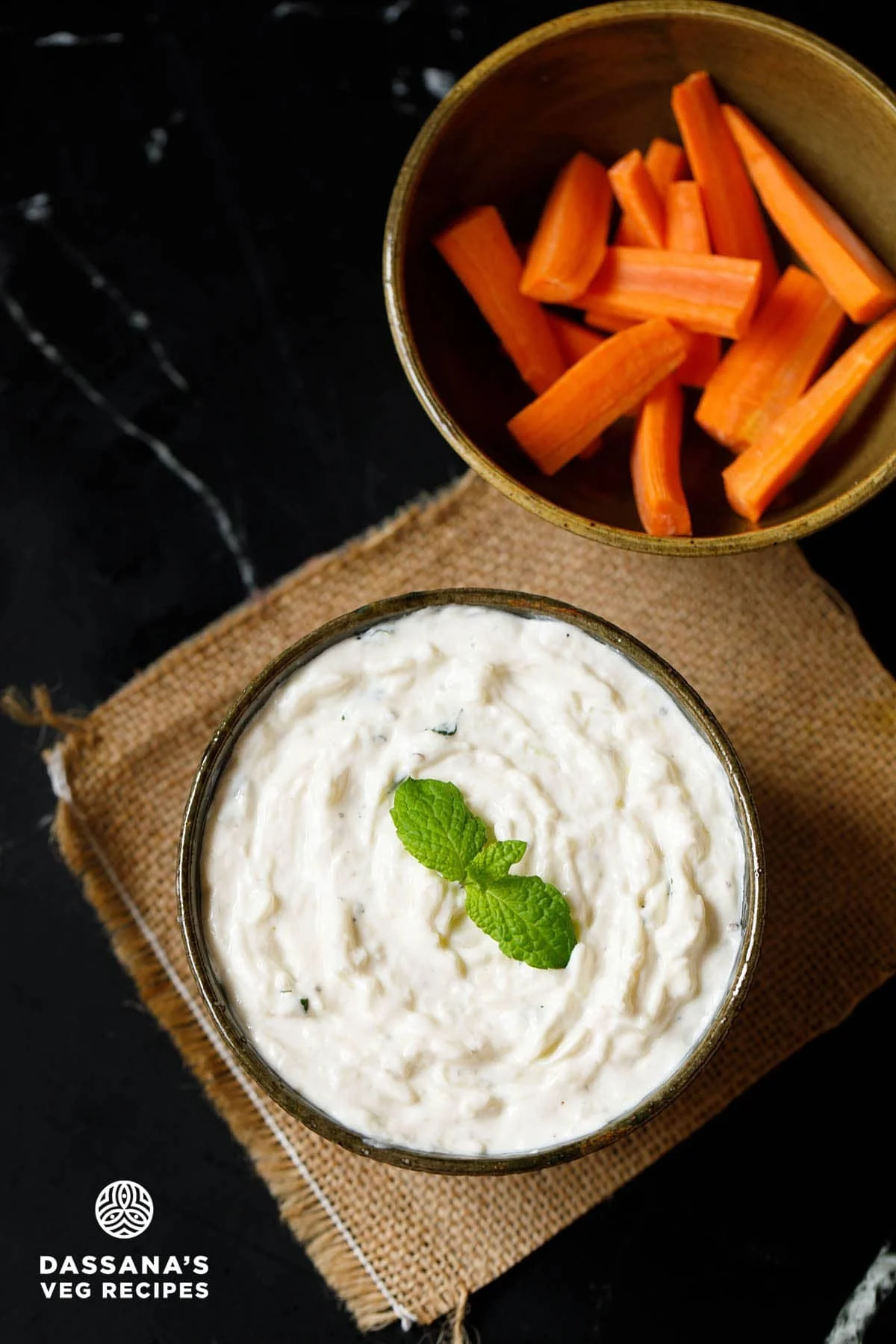
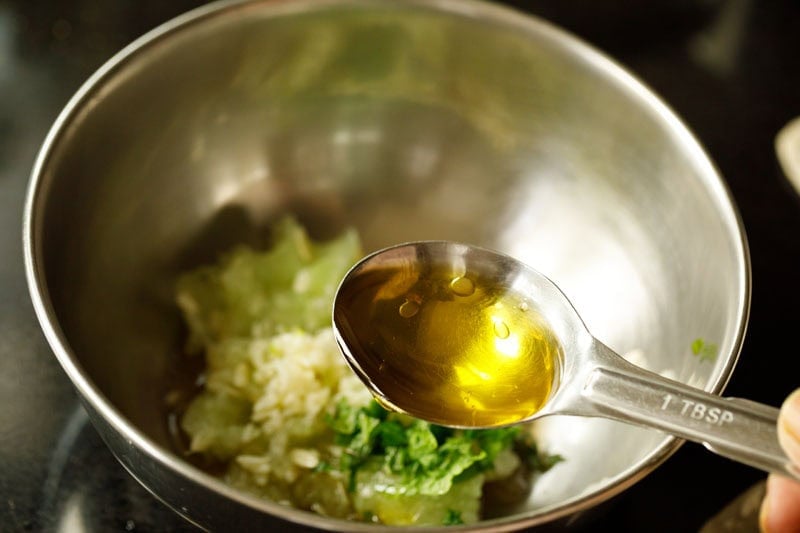
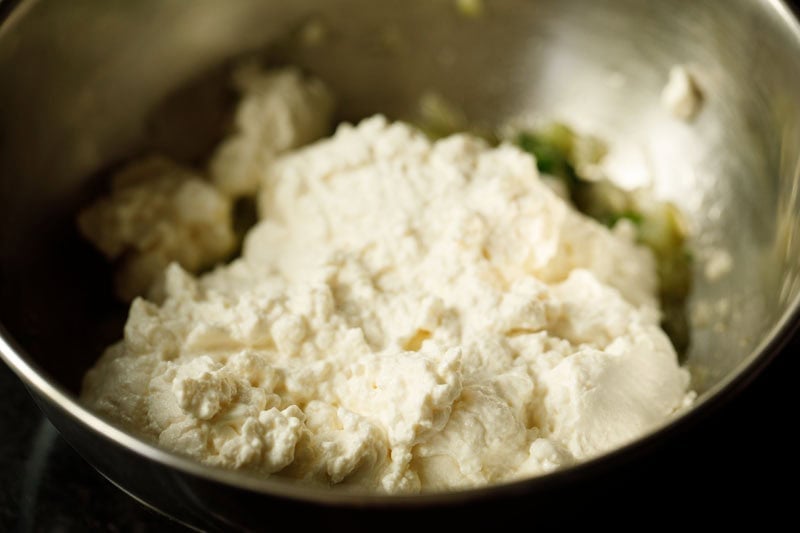
Tzatziki, the quintessential Greek condiment, has transcended its regional origins to become a global symbol of the Mediterranean diet. At its core, tzatziki is a sophisticated yogurt-based sauce or dip, characterized by its cooling properties, creamy texture, and sharp, aromatic finish. While often dismissed as a simple side dish, the culinary architecture of tzatziki relies on a precise balance of four primary pillars: high-fat strained yogurt (traditionally sheep or goat milk, now commonly Greek-style cow’s milk), crisp cucumbers, pungent garlic, and high-quality extra virgin olive oil.
The dish serves a dual purpose in gastronomy: it acts as a palate cleanser for heavy, grilled meats and as a nutrient-dense centerpiece for vegetarian mezze platters. According to culinary standards, a professional-grade tzatziki must achieve a "thick-peak" consistency, avoiding the common pitfall of wateriness that plagues amateur preparations. This is achieved through the mechanical extraction of moisture from the cucumbers—a process that defines the quality of the final product.
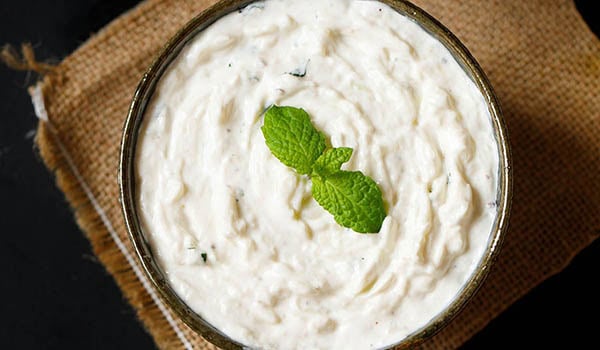
In contemporary kitchens, tzatziki is celebrated for its versatility. It is frequently paired with pita bread, falafel, and souvlaki, but its application has expanded into modern fusion, appearing in sandwiches, wraps, and even as a sophisticated dressing for roasted vegetables. Its rise in popularity is inextricably linked to the global "Blue Zone" health trend, which emphasizes the longevity-promoting benefits of fermented dairy and fresh plant-based ingredients.
Chronology: From Ottoman Roots to the Modern Table
The evolution of tzatziki is a journey through the historical intersections of the Middle East, Central Asia, and the Mediterranean. While firmly rooted in the Greek identity today, its lineage can be traced back through centuries of culinary exchange.
The Ancient Foundations
The concept of mixing yogurt with herbs and vegetables likely originated in the Ottoman Empire. Historians point to the Turkish dish cacık as a direct ancestor. During the Ottoman expansion, this preparation spread across the Balkans and the Levant, adapting to local ingredients. In its earliest forms, it was often served as a cold soup rather than a thick dip, a style that persists in modern-day Bulgaria (known as tarator) and parts of Turkey.
The Greek Refinement
As the dish integrated into Greek culture, it underwent a transformative "thickening." Greek chefs began using straggisto (strained yogurt), which removed the whey to create a concentrated, velvet-like base. This shifted the dish from a liquid appetizer to a structural condiment. By the mid-20th century, as Greek tourism boomed, tzatziki became the "ambassador" of the Hellenic table, featuring prominently in the tavernas of Athens and the islands.
Global Expansion (1970s–Present)
The 1970s and 80s saw a massive migration of Greek cuisine to the United States, Australia, and Northern Europe. Tzatziki was rebranded from a niche ethnic dish to a mainstream "superfood" dip. By the early 2000s, the "Greek Yogurt Revolution" in the dairy aisle made the primary ingredient for authentic tzatziki accessible to the average home cook, leading to a surge in DIY recipes and artisanal commercial versions.
Supporting Data: The Culinary Science and Nutritional Profile
The efficacy of tzatziki as a culinary staple is backed by significant nutritional data and food science principles. A standard serving of tzatziki, as outlined in recent culinary analyses, provides a balanced macronutrient profile that aligns with modern dietary requirements.
Nutritional Breakdown
Based on a standard 2-serving preparation, the nutritional metrics are as follows:
- Energy Content: Approximately 203 kcal per serving.
- Protein Density: A robust 11g, primarily derived from the concentrated Greek yogurt.
- Lipid Profile: 15g of total fat, with a significant 10g coming from monounsaturated fats (largely from extra virgin olive oil).
- Micronutrients: The dish is a significant source of Calcium (135mg), Vitamin B12 (1µg), and Vitamin K (16µg), essential for bone health and metabolic function.
The Physics of Cucumber Preparation
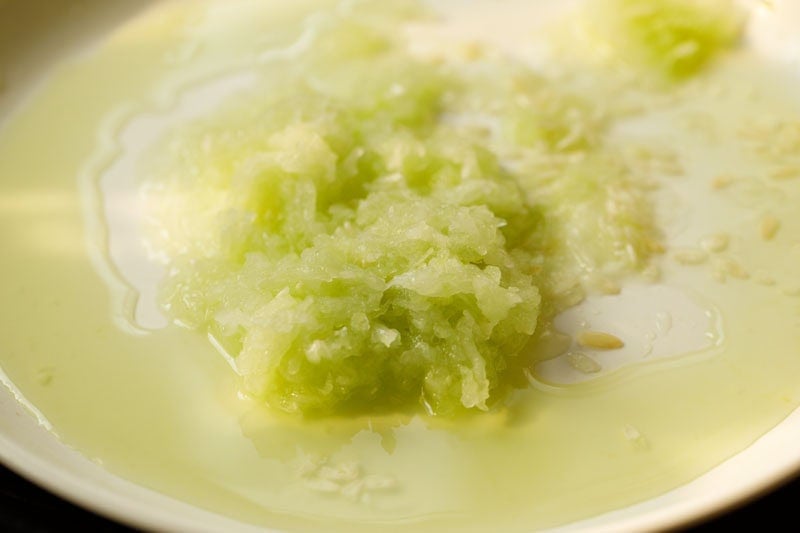
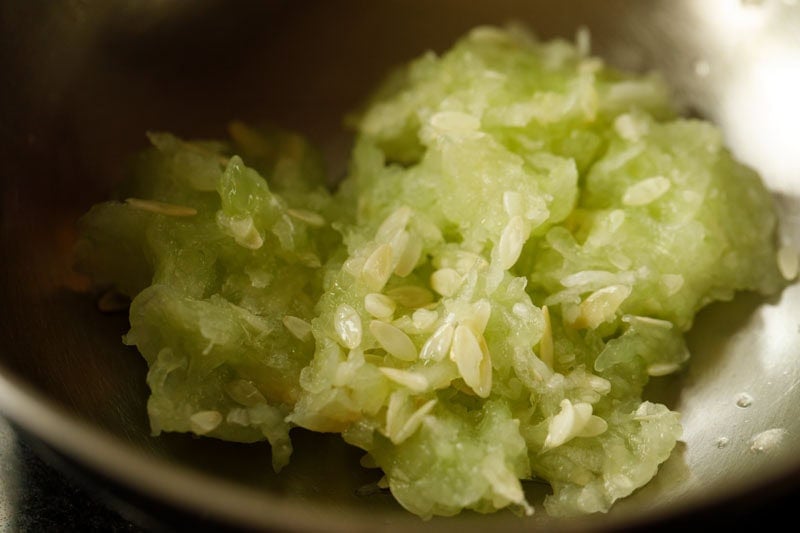
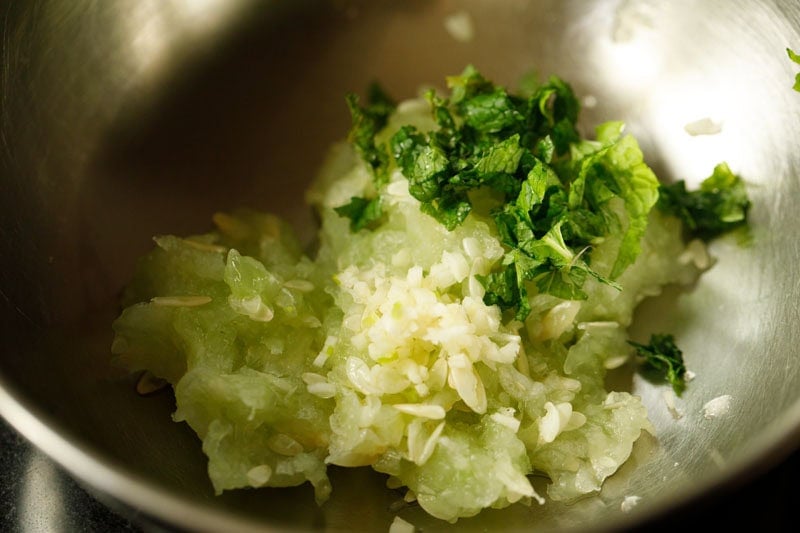
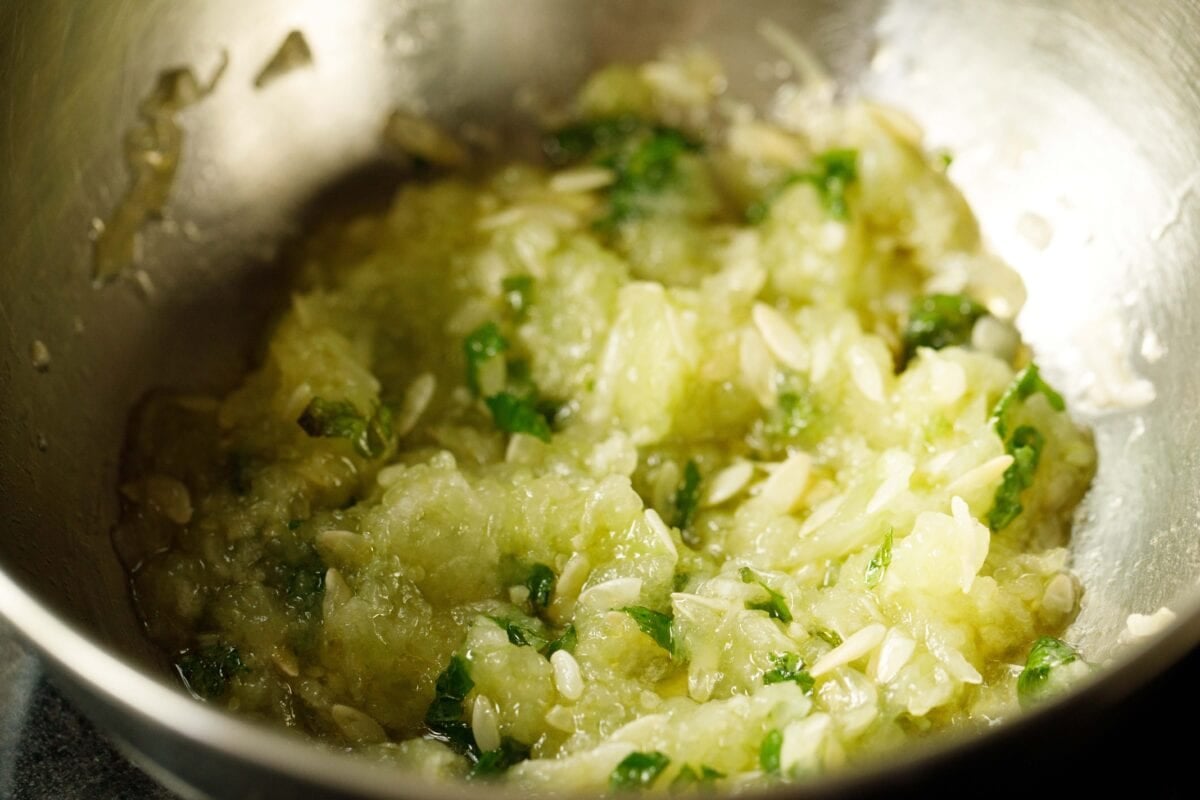
The most critical technical step in tzatziki production is the management of cucumber moisture. A medium cucumber (approx. 200g) is composed of nearly 95% water. When grated, the cell walls rupture, releasing enzymes and liquid. If this liquid is not manually extracted—either through palm-squeezing or the use of a muslin cloth—the high acidity of the yogurt will continue to draw out moisture via osmosis, leading to a "split" or watery sauce within minutes of mixing.
The Role of Acidity
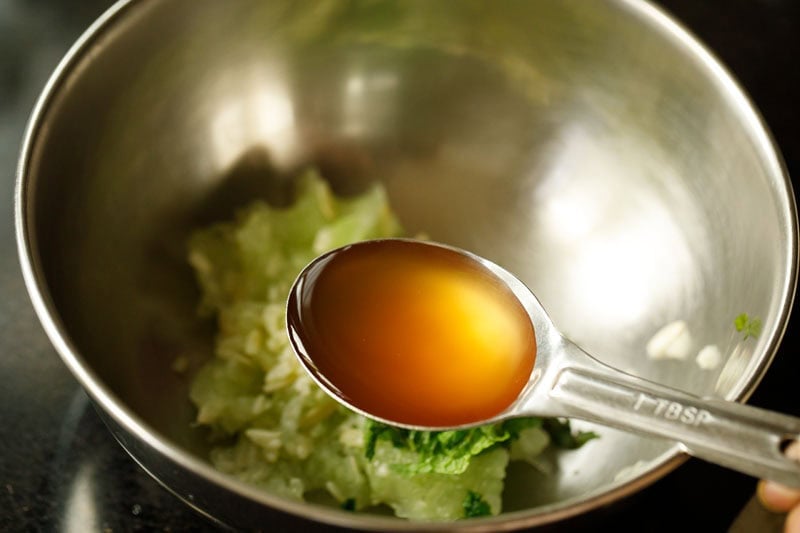
The addition of apple cider vinegar or lemon juice serves a chemical purpose beyond flavor. Acidity helps to cut through the fat molecules of the yogurt, brightening the palate and acting as a natural preservative. Furthermore, the inclusion of allicin-rich garlic provides antimicrobial properties, though it requires a "mellowing" period (often 30 minutes of chilling) to integrate with the yogurt’s fats and lose its raw, caustic edge.
Official Responses: Expert Insights and Culinary Standards
Culinary experts and traditionalists often weigh in on what constitutes "authentic" tzatziki, leading to a professional consensus on ingredients and techniques.
The Herb Debate:
Leading Greek chefs argue that the choice of herb defines the regionality of the dish. While mint offers a cooling, contemporary profile often found in Athens, the use of fresh dill is considered the "Northern Greek" or "Macedonian" standard. Expert consensus suggests that while parsley or cilantro are used in variations, they deviate from the traditional flavor profile intended to balance grilled lamb or pork.
Commercial vs. Homemade:
Food industry analysts note that commercial tzatziki often contains stabilizers like xanthan gum or cornstarch to maintain shelf life. "The difference between a commercial tub and a fresh preparation is the integrity of the dairy," says a spokesperson for Mediterranean culinary arts. "True tzatziki relies on the natural thickness of strained yogurt. Any addition of thickeners is seen as a compromise of the Greek culinary code."
The Garlic Threshold:
Professional standards typically recommend 2 to 3 cloves per cup of yogurt. However, culinary instructors emphasize that the garlic must be minced or pressed into a paste rather than chopped. This ensures the essential oils are evenly distributed, preventing "garlic hot spots" that can overwhelm the delicate cucumber notes.
Implications: Tzatziki in the Global Health and Fusion Economy
The continued popularity of tzatziki has several long-term implications for the food industry and global eating habits.
The "Raita" Connection and Cultural Fusion
The striking similarity between Greek tzatziki and Indian Cucumber Raita highlights a fascinating case of convergent culinary evolution. Both dishes use yogurt and cucumber to temper spicy or heavy foods. However, the implication of tzatziki’s global rise is the "Westernization" of the yogurt dip—incorporating olive oil and vinegar where Raita uses toasted cumin and black salt. This has led to a new "Global Mezze" trend where chefs swap techniques between these two ancient traditions.
The Plant-Based Shift
As the world moves toward plant-forward diets, tzatziki is being repositioned as a "high-protein plant-companion." Because it offers 11g of protein per serving, it allows vegetarian meals (like grilled cauliflower or chickpea patties) to meet the satiety levels typically associated with meat-based dishes. This has led to the development of high-quality vegan tzatzikis using cashew or almond-based yogurts, maintaining the cultural footprint of the dish while adapting to new ethical standards.
Economic Impact on Mediterranean Exports
The global demand for tzatziki-grade ingredients has provided a significant economic boost to Mediterranean exporters. Demand for Extra Virgin Olive Oil (EVOO) and Greek-origin feta and yogurt remains high, even during economic fluctuations. Tzatziki acts as a "gateway dish," encouraging consumers to invest in higher-quality, authentic Mediterranean pantry staples.
Future Outlook
As home cooking continues to prioritize "beginner-friendly, no-cook" recipes, tzatziki’s position is secure. Its ability to be customized—adjusting tanginess for those with sour yogurt or swapping herbs based on seasonal availability—makes it a resilient recipe. In an era of processed foods, the simple, transparent ingredient list of a traditional tzatziki remains its greatest asset, ensuring its place on the global table for generations to come.
