

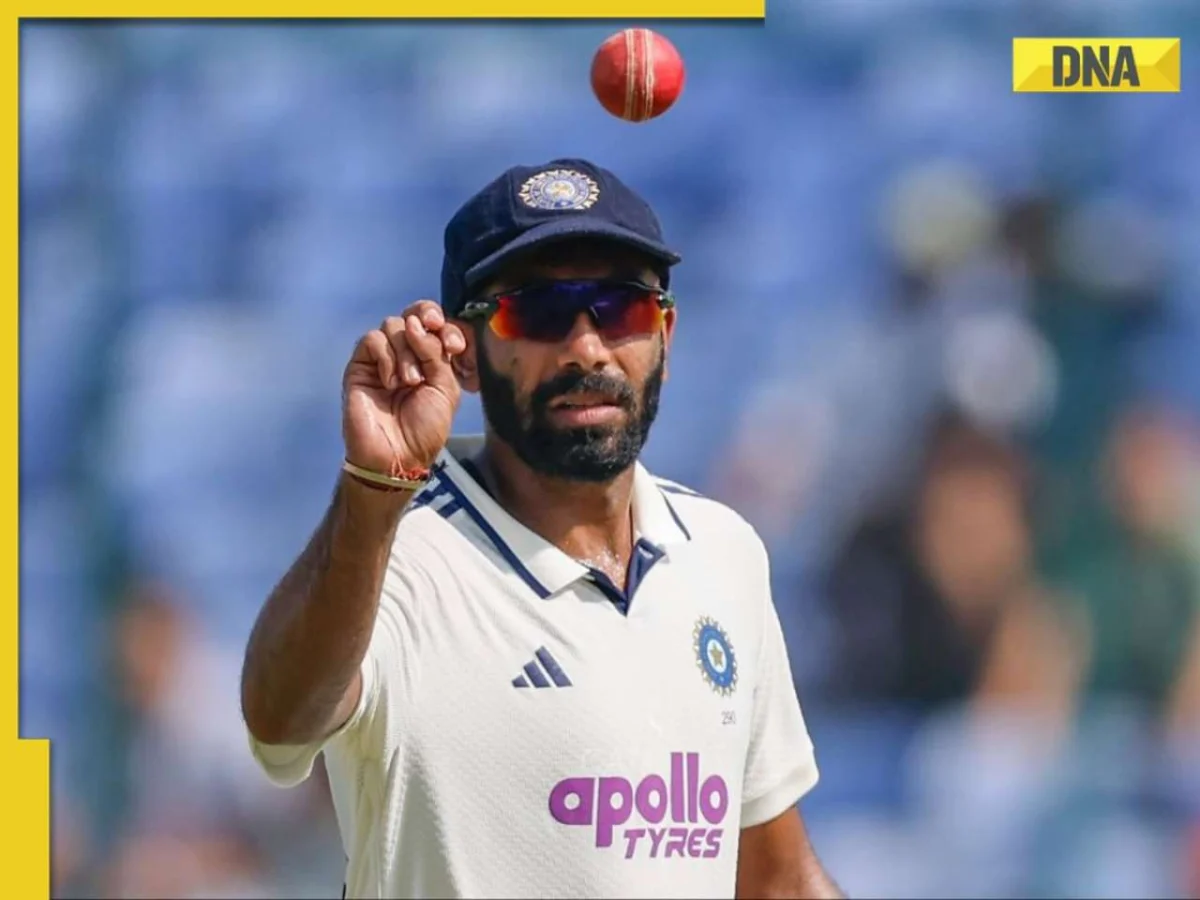
New Delhi, India – May 17, 2026 – As the dust settles on another electrifying Indian Premier League (IPL) season, the focus of Indian cricket shifts back to international commitments. The Board of Control for Cricket in India (BCCI) is reportedly finalising its squad plans for the upcoming series against Afghanistan, a significant fixture that includes a one-off Test and a three-match One Day International (ODI) series. Central to these discussions is the judicious management of star paceman Jasprit Bumrah’s workload, with indications suggesting he will feature in only one format. Simultaneously, the exceptional performances of several uncapped players in the recent IPL have not gone unnoticed, with at least two standout individuals believed to be on the cusp of a coveted national call-up.
The series against Afghanistan, while not part of the World Test Championship cycle, offers crucial preparation and opportunities for India to fine-tune its combinations ahead of more challenging assignments. The selection committee, led by Ajit Agarkar, is tasked with balancing the need for experience with the imperative to nurture fresh talent, all while safeguarding the fitness of its premier assets.
Key Developments and Immediate Outlook
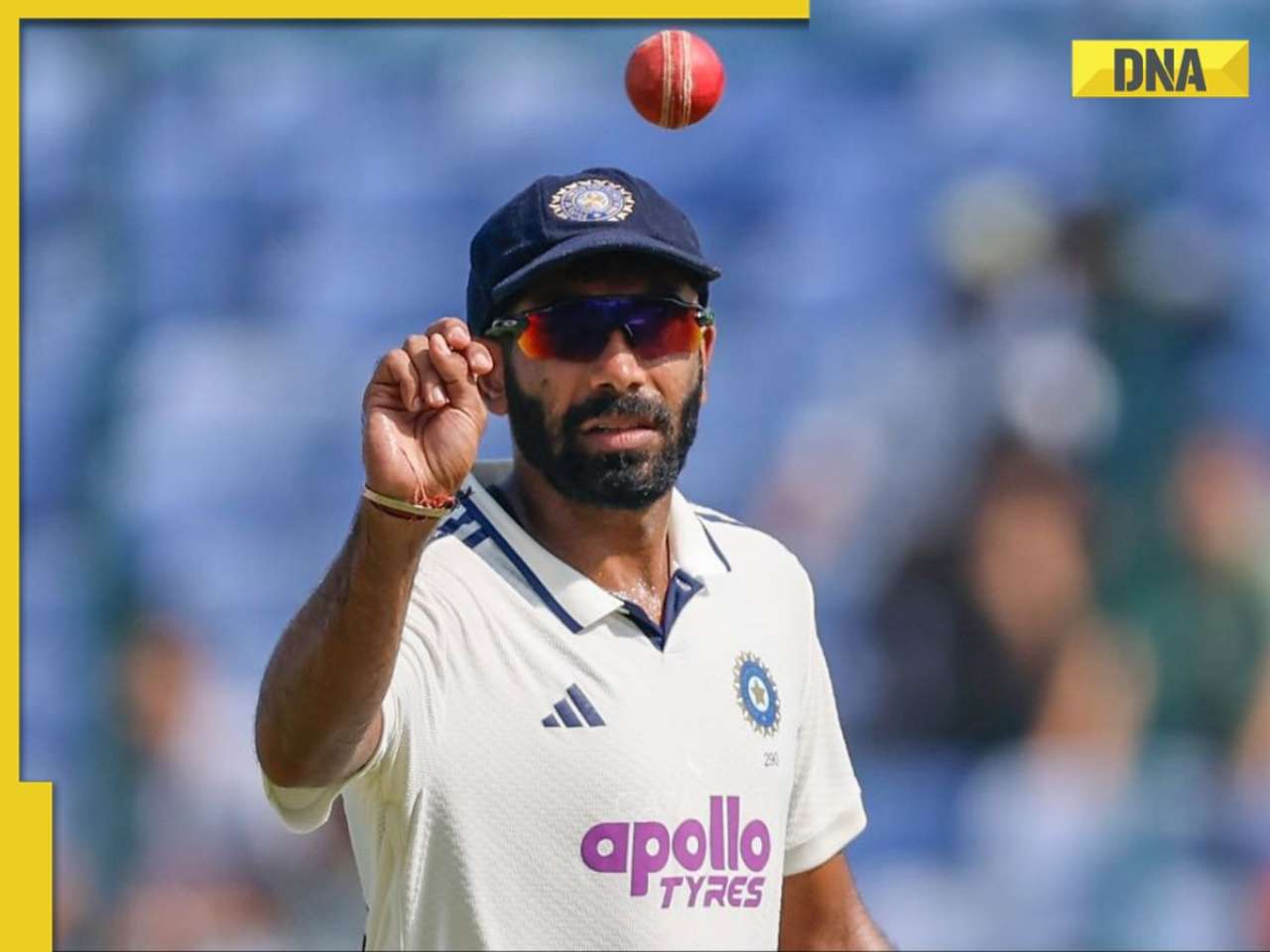
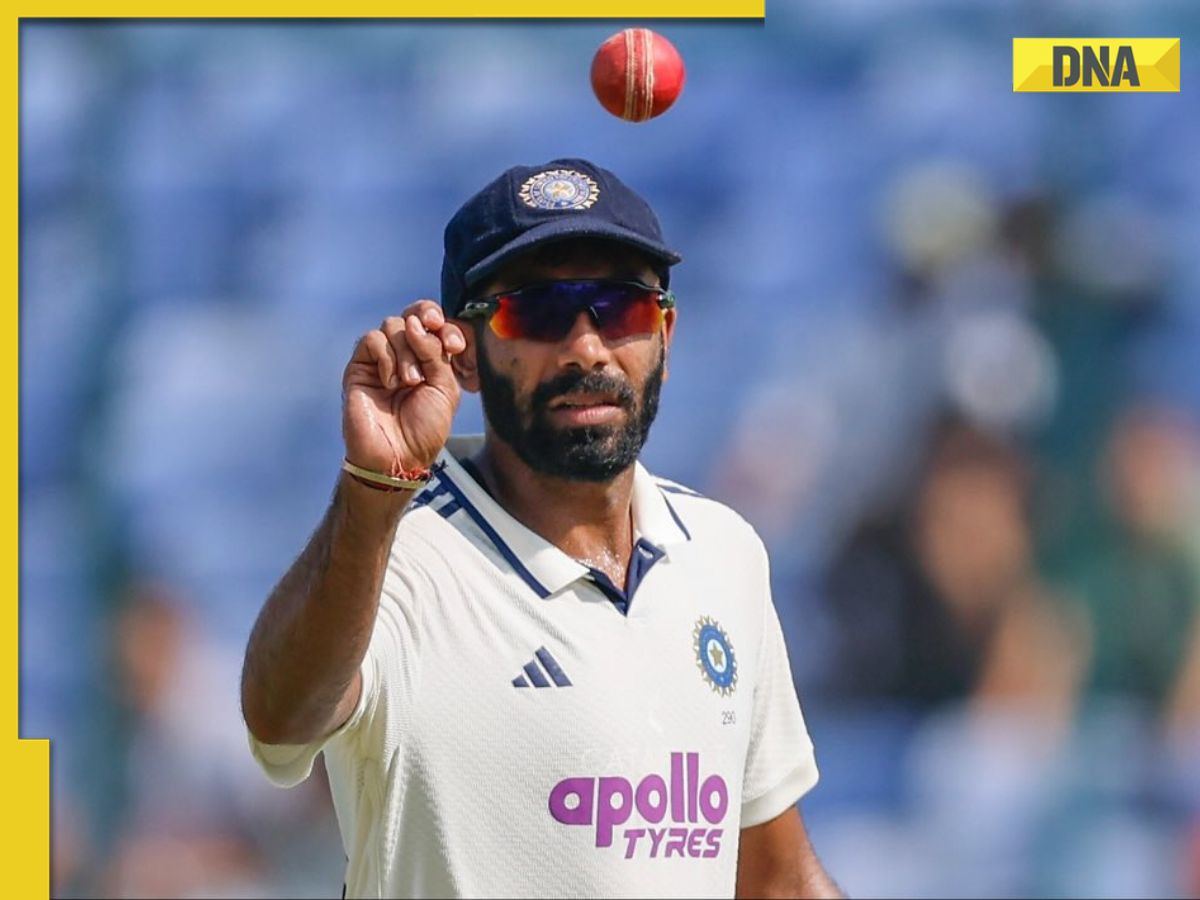
The core of India’s strategy for the Afghanistan series revolves around prudent workload management for its key players, particularly fast bowlers. Jasprit Bumrah, arguably the world’s most versatile and impactful pacer, is expected to be restricted to either the solitary Test match or the three ODIs, a decision aimed at preserving his fitness for critical future tours. This strategic rotation underscores the BCCI’s long-term vision for its star players, especially given Bumrah’s recent history with injuries.
Alongside this crucial decision, the national selectors are poised to reward a couple of bright talents who have shone brightly in the domestic circuit and, more recently, during the high-octane IPL. These potential inclusions signal a clear intent to broaden the talent pool and provide a pathway for deserving performers. The official announcement of both the Test and ODI squads is anticipated on May 19, generating considerable buzz among fans and pundits alike.
)
The upcoming series offers a unique blend of formats. The one-off Test, though not carrying WTC points, will allow the team to test its red-ball core, while the ODI series provides valuable white-ball exposure, especially given its proximity to the next ODI World Cup cycle. This series is also notable for featuring cricketing stalwarts Virat Kohli and Rohit Sharma, who currently exclusively represent India in the ODI format, making their appearances in the 50-over games particularly anticipated.
Series Schedule and Contextual Significance
The cricketing calendar for June is set to kick off with the much-anticipated Afghanistan series. The itinerary is as follows:

- One-Off Test Match: June 6-10, 2026, in New Chandigarh.
- 1st ODI: June 14, 2026, in Dharamsala.
- 2nd ODI: June 17, 2026, in Lucknow.
- 3rd ODI: June 20, 2026, in Chennai.
While the Test match against Afghanistan holds intrinsic value for team cohesion and individual performances, its exclusion from the World Test Championship cycle allows for a slightly more relaxed approach to selection, potentially opening doors for newer faces without the immediate pressure of WTC points. However, the selectors are reportedly keen to maintain a strong core, viewing it as vital preparation for the demanding away Test series against Sri Lanka and New Zealand that loom on the horizon. This strategic thinking suggests a dual objective: winning the current series convincingly while simultaneously building depth and momentum for future challenges.
The ODI series, on the other hand, carries a different weight. With the 2027 ODI World Cup cycle already in its nascent stages, every 50-over match provides an opportunity for players to cement their positions and for the team management to experiment with combinations. The presence of seasoned campaigners like Kohli and Sharma in this format underlines its importance, as their experience and leadership will be crucial in guiding the team and integrating new talent effectively. The choice of venues – the scenic Dharamsala, the historical Lucknow, and the cricketing hub of Chennai – promises diverse conditions that will test the team’s adaptability across different Indian surfaces.
)
Deep Dive into Player Performances and Potential Selections
The selection process for the Afghanistan series is intricate, balancing the need for continuity with the urgency of identifying and nurturing future stars. Several names are prominently featuring in the discussions, each bringing a unique set of skills and a compelling case for inclusion.
Jasprit Bumrah: The Workload Conundrum
Jasprit Bumrah’s availability is undoubtedly the most critical decision facing the selectors. The right-arm pacer has consistently proven to be India’s spearhead across all formats, his unique action, express pace, and pinpoint accuracy making him a nightmare for batsmen. His recent IPL performance has been stellar, showcasing his full range of skills after a period plagued by injuries. However, the memory of past setbacks, particularly stress fractures that kept him out for extended periods, dictates a cautious approach.
)
The team management’s philosophy of "workload management" is a well-established practice, especially for fast bowlers in the modern era of relentless cricket. For Bumrah, who thrives on rhythm but is also prone to the physical demands of his craft, playing both formats in quick succession could be counterproductive. If he is selected for the Test, he will likely be rested for the ODIs, and vice-versa. Sources suggest Bumrah himself has a strong affinity for Test cricket, often expressing his desire to don the whites for India. This personal preference, combined with the strategic importance of his presence in the longer format for the upcoming tougher tours, might sway the decision towards his inclusion in the Test squad. If he features in the Test, Mohammed Siraj and Prasidh Krishna would spearhead the ODI pace attack, offering a dynamic duo capable of extracting bounce and pace.
Emerging Pace Talent: Prince Yadav and Auqib Nabi
The injury setbacks to promising young pacers like Harshit Rana and Akash Deep have opened doors for other domestic performers. Among the most talked-about names is Prince Yadav from Delhi. Yadav has been in sensational form across formats, making a strong case for a national call-up. His performance in the last Vijay Hazare Trophy was exceptional, where he scalped 17 wickets in just 8 games, showcasing his ability to pick up wickets consistently in white-ball cricket. His impressive run continued in the recent IPL, where he claimed 16 wickets in 12 matches, often delivering crucial breakthroughs. A particular highlight was his dismissal of none other than Virat Kohli, a moment that undoubtedly caught the selectors’ attention. Yadav’s ability to generate pace, swing the ball, and deliver at the death makes him an exciting prospect, potentially filling the void left by injured pacers.
)
Another name generating significant buzz is Jammu and Kashmir’s Auqib Nabi. Nabi’s red-ball credentials are undeniable, having enjoyed a phenomenal last Ranji season where he bagged an astounding 60 wickets. This remarkable feat positions him as a strong contender for a reserve pacer slot, particularly if Bumrah is chosen for the Test and thus only two primary pacers are needed. Nabi’s consistency, stamina, and ability to exploit Indian conditions make him an attractive option. He faces competition from all-rounder Nitish Kumar Reddy, who has also impressed with his multi-faceted skills. However, if Bumrah does play the Test, India’s preference for typically three frontline pacers at home might mean Nabi has to wait longer for his debut. The selectors’ decision here will reflect their immediate priorities and long-term planning for the pace battery.
Batting Order Conundrum: The No. 3 Slot
The No. 3 batting position in the Test squad has been a subject of ongoing discussion. While the selectors are keen to stick with regulars for the Test series, there’s an active debate about potential changes. Devdutt Padikkal is reportedly in the running to replace Sai Sudharsan at this crucial slot. Padikkal, known for his elegant left-handed batting and strong domestic record, has shown glimpses of his potential at the international level and has been a consistent performer in first-class cricket. His ability to build long innings and adapt to different conditions could make him a valuable asset.
)
Other options for the No. 3 spot include Washington Sundar and Dhruv Jurel. Sundar, primarily known for his off-spin and lower-order batting, has also demonstrated his capability with the bat higher up the order in domestic cricket. His inclusion would provide a valuable all-round option. Dhruv Jurel, who has impressed with his wicketkeeping and gritty batting, is also being considered, potentially as a specialist batter, highlighting the selectors’ desire to find dynamic solutions for the middle order. The choice will likely hinge on the balance the selectors aim to achieve, considering both batting prowess and potential all-round contributions.
Spin Department: Consistency and Competition
India’s spin department remains a strong suit, with established names almost certain to feature. Ravindra Jadeja, with his all-round brilliance, and Kuldeep Yadav, the masterful left-arm wrist-spinner, are automatic choices. Washington Sundar is also a strong contender, offering control with his off-spin and useful contributions with the bat.
)
The main point of contention appears to be the fourth spinner’s spot, particularly that of Axar Patel. His performance in the recent South Africa series was not as impactful as expected, raising questions about his automatic inclusion. This opens the door for Manav Suthar, another promising left-arm orthodox spinner, who could push Axar for a spot. Suthar has been a consistent performer in domestic cricket and represents a fresh, exciting option. While experience might ultimately tip the scales in Axar’s favour, the competition signifies the depth of India’s spin talent. Harsh Dubey, recently picked for the Sri Lanka A tri-series, is not expected to be in contention for the senior squad this time around, indicating a layered approach to player development.
Wicketkeepers: No Surprises Expected
The wicketkeeping slots are expected to be straightforward. Rishabh Pant and Dhruv Jurel are the frontrunners, offering a blend of aggressive batting, solid glovework, and leadership potential. Pant’s return to form and fitness has been a major boost for Indian cricket, while Jurel’s emergence has provided a reliable backup and a future prospect. Their inclusion ensures both experience and youthful exuberance behind the stumps.
)
Inferred Official Responses and Strategic Philosophy
While no direct official statements regarding the squad selection have been released, the strategic decisions being discussed allow for inferences about the selection committee’s philosophy and the team management’s priorities.
Workload Management as a Mandate: It is understood that the BCCI and the team management have formalised a robust workload management protocol for key players, especially multi-format fast bowlers. This proactive approach stems from past experiences where crucial players suffered injuries due to continuous play, impacting India’s performance in major tournaments. For a player like Bumrah, who is irreplaceable, ensuring his longevity takes precedence over his participation in every single series. This isn’t just a suggestion; it’s a strategic mandate designed to maximise player availability for high-stakes encounters.
)
"No Experimentation" for Tests, but Room for Innovation in ODIs: The reported inclination to "stick with the regulars" for the Test squad against Afghanistan, particularly with tough away series against Sri Lanka and New Zealand on the horizon, reflects a desire for stability and continuity in the red-ball format. The selectors aim to build a cohesive unit that understands its roles and can adapt to challenging conditions. However, this philosophy does not preclude carefully considered changes, such as the potential shift at No. 3. The ODI series, being less immediately critical in terms of WTC points, might offer more leeway for trying out new combinations and assessing the temperament of IPL standouts under international pressure.
Rewarding Domestic and IPL Excellence: The strong consideration for players like Prince Yadav and Auqib Nabi underscores a clear message from the selectors: consistent performance in domestic cricket and impactful showings in the IPL will be rewarded. This policy is vital for maintaining a competitive environment within Indian cricket and ensuring a steady supply of talent to the national team. It also demonstrates an understanding that the IPL, despite its T20 format, can be a crucial proving ground for players under intense pressure.
)
Building Bench Strength: The discussions around reserve pacers, alternative spinners, and batting options highlight a conscious effort to deepen India’s bench strength across all formats. With a packed international calendar and the unpredictable nature of player injuries, having a ready pool of talented individuals who can step up seamlessly is paramount for India’s sustained success.
Implications and Future Outlook
The squad selection for the Afghanistan series carries significant implications, not just for the immediate contests but also for India’s long-term cricketing roadmap.
)
Impact on Team Balance: The decision regarding Bumrah’s format will directly influence the team’s balance. If he plays the Test, the ODI pace attack will rely heavily on Siraj and Krishna, testing their ability to lead the charge. Conversely, if he features in the ODIs, the Test pace attack will need to compensate for his absence, potentially relying more on the spin department. The inclusion of multi-utility players like Washington Sundar and Nitish Kumar Reddy also speaks to the desire for versatile options that can provide balance with both bat and ball.
Future Roadmap for Tests: The Test series, while standalone, is a critical stepping stone for the upcoming away tours against Sri Lanka and New Zealand. These will be challenging assignments, and the selectors will use the Afghanistan series to assess the form and readiness of key players, particularly in batting and pace bowling. The "no experimentation" mantra for Tests suggests a focus on solidifying the core group that will undertake these tougher tours.
)
ODI World Cup Cycle Beginnings: The ODI series marks an early phase in the build-up to the 2027 ODI World Cup. Every match is an opportunity to identify potential World Cup squad members, test strategies, and refine roles. The continued presence of Kohli and Sharma in this format is crucial for leadership and experience, while the potential introduction of new faces will indicate the direction the team management wishes to take in terms of building a dynamic and future-ready squad.
Player Development and Motivation: Providing national call-ups to deserving IPL and domestic performers like Prince Yadav and Auqib Nabi serves as a powerful motivator for countless other cricketers aspiring to represent India. It reinforces the idea that hard work and consistent performances across various platforms will be recognised. This robust pathway from domestic to international cricket is essential for the health and vibrancy of Indian cricket.
)
The Workload Management Debate: A Necessity: The recurring debate around workload management, especially for Bumrah, underscores a fundamental shift in how modern cricket views player well-being. With T20 leagues, bilateral series, and ICC tournaments packed into the calendar, safeguarding key assets is not just good practice but a strategic imperative. While fans always want to see their star players in action, a balanced approach ensures these players remain fit and impactful for the most crucial contests over an extended period.
Afghanistan’s Challenge: While the focus is heavily on India’s squad, it’s important to acknowledge the challenge Afghanistan presents. They have rapidly emerged as a competitive force, particularly in white-ball cricket, possessing a formidable spin attack and some explosive batters. While their Test match experience is limited, they are a team that plays with passion and unpredictability. The series will not be a walkover for India, especially in the ODIs, and will provide a stern test for the chosen Indian contingent.
)
In conclusion, the impending squad announcement for the Afghanistan series is more than just a list of names; it’s a clear articulation of India’s strategic vision. It balances the immediate need for victory with the long-term goals of player development, workload management, and building a formidable team for future global challenges. The decisions made on May 19 will set the tone for India’s international cricket engagements in the coming months, offering a glimpse into the future of one of the world’s most dominant cricketing nations.
