

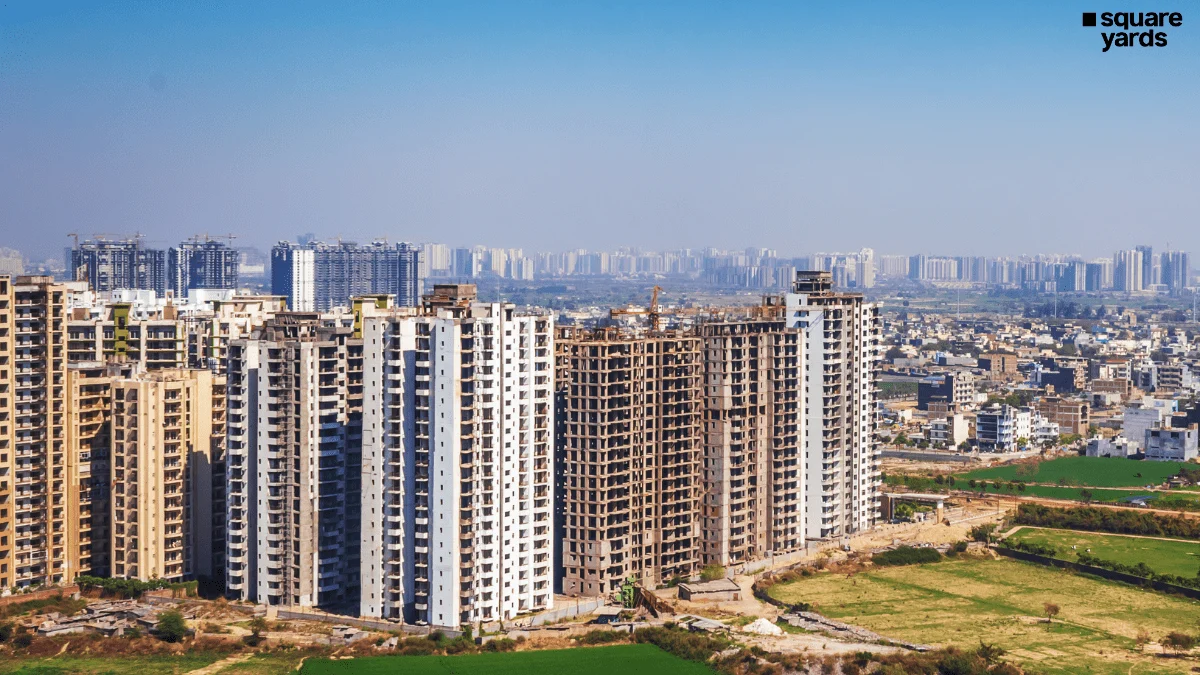
LUCKNOW — In a move that promises to dismantle a long-standing predatory practice in the real estate sector, the Uttar Pradesh Real Estate Regulatory Authority (UP RERA) has officially capped the administrative fee for transferring property ownership to legal heirs at a nominal ₹1,000. This regulatory intervention marks a significant victory for consumer rights, effectively ending the era where developers leveraged family tragedies for financial gain by charging exorbitant "transfer charges" that often reached into the tens of lakhs.
The directive, issued by the state’s apex real estate watchdog, seeks to bring much-needed uniformity, transparency, and empathy to a process that has historically been fraught with legal disputes and financial extortion. By standardizing these costs, UP RERA is not only protecting the financial interests of grieving families but also streamlining the succession process in one of India’s most active property markets.
1. The Core Mandate: Ending Arbitrary Levies
The primary objective of the new UP RERA ruling is to eliminate the "arbitrary and irrational" fees imposed by builders when a property owner passes away. For years, developers across Noida, Greater Noida, Ghaziabad, and Lucknow have treated the transfer of a flat or apartment to a deceased owner’s family as a secondary revenue stream.
The New Fee Structure
Under the revised framework, the following rules now apply across the state:
- Transfer to Immediate Legal Heirs: The maximum fee a builder can charge is strictly capped at ₹1,000.
- Definition of Immediate Family: This nominal fee applies specifically to the spouse, son, or daughter of the deceased property holder.
- Transfer to Non-Family Members: For transfers involving individuals outside the immediate family (third-party transfers), the authority has established a maximum ceiling of ₹25,000.
- Procedural Simplification: UP RERA has clarified that no fresh sale deed or lease agreement is required for transfers to legal heirs, significantly reducing the burden of stamp duty and registration complexities.
Documentation Requirements
To avail of this capped fee, legal heirs are required to submit a standardized set of documents to the developer, including:
- A certified copy of the Death Certificate of the original allottee.
- Succession Certificate or legal heirship documents issued by a competent civil authority or court.
- No Objection Certificates (NOCs) from other surviving legal heirs to ensure there are no internal family disputes regarding the claim.
2. Chronology of the Crisis: From Exploitation to Regulation
The journey toward this regulation was paved by years of systemic exploitation and a mounting pile of litigation. Understanding how the market reached this point is essential to appreciating the significance of the RERA intervention.
The Era of "Per Square Foot" Extortion (2010–2023)
In the absence of clear state guidelines, developers began incorporating "transfer charge" clauses into Builder-Buyer Agreements (BBAs). While these clauses were ostensibly meant to cover administrative costs, they evolved into a percentage-based or area-based tax.
Reports analyzed by the authority revealed that builders were charging anywhere between ₹200 and ₹1,000 per square foot. For a standard 2,000-square-foot luxury apartment, a family would be forced to pay between ₹4 lakh and ₹20 lakh simply to have the name on the maintenance records changed.
The Surge in Litigation
As property prices in the National Capital Region (NCR) skyrocketed, so did these transfer fees. Families already reeling from the emotional and financial shock of losing a breadwinner found themselves locked in legal battles with well-funded developers. Between 2020 and 2024, UP RERA saw a 35% increase in complaints specifically related to "non-cooperation in name transfer" and "extortionate transfer demands."
The Regulatory Pivot (May 2024 – May 2026)
Following a series of public hearings and internal audits, the UP RERA bench, led by Chairman Sanjay Bhoosreddy, recognized that these charges were not only unethical but lacked a legal basis under the Real Estate (Regulation and Development) Act, 2016. The authority concluded that since the full value of the property—including the developer’s profit—had already been paid, the act of updating a name in the records was a minor administrative task that did not justify a windfall for the builder.
3. Supporting Data: The Financial Burden on Homeowners
To understand the impact of this ruling, one must look at the data surrounding the previous fee structures. The disparity between the actual cost of administration and the fees charged by developers was staggering.
| Property Size (Sq. Ft.) | Builder Charge (Avg ₹500/sq.ft.) | New UP RERA Fee | Savings for Family |
|---|---|---|---|
| 1,000 (2BHK) | ₹5,00,000 | ₹1,000 | ₹4,99,000 |
| 1,500 (3BHK) | ₹7,50,000 | ₹1,000 | ₹7,49,000 |
| 2,500 (4BHK/Penthouse) | ₹12,50,000 | ₹1,000 | ₹12,49,000 |
| 5,000 (Luxury Villa) | ₹25,00,000 | ₹1,000 | ₹24,99,000 |
Market Statistics
- Affected Units: An estimated 1.5 million apartments in Uttar Pradesh are currently under the jurisdiction of RERA, where this rule will have an immediate impact.
- Dispute Resolution: Experts predict that this single move will resolve approximately 15% of the pending administrative disputes currently clogging the RERA tribunals.
- Economic Relief: Collectively, this regulation is expected to save Uttar Pradesh homebuyers an estimated ₹200–₹300 crore annually in avoided transfer fees.
4. Official Responses: A Commitment to Transparency
The announcement has drawn widespread commentary from government officials, regulatory bodies, and industry stakeholders.
The Regulator’s Stance
Sanjay Bhoosreddy, Chairman of UP RERA, has been the vocal architect of this change. In a statement following the order, he emphasized the moral obligation of the authority:
"We received numerous complaints where families were being asked to pay ₹20 lakh to ₹30 lakh just to transfer a flat into the name of a widow or a child. This was unacceptable. The property has already been sold; the builder has no right to claim a share of the inheritance. By fixing the fee at ₹1,000, we are ensuring that the right of succession is not treated as a commercial transaction."
Government Perspective
Sources within the Uttar Pradesh Department of Housing and Urban Planning suggest that this move aligns with the Chief Minister’s vision of "Ease of Living." By reducing the friction in property ownership, the state aims to make the real estate market more attractive to long-term investors and end-users who were previously wary of "hidden costs."
Industry Reaction
While major developer bodies like CREDAI (Confederation of Real Estate Developers’ Associations of India) have expressed concerns regarding the "administrative costs" of vetting legal documents, the general consensus is one of compliance. Industry analysts suggest that while builders lose a minor revenue stream, the increase in buyer confidence will likely lead to better sales velocity in the long run.
5. Implications: Reshaping the Real Estate Landscape
The ripple effects of this decision extend far beyond the ₹1,000 fee. It signals a fundamental shift in the power dynamics between builders and buyers.
Psychological and Social Impact
For a family in mourning, the administrative hurdle of dealing with a developer can be traumatic. This ruling provides a "fast-track" emotional and legal exit from such stress. It affirms that the home is a private asset, and the developer’s role ends once the project is handed over and the maintenance period is established.
Strengthening the Secondary Market
One of the biggest bottlenecks in the resale (secondary) market was the uncertainty of transfer fees. Buyers and sellers often haggled over who would pay the builder’s 2% or 5% transfer charge. With a clear cap of ₹25,000 for non-family transfers and ₹1,000 for heirs, the liquidity of apartments in Uttar Pradesh is expected to improve. Properties will become easier to sell and transfer, as the "exit cost" is now predictable and low.
Legal Precedent for Other States
Uttar Pradesh is often a bellwether for real estate regulation in India. Experts believe that RERA authorities in Maharashtra (MahaRERA), Haryana (HRERA), and Karnataka will face increasing pressure from homebuyer advocacy groups to implement similar caps. This could lead to a nationwide standard for property inheritance fees.
Reduction in "Black Money" Transactions
High transfer fees often encouraged buyers and developers to under-report transaction values or delay formal transfers, leading to the proliferation of "unrecorded" ownership. By making the legal transfer process virtually free (₹1,000), UP RERA is incentivizing families to formalize their paperwork immediately, leading to cleaner title records and better urban governance.
6. Conclusion: A Step Toward a Mature Market
The UP RERA’s decision to cap transfer fees is more than a mere price adjustment; it is a declaration of consumer sovereignty. By identifying and closing a loophole that allowed for the monetization of death and inheritance, the authority has moved the needle toward a more ethical and mature real estate market.
As Uttar Pradesh continues to position itself as a premier destination for housing and infrastructure, such regulatory clarity will be the bedrock of its success. For the thousands of families who will no longer have to set aside a small fortune just to keep their family home, the ₹1,000 cap is not just a saving—it is justice.
The move serves as a reminder to the developer community that the post-sale relationship with a buyer must be based on service and maintenance, not on the exploitation of legal necessities. As the rule takes effect, the focus now shifts to enforcement, ensuring that every builder, from the smallest local developer to the largest national conglomerate, adheres to the spirit and the letter of this landmark directive.
