

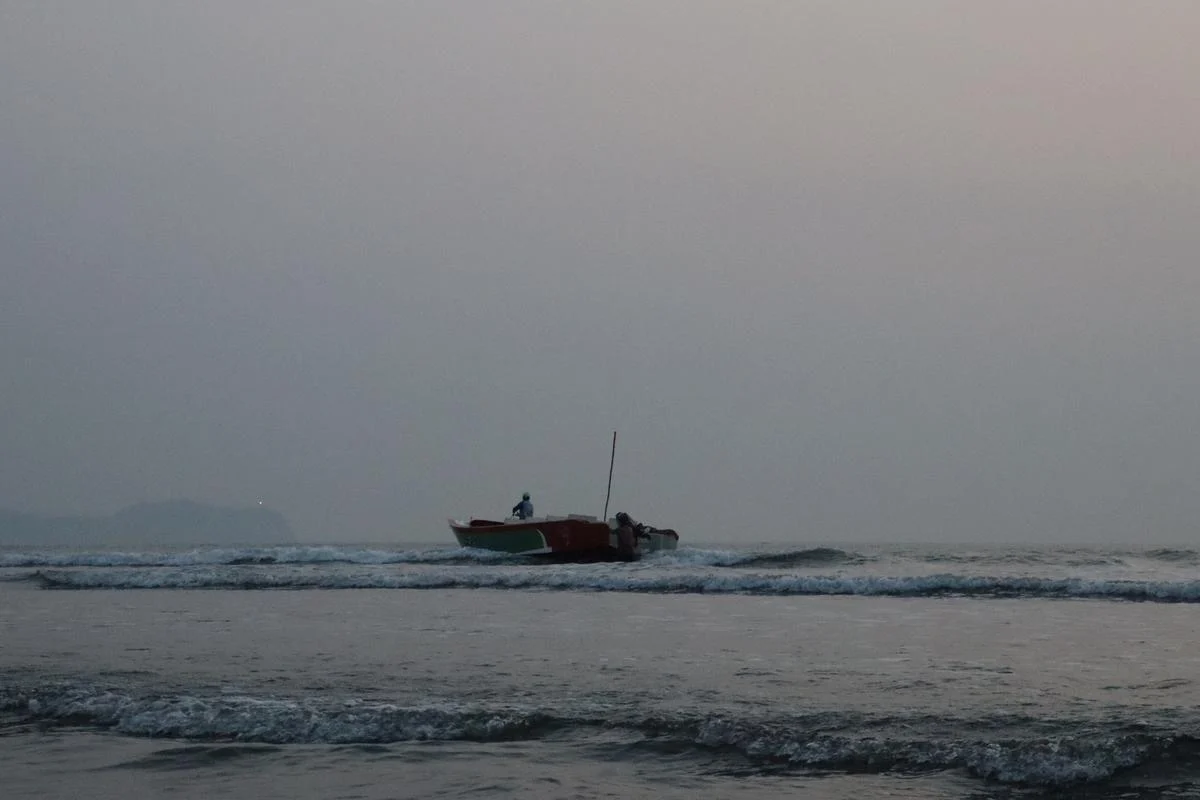
Dapoli, often referred to as the "Mini Mahabaleshwar" of the Konkan coast, has emerged as a premier destination for travelers seeking a reprieve from the relentless pace of urban life. Located in the Ratnagiri district of Maharashtra, this coastal hill station offers a rare blend of historical forts, ancient cave temples, pristine beaches, and a culinary heritage that reflects the rich biodiversity of the Western Ghats.
As experiential tourism gains momentum in India, Dapoli stands out as a testament to "slow travel." In February 2024, a journey through this region revealed not just a vacation spot, but a cultural landscape defined by its spiritual landmarks, architectural marvels, and the seasonal rhythm of its famous mango orchards.
Main Facts: The Geographic and Cultural Significance of Dapoli
Dapoli’s allure lies in its unique geography. Situated at an altitude of approximately 800 feet above sea level, it enjoys a cooler climate than most coastal towns in Maharashtra. It serves as a gateway to several ecological and historical landmarks that define the Ratnagiri district.
A Hub of Coastal Heritage
The region is characterized by its "Kadyavarcha" (on the cliff) structures and sea-facing fortifications. It is home to the 12th-century Ganpati temples and the strategically significant Himmatgad Fort, which offers a window into the colonial and Maratha history of the 18th century.
The Gastronomic Identity
The culinary landscape of Dapoli is dictated by the Konkan’s natural bounty. From the Geographical Indication (GI) tagged Alphonso mangoes (Hapus) to the use of Kokum (Garcinia indica) and fresh coconut, the local diet is both a nutritional powerhouse and a sensory delight. The region is particularly famous for its seafood and traditional sweets like Ukadiche Modak.
Ecological Diversity
Dapoli’s coastline is a mosaic of different beach types. While Anjarle is known for its turtle nesting (Olive Ridley turtles), Tamastirth is famed for its unique reddish-tinted waters, a phenomenon caused by the mineral composition of the surrounding soil and rocks.
Chronology of Exploration: A Four-Day Immersion
The following timeline details a four-day excursion through the heart of the Ratnagiri district, highlighting the transition from spiritual discovery to historical inquiry.
Day 1: Spiritual Beginnings and Maritime Navigation
The journey commenced with a visit to the Kadyavarcha Ganpati Temple in Anjarle. This 12th-century structure is architecturally significant, perched atop a hill overlooking the Arabian Sea. Unlike most idols, the Ganesh deity here features a trunk turned toward the right (Ujwya Sondecha Ganpati), a feature considered highly auspicious and rare in Hindu iconography. Adjacent to this sits a tranquil Shiva temple, completing the spiritual complex.
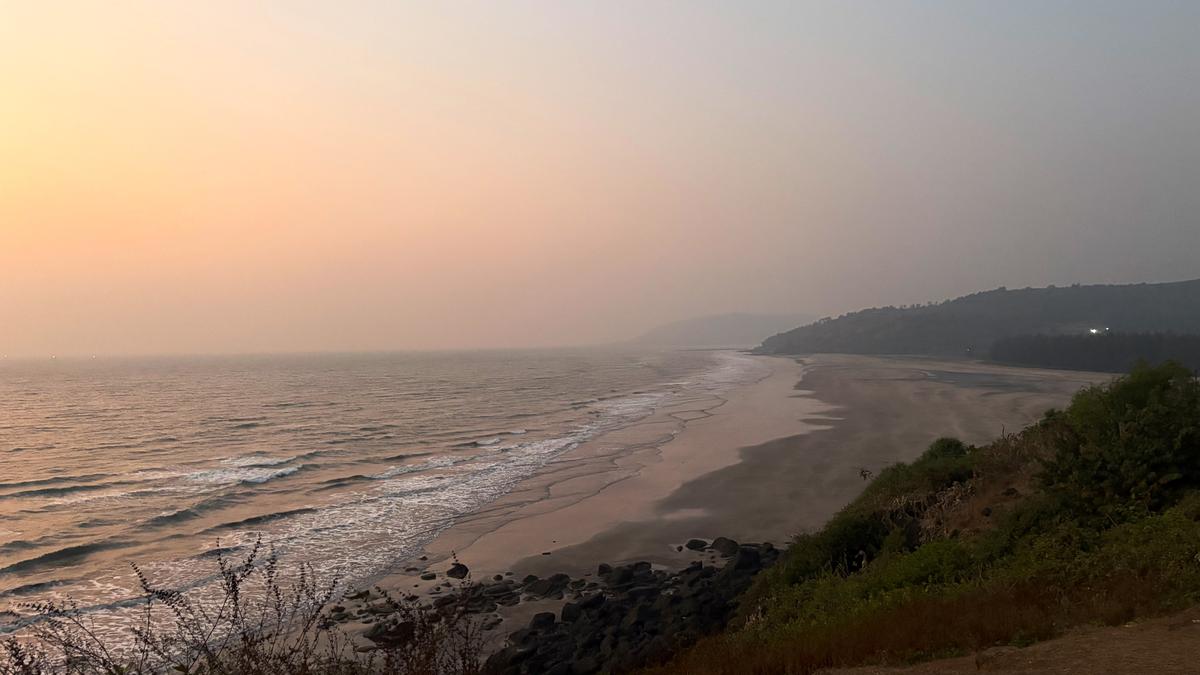
Following the temple visit, the itinerary shifted toward the coast. A short drive led to the Kelshi (Anjarle) Lighthouse. Standing 30 meters tall, this functional maritime sentinel possesses a light range of 23 nautical miles. It remains a critical navigation aid for fishing vessels and commercial boats traversing the Arabian Sea. The evening concluded at Anjarle Beach, a pristine stretch of sand illuminated by the moon, offering a stark contrast to the commercialized beaches of North Maharashtra.
Day 2: The Red Sands and Culinary Traditions
The second day focused on the ecological peculiarities of the Konkan. The exploration included Kelshi Beach, a three-kilometer-long secluded stretch known for its dramatic sunsets, and Tamastirth Beach. The latter is a geological curiosity; its waters often appear reddish, reflecting the iron-rich laterite soil of the Konkan hills.
The evening was dedicated to the "Thali" culture of the region. The meal featured:
- Konkani Curries: Utilizing raw jackfruit and fresh coconut milk.
- Seafood Specialities: Freshly caught Prawns, Pomfret, and Surmai (King Mackerel) prepared with local Malvani masalas.
- Traditional Breads: Rice-flour rotis (Bhakri) and Puran Poli.
Day 3: Historical Fortifications and Mango Orchards
The third day involved a two-hour drive to Himmatgad Fort, also known as Bankot Fort or Fort Victoria. The route was lined with sprawling mango orchards. In February, these orchards were in full bloom, signaling the onset of the Hapus (Alphonso) season.
Himmatgad holds immense historical weight as it was the first British possession in the Konkan, ceded to them in 1756. The fort remains largely untouched by modern commercialization. Visitors can still see a solitary cannon bearing the 1797 etching and the British Crown symbol. The fort’s bastions provide a panoramic view of the Savitri River meeting the Arabian Sea.
Day 4: Architectural Innovation and Cave Temples
The final leg of the journey took place in Burondi village at "Parshuram Bhumi." This site features a 21-foot-high statue of Lord Parshuram standing on a semi-circular dome. The dome is an architectural feat using the ferrocrete technique, creating a meditation hall with unique acoustic properties where chants echo with perfect symmetry.
The trip concluded at the Chandika Devi Temple in Dabhol. This ancient temple is situated inside a natural cave, lit entirely by oil lamps. The absence of artificial lighting and the presence of the vermillion-covered idol create an atmosphere of primordial spirituality.
Supporting Data: The Economics and Ecology of Dapoli
To understand Dapoli’s significance, one must look at the data surrounding its primary industries: tourism and agriculture.
The Alphonso Economy
Ratnagiri and Sindhudurg districts produce the bulk of India’s Alphonso mangoes. The GI tag ensures that only mangoes grown in this specific laterite soil can be marketed as "Ratnagiri Hapus." This industry supports thousands of local farmers and is a major draw for "agro-tourism" during the months of March to June.
Coastal Biodiversity
The beaches of Dapoli are part of a sensitive ecological zone. The Anjarle and Velas belt is famous for the Turtle Festival, where thousands of Olive Ridley hatchlings make their way to the sea. This has spurred a community-led conservation model where locals provide homestays for tourists, linking environmental protection with economic gain.

Culinary Ingredients
The use of Kokum is not merely culinary but medicinal. It acts as an anti-bilious agent, essential for the humid coastal climate. Solkadhi, the signature pink drink made from Kokum and coconut milk, is scientifically recognized for its digestive properties, making it a staple accompaniment to the protein-heavy seafood meals of the region.
Official Responses and Tourism Infrastructure
While the travelogue reflects a personal journey, the development of Dapoli is part of a broader state-level strategy.
MTDC Initiatives
The Maharashtra Tourism Development Corporation (MTDC) has identified the Dapoli-Guhagar belt as a "Tourist Circuit." Efforts are being made to improve road connectivity, specifically the coastal highway (Sagari Mahamarg), which aims to reduce travel time from Mumbai and Pune while offering scenic vistas.
Focus on Sustainable Tourism
Local administrative bodies in Ratnagiri have been vocal about maintaining the "pristine" nature of these beaches. Unlike the high-density tourism seen in North Goa, the official stance in Dapoli favors boutique resorts and homestays. This approach aims to prevent the ecological degradation of the Konkan’s sensitive coastline.
Heritage Conservation
The Archaeological Survey of India (ASI) and state departments have faced calls from local historians to further fortify the ruins of Himmatgad. While the fort remains a "protected monument," there is an ongoing dialogue regarding the restoration of its inner chambers and the preservation of the 18th-century cannons.
Implications: The Rise of the "Slow Living" Movement
The trip to Dapoli underscores a significant shift in Indian travel patterns. The "urban chaos" mentioned by the travelers is a driving force behind the growth of destinations that offer "serenity" and "authenticity" over luxury and nightlife.
Psychological Well-being
The therapeutic nature of watching a sunset over the Anjarle hills or the silence of a cave temple in Dabhol highlights the mental health benefits of nature-centric travel. In a post-pandemic world, travelers are increasingly prioritizing "wellness" and "bonding" over check-list sightseeing.
Economic De-centralization
By choosing destinations like Dapoli over major metros, tourists contribute to the de-centralization of the economy. Money spent on Aliv ladoos at a temple stall or Solkadhi from a village vendor goes directly into the local micro-economy, supporting traditional crafts and farming.
The Future of the Konkan
As infrastructure improves, the challenge for Dapoli will be balancing growth with preservation. The very "seclusion" that makes it attractive is at risk if mass tourism is not managed sustainably. However, for now, Dapoli remains a sanctuary for those looking to experience the soul of Maharashtra—one mango orchard and one moonlit beach at a time.
