

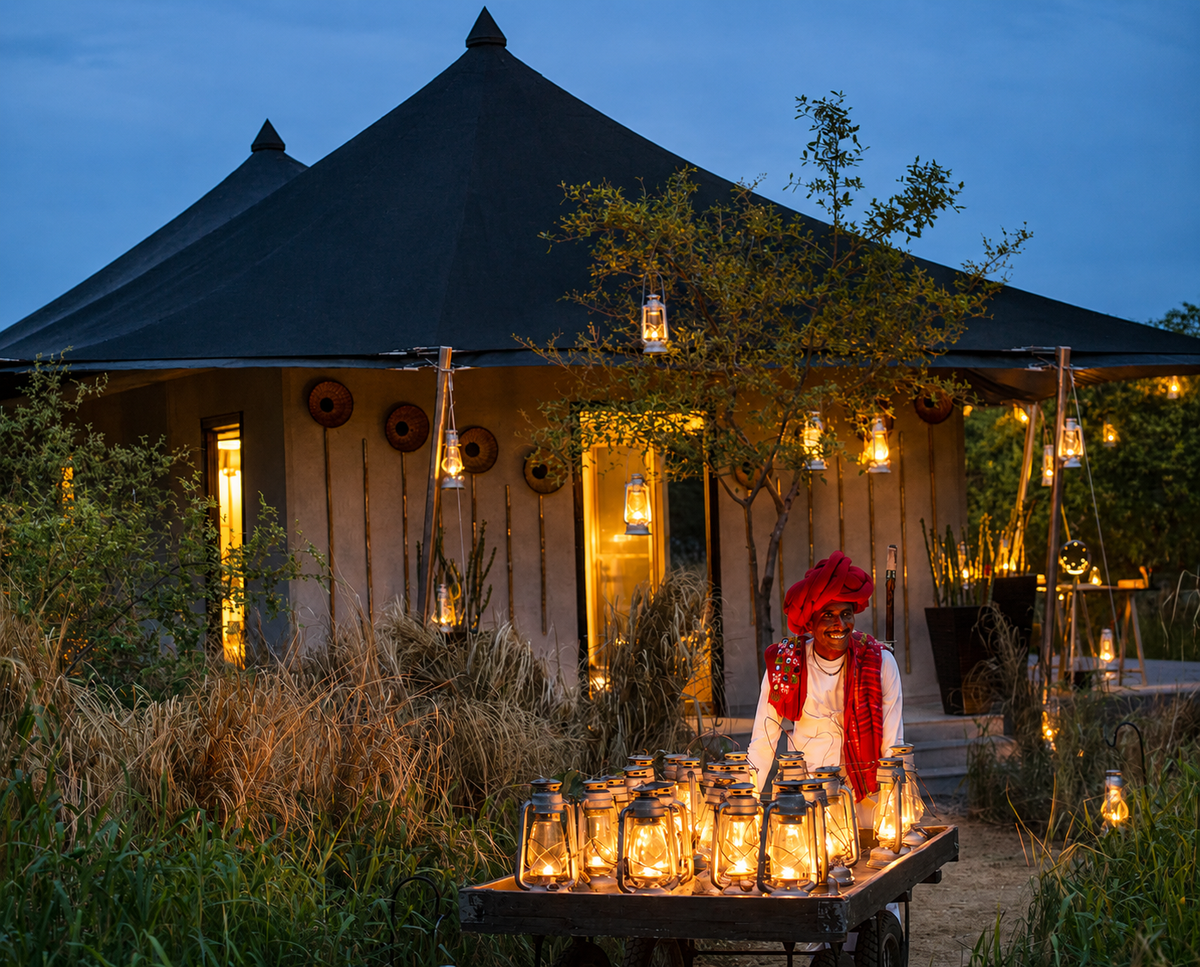
At Bori Safari Lodge—a 12-room sanctuary perched on the edge of the Bori Wildlife Sanctuary in Madhya Pradesh—the transition from day to night is not merely a change in light, but a shift in frequency. Operated by the boutique, conservation-centric hospitality brand Jehan Numa Wilderness, the lodge sits within the ancient Satpura landscape. Here, the atmosphere is a world away from the frenetic, high-octane "tiger circuits" of Central India. In Satpura, luxury is defined by an earthy, grounded sensibility: mud-toned architecture that blends into the scrub, lantern-lit pathways that flicker against the encroaching dark, and the rhythmic symphony of cicadas and nightjars.
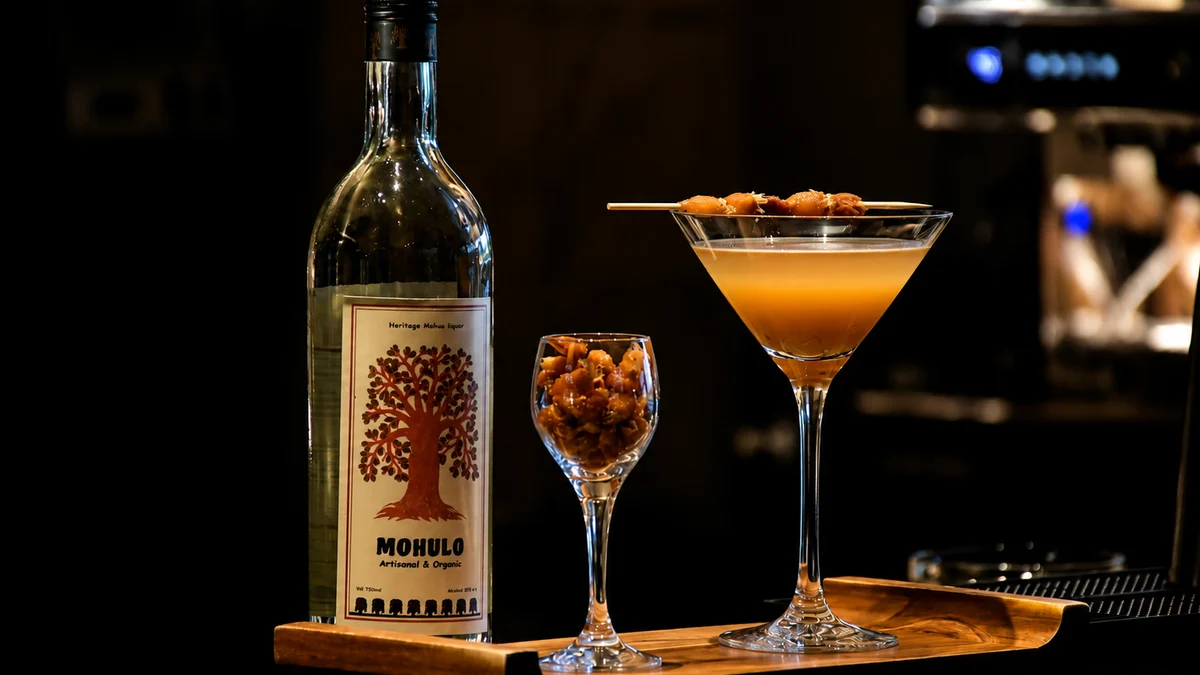
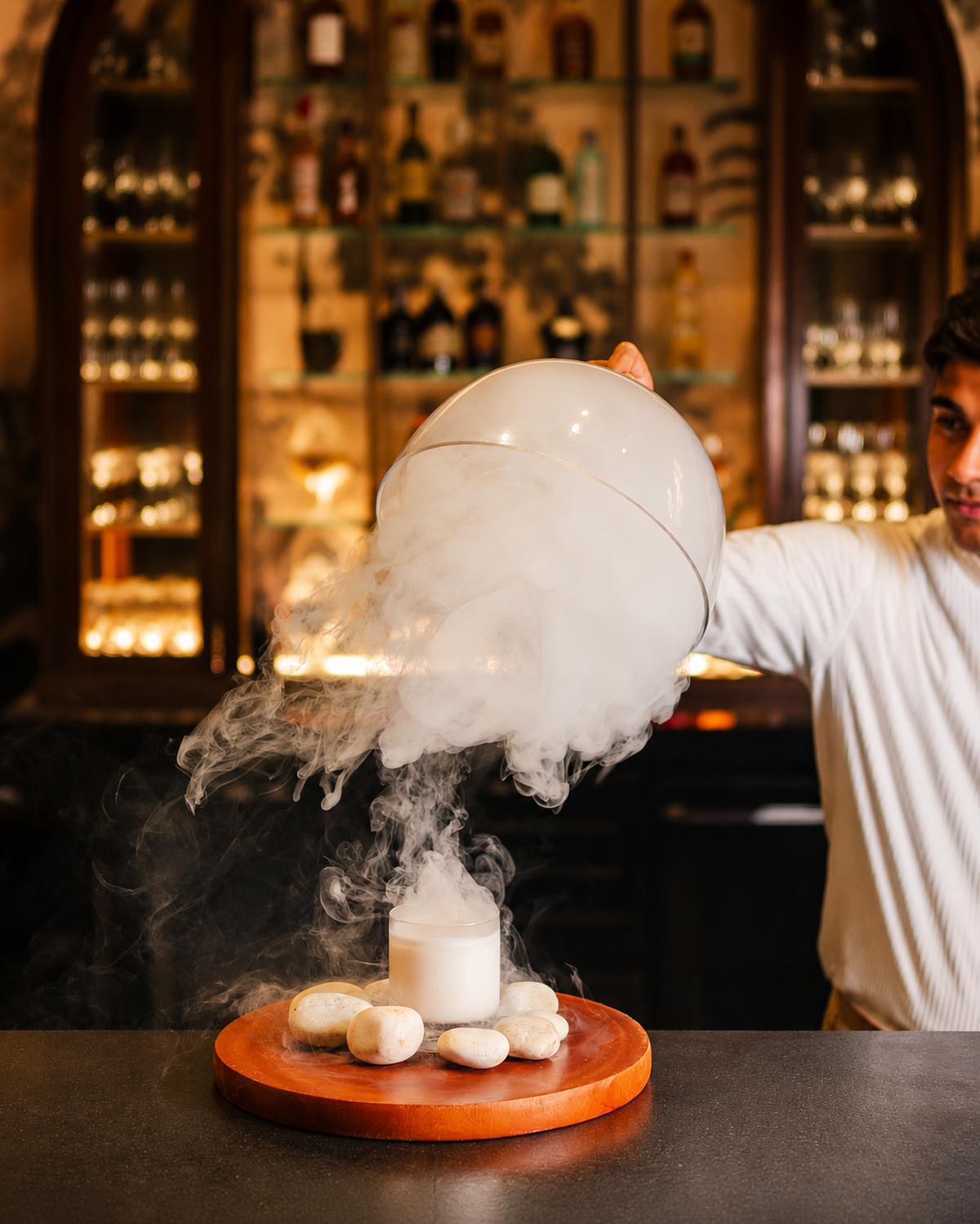
However, the most significant evolution in this wilderness experience isn’t found in the upholstery or the optics of the architecture; it is found at the bar. The signature "Chapda Chutney Picante" is a testament to this shift. A smoky, sharp, and unexpectedly layered cocktail, it combines tequila and agave with the fiery tang of chapda—a red ant chutney traditionally consumed by tribal communities across Central India. It is a drink that offers heat, citrus, and a lingering umami depth, serving as a liquid map of the landscape itself.
This is the new face of Indian safari tourism: a movement that transcends the "checklist" mentality of animal sightings to embrace a holistic, epicurean immersion into the wild.
The Main Facts: A Paradigm Shift in Wilderness Hospitality
The Indian safari experience has undergone a radical transformation over the last decade. Historically, wildlife tourism in the subcontinent was a Spartan affair, characterized by grueling pre-dawn drives, dusty tracks, and a singular, often obsessive focus on spotting the Royal Bengal Tiger. While the "Big Cat" remains a primary draw, a new demographic of travelers is redefining the objective of the journey.
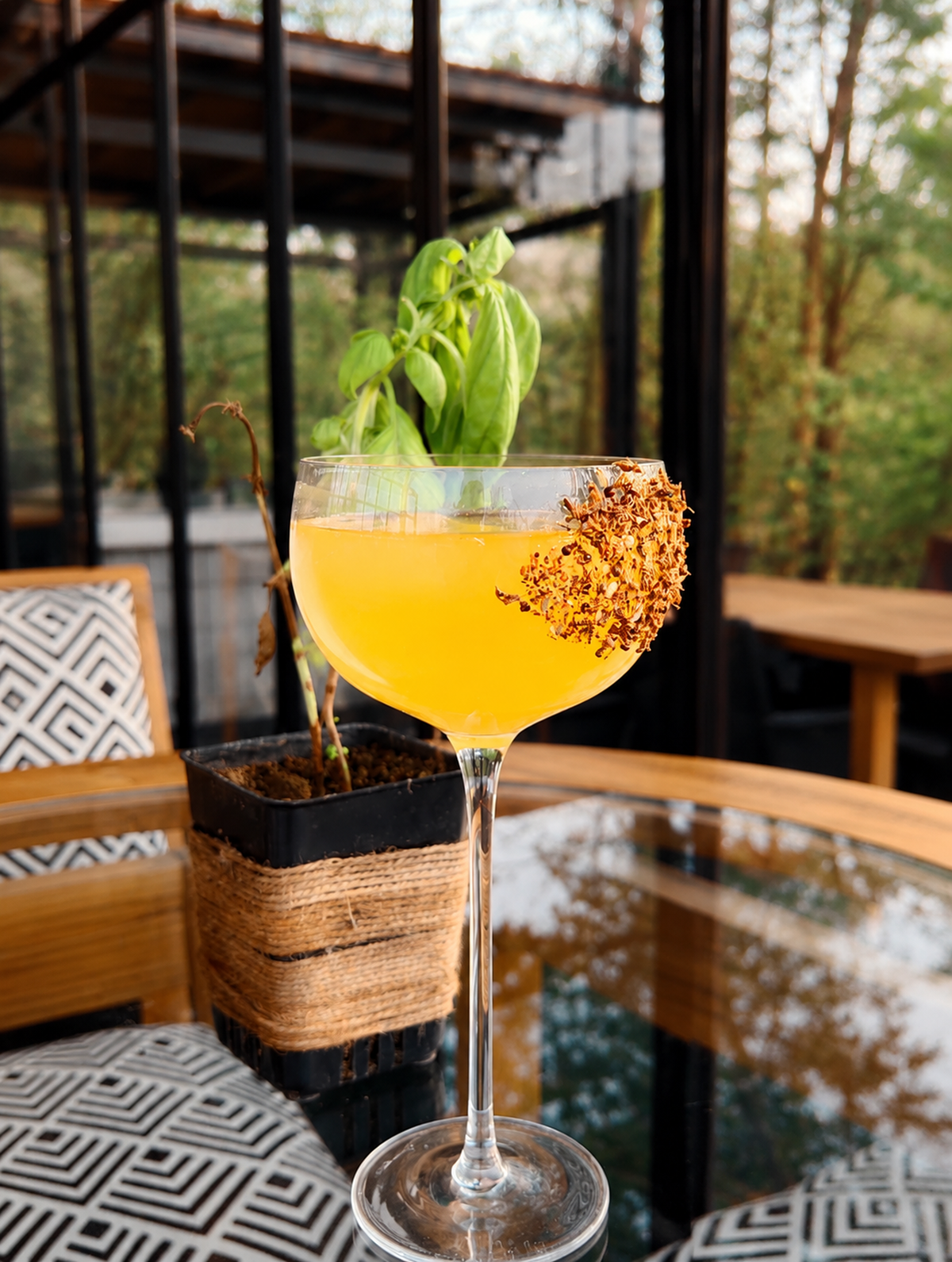
Post-pandemic travel trends show a marked shift toward "slow travel" and "wilderness retreats." Today’s luxury safari-goer seeks more than a photograph of a predator; they seek a sensory connection to the ecosystem. This has led to the rise of "Safari Mixology"—a sophisticated beverage movement where bartenders and naturalists collaborate to transform indigenous flora, local folklore, and traditional tribal ingredients into world-class cocktails.
From the mahua-scented air of Madhya Pradesh to the tea-rich hills of Assam, India’s premier lodges are using the bar program as a storytelling medium. By incorporating ingredients like elephant apple, acacia woodsmoke, and Nimar chillies, these properties are ensuring that the forest stays with the guest long after the dust of the evening game drive has settled.
Chronology of an Evolution: From Dusty Jeeps to Curated Spirits
The Pre-Pandemic Era: The "Big Cat" Obsession
For decades, the standard operating procedure for an Indian safari was rigid. Guests arrived at a lodge, were woken up at 4:30 AM, and spent three to four hours in a Maruti Gypsy, often in silence, scanning the undergrowth for a flash of orange and black. The evening ritual was equally predictable: a quick dinner by a bonfire and an early bedtime to prepare for the next morning’s repeat performance. Hospitality was functional, and the culinary offerings rarely strayed from standard continental or North Indian fare.
The Pandemic Pivot
The global lockdowns of 2020-2021 acted as a catalyst for change. As domestic travelers sought refuge from congested cities, the "staycation" evolved into the "wilderness immersion." With international borders closed, India’s affluent demographic rediscovered their own backyard, demanding a level of sophistication and personalization that matched global standards in African or South American lodges.
2024-2025: The Rise of the "Liquid Landscape"
By 2024, the "slow safari" had become a solidified trend. The game drive, while still a cornerstone, began to share the stage with leisurely three-hour lunches, guided botanical walks, and an avant-garde cocktail culture. The focus shifted from the "sighting" to the "setting." Mixologists began looking beyond the standard gin-and-tonic sundowner, exploring the biodiversity surrounding their properties to create drinks that could not be replicated in an urban bar in Mumbai or Delhi.
Supporting Data: The Economics of the Luxury Safari Boom
The shift in hospitality style is backed by staggering economic growth in the sector. India’s protected areas are no longer niche destinations; they are major drivers of the national tourism economy.
- Market Valuation: According to projections by Future Market Insights, India’s safari tourism market is valued at approximately $2.8 billion (₹26,749 crore) in 2025. This figure is expected to nearly double by 2035 as infrastructure improves and luxury offerings expand.
- Visitor Footfall: ResearchGate estimates that more than 4.6 million tourists visit India’s protected areas annually. Tiger reserves specifically attract 1.4 million visitors, with domestic travelers accounting for over 80% of this footfall.
- Revenue Generation: The financial impact is evident on the ground. By May 2025, Ranthambore National Park reported over seven lakh visitors, generating nearly ₹72 crore in revenue. Similarly, Karnataka’s Bandipur and Nagarahole reserves together earned approximately ₹24 crore through safari operations this year.
This influx of capital has allowed lodges to invest in specialized staff, including professional mixologists and botanists, who are tasked with elevating the guest experience through local integration.
Official Responses and Expert Insights: Distilling the Forest
The move toward localized luxury is being driven by visionary lodge owners and hospitality experts who believe that a drink can be an educational tool.
The Mahua Revival: From Tribal Spirit to High-End Cocktail
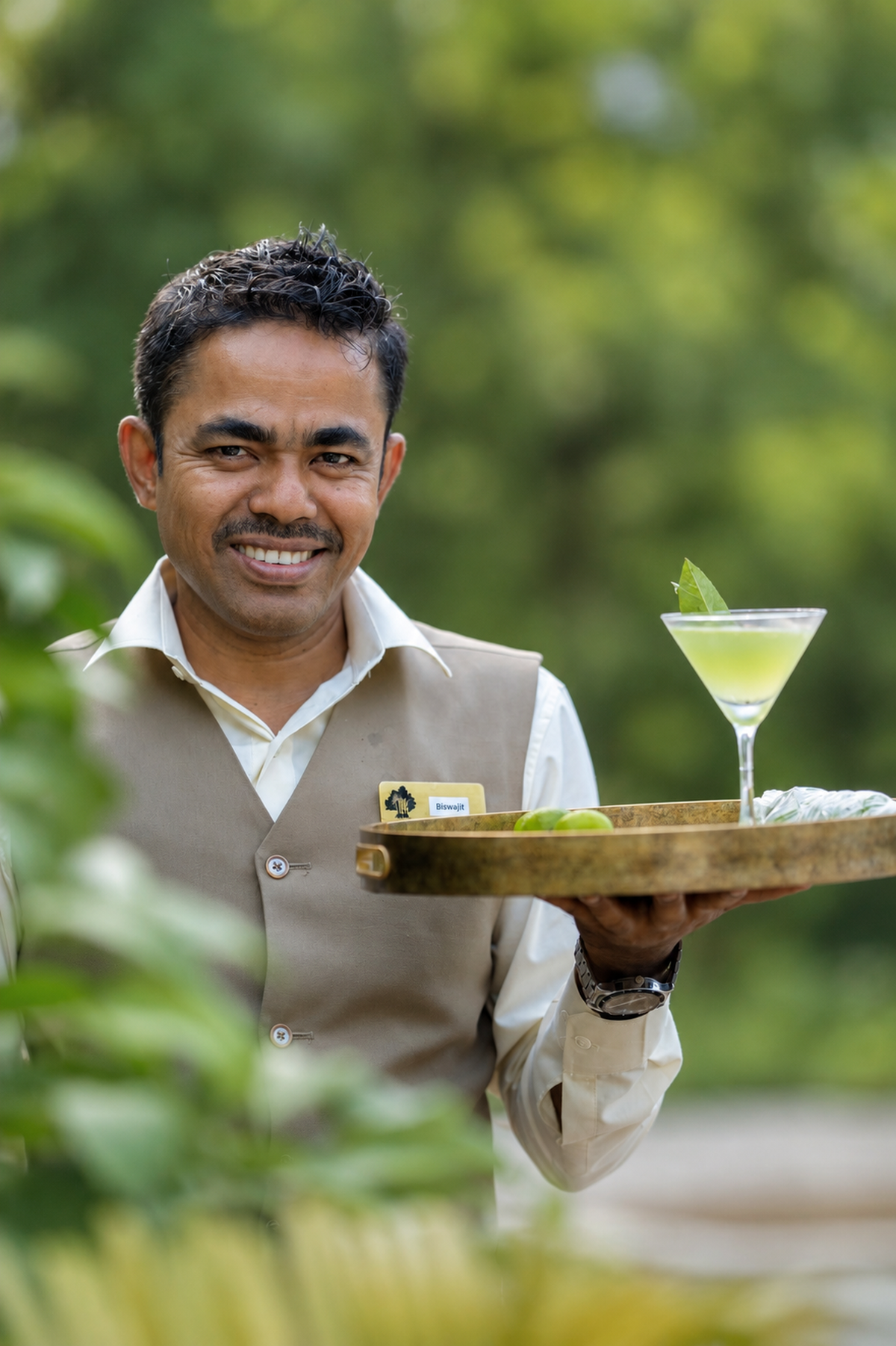
Mona Vahanvati, co-founder of Bagh Tola near Bandhavgarh National Park, emphasizes the importance of introducing guests to unfamiliar flavors. "A lot of people don’t naturally associate safaris with cocktails. They’ll default to beer or wine," she says. Her mixologist, Biswajeet, has found success by refining mahua—a spirit fermented from the flowers of the Madhuca longifolia tree. Traditionally a rustic tribal liquor, Biswajeet filters and balances it to create sophisticated drinks that intrigue curious travelers.
This sentiment is echoed by Tarang Arora, CEO of Amrapali Jewels, who recalls a mahua-based drink called the "Dhonk" at The Bamboo Forest Safari Lodge in Tadoba. "Mahua isn’t a polished ingredient; it’s earthy and wild, like the forest itself," Arora notes. The drink, served in a clay kulhad with tamarind and jaggery, captured the olfactory essence of the forest floor after a rain.
Regional Identity in a Glass
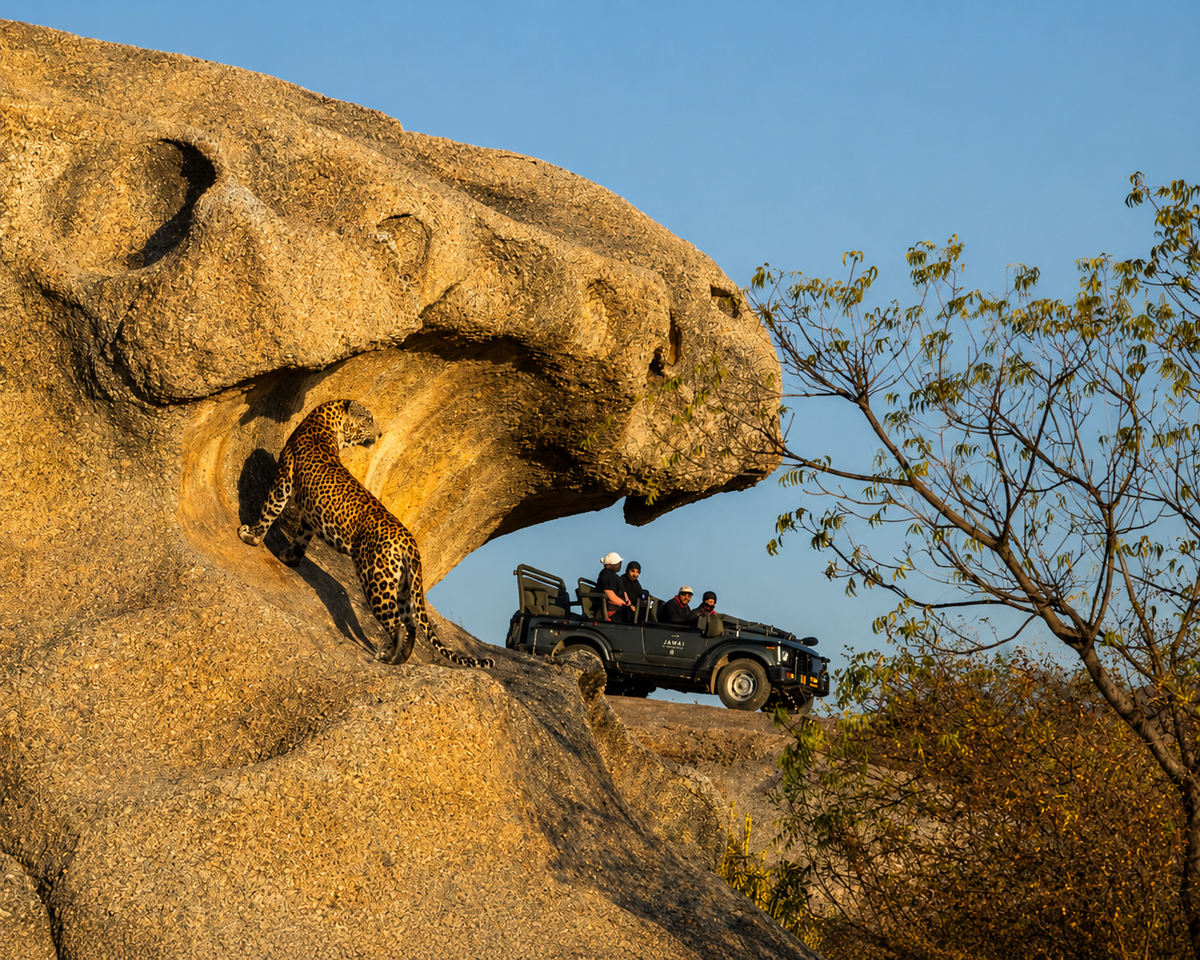
In Rajasthan’s leopard country, Sujan Jawai (a Relais & Châteaux property) utilizes the arid landscape to create the "Campfire" cocktail. Prasad Ramamurthy, a travel journalist and consultant, describes it as a deep, smoky blend using acacia woodchips—a flora species endemic to the desert—paired with Jägermeister and gin.
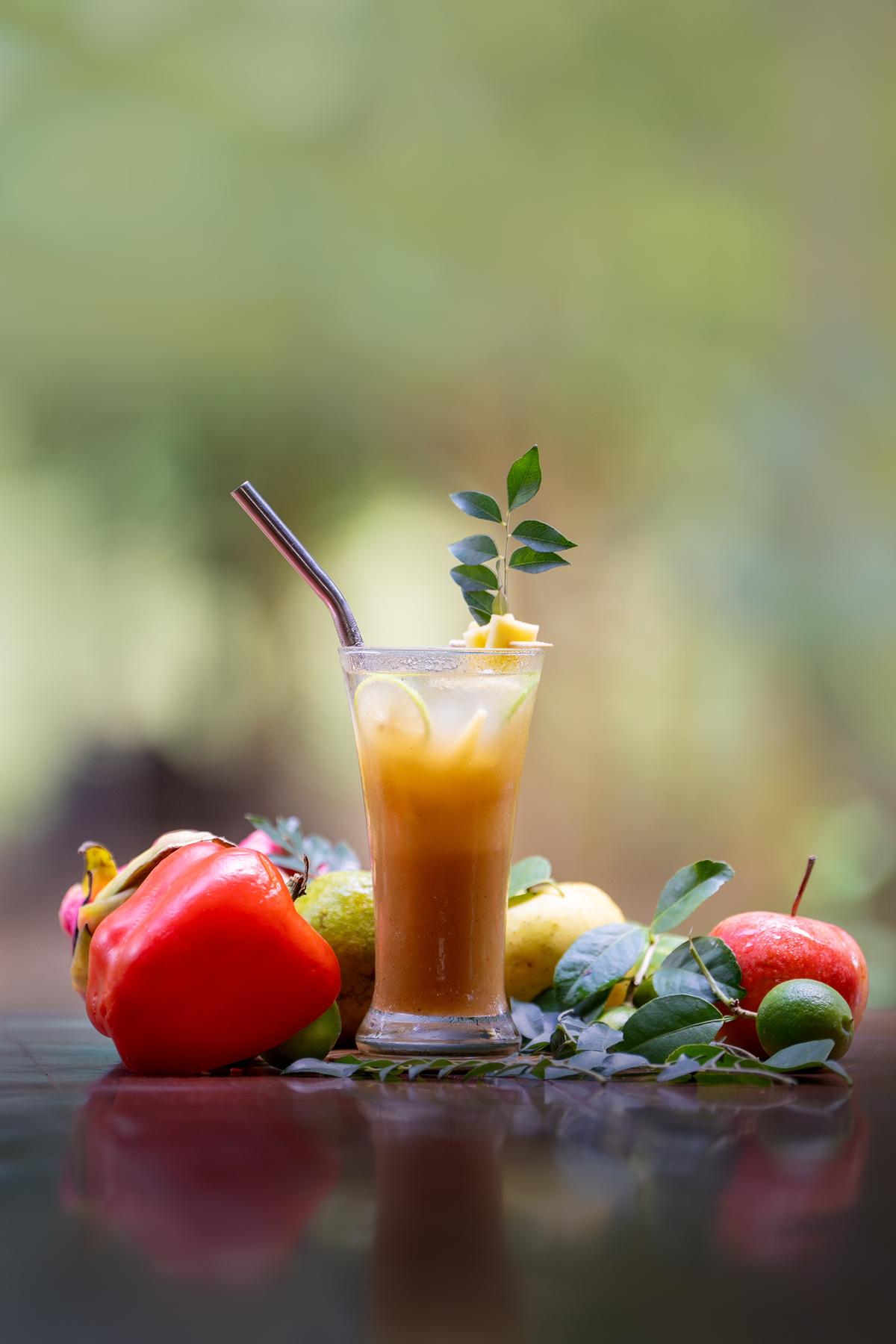
Further east, in Assam, The Postcard in the Durrung Tea Estate uses its 1,400-acre surroundings to fuel its bar program. Resort Manager Tuhin Deb explains that their drinks are an extension of the estate’s identity. Their "Elephant Apple Collins" uses ou tenga (elephant apple), a tart fruit central to Assamese cuisine, to introduce guests to regional culinary traditions. "Every drink feels connected to the landscape," Deb says, noting that these cocktails often spark conversations about local botany and conservation.

The Heat of the Heartland
At The Oberoi Vindhyavilas in Madhya Pradesh, the "Khargone Margarita" pays homage to the region’s agriculture by infusing tequila with fiery Nimar chillies. This use of high-pungency local produce serves as a bridge between the guest’s palate and the local farming communities that border the tiger reserves.
Implications: Conservation, Community, and the Future of Tourism
The enrichment of the safari experience through local ingredients has implications that go beyond mere luxury. It represents a more sustainable and integrated model of tourism.
- Economic Empowerment of Local Communities: By sourcing ingredients like mahua flowers, chapda (ants), and regional fruits, lodges provide a direct economic incentive for local communities to preserve their traditional knowledge and the ecosystems that produce these ingredients.
- Educational Conservation: When a guest asks about the "Elephant Apple" in their drink, it opens a door for naturalists to explain the fruit’s role in the diet of wild elephants and the importance of maintaining migratory corridors. The cocktail becomes a soft-power tool for conservation advocacy.
- High-Value, Low-Impact Tourism: This shift toward "slow luxury" encourages guests to stay longer and engage more deeply with a single location, rather than hopping between multiple parks. This reduces the carbon footprint associated with travel and provides more stable income for lodge staff and local guides.
- Global Competitiveness: By developing a unique "Indian Safari Aesthetic"—one that includes high-end mixology and indigenous culinary arts—India is positioning itself as a formidable rival to the established luxury safari markets of South and East Africa.
Conclusion
The evolution of the Indian safari from a rugged expedition to a refined, sensory-rich retreat reflects a broader maturation of the country’s travel industry. At lodges like Bori, Sujan Jawai, and Bagh Tola, the "sundowner" is no longer just a pause in the day; it is a distillation of the environment.
As the sun sets over the Satpura range or the granite hills of Jawai, the clink of ice against glass marks more than just the end of a game drive. It marks the continuation of a story—one told through the smoke of acacia, the tang of red ants, and the floral sweetness of mahua. In these forests, the most memorable sightings are now being found not just through a pair of binoculars, but at the bottom of a well-crafted glass.
