

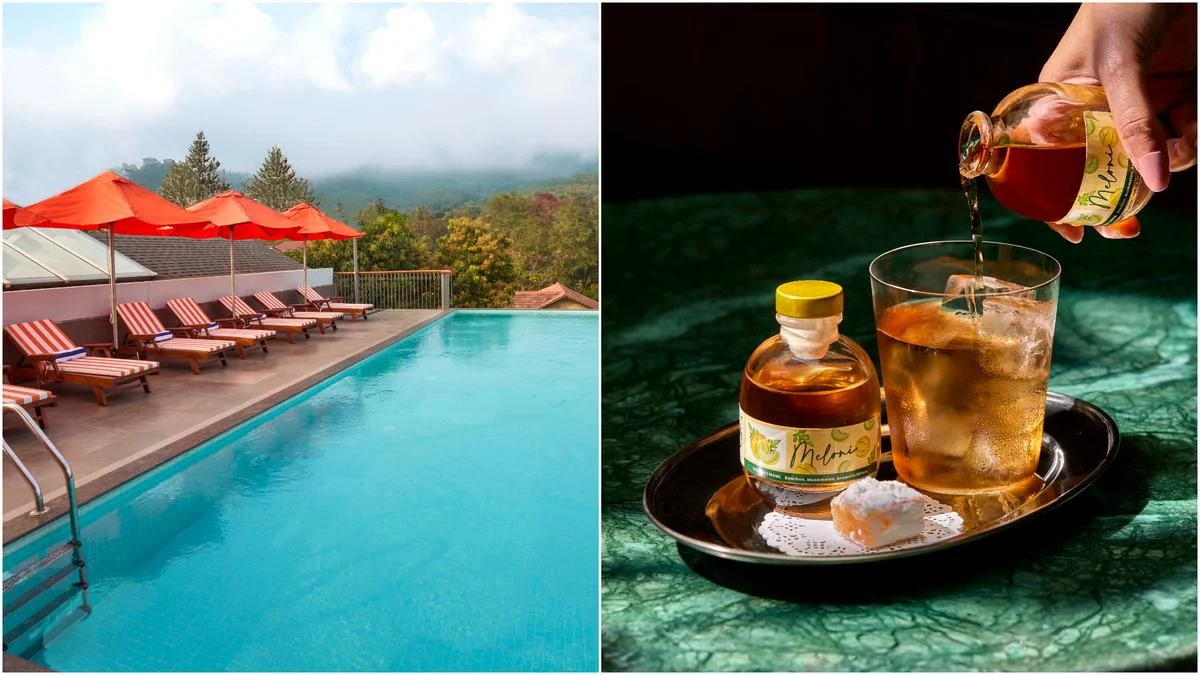
ASSAGAO, GOA — In the heart of Assagao, a village increasingly referred to as the "Beverly Hills of Goa," a new hospitality experiment is unfolding. While traditional luxury resorts often measure success by how long they can keep a guest within their gates, The Passport Hotel has launched with a counter-intuitive mission: to use the craft of the cocktail as a literal passport to the soul of the state.
Founded by hospitality veteran Ashesh L Sajnani, the property is pioneering the "cocktail-forward" hotel model in India—a concept where mixology isn’t just an amenity, but the primary lens through which the guest experience is viewed, curated, and executed.
Main Facts: The Rise of Cocktail-Forward Hospitality
The Passport Hotel enters a Goan market that is currently undergoing a radical transformation. No longer just a destination for sun, sand, and cheap beer, Goa has evolved into a sophisticated culinary and spirits hub. The hotel’s core philosophy—"cocktail-forward"—suggests that the bar is the social heart of the building, and every touchpoint, from check-in to turndown service, is infused with the culture of craft spirits.
Key features of this model include:
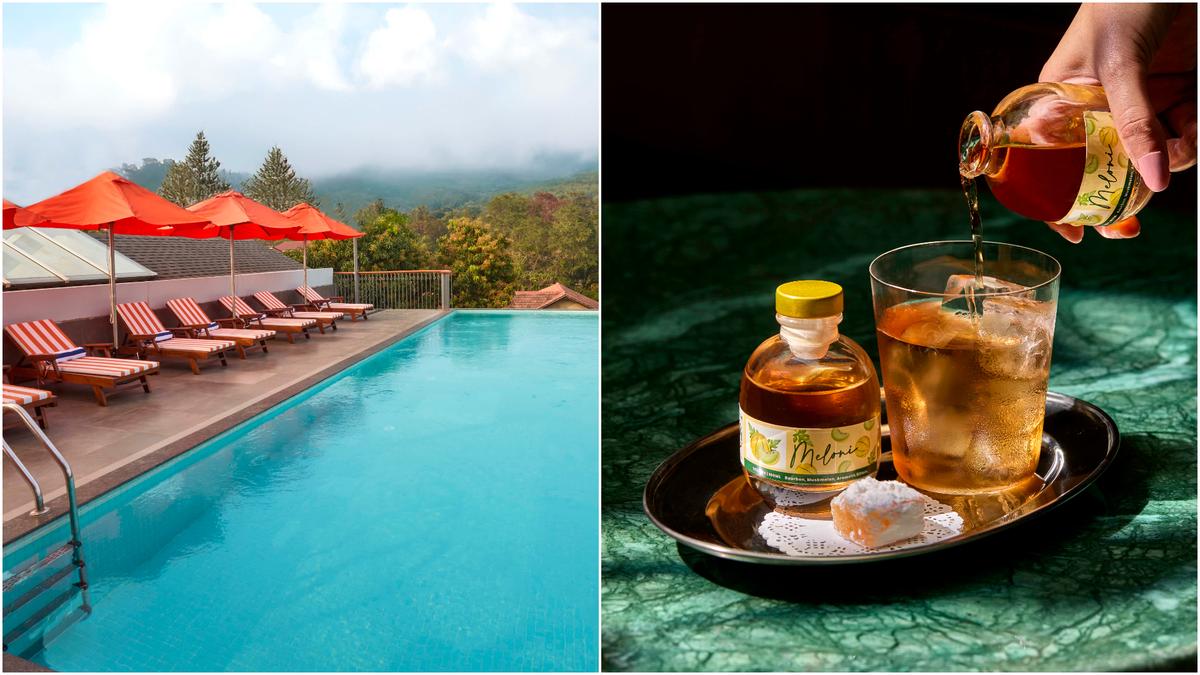
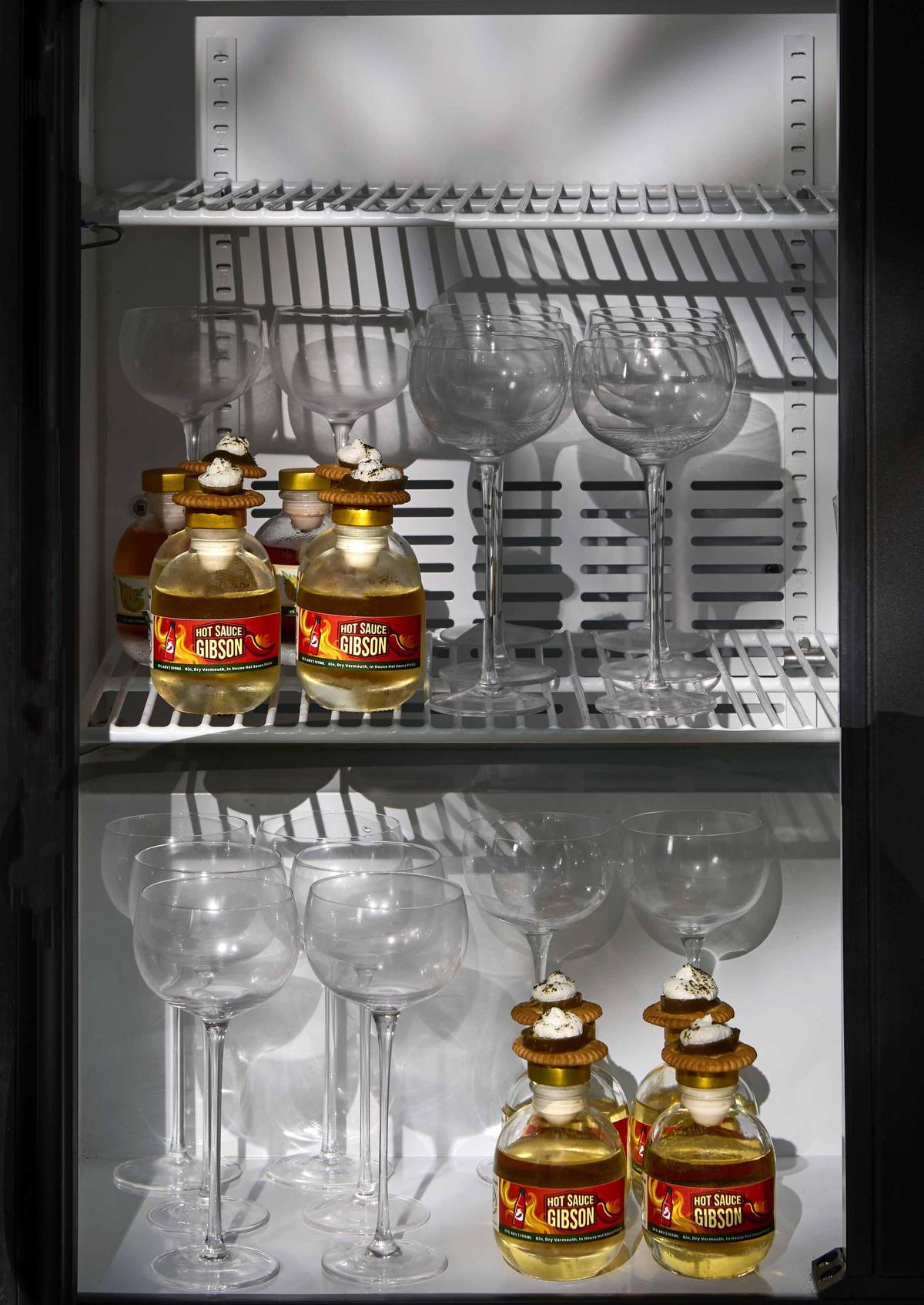
- The Mini Bar as a Laboratory: Eschewing the standard dusty peanuts and sodas, the lobby bar operates as an R&D lab for botanical infusions and sustainable techniques.
- In-Room DIY Stations: Every guest room features professional-grade bar equipment and pre-batched signature cocktails, allowing guests to engage in mixology in private.
- The Stamp Collector Program: A strategic partnership with eight of Goa’s most influential bars, encouraging guests to explore the local ecosystem rather than remaining insulated within the hotel.
- Sustainable Mixology: A "zero-waste" approach to ingredients, where fruit skins, seeds, and pulps are repurposed into syrups, oils, and garnishes.
Chronology: A 48-Hour Deep Dive into the Spirit of Assagao
Day 1: The Arrival and the Masterclass
The experience begins at 4:00 PM, an hour usually reserved for late-afternoon tea in traditional hotels. At The Passport Hotel, however, the "party" is already in motion. Guests are greeted not with a cold towel and a generic fruit juice, but with the Cherry Bomb—a sophisticated welcome cocktail blending pink gin, sour cherry, vanilla, and sparkling wine.
The lobby, known as the Mini Bar, serves as the property’s nervous system. By late afternoon, the space is filled with the scent of simmering milk and pandan leaves—a technique known as "milk washing" used to clarify cocktails and add a silky texture.
By 5:30 PM, the experience moves to the privacy of the guest suites. Each balcony is equipped with a cocktail station. Here, under the guidance of Gaurav, the head bartender, guests undergo a "mixology masterclass." Unlike a standard bar service, this is an educational deep dive. Guests are taught the science of "pre-batching" and the importance of "melon olio"—a syrup made by macerating melon rinds in sugar to extract essential oils, embodying the hotel’s commitment to sustainability.
The First Expedition: The Stamp Collector Program
By sunset, the hotel’s "Stamp Collector" program takes flight. Guests are issued a physical green passport booklet containing their photograph. The objective: visit eight curated bars across Goa—including The Second House, Drop Dead Sexy, Juna, Hideaway, Boilermaker, and Slow Tide—to receive a seal.
The first stop, Slow Tide in Anjuna, showcases the synergy between the hotel and the local bar scene. Here, the "The Who" cocktail—a complex blend of Flor de Cana, yogurt-washed pandan, and pineapple soda—serves as an introduction to the experimental nature of the Goan circuit.
Day 2: Recovery and Architectural Exploration
The morning after a night of bar-hopping is designed for "slow living." The hotel serves a traditional Ros Omelette with poi (Goan bread), a local staple known for its restorative properties.
The afternoon is dedicated to the "Susegad" lifestyle—a Goan term for contented quietude. Guests are encouraged to explore the lanes of Assagao, admiring the heritage villas such as Giulietta and Casa Ferrazzi. This architectural walk provides a historical counterpoint to the modern liquid-gastronomy experienced the night before.
Supporting Data: The Business of Spirits and Sustainability
The Passport Hotel’s focus on in-house production is not merely a stylistic choice but a logistical strategy. By creating their own "Hot Sauce" (a house-fermented jalapeño brine for their Gibson) and "Cafe Noir" (coffee-macerated rum), the hotel reduces its reliance on commercial mixers and preservatives.

Sustainability Metrics:
- Fruit Utilization: The bar program utilizes 95% of the fruit mass. For example, in the "Meloni" cocktail, the flesh is used for juice, the rind for olio-saccharum, and the seeds are toasted for garnishes.
- Local Partnerships: By directing guests to eight external businesses, the hotel acts as a micro-economic engine for the North Goa bar community.
- Pre-Batching Efficiency: Pre-batching cocktails reduces service time by 40% and ensures consistency in flavor profiles, which is critical for the "D-I-Y" in-room experience.
Official Responses: The Founder’s Vision
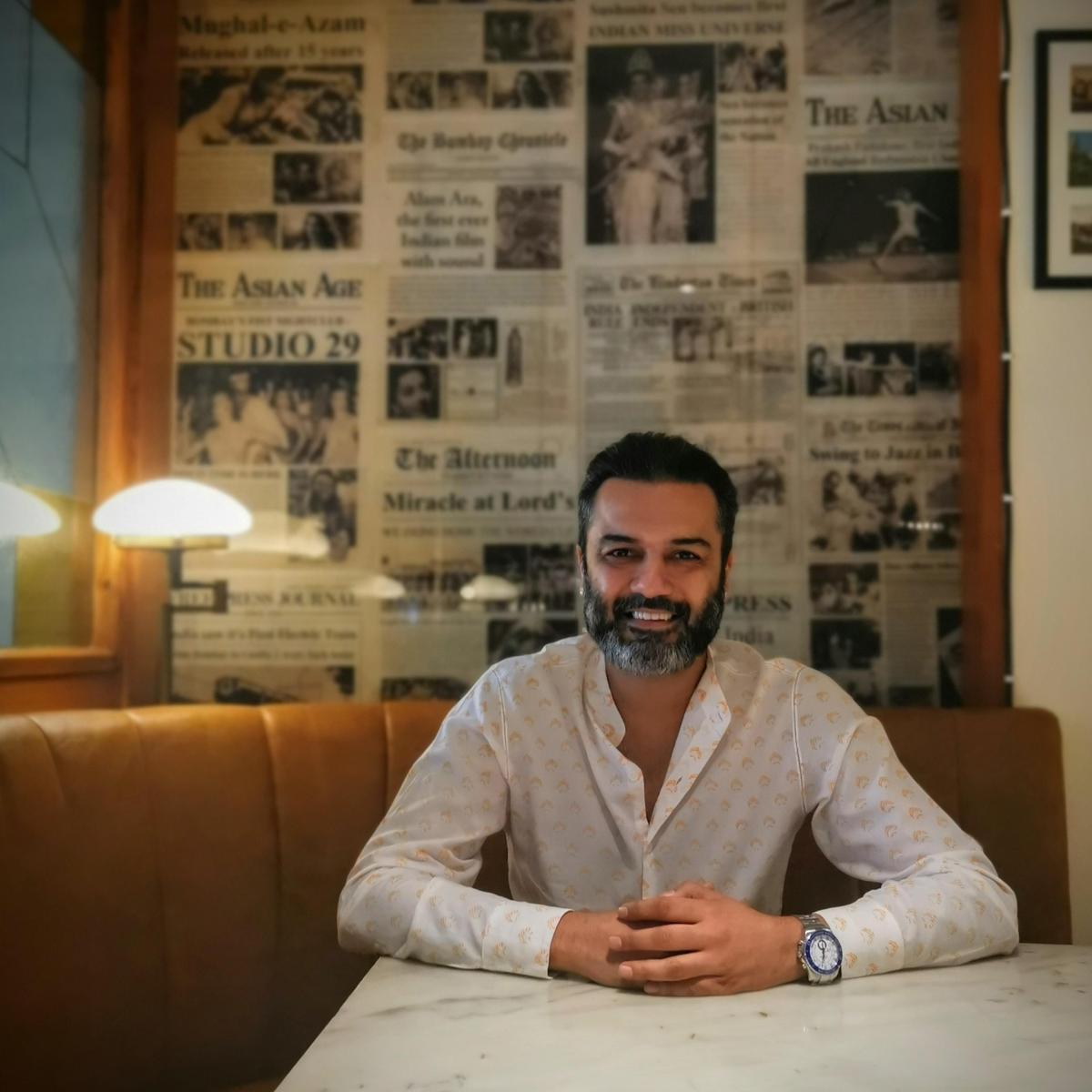
Ashesh L Sajnani, the founder of The Passport Hotel, explains that the concept was born out of a desire to replicate the "alive" lobby culture found in global capitals like New York and London.
"The idea for The Passport Hotel came from years of traveling where the bar is the social heart of the hotel," Sajnani stated. "We wanted to create something rooted in Goa’s evolving cocktail culture. Most hotels try to keep guests inside the property. We wanted to create a hotel that uses cocktail culture to send guests deeper into Goa."
Sajnani emphasizes that the selection process for the "Stamp Collector" program was rigorous. "We selected bars that genuinely represent the evolving cocktail culture. It wasn’t about popularity alone; it was about identity, consistency, storytelling, and people who are pushing the industry forward. We wanted guests to discover different moods and atmospheres rather than repeat the same experience eight times."
The General Manager of the property noted that the hotel often takes an active role in guest logistics, recognizing the notorious difficulty of the Goan taxi market. "We see ourselves as facilitators. If a guest wants to reach Pablo’s Bar in Assagao to experience infused feni and Southern fried chicken, we ensure they get there, even if it means personal intervention in transport."
Implications: A New Model for Tourism in India
The success of The Passport Hotel suggests a significant shift in the Indian luxury travel sector. There are three primary implications for the broader industry:
1. The Death of the "All-Inclusive" Mentality
For decades, high-end Indian hospitality was built on the "fortress resort" model—keeping the guest within a controlled environment. The Passport Hotel’s "Stamp Collector" program flips this, suggesting that a hotel’s value is now measured by its "curation" of the surrounding area. This fosters a healthier tourism ecosystem where revenue is distributed across multiple local stakeholders.
2. Mixology as an Educational Tool
By offering in-room masterclasses and QR-coded modules, the hotel is capitalizing on the "edutainment" trend. Travelers are no longer content with just consuming; they want to learn the "how" and "why" behind their beverage. This elevates the bartender from a service worker to an educator and craftsman.
3. The Rise of "Niche" Hospitality
The Passport Hotel proves that a property does not need to appeal to everyone. By branding itself specifically for "cocktail enthusiasts," it creates a high-intent, loyal customer base. At a starting tariff of ₹5,000, the hotel positions itself as an "accessible luxury" destination that prioritizes experience over sheer square footage.
Conclusion: The Star-Lit Vibe of Assagao
As the night concludes at Pablo’s Bar—a no-frills, cottage-style establishment that serves as the final stop for many "Passport" holders—the contrast is stark. From the high-tech, pandan-simmering labs of the hotel lobby to a basic seat under tungsten bulbs drinking infused feni, the journey is complete.
The Passport Hotel has successfully turned the "hotel bar" inside out. It is no longer a place to wait for a table or a room; it is a point of departure. In the evolving landscape of Goa, where the lines between local culture and global sophistication blur, the cocktail has become the most effective medium for storytelling.
Hospitality Profile: The Passport Hotel
- Location: 37/2, Church Road, near Courtyard 2, Badem, Bardez, Assagao, Goa.
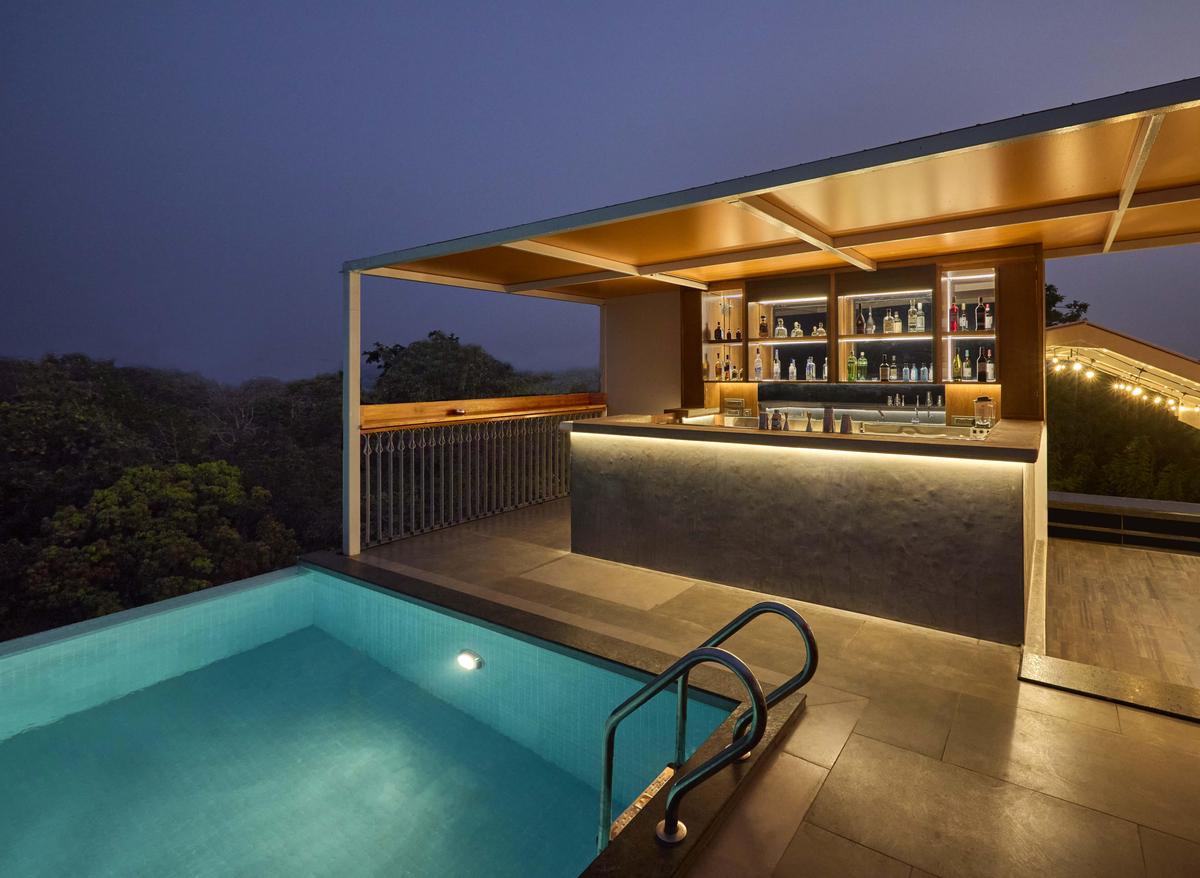
- Signature Offerings: D-I-Y Balcony Bar, Stamp Collector Program, Rooftop Infinity Pool.
- Culinary Partners: Hosa (Siolim), Cafe Saint Cloud (Sangolda), Slow Tide (Anjuna).
- Tariff: Starting at ₹5,000 per night.
- Target Demographic: Modern travelers, mixology enthusiasts, and culinary explorers.
