

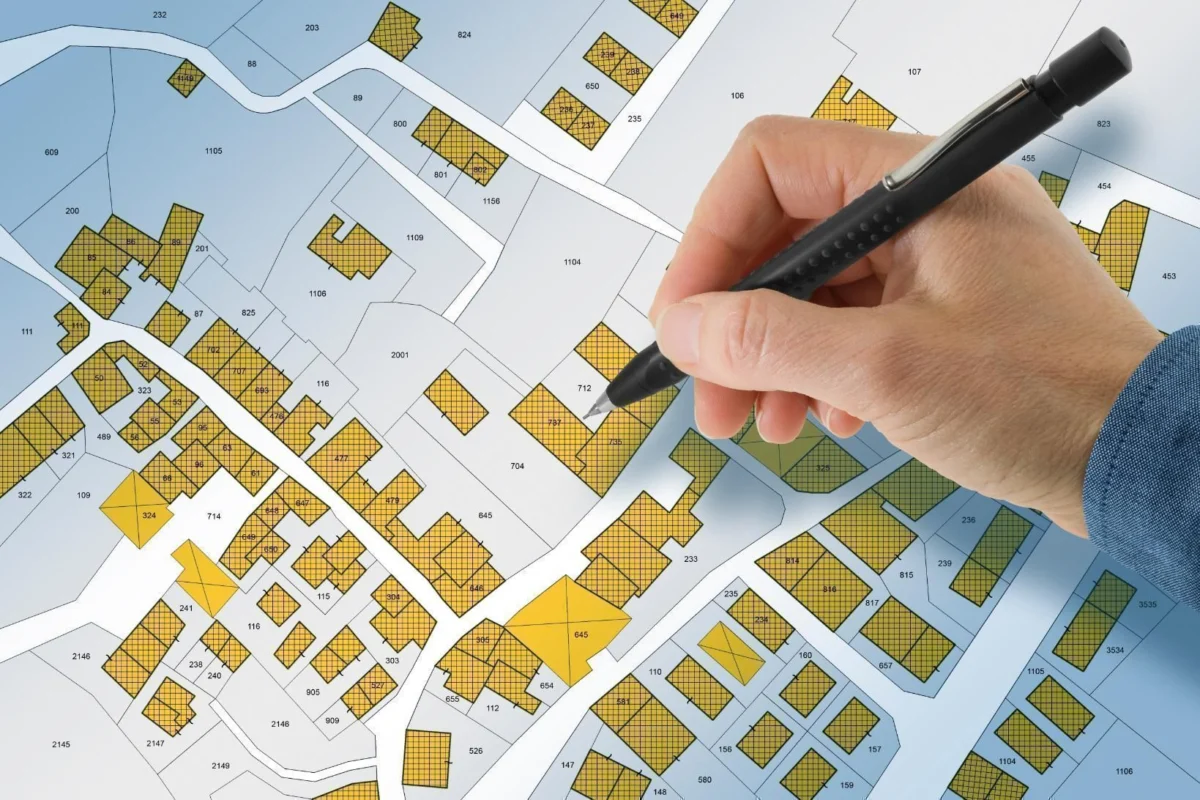
AGRA – In a significant move toward administrative transparency and the "Digital India" vision, the Government of Uttar Pradesh has successfully overhauled its land record management system. The digitalization of land records, localized through the UP Bhulekh Agra portal, has emerged as a cornerstone for real estate transparency, rural empowerment, and the mitigation of property-related litigation in one of India’s most historic districts.
For decades, the process of verifying land ownership in Agra was a cumbersome task, often mired in bureaucratic delays and the physical handling of fragile, centuries-old paper registers. Today, the Bhulekh portal serves as a centralized digital repository, allowing citizens to access Khasra, Khatauni, and Gata numbers with a few clicks.
1. Main Facts: The Digitalization of Agra’s Land Records
The term "Bhulekh" is derived from two Sanskrit words: Bhu (Land) and Lekh (Account/Record). In Agra, this system has transitioned from a manual ledger maintained by the local Lekhpal (village accountant) to a sophisticated cloud-based database managed by the Board of Revenue, Uttar Pradesh.
Key Objectives of the Portal:
- Transparency: To eliminate the "middleman" culture that often led to the manipulation of land records.
- Accessibility: Providing 24/7 access to land details for farmers, developers, and legal professionals.
- Fraud Prevention: Enabling prospective buyers to verify the "Status of Sale" before finalizing transactions.
- Integration: Linking land records with other government services like crop insurance and bank loans.
Agra, a district comprising five major tehsils—Agra (Sadar), Etmadpur, Kiraoli, Fatehabad, and Bah—now has its entire land inventory mapped digitally. This ensures that every inch of land, whether agricultural or residential, is accounted for in the state’s digital ledger.
2. Chronology: The Evolution of Land Management in Uttar Pradesh
The journey from manual registers to the UP Bhulekh portal did not happen overnight. It is the result of a phased technological evolution:
- The Pre-Digital Era (Post-Independence to 1990s): Land records were maintained in physical "Khatauni" registers. Verification required a physical visit to the Tehsil office, often taking weeks to secure a single copy.
- Initial Computerization (2000s): Under the National Land Records Modernization Programme (NLRMP), the UP government began the pilot phase of data entry. However, these records were not yet accessible to the public via the internet.
- The Launch of UP Bhulekh (2016): The official portal
upbhulekh.gov.inwas launched, consolidating data from all 75 districts. Agra was among the priority districts due to its high real estate activity. - Real-Time Upgradation (2020–Present): The portal was enhanced to include features like the "Status of Sale," real-time mutation updates, and the "Varasat" (inheritance) registration system to streamline the transfer of land to legal heirs.
3. Supporting Data: Navigating the Agra Tehsil Records
To effectively use the Bhulekh Agra portal, one must understand the specific administrative divisions and the types of documents available.
Administrative Structure of Agra District
Agra’s jurisdiction is divided into five tehsils, each serving as a hub for land administration:
- Agra Sadar: The urban heart and administrative center.
- Etmadpur: Known for its industrial and agricultural mix.
- Kiraoli: A critical agricultural zone.
- Fatehabad: A region seeing increased infrastructure development.
- Bah: A rural expanse requiring robust land monitoring.
Essential Terminology for Users
- Khatauni: A register of all persons holding land in a village. It provides a summary of the holdings of a family or an individual.
- Khasra Number: A unique number assigned to a specific plot of land in a village.
- Gata Number: Similar to a Khasra number, used to identify specific land parcels in the digital database.
- Jamabandi: A term often used interchangeably with land records, signifying the "Record of Rights" (RoR).
Step-by-Step Guide to Accessing Records
For citizens looking to verify land in Agra, the portal follows a structured protocol:
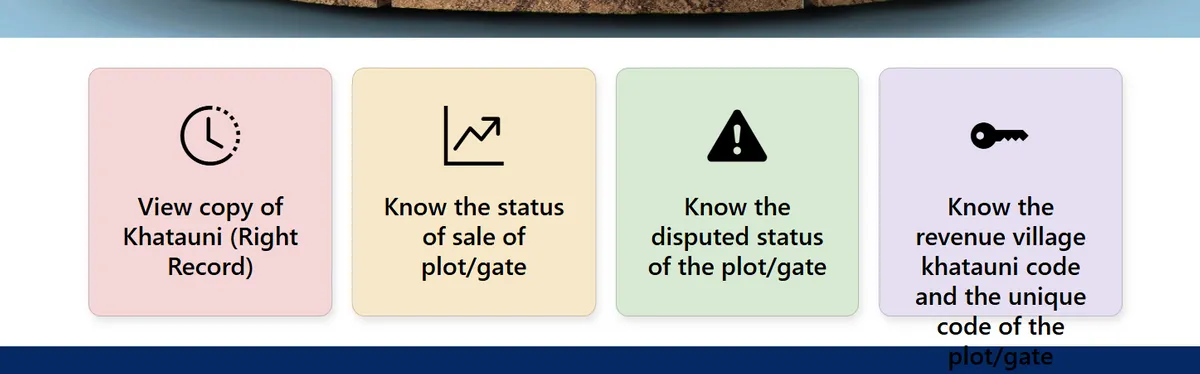
- Portal Access: Visit the official UP Bhulekh website.
- Option Selection: Choose "View Copy of Khatauni" (Khatauni ki Nakal Dekhein).
- Security Verification: Enter the dynamic Captcha code to prevent automated bot access.
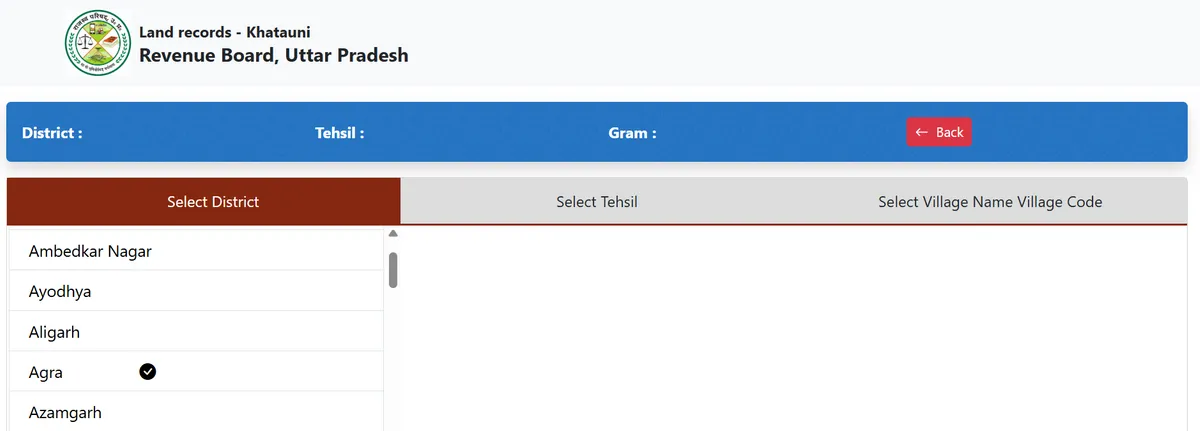
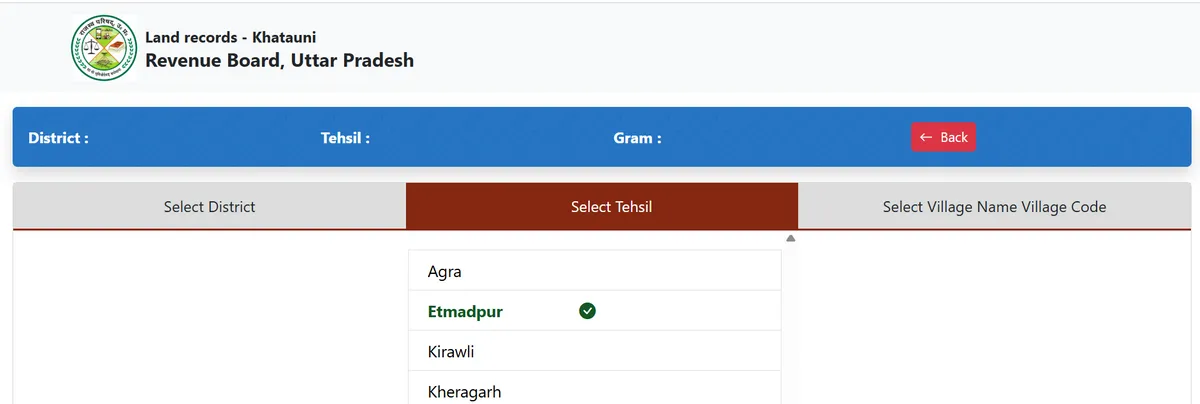
- Geographic Filtering: Select ‘Agra’ from the district list, followed by the specific Tehsil (e.g., Etmadpur) and the Village.
- Search Parameters: Users can search using the Khasra/Gata number, the Account Number (Khata Sankhya), or the Name of the Owner (Khatedar).
- Document Retrieval: The system generates an "Extract Khatauni." While this is an uncertified copy, it contains all vital data including the owner’s name, land area, and any encumbrances (loans or disputes) registered against the plot.
4. Official Responses and Grievance Redressal
The Uttar Pradesh Board of Revenue has emphasized that while the online portal is a tool for information, it does not replace the legal weight of a "Certified Copy."
Certified vs. Uncertified Records
In an official communique, the department clarified:
"The records available on the UP Bhulekh portal are for informational purposes to help citizens perform due diligence. For legal proceedings, bank loan applications, or court cases, a certified copy bearing the digital signature of the authorized official or a physical stamp from the Tehsil office is mandatory."
How to Resolve Errors
Errors in land records—such as misspelled names or incorrect area measurements—are a common concern. The government has established a multi-tier resolution process:
- Online Application: Errors can be reported via the ‘Revenue Court Management System’ (RCMS) or the ‘Jan Sunwai’ portal.
- Tehsil Intervention: For major corrections, the applicant must submit a formal petition to the Tehsildar.
- Field Verification: The Lekhpal is dispatched to conduct a physical survey and verify the claim before the digital record is updated.
5. Implications: Why Bhulekh Agra Matters for the Future
The implications of a robust digital land record system in Agra extend far beyond simple record-keeping. They touch upon the economic and social fabric of the region.
Real Estate and Economic Growth
Agra is a focal point for the Yamuna Expressway and various industrial corridors. Clear land titles are the bedrock of investment. By allowing developers to check the "Status of Sale" online, the government has significantly reduced the risk of "double-selling" (where a single plot is sold to multiple parties). This transparency boosts investor confidence and stabilizes property valuations.
Banking and Credit Access
For farmers in tehsils like Bah and Fatehabad, land is their primary asset. Previously, obtaining a Kisan Credit Card (KCC) or an agricultural loan required multiple trips to the Tehsil to prove ownership. Now, banks can verify land details directly via the Bhulekh portal, accelerating the credit appraisal process and bringing rural populations into the formal financial fold.
Reduction in Litigation
A significant portion of the Indian judicial backlog consists of land disputes. Digital records provide a "single source of truth." When the boundaries, ownership history, and mortgage status are publicly accessible, the scope for fraudulent claims diminishes, leading to fewer civil lawsuits.
Empowerment and Governance
Digitalization shifts the power dynamic from the bureaucracy to the citizen. A farmer no longer needs to rely on the whims of a local official to see his own land records. This "democratization of data" is a vital step toward good governance in Uttar Pradesh.
Conclusion: The Path Ahead
The Bhulekh Agra service represents a paradigm shift in how the state interacts with its land and its people. While the transition to a fully paperless system is still ongoing—particularly regarding the issuance of certified copies through Lokvani and CSC centers—the foundation is firmly in place.
As Agra continues to grow as a global tourist destination and an industrial hub, the integrity of its land records will remain paramount. The UP government’s commitment to updating these records in real-time ensures that the "City of Taj" is not just a relic of the past, but a forward-looking participant in India’s digital future.
Disclaimer: While the UP Bhulekh portal provides comprehensive data, users are advised to perform independent legal verification for high-value transactions. Certified copies from the Tehsil office remain the only legally binding documents for judicial and financial purposes.
