

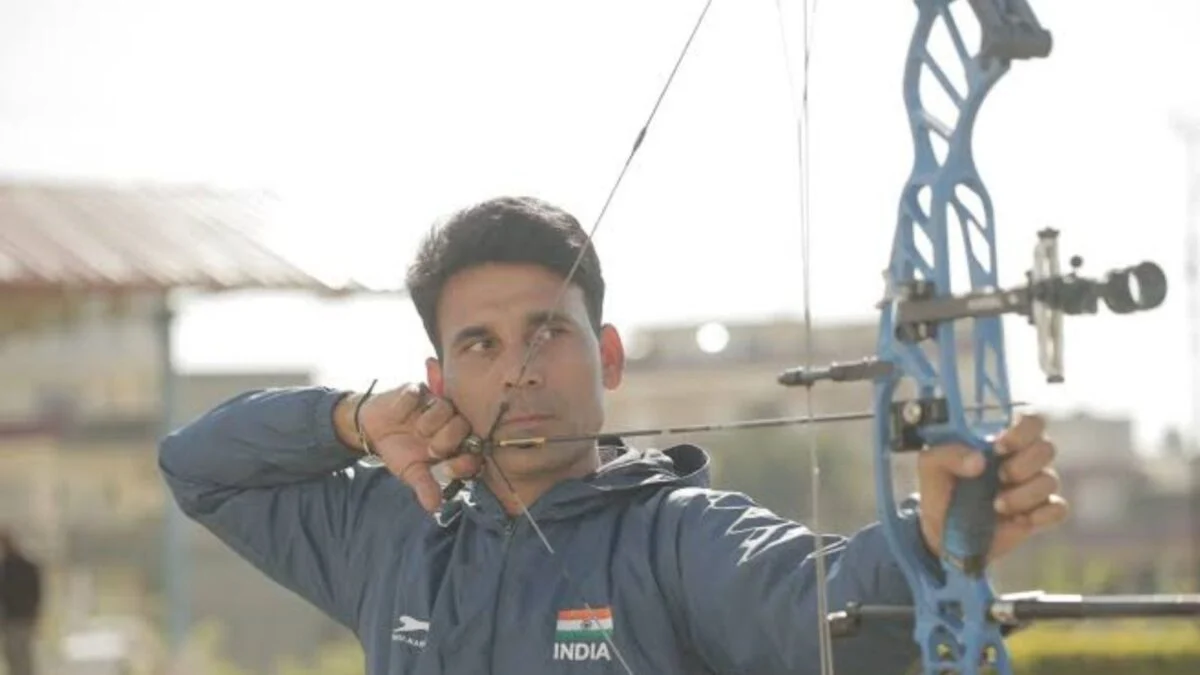
Chandigarh, India – May 21, 2026 – In a development that has sent ripples through India’s sporting community, Kuldeep Vedwan, a nationally acclaimed para archery coach celebrated for mentoring Paralympic medalists and world champions, has been sentenced to five years of rigorous imprisonment. A Fast Track Special Court in Sonipat, Haryana, delivered the verdict, finding Vedwan guilty of sexually harassing a minor athlete under the stringent provisions of the Protection of Children from Sexual Offences (POCSO) Act. The conviction marks a significant fall from grace for a figure once revered for his contributions to Indian para-sports, particularly his role in nurturing talent like the armless archer Sheetal Devi.
The court, which had found Vedwan guilty on May 15, 2026, pronounced the sentence on Wednesday, May 21, 2026, also imposing a fine of Rs 15,000. Vedwan was immediately taken back into custody following the pronouncement. The rigorous imprisonment term underscores the gravity of the offence and the judiciary’s firm stance on protecting vulnerable minors, especially within power dynamics prevalent in coach-athlete relationships.
The Downfall of a Decorated Coach: A Detailed Chronology
The journey from celebrated mentor to convicted offender for Kuldeep Vedwan began with a harrowing incident in April 2023, setting off a chain of events that culminated in this week’s sentencing.
April 2023: The Allegations Emerge
The case dates back to April 2023, during youth championship trials held at the Sports Authority of India (SAI) centre in Sonipat, Haryana. The complainant, a minor archer, alleged that Coach Vedwan sexually harassed her. According to her detailed complaint, Vedwan entered her hotel room around 4 AM on April 7, 2023, and made inappropriate physical advances. The young athlete bravely resisted his advances for an agonizing 15 to 20 minutes before managing to escape to another room occupied by female players.
The ordeal, however, did not end there. The player further accused Vedwan of repeatedly pressuring her to stay in his room during subsequent tournaments. She alleged that he attempted to manipulate her by promising to make her a "big player" if she cooperated with his demands, creating a coercive environment that exploited her aspirations and trust.
Mid-2023: Complaint and Investigation Initiated
Following the deeply disturbing incidents, the minor athlete confided in her family. Her family, seeking justice and protection, submitted a formal complaint to the Shri Mata Vaishno Devi Shrine Board, which operates a prominent sports complex in Katra, Jammu & Kashmir, where Vedwan had previously coached and nurtured talent. After an internal inquiry, the Shrine Board advised the family to file a police complaint in Sonipat, where the alleged incidents occurred.
Acting on this advice, a First Information Report (FIR) was registered in August 2023. The charges against Vedwan included Section 354A of the Indian Penal Code (IPC), which pertains to sexual harassment, and Sections 10 and 12 of the Protection of Children from Sexual Offences (POCSO) Act, 2012. Section 10 deals with aggravated sexual assault, while Section 12 addresses sexual harassment. Vedwan was subsequently arrested in 2023, marking the beginning of his legal battle.
2024: Bail Ahead of Paris Paralympics
Despite the serious nature of the charges, Vedwan was granted bail just ahead of the Paris Paralympics in 2024. This decision raised questions within the sporting fraternity and among child rights advocates, especially given his high profile and the potential influence he wielded. His release, however, did not imply exoneration, and the trial continued to progress in the Fast Track Special Court. During his absence and while on bail, his wife, Abhilasha Chaudhary, was appointed India’s para archery coach, a decision that also drew scrutiny.
May 2026: Conviction and Sentencing
After a rigorous legal process and examination of evidence, the Fast Track Special Court in Sonipat found Kuldeep Vedwan guilty on May 15, 2026. This conviction paved the way for the sentencing pronounced on May 21, 2026. The court awarded Vedwan five years of rigorous imprisonment under Section 10 of the POCSO Act and three years under Section 12 of the same Act. Crucially, the court stipulated that both sentences would run concurrently, meaning he would serve a total of five years. The imposition of rigorous imprisonment implies that the sentence will involve hard labour, reflecting the serious nature of the crime.
Supporting Data: The POCSO Act and its Significance
The conviction of Kuldeep Vedwan under the Protection of Children from Sexual Offences (POCSO) Act highlights the critical role this legislation plays in safeguarding children in India. Enacted in 2012, the POCSO Act is a comprehensive law that provides for the protection of children from offences of sexual assault, sexual harassment, and pornography, and for matters connected therewith or incidental thereto.
Key Provisions and Purpose:
The Act defines "child" as any person below the age of eighteen years. It adopts a gender-neutral approach to victims, recognizing that both boys and girls can be victims of sexual offences. Its primary objectives include:
- Defining and Penalizing Sexual Offences: Clearly categorizing various forms of sexual abuse against children, including penetration, non-penetrative sexual assault, and sexual harassment.
- Child-Friendly Justice System: Ensuring a sensitive and child-friendly legal process, from reporting the crime to trial and rehabilitation. This includes provisions for special courts, recording of testimony without direct confrontation with the accused, and support services for victims.
- Deterrence: Imposing stringent punishments, including rigorous imprisonment, to deter potential offenders and convey a strong message against child sexual abuse.
Sections 10 and 12:
- Section 10 (Aggravated Sexual Assault): This section deals with sexual assault where the perpetrator holds a position of trust or authority over the child, such as a teacher, doctor, or coach. Given Vedwan’s role as a coach, his actions fell under this aggravated category, leading to a more severe punishment. The five-year rigorous imprisonment under this section reflects the court’s recognition of the breach of trust involved.
- Section 12 (Sexual Harassment): This section addresses acts of sexual harassment against children, which may include inappropriate touching, gestures, or verbal comments. The three-year sentence under this section acknowledges the broader pattern of harassment alleged by the victim, including the coercive promises. The concurrent nature of the sentences ensures that the more severe punishment for aggravated assault encompasses the lesser offence.
The POCSO Act has been instrumental in increasing reporting and convictions for child sexual abuse cases in India, providing a legal framework that prioritizes the welfare and rights of child victims. Vedwan’s conviction underscores the judiciary’s commitment to upholding the spirit of this vital legislation.
The Rise and Fall: Vedwan’s Illustrious Career
Before the allegations surfaced, Kuldeep Vedwan was a towering figure in India’s para archery landscape, renowned for his exceptional coaching prowess and ability to spot and nurture raw talent, particularly among athletes with disabilities.
Early Career and Ascendancy:
A former national-level archer himself and an ex-Army man, Vedwan transitioned into coaching, bringing discipline and strategic acumen to the sport. His reputation in para archery began to solidify rapidly. He was appointed India’s para archery coach for the 2018 Asian Para Games, where his guidance contributed to the team’s success. He retained this crucial role for the Tokyo Paralympics, a pinnacle event where Indian para archers achieved historic milestones. Under his tutelage, Harvinder Singh secured India’s first-ever Paralympic medal in archery, a bronze, elevating Vedwan’s status as a top-tier coach.
Riding on these significant achievements, Vedwan had even applied for the prestigious Dronacharya Award, India’s highest sporting honour for coaches, before the sexual harassment allegations surfaced. This application underscored his recognized contributions and the high regard in which he was held within the sporting establishment.
Mentoring Prodigies: Sheetal Devi and Payal Nag
Vedwan’s most celebrated achievement was undoubtedly his mentorship of Sheetal Devi, the remarkable armless para archer. Born with phocomelia, a rare congenital disorder that resulted in underdeveloped limbs, Sheetal’s journey to becoming a world champion seemed almost impossible without extraordinary guidance. Vedwan played a pivotal role in her development, helping her craft a unique and effective shooting technique using her feet, shoulder, and chin.
Under his dedicated guidance, Sheetal Devi achieved unprecedented success:
- 2023 Asian Para Games: She clinched gold medals, captivating audiences with her incredible skill and determination.
- 2025 World Champion: She became the first female armless archer in the world to win a world championship, cementing her place in history and bringing immense pride to India.
Vedwan had spotted Sheetal in Jammu and Kashmir, recognizing her innate talent and resilience, and brought her into his academy, fostering her potential against all odds.
Beyond Sheetal, Vedwan also discovered other inspiring talents. In 2019, he came across the story of Payal Nag, a quadruple amputee, through a social media post. Recognizing her potential, he brought her to his academy at the Shri Mata Vaishno Devi Shrine Board Sports Complex in Katra. Payal, too, has risen through the ranks, recently achieving a significant milestone by defeating world No. 1 Sheetal Devi in the final of the World Archery Para Series in Bangkok just last month.
The testimonies from athletes like Payal Nag, who expressed being "very disturbed" by Vedwan’s conviction while hoping for his swift return, highlight the complex and often conflicted emotions within the community. For many, Vedwan was a demanding but effective coach who pushed boundaries and helped athletes achieve their dreams. This stark contrast between his professional achievements and his personal conduct forms a tragic narrative of a celebrated figure’s downfall.
Official Responses and Institutional Accountability
The conviction of Kuldeep Vedwan has prompted various responses from judicial, law enforcement, and sports administrative bodies, underscoring the broader implications for athlete safety and institutional accountability.
The Judiciary’s Stance:
The Fast Track Special Court’s swift verdict and rigorous sentencing send an unequivocal message: the protection of children, particularly from those in positions of trust, is paramount. The court’s adherence to the POCSO Act demonstrates the judiciary’s commitment to upholding the law without succumbing to external pressures or the accused’s prior reputation. The concurrent sentences ensure that justice is served for both the aggravated sexual assault and the sexual harassment components of the crime.
Law Enforcement and Prosecution:
The police in Sonipat, along with the prosecution, played a crucial role in investigating the complaint, gathering evidence, and building a strong case that led to Vedwan’s conviction. Their efforts, from the initial registration of the FIR under IPC 354A and POCSO Sections 10 and 12 to the presentation of evidence in court, highlight the procedural integrity required to bring such cases to a successful conclusion. The outcome reinforces public trust in the ability of the legal system to protect vulnerable populations.
Sports Federations and Governing Bodies:
The conviction places a significant spotlight on the responsibilities of sports federations and governing bodies, such as the Paralympic Committee of India (PCI) and the Archery Association of India (AAI), as well as the Sports Authority of India (SAI). While specific official statements regarding the conviction itself are awaited, the incident forces a re-evaluation of safeguarding policies.
- Initial Response: Upon the initial allegations and Vedwan’s arrest in 2023, the sports bodies would have been compelled to take action, including suspending him from coaching duties.
- Abhilasha Chaudhary’s Appointment: The appointment of Vedwan’s wife, Abhilasha Chaudhary, as India’s para archery coach during his legal battle and absence raised ethical questions. While she may be qualified, the optics of appointing a close family member of an accused coach, even if temporarily, can be perceived as problematic, potentially impacting trust among athletes and parents. This situation highlights the need for clear, transparent, and strictly independent processes for appointing coaches, especially when a predecessor faces serious allegations.
- SAI’s Role: The incident occurred at a SAI centre, emphasizing the need for robust safeguarding mechanisms within all sports facilities. SAI is responsible for ensuring a safe environment for all athletes, especially minors, and this case will likely prompt a review of existing protocols, grievance redressal systems, and awareness campaigns for both athletes and coaches.
The broader sporting ecosystem is now challenged to demonstrate proactive measures to prevent similar incidents, ensuring that the pursuit of sporting glory does not compromise the safety and well-being of its participants.
Implications and Broader Context for Indian Sports
The conviction of Kuldeep Vedwan transcends a single individual’s fate; it carries profound implications for the entire Indian sports ecosystem, particularly concerning athlete safety, ethical conduct, and the trust placed in coaches.
Impact on the Para Archery Community and Beyond:
The immediate impact will be felt within the para archery community. The sport, which often champions stories of resilience and overcoming adversity, now grapples with the stain of a coach exploiting a minor athlete. This can lead to:
- Erosion of Trust: Athletes, especially minors and their parents, may become more apprehensive about trusting coaches, fearing a breach of the sacred coach-athlete relationship. This apprehension could deter aspiring young athletes from pursuing their dreams.
- Reputational Damage: While isolated incidents do not define an entire sport, such high-profile cases can cast a shadow, leading to questions about the safety measures and ethical standards within Indian sports.
- Moral Dilemma for Athletes: For athletes like Sheetal Devi and Payal Nag, who owe a significant part of their success to Vedwan’s mentorship, the conviction presents a complex moral and emotional challenge. They must reconcile their gratitude for his coaching with the gravity of his crime, a burden no athlete should have to bear.
Strengthening Athlete Safeguarding Policies:
This case serves as a stark reminder of the urgent need for comprehensive and strictly enforced safeguarding policies across all sports federations and training centres in India. Key areas for improvement include:
- Independent Grievance Mechanisms: Establishing independent and confidential channels for athletes to report harassment or abuse without fear of reprisal. These mechanisms must be easily accessible and trustworthy.
- Mandatory Background Checks: Implementing stringent background checks for all coaches, support staff, and officials who interact with minor athletes, with zero tolerance for individuals with a history of misconduct.
- Regular Sensitization Workshops: Conducting mandatory and regular workshops for coaches, athletes, and parents on ethical conduct, professional boundaries, child protection, and the POCSO Act.
- Clear Codes of Conduct: Developing and strictly enforcing clear codes of conduct for all personnel, outlining acceptable and unacceptable behaviours, and detailing consequences for violations.
- Supervision and Monitoring: Ensuring adequate supervision in training camps and residential facilities, particularly for minor athletes, to prevent opportunities for exploitation.
- Psychological Support: Providing access to psychological counselling and support services for victims of harassment and abuse, as well as for other athletes who may be affected by such incidents.
Societal Message and Legal Precedent:
The conviction reinforces the societal message that no one, regardless of their achievements or stature, is above the law when it comes to crimes against children. It underscores the justice system’s unwavering commitment to protecting the most vulnerable members of society. This case sets a strong legal precedent, signaling that power dynamics and past accolades will not shield offenders from accountability under the POCSO Act.
The Future for Vedwan:
While Kuldeep Vedwan has been sentenced, the legal process in India often includes avenues for appeal. It remains to be seen whether his legal team will challenge the verdict in higher courts. However, for now, his career as a coach is effectively over, and his legacy will forever be tainted by this grave conviction.
The Indian sporting landscape, aspiring for global excellence, must internalize the lessons from Vedwan’s downfall. True progress cannot be measured solely by medals but also by the safety, integrity, and ethical environment it provides for every athlete, especially its young, budding talents. The onus is now on federations, government bodies, and individual stakeholders to translate this incident into concrete, protective actions that safeguard the dreams and innocence of future generations of Indian athletes.
(With PTI Inputs)
