

The archipelago of Zanzibar, a cluster of emerald islands shimmering off the coast of mainland Tanzania, has long been a crown jewel of the Indian Ocean. Known globally as the "Spice Islands," its history is written not just in the winding limestone alleys of Stone Town, but in the fragrant steam rising from its communal pots. For an Indian traveler, the first few hours in Zanzibar are marked by a disarming sense of déjà vu. Beyond the white-sand beaches and the rhythmic Swahili greetings of "Hakuna Matata," there lies a deeper, more visceral connection. It is found in the "Kaise ho aap?" (How are you?) offered by local vendors upon learning one’s nationality, and more significantly, it is found in the kitchen.
The culinary landscape of Zanzibar is a living map of the Indian Ocean trade. It is a fusion of African, Arabian, and Indian influences, forged over centuries of migration, commerce, and colonial shifts. As the days stretch from a brief visit to a week-long immersion, it becomes clear that the Indian influence here is not a subtle undertone—it is the very backbone of the Zanzibari palate.
Main Facts: A Culinary Mirror Across the Sea
To dine in Zanzibar is to witness a mirror image of the Indian subcontinent’s regional cuisines, adapted to the local bounty of the African coast. At luxury retreats like The Residence Zanzibar or the bustling street stalls of Stone Town, the menu reads like a familiar anthology: Swahili chapatti, pilau, sambusa, and urojo.
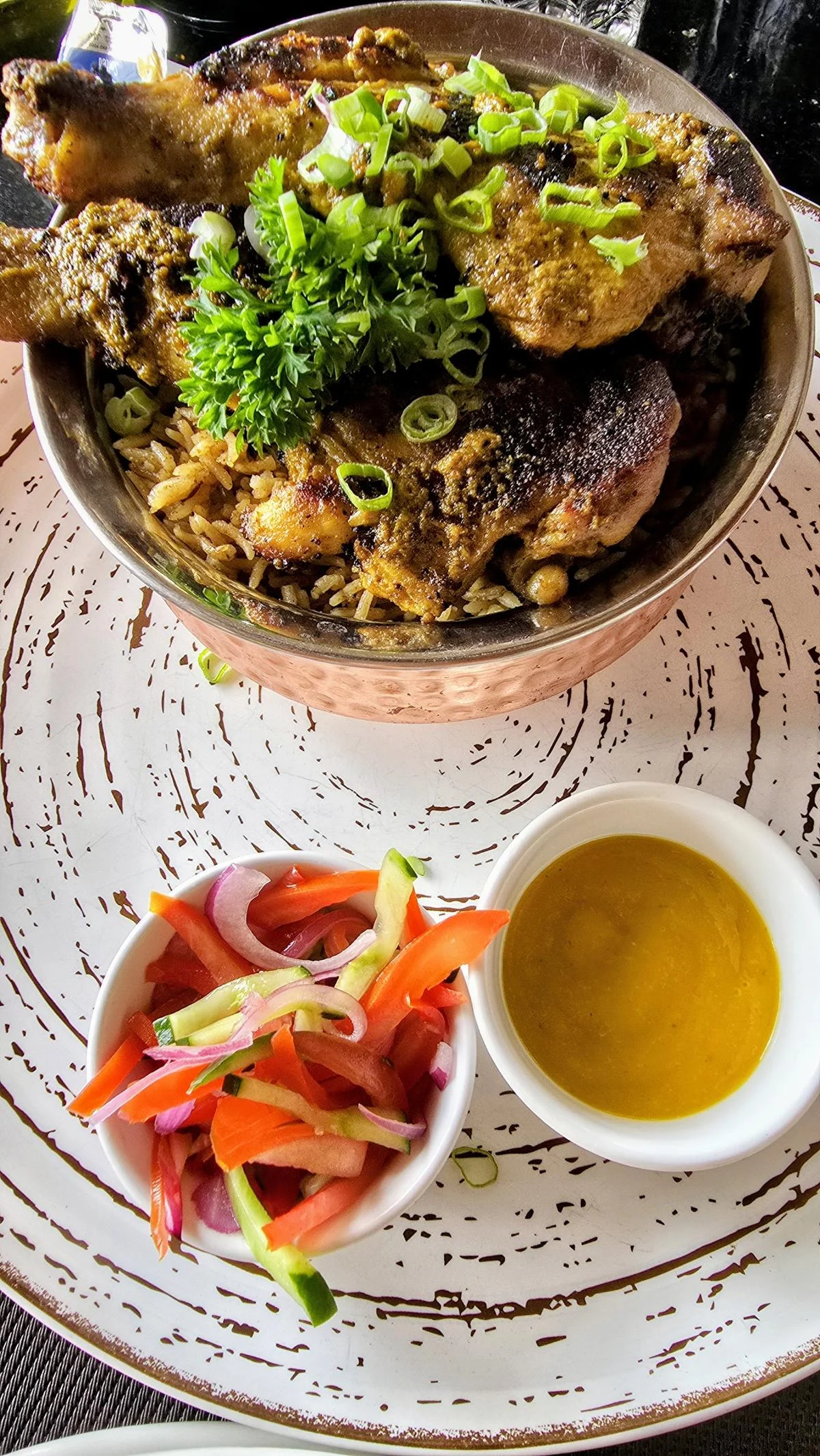
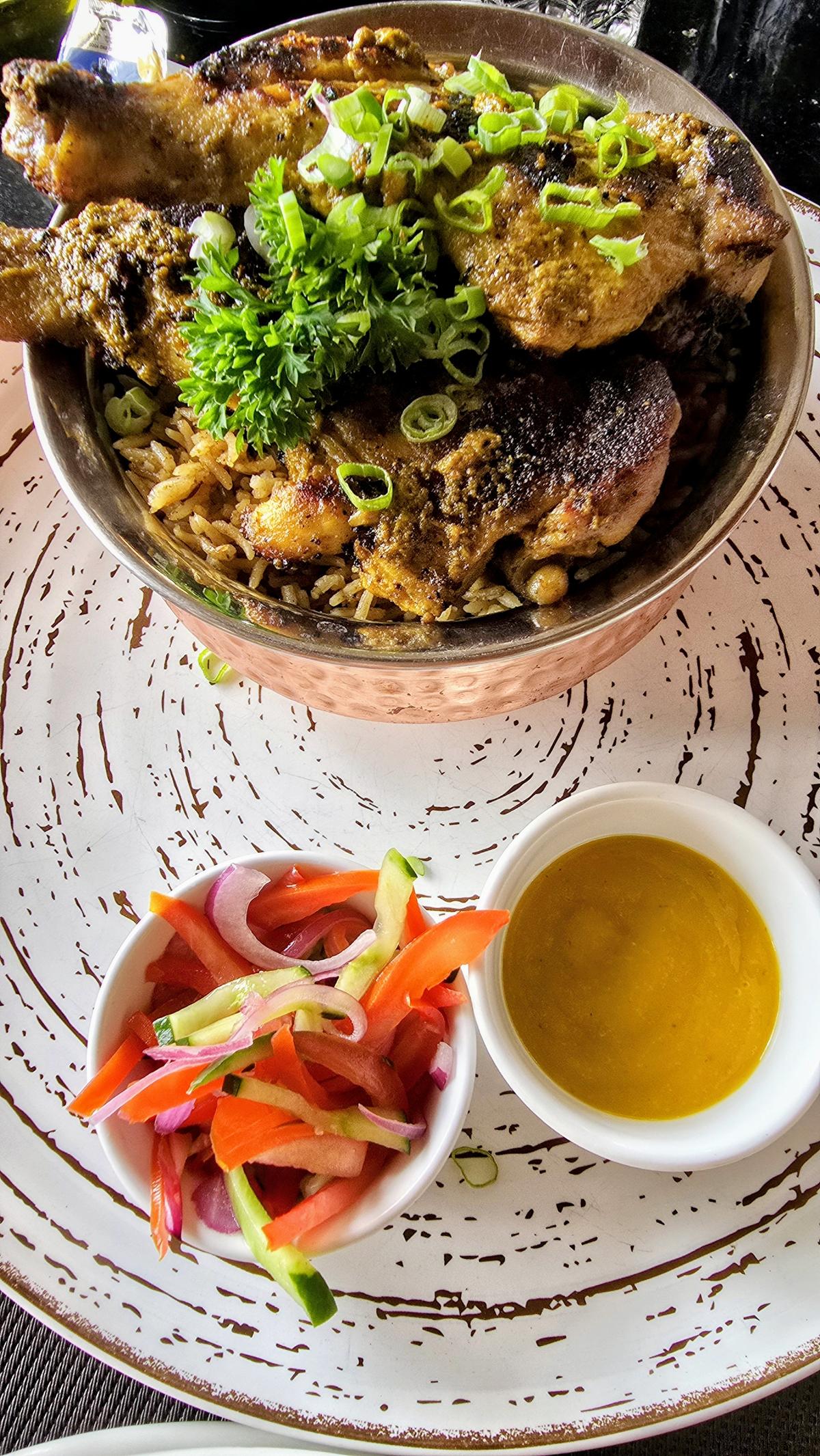
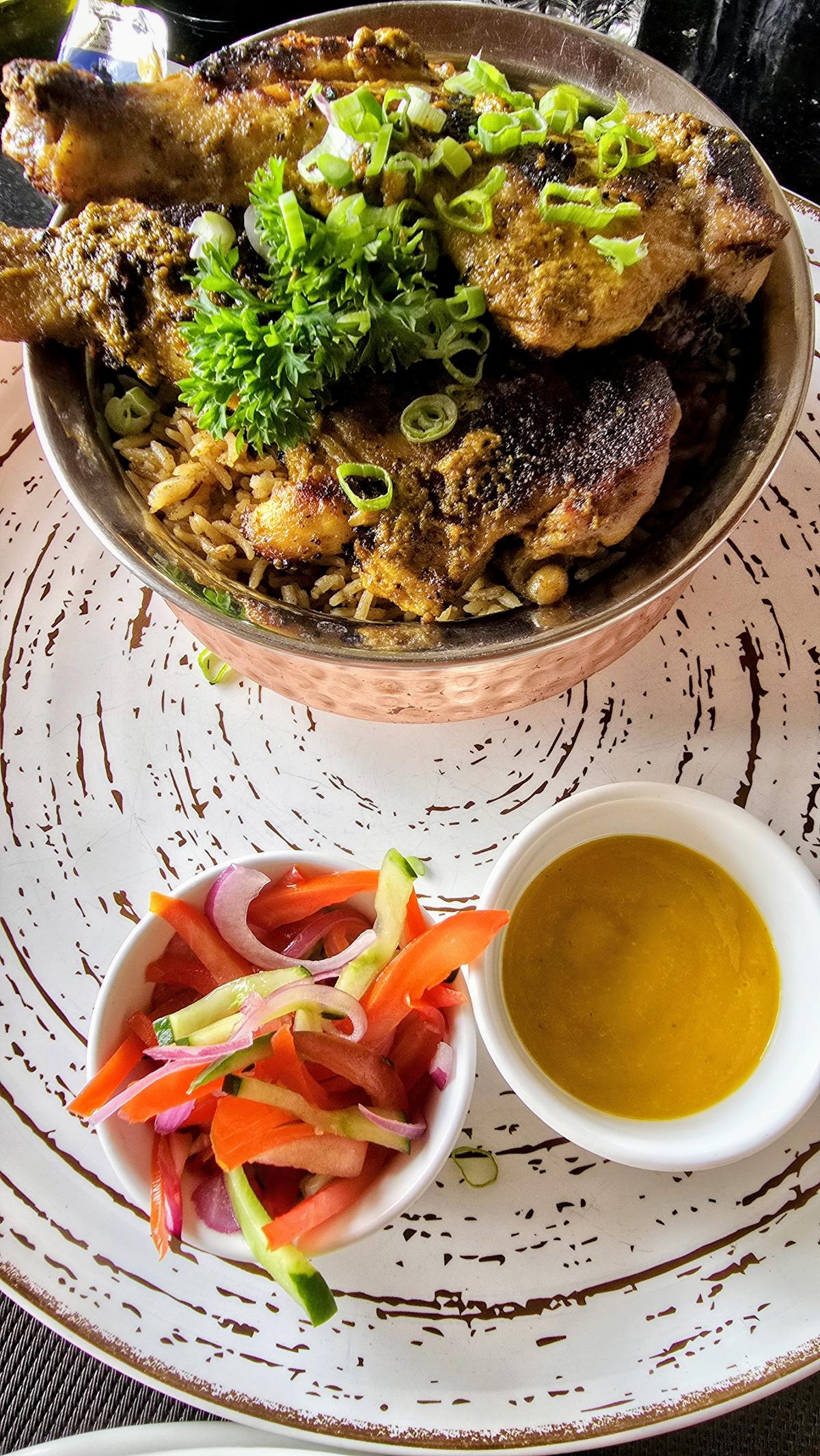
The Zanzibari Pilau is perhaps the most iconic example. While it shares a name and a base of long-grain rice with the Indian pulao, the Swahili iteration is defined by the island’s primary export: cloves (karafuu). The dish is a heady, aromatic experience, cooked with meat and a "Zanzibari masala" consisting of black pepper, cinnamon, cardamom, and cloves. The result is a smoky, earthy profile, often sweetened by a generous amount of caramelized onions—a technique reminiscent of North Indian biryani preparation.
The Sambusa, the island’s version of the samosa, offers another point of comparison. Unlike the thick, crusty, potato-filled triangles of Punjab, the Zanzibari sambusa is smaller, thinner-skinned, and predominantly filled with spiced minced meat. They are often less crisp, possessing a slightly softer texture that reflects the influence of the Middle Eastern sambousek, yet they are seasoned with the heavy hand of Indian spice logic.
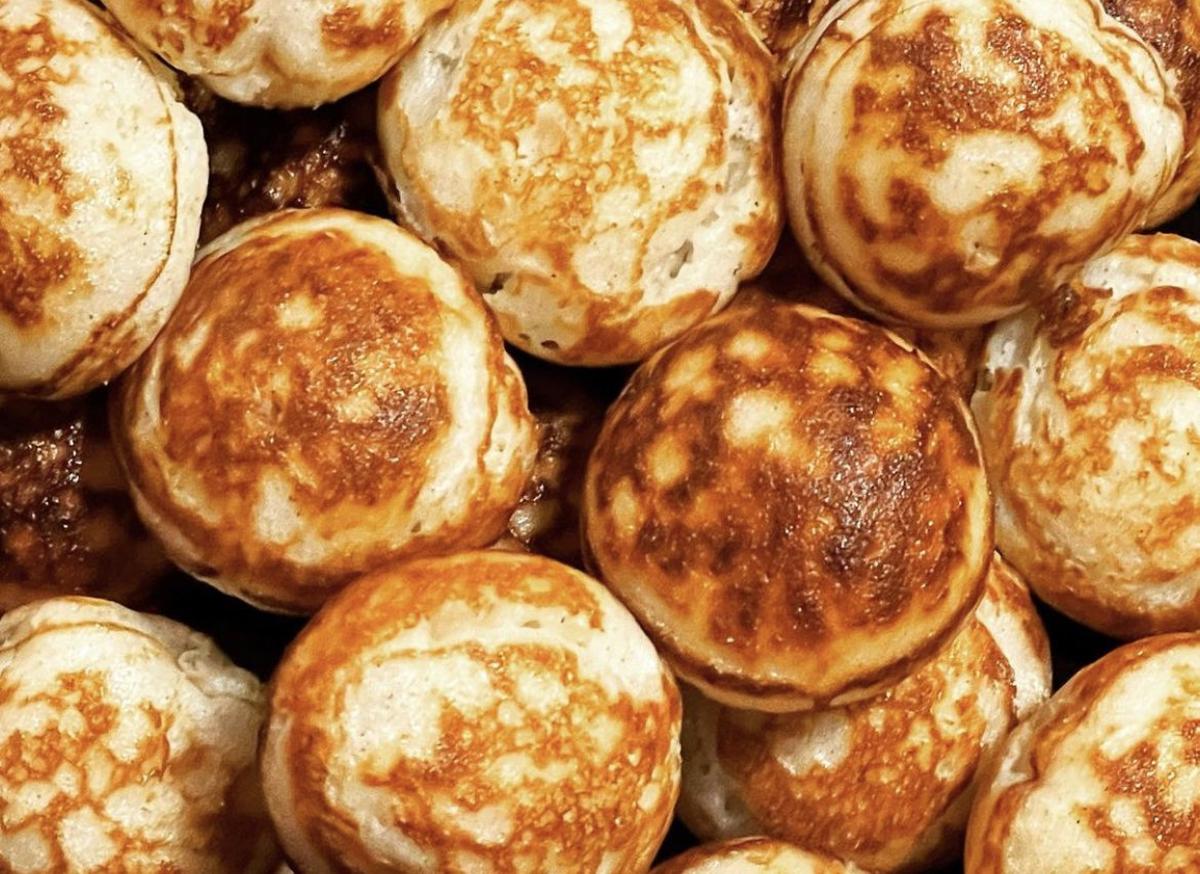
Street food, particularly in the Paje and Jambiani regions, further bridges the gap. The Maandazi—a triangular fried bread—bears a striking resemblance to the Mangalorean bun, though it is denser and often infused with cardamom. Vitumbua, or coconut rice pancakes, are almost indistinguishable from South Indian paniyarams, utilizing a fermented rice batter cooked in a multi-holed pan to achieve a fluffy interior and a golden crust.
Perhaps the most complex fusion is Urojo, often called "Zanzibar Mix." This tangy, turmeric-infused soup is a masterclass in texture and flavor, combining boiled potatoes, crispy bhajis (fritters), boiled eggs, and raw mango. For anyone familiar with Indian chaat, Urojo is an unmistakable relative—a comforting, soupy version of the street snacks found in the markets of Mumbai or Surat.
Chronology: From Merchant Vessels to Modern Kitchens
The evolution of this fusion cuisine follows a specific historical timeline, beginning long before the modern era of tourism.
- The 15th Century and the Portuguese Era: The Portuguese were the first Europeans to establish a presence on the island, bringing with them New World crops like chili peppers and cassava. However, their influence on the refined culinary culture was limited compared to what followed.
- The Omani Sultanate (1698–1890): The most significant shift occurred when the Omani Sultans seized control from the Portuguese. In 1840, Sultan Said bin Sultan moved his capital from Muscat to Stone Town. Under Omani rule, Zanzibar became the world’s leading producer of cloves. To manage the booming economy, the Sultans encouraged Indian merchants, bankers, and artisans to settle on the island.
- The Arrival of Indian Traders: Merchants from Gujarat, Kutch, and the Malabar coast began arriving in waves. These settlers did not just bring capital; they brought their kitchens. Gujarati Ismailis and Bohras established shipping links and retail shops, introducing curry powders, tea-time snacks, and the concept of the thali to the Swahili coast.
- The British Protectorate (1890–1963): By the time the British arrived, the Indian community was deeply entrenched in the socio-economic fabric of Zanzibar. Indian bankers financed the clove plantations, and Indian cooks were often employed in the homes of the elite, further blending Indian spice techniques with local ingredients like coconut milk and fresh seafood.
- Post-Independence and Modernity: Following the 1964 revolution, many Indians left for mainland Tanzania (specifically Dar es Salaam) or the UK. However, their culinary legacy remained. Today, the food of Zanzibar is seen as a cohesive national identity rather than a collection of foreign imports.
Supporting Data: The Geography of Influence
The Indian influence in Zanzibar is not monolithic; it can be traced back to specific regions of India, primarily Gujarat and Kerala.
The Gujarati Connection
Much of the vegetarian street food and snack culture in Stone Town mirrors the traditions of Gujarat. The use of chickpea flour (besan) in bhajis and the prevalence of kachoris in Darajani Market are direct legacies of the Kutchi and Gujarati traders. In Dar es Salaam, which serves as the modern commercial hub for many Zanzibari-Indian families, there are over two dozen prominent Indian restaurants that continue to serve traditional Gujarati-style vegetarian fare to a community that has resided in the region since the 16th century.
The Kerala and Malabar Link
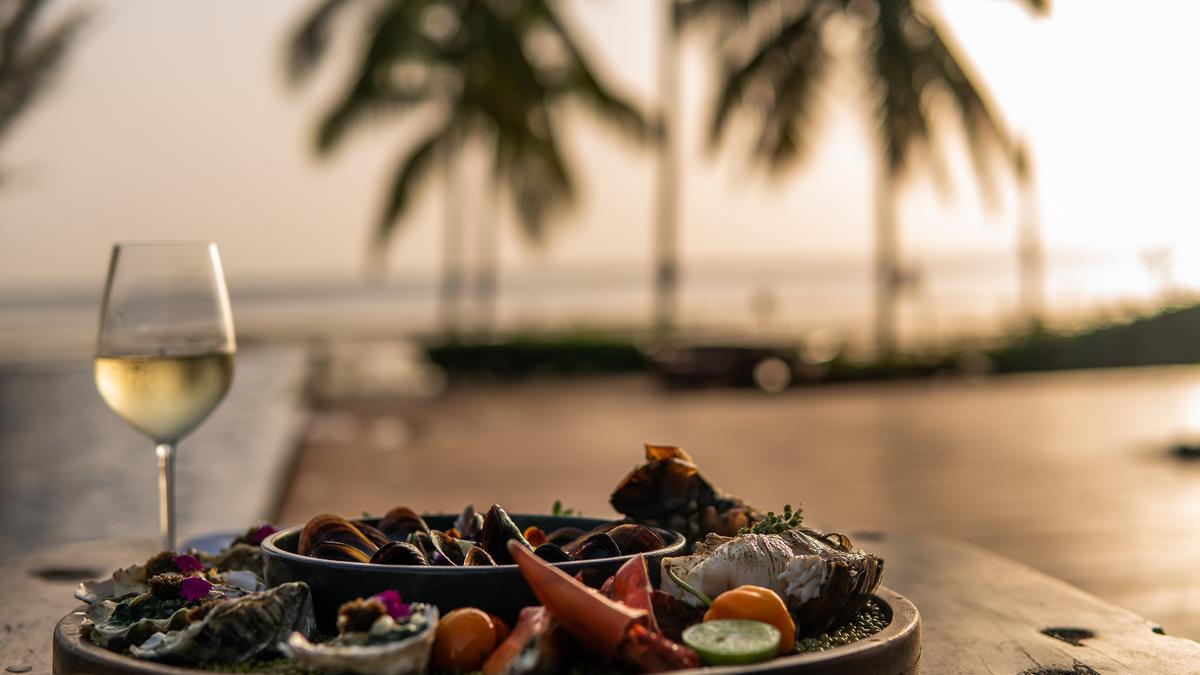
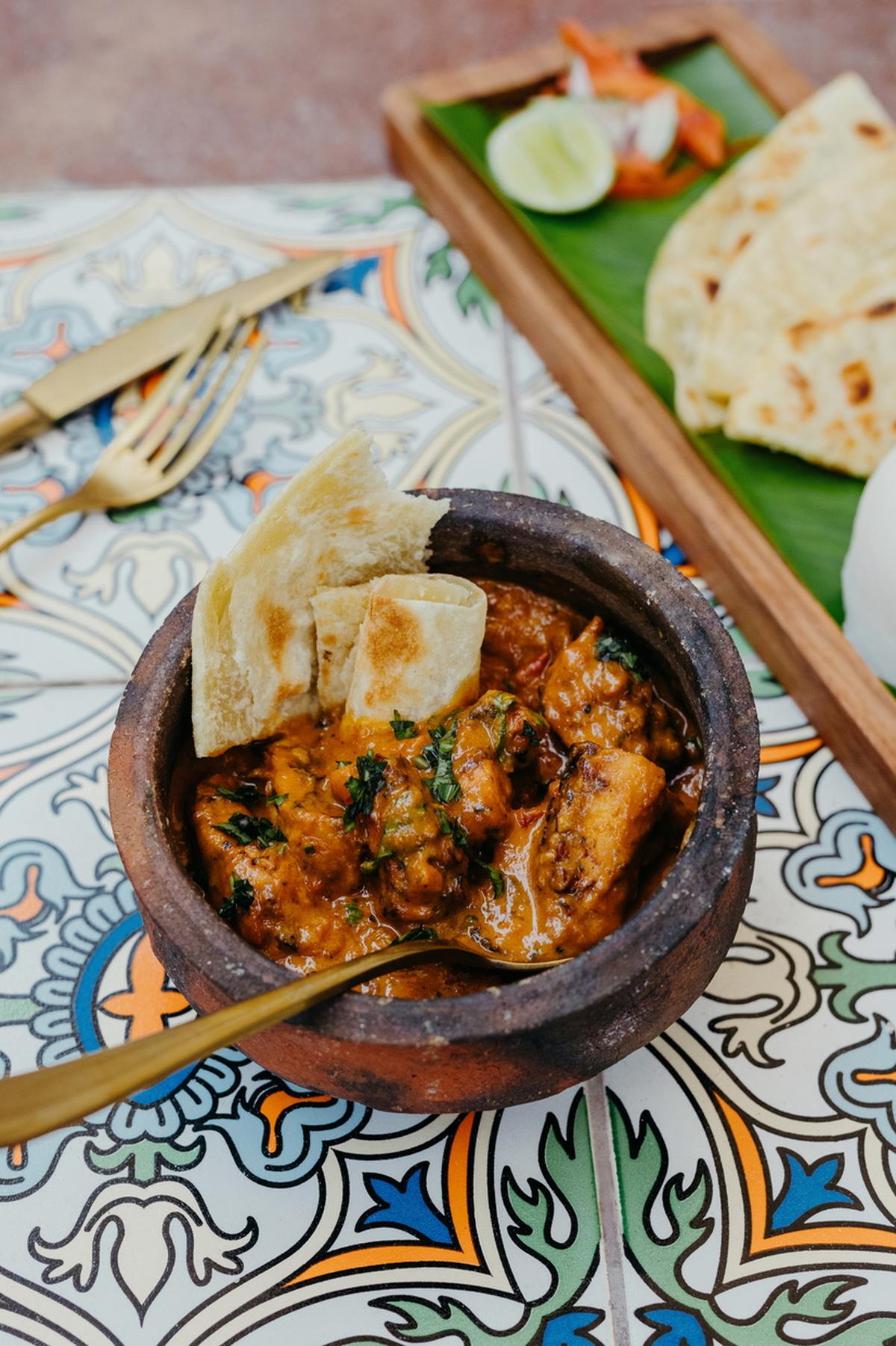
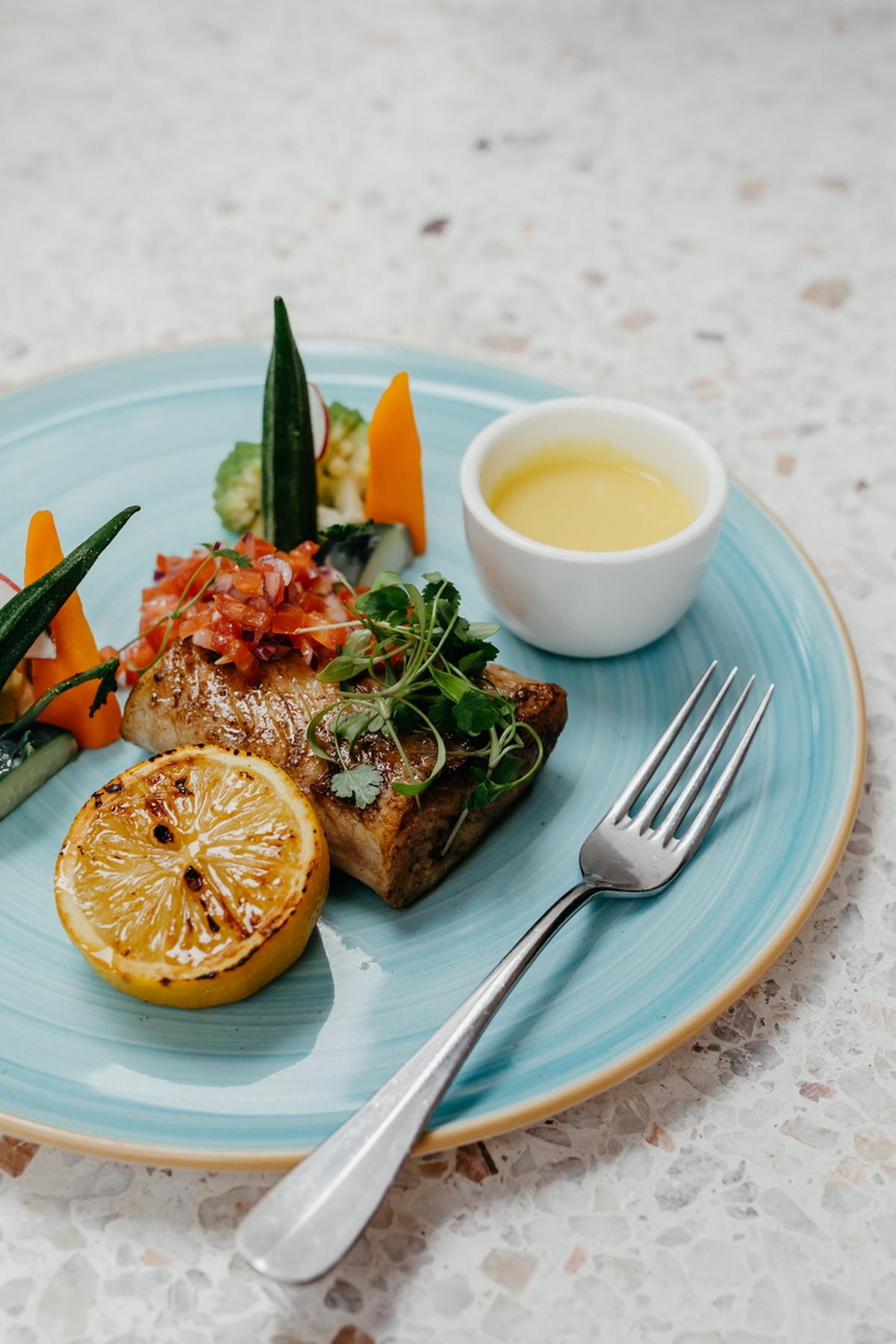
Zanzibar’s heavy reliance on coconut milk as a base for stews and curries finds its closest Indian parallel in the Malabar coast of Kerala. Dishes like Mchicha (spinach in coconut milk) and Maharage (red beans in coconut milk) utilize the same "tempering" logic found in South Indian thorans. The abundance of seafood—prawns, octopus, and kingfish—prepared with turmeric, ginger, and coconut milk, creates a flavor profile that would be entirely at home in a Keralite household.
The Spice Economy
Historically, spices were treated as currency in Zanzibar. Cloves, in particular, were so valuable they were nicknamed "Black Gold." Even today, Zanzibar remains a top producer of high-quality cloves. The integration of these spices into everyday cooking—where cloves are used not just as a garnish but as a foundational flavor in both sweet and savory dishes—is a direct result of the Indian-led spice trade of the 19th century.
Official Responses and Expert Insights
To understand the nuance of this fusion, one must look to the chefs currently defining the Zanzibari dining experience.
Leon Weir, the Executive Chef at The Residence Zanzibar, notes that while the ingredients are shared, the application differs. "The most prominent Indian influence is the selection of spices—cinnamon and cloves are staples in our marinades," Weir explains. "However, the overall Zanzibari taste profile tends to be milder and more aromatic than the pungent, high-heat profiles often found in mainland Indian cooking. It is an adaptation based on the availability of local ingredients over centuries."
During a culinary masterclass at the LUX* Marijani Resort, Chef Aisah highlights the "homely" nature of Swahili-Indian food. "It is all about bold spices and fresh seafood. When we make Swahili prawn curry or maharage, we are using the history of the island as a trading hub. We use the Indian techniques of frying spices in oil to release their aroma, but we finish with the African touch of fresh coconut milk to mellow the heat."
Chef Aisah also observes a cultural bridge during her classes. "When Indian guests come, they ask for ‘more spice, always more.’ There is a shared laughter there—a recognition of a common love for heat that distinguishes our shared food culture from the more bland palates of European travelers."

Implications: Food as a Vessel for Cultural Identity
The culinary synthesis in Zanzibar carries significant implications for how we understand cultural heritage in a globalized world.
- Preservation of History: In a region that has seen the dark periods of the slave trade and the upheavals of colonialism, food has remained a resilient form of cultural memory. The fact that a Zanzibari grandmother prepares a "chapatti" using the same folding technique as a "Lachha Paratha" in North India is a testament to the enduring nature of human migration.
- Economic Tourism: Zanzibar’s "Spice Tours" and culinary experiences at Forodhani Gardens are major drivers of the local economy. The "fusion" aspect is a primary marketing tool, drawing travelers who are looking for a familiar yet exotic experience. The UNESCO World Heritage status of Stone Town is bolstered by this intangible heritage—the sights, sounds, and smells of a multi-ethnic marketplace.
- The Evolution of "Authenticity": Zanzibar proves that authenticity is not a static concept. A "Zanzibar Pizza"—which is essentially a hybrid of a crepe, an omelet, and a meat-filled paratha, topped with Indian-style achaar (pickle)—is entirely authentic to the island, despite being a relatively modern invention. It represents the "ever-evolving" nature of the Zanzibari story.
As the sun sets over Forodhani Gardens and the scent of sizzling meat and cloves fills the air, it becomes clear that the Indian Ocean did not separate these two lands; it joined them. The story of Zanzibari food is not one of imitation, but of a centuries-long conversation—a dialogue of spices that continues to simmer in every pot across the archipelago. In every bite of a meat-filled sambusa or a fragrant spoonful of pilau, one tastes the legacy of the merchants, sailors, and cooks who turned an island into a crossroads of the world.
