

Bengaluru, India – Long before the city’s notorious traffic begins to choke its arteries and the first rays of dawn paint the sky, Sunil Lade is already miles into his disciplined routine. An ad-film producer by profession, his days are typically a whirlwind of frames, shots, and tight deadlines. But for Lade, and a burgeoning community of Indian runners, a different kind of deadline is beckoning – one that involves lacing up shoes in far-flung locales and experiencing the world one stride at a time.
This emerging trend, aptly dubbed "race-cations," sees Indian athletes meticulously planning their holidays around international marathons and endurance events. Far from being mere tourists ticking off landmarks, these runners are seeking a deeper, more visceral connection with their chosen destinations, transforming their journeys into immersive fitness expeditions.
Sunil Lade exemplifies this new breed of traveler. His upcoming itinerary includes the prestigious London Marathon on April 26, followed by the Chicago Marathon on October 11. His London trip, however, is more than just a race; it’s a solo sojourn designed for much-needed personal rejuvenation, with a five-day exploration of the Scottish Highlands planned alongside the marathon.
“I’ve traveled for work and for leisure before,” Lade shares, his voice reflecting a quiet determination. “But the perspective you gain while running is entirely different. You notice intricate details, the rhythm of local life, the nuances of a place that you’d simply bypass in a car or on a train.” This sentiment resonates deeply with the growing tribe of Indian runners who are discovering that the world, when traversed on foot, reveals a more authentic and enriching narrative.
The Runner-Tourist: Beyond the Finish Line
The allure of race-cations extends beyond seasoned marathoners. Social media influencer and long-distance runner Sahirah Oshidar, based in Bengaluru, firmly believes that fitness-focused travel is poised to become the next significant wave in the tourism industry. "Why merely travel when you can simultaneously elevate your fitness and achieve new personal milestones?" she poses, encapsulating the dual purpose driving this trend. Oshidar, a relative newcomer to the international running circuit, recounts the electrifying energy of her first international race, the Bangkok Marathon last November. This year, her sights are set on the Portugal Marathon (October 2-3, 2026) and the Abu Dhabi Marathon (December 12, 2026).
This growing phenomenon is not going unnoticed by the global hospitality and travel industries. A comprehensive study published in January 2026 by Accor, a multinational hospitality giant, in collaboration with travel trend forecasting agency Globetrender, surveyed over 4,300 travelers across India, the UK, and the US. The report highlighted the burgeoning "endorphin economy," with a remarkable 89% of respondents indicating that live events like marathons are a compelling reason to travel.
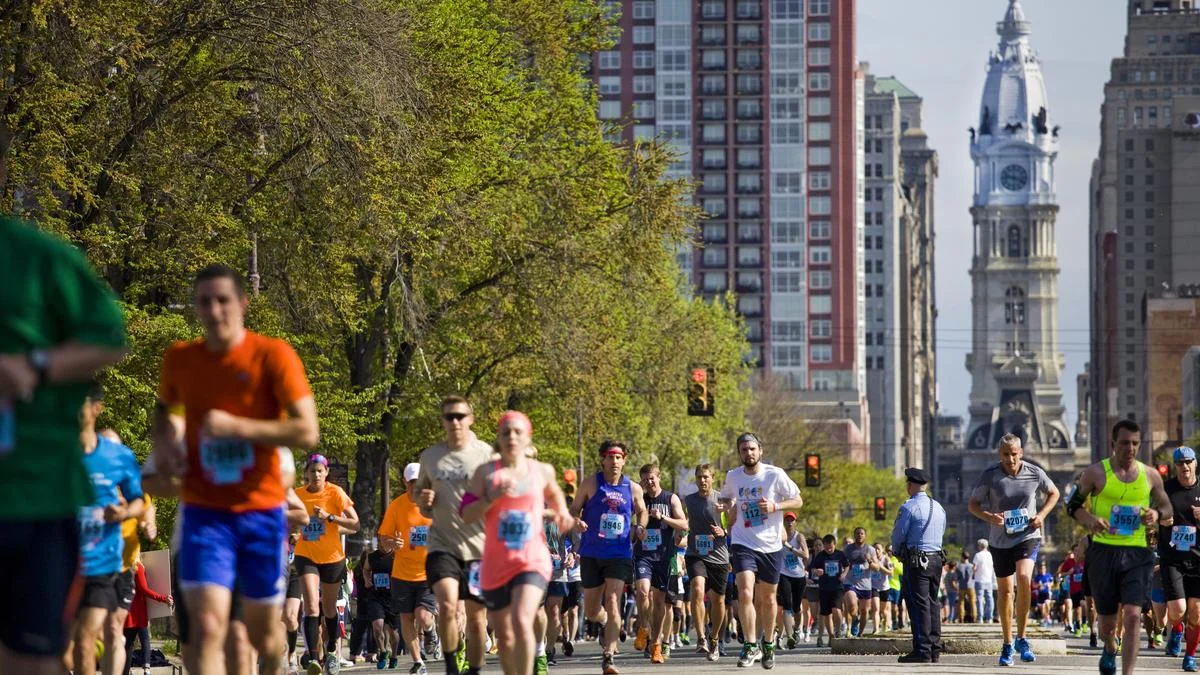
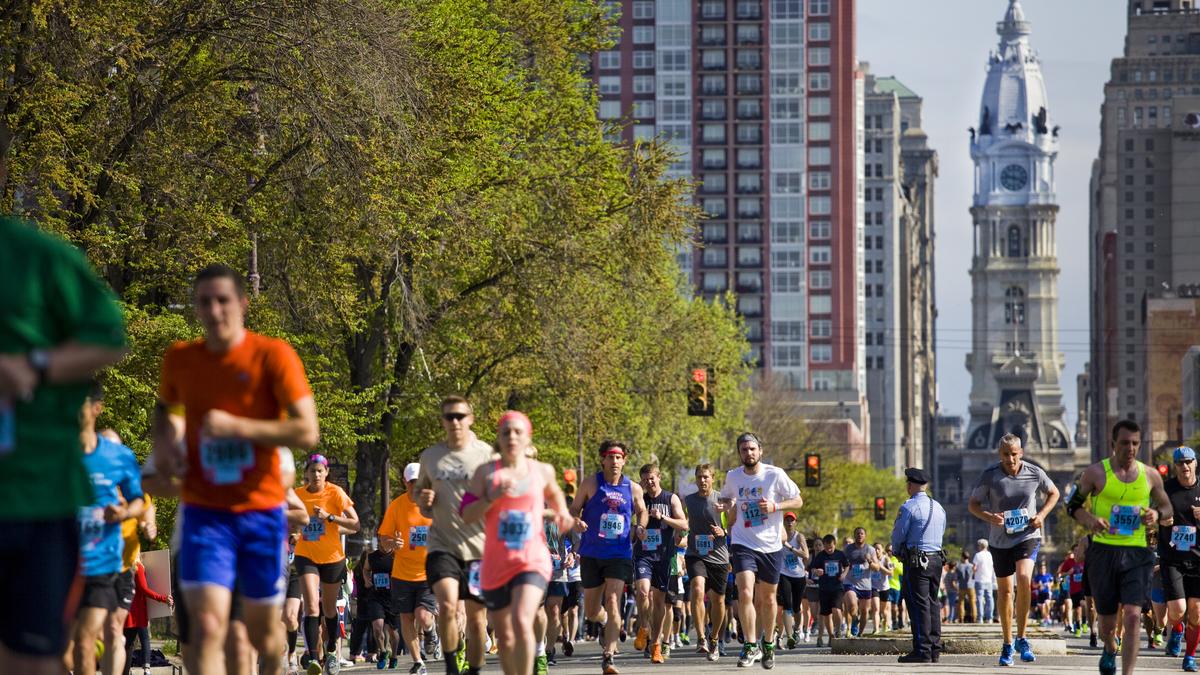
The industry has responded proactively. Hotels are now actively advertising their proximity to scenic running routes, and travel agencies are meticulously curating itineraries that revolve around major race weekends. Even airports are getting in on the act, offering unique running experiences. Hyderabad’s Rajiv Gandhi International Airport hosts an annual "Airport Run" every January, featuring 5K and 10K races that bring together both novice and experienced athletes on the tarmac. Similarly, the Philadelphia International Airport offers a rare opportunity to race on a runway, with aircraft movements providing a dramatic backdrop.
Within India, a diverse range of running events cater to this growing demand. February offers the understated community-run marathon in Auroville and the Jaisalmer half marathon, set against the breathtaking backdrop of sand dunes, ancient forts, and the vibrant desert festival. In June, Coorg beckons with the Bison Ultra, a challenging race traversing steep coffee estates. For those seeking the ultimate test of endurance, the high-altitude marathon in Leh, Ladakh, presents an unparalleled challenge.
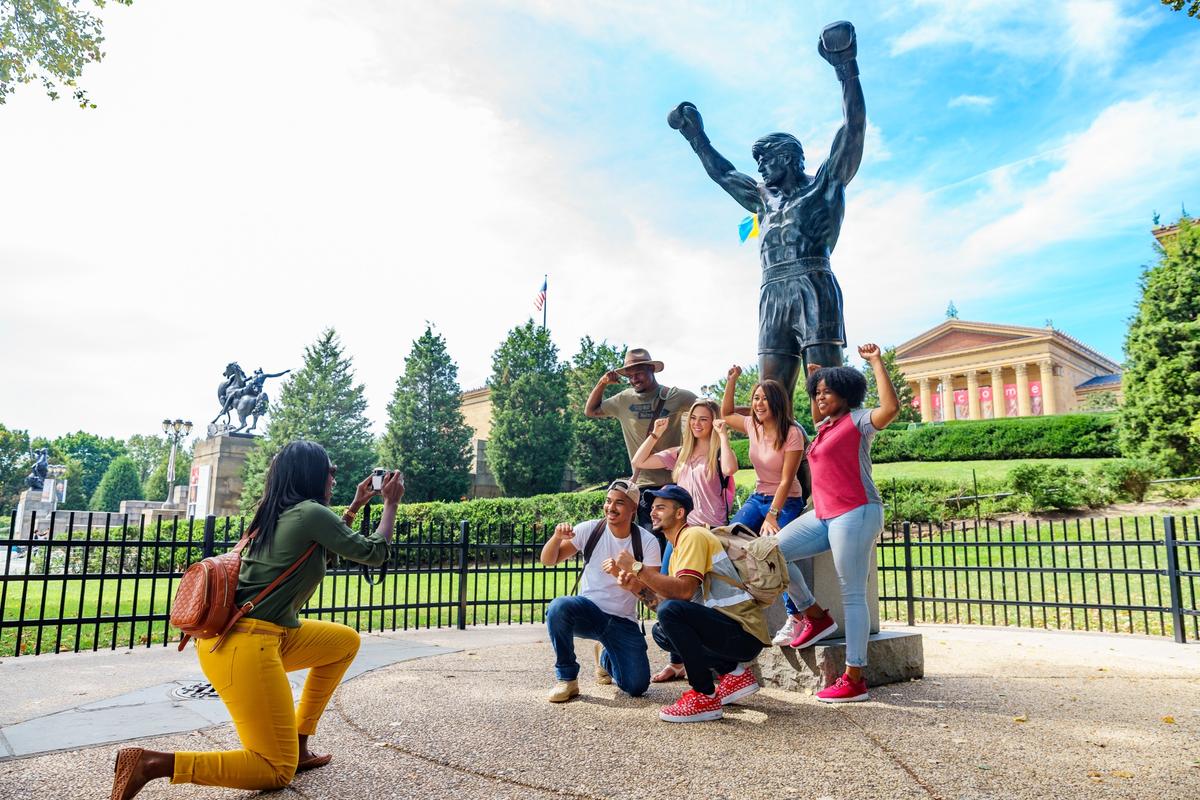
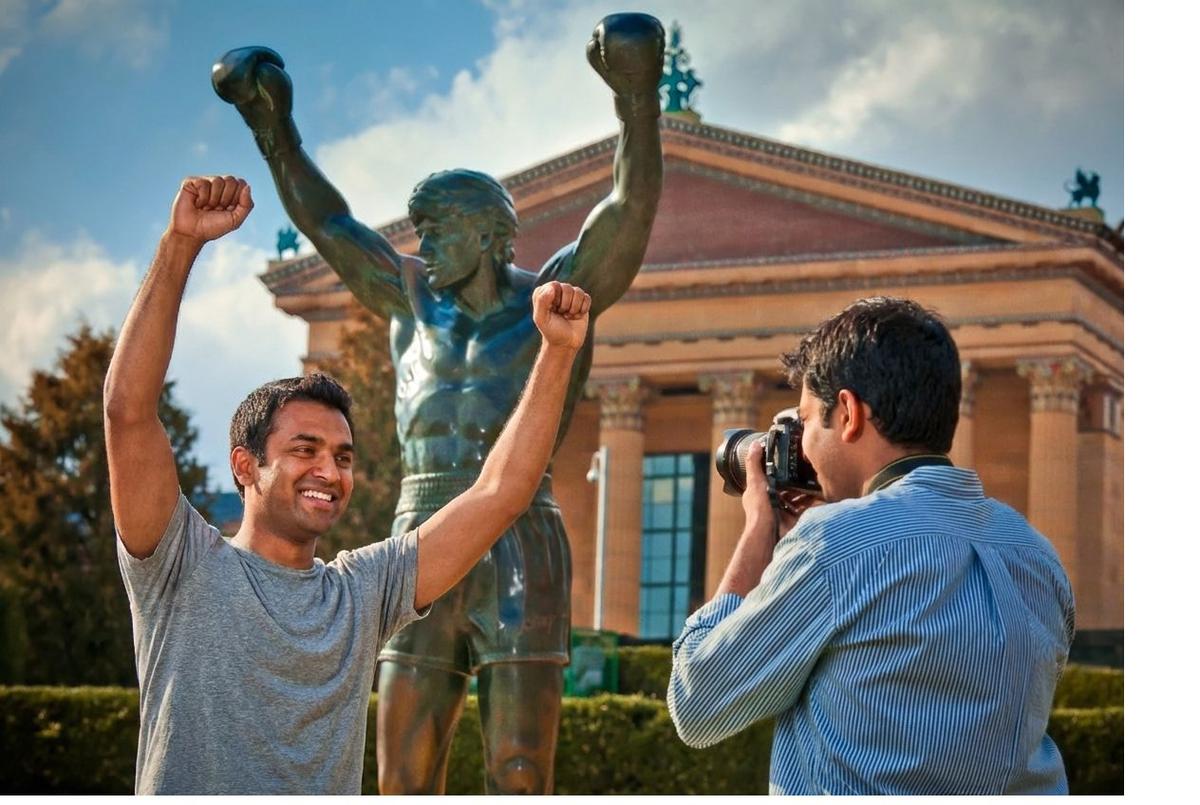
Daivik Rai, captain of the Indian indoor cricket team, recently experienced the Philadelphia Marathon. His motivation was deeply personal: to run in the "Rocky steps" – the iconic 72 stone steps leading to the Philadelphia Museum of Art’s East entrance, immortalized in cinematic history by Sylvester Stallone. This year, Philadelphia is gearing up for an exceptionally iconic marathon, as it coincides with America’s 250th Independence Day and the 50th anniversary of the "Rocky" franchise. Post-race, many athletes seek solace and recovery in the verdant green spaces of the Benjamin Franklin Parkway, engaging in cooldowns and stretching. Sports physiotherapy clinics report a surge in bookings during marathon weeks, with many offering specialized recovery packages including ice baths, compression therapy, and gait analysis, perfectly timed to coincide with race weekends.
The Race to Train: Dedication Beyond the Destination
Unlike conventional holidays focused on relaxation, race-cations demand a significant level of commitment and meticulous planning. Months of rigorous training, careful financial budgeting, and the delicate balancing of professional responsibilities are prerequisites. Preparation for these events typically begins one to three months prior to the race day.

Mohammed Suhail, founder of Bengaluru’s Fit District, trains a diverse clientele, from amateur enthusiasts to professional endurance athletes, including celebrities like Varun Dhawan and Yash. He emphasizes the disciplined lifestyle required. "I advise my runners to forgo late-night bar hopping and the temptation of lavish buffet spreads when they’re on a running vacation," he states. "They are encouraged to pack their bags with essential electrolytes and protein shakes. Remarkably, they don’t perceive these restrictions as burdensome; rather, they embrace them as part of the journey."
Pushing the Limits: Extreme Environments and Mental Fortitude
While major city marathons dominate the race-cation discourse, a segment of Indian runners is venturing into more extreme territories, where the lines between travel, endurance, and survival blur into a single, exhilarating experience. Ultramarathon runner Kieren D’Souza, currently based in Manali and renowned for his sub-zero condition races, embodies this pioneering spirit. Competing in temperatures that can plummet to -10°C and even -15°C necessitates rigorous acclimatization, often involving training in regions like Jammu or Kashmir.
Kieren is currently in Ladakh, immersed in training for the upcoming marathon season. "In races that extend beyond 100 kilometers or span over 48 hours, it’s as much a mental battle as a physical one," he explains. For him, competing in foreign territories serves as a crucial means of self-discovery, pushing his boundaries to new limits. Among his most challenging and rewarding experiences was the Yading Skyrace in China, held at an awe-inspiring altitude of 4,000 meters.
Kieren also highlights the significant challenge of maintaining optimal nutrition during these extreme events. "It’s difficult to get your macros right – so I often rely on a good steak daily, packed with fresh vegetables and meat. I also ensure I have plenty of fruits readily available in my bags or training kits; they are refreshing and provide a vital energy boost."
For Sahirah Oshidar, mental fortitude is as paramount as physical prowess. She incorporates daily meditation into her routine before embarking on a new running challenge in an unfamiliar country. "I believe that venturing outside one’s comfort zone through running cultivates mental agility," she asserts.
Kieren concurs, reminiscing about his first race-cation in 2015 at the prestigious CCC Marathon in the French Alps, a 100-kilometer trail race as part of the UTMB Mont Blanc festival. This experience was instrumental in helping him embrace solitude, being away from the familiar support of his family and friends. He believes that running fosters a profound sense of camaraderie, even in fleeting moments. "You’re running alongside people from all over the world," he observes. "Everyone is facing the same struggle. There’s a shared language, a silent understanding, even if you don’t exchange words."
Upcoming Races and Training Insights
The world of race-cations is expanding rapidly, with numerous iconic events on the horizon for eager Indian runners:
- London Marathon, April 26th, 2026: Renowned as one of the globe’s most popular marathons, it received a staggering 1.1 million applications this year.
- Cape Town Marathon, May 24th, 2026: This circuit offers the dramatic backdrop of Table Mountain, providing a visually stunning race experience.
- Sydney Marathon, August 30th, 2026: A coveted part of the Majors circuit, this race famously traverses the Sydney Harbour Bridge and passes iconic landmarks like the Opera House.
- Philadelphia Marathon, November 22nd, 2026: This marathon holds particular significance this year, coinciding with America’s 250th Independence Day celebrations and promising extensive city-wide events.
To navigate the demands of these ambitious endeavors, experienced trainers offer invaluable advice. Mohammed Suhail provides the following key insights:
DO’s:
- Gradual Mileage Increase: Increment training mileage by no more than 10% each week to prevent injury and allow for adaptation.
- Simulate Conditions: Whenever possible, train in local environments that mimic the conditions of the intended international circuit.
- Tapering for Recovery: Reduce training load significantly 2-3 weeks before the competition to ensure optimal recovery and peak performance.
- Hydration and Fueling: For runs exceeding 60-90 minutes, consume carbohydrate-electrolyte combinations to maintain energy levels and hydration.
DON’Ts:
- Avoid Novelty on Race Day: Never introduce new gear, nutrition, or hydration strategies on the day of the race; stick to what has been tested during training.
- Prioritize Sun Protection: Always use adequate sun protection during long runs to mitigate UV damage and prevent sunburn.
- Respect Rest Days: Do not skip rest days; they are crucial for muscle repair, recovery, and preventing overtraining.
The rise of the race-cation signifies a profound shift in how Indians perceive travel and personal achievement. It’s a movement that marries the thrill of exploration with the discipline of fitness, creating a holistic and deeply rewarding experience that extends far beyond the finish line. As more runners embrace this trend, the world becomes not just a place to see, but a landscape to conquer, one stride at a time.
