

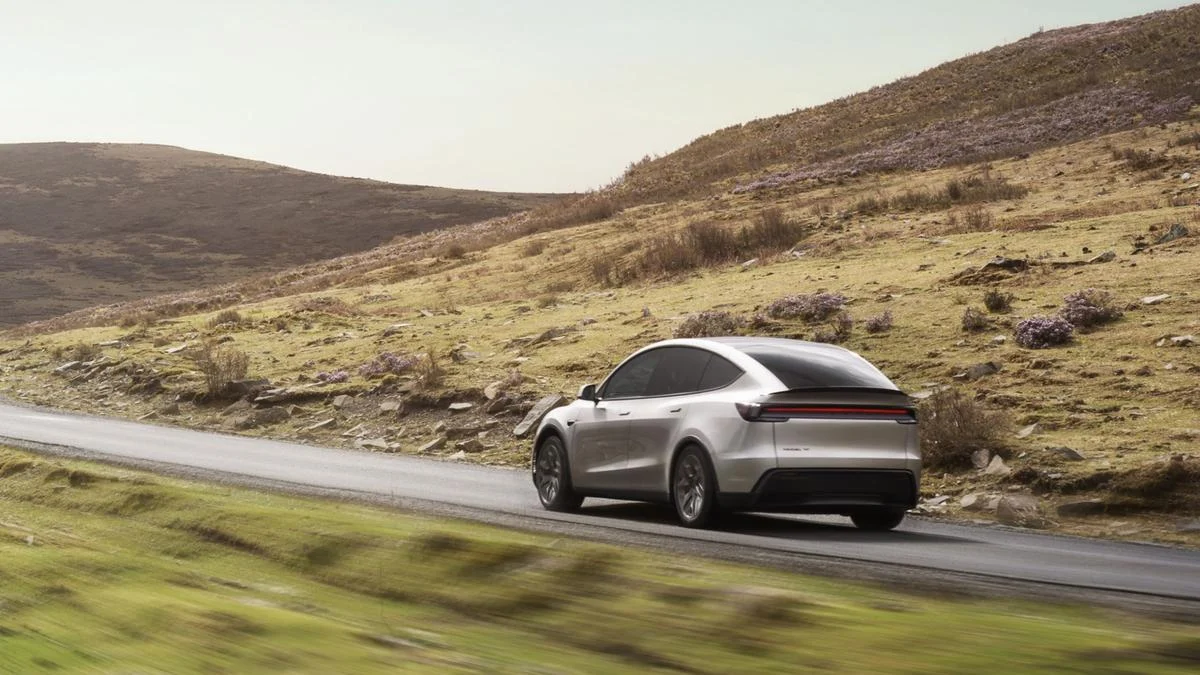
The long-anticipated arrival of Tesla on Indian shores has transitioned from speculative headlines to a tangible, localized reality. While the global narrative surrounding Elon Musk’s electric vehicle (EV) giant often focuses on disruptive speed and aggressive market saturation, the brand’s entry into the Indian subcontinent reveals a surprisingly measured and sophisticated strategy. The introduction of the Tesla Model Y L, priced at ₹61.99 lakh, marks a significant departure from a "one-size-fits-all" global rollout. Instead, it signals Tesla’s recognition of India as a unique ecosystem where luxury is defined not just by performance, but by space, utility, and rear-seat comfort.
Main Facts: A Tailored Entry into the Premium Segment
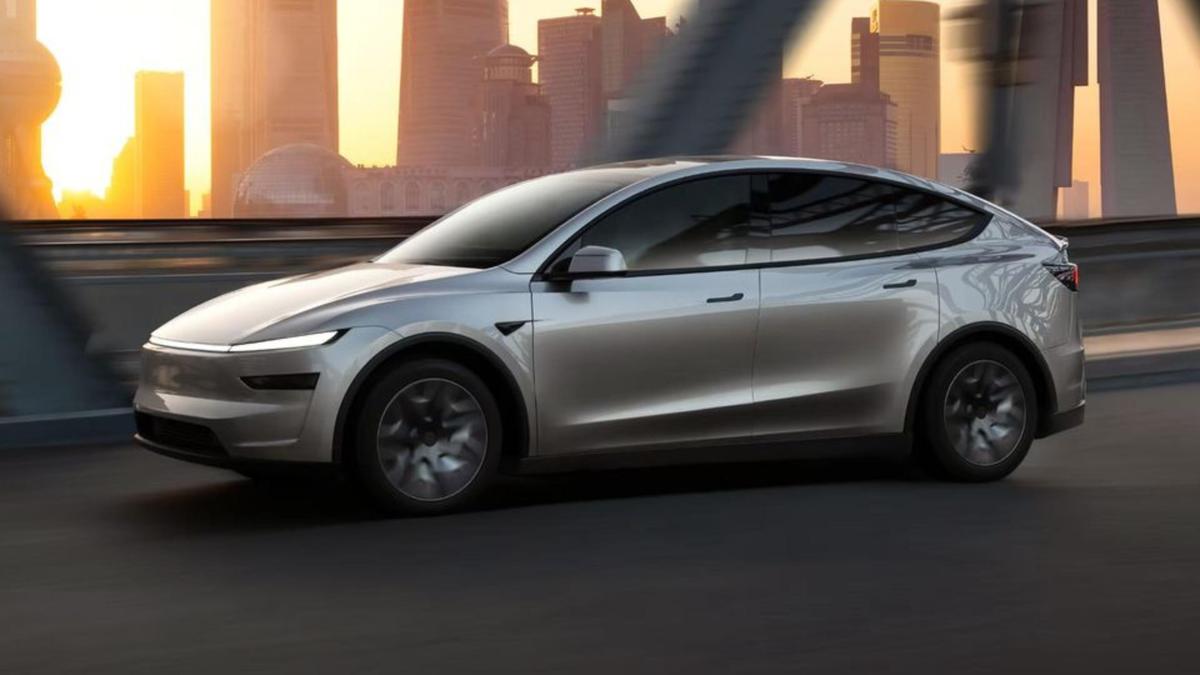
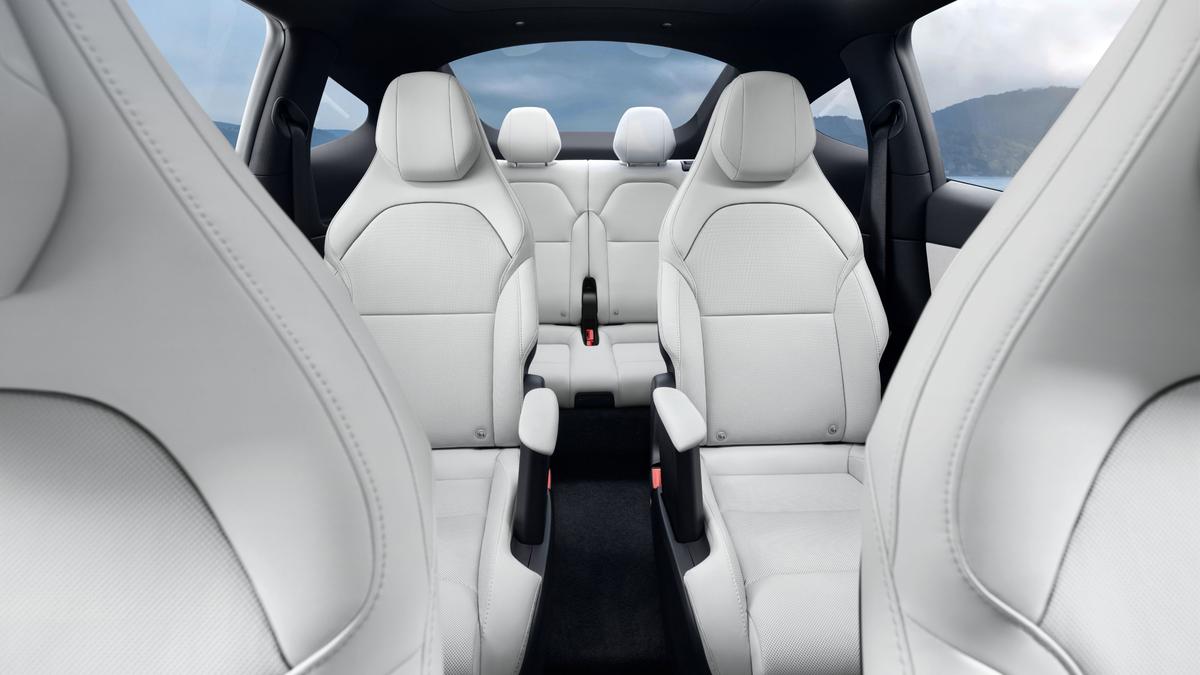
The Tesla Model Y L is not merely a localized version of the world’s best-selling SUV; it is a calculated response to the specific demands of the Indian premium car buyer. Historically, Tesla has focused on minimalist, five-seat configurations. However, the Model Y L breaks this mold by introducing a three-row, six-seat layout. This configuration is specifically designed to appeal to the "plus-sized" family dynamic and the chauffeur-driven culture prevalent in India’s metropolitan hubs.
Key Specifications at a Glance:
- Price: ₹61.99 Lakh (Ex-showroom).
- Seating Configuration: 6-seater (2+2+2) with second-row captain seats.
- Range: Up to 681 km (WLTP cycle).
- Performance: 0–100 km/h in 5.0 seconds (All-Wheel Drive variant).
- Cargo Capacity: Up to 2,539 liters with seats folded.
- Technology: 15-inch central touchscreen, 18-speaker premium audio, and a fully integrated software ecosystem.
The vehicle’s positioning is strategic. At just over ₹60 lakh, it sits in a "sweet spot" of the luxury market—undercutting several European electric crossovers while offering more seating flexibility than its immediate rivals. By focusing on the "L" (often denoting Long or Luxury-focused configurations in Asian markets), Tesla is addressing the Indian consumer’s insistence on "Paisa Vasool" (value for money), even within the luxury bracket.
Chronology: The Road to the Indian Market
Tesla’s journey to India has been a decade-long saga of negotiations, policy debates, and strategic recalibrations. To understand the significance of the Model Y L launch, one must look at the timeline that brought the company to this point.
2016–2020: The Early Interest
Tesla first opened bookings for the Model 3 in India in 2016, with several high-profile Indian entrepreneurs placing deposits. However, progress stalled due to India’s high import duties on Completely Built Units (CBUs) and Tesla’s insistence on testing the market with imports before committing to a local "Giga" factory.
2021–2023: The Policy Deadlock and Breakthrough
For two years, Tesla and the Indian government engaged in a high-stakes standoff. Tesla sought lower import taxes, while the Ministry of Heavy Industries pushed for "Make in India" commitments. The turning point came in early 2024, when the Indian government announced a new EV policy. This policy offered reduced import duties (15%) for companies that committed to investing at least $500 million and setting up local manufacturing within three years.
2024–2025: Infrastructure and Localization
Following the policy shift, Tesla began establishing its corporate presence in Pune and Bengaluru. The focus shifted from merely selling cars to building a support ecosystem. The current phase sees the rollout of the Model Y L, a vehicle that benefits from the latest refinements in Tesla’s global manufacturing process but is tuned for Indian road conditions.
Supporting Data: Engineering for the Indian Landscape
The Model Y L is more than a software update on wheels; it features mechanical adaptations designed to handle the rigors of Indian infrastructure.

The Six-Seat Advantage
The decision to opt for a 2+2+2 layout rather than a 7-seat (2+3+2) configuration is data-driven. In the premium segment, the "Captain Seat" arrangement in the second row is highly coveted. These seats offer:
- Enhanced Comfort: Independent armrests and superior lateral support.
- Climate Control: Integrated heating and ventilation, essential for India’s tropical climate.
- Ease of Access: A central aisle that allows easier entry to the third row, which itself features power recline and independent venting.
Performance and Range Parity
The Indian consumer often experiences "range anxiety" due to the nascent state of the charging network. Tesla addresses this with a claimed WLTP range of 681 km. Even with a real-world "efficiency haircut" of 20%, the Model Y L remains capable of traversing the Mumbai-Goa or Delhi-Chandigarh routes on a single charge. The AWD (All-Wheel Drive) system, coupled with electronic damping and adaptive suspension, ensures that the vehicle remains composed over the undulations and sudden surface changes typical of Indian highways.
Cargo and Utility
With 2,539 liters of maximum cargo space, the Model Y L outclasses many traditional mid-sized SUVs. This makes it a viable primary vehicle for families, capable of handling airport runs and interstate road trips—a necessity for a market where the luxury car is often the "do-it-all" family vehicle.
Official Responses and Strategic Intent
While Tesla’s leadership has remained characteristically tight-lipped about specific sales targets, industry analysts and sources close to the company’s Indian operations suggest a "long-game" approach.

The inclusion of Motorscribes in the vehicle’s debut, in association with The Hindu, underscores a desire to reach a sophisticated, well-informed demographic. Tesla’s internal strategy appears to be focused on "Product Education." Instead of traditional advertising, the company is leaning on the "Tesla Ecosystem"—the integration of the Tesla App, the seamless Supercharger experience, and over-the-air (OTA) updates—to differentiate itself from legacy luxury brands.
Government officials have expressed cautious optimism. A spokesperson from the Ministry of Road Transport and Highways (MoRTH) recently noted that the entry of major global EV players is expected to act as a catalyst for the local supply chain, encouraging Indian component manufacturers to upgrade their standards to meet global EV specifications.
Implications: Changing the Indian Automotive Landscape
The arrival of the Model Y L at ₹61.99 lakh has far-reaching implications for the Indian automotive industry, the charging infrastructure, and the competitive behavior of rival brands.
1. The "Tesla Effect" on Competitors
Tesla’s pricing puts it in direct competition with the Volvo XC40 Recharge, the Kia EV6, and the Hyundai Ioniq 5. However, it also threatens the market share of traditional ICE (Internal Combustion Engine) luxury SUVs like the BMW X3 and the Mercedes-Benz GLC. Rival manufacturers are now under pressure to accelerate their EV roadmaps and, more importantly, to justify their price premiums against Tesla’s tech-heavy offering.
2. Infrastructure as a Bottleneck and Opportunity
The current Tesla footprint in India—5 Supercharger stations and 20 Superchargers—is modest. However, Tesla’s history shows that they do not rely on third-party networks; they build their own. The expansion of the Supercharger network across the "Golden Quadrilateral" (the highway network connecting Delhi, Mumbai, Chennai, and Kolkata) will be the true litmus test for the brand’s success. If Tesla can replicate its seamless "plug-and-charge" experience in India, it will remove the single largest barrier to EV adoption in the luxury segment.
3. The Shift to "Software-Defined Vehicles"
The Model Y L introduces Indian consumers to a high level of digital integration. Features like live camera access via the app, integrated streaming services (Netflix, YouTube, Spotify), and sophisticated traffic visualization redefine the car as a "third living space." This shift will likely force domestic players like Tata Motors and Mahindra to further invest in their software capabilities to keep pace with the user-experience expectations set by Tesla.
4. A Pragmatic Luxury
Finally, the Model Y L represents a shift toward "Pragmatic Luxury." By prioritizing a quiet cabin (via acoustic glass), a refined ride (via adaptive damping), and seating flexibility, Tesla is moving away from the "tech-bro" image toward a "family-first" identity. In a market where the opinion of the family often outweighs the preference of the individual driver, this localization of intent could be the masterstroke that secures Tesla’s future in India.
Conclusion
The Tesla Model Y L is not just another electric SUV entering a crowded market; it is a signal of intent. At ₹61.99 lakh, it challenges the status quo by offering a blend of performance, space, and prestige that was previously unavailable at this price point. While challenges regarding service infrastructure and charging density remain, Tesla’s measured entry suggests they are prepared for the marathon, not just the sprint. For the Indian consumer, the Model Y L offers a glimpse into a future where electric mobility is no longer a compromise, but a sophisticated upgrade to the modern lifestyle.
