

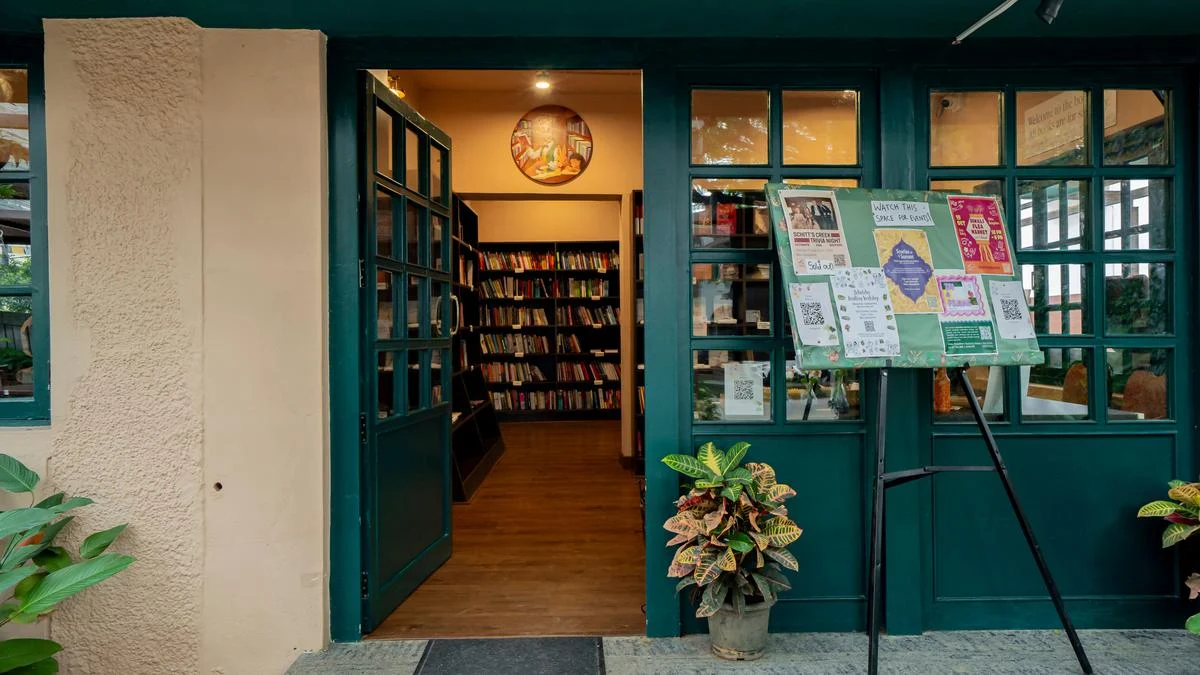
A surge in independent bookstores across Indian cities paints a picture of a burgeoning literary scene. Yet, beneath the surface of this apparent revival lies a complex reality, marked by both vibrant community engagement and the stark economic challenges inherent in the bookselling business. While new ventures bloom with curated experiences and niche offerings, established players and newcomers alike grapple with shifting consumer habits, distribution hurdles, and the ever-present shadow of online retail.
The narrative of independent bookstores in India is far from a simple comeback. It’s a story woven with threads of passion, community, innovation, and a persistent fight for sustainability. The recent visibility of these havens for bibliophiles, with their unique charm and carefully curated selections, has ignited conversations about their role in the cultural fabric of Indian cities. However, a closer examination reveals that this burgeoning presence is a delicate ecosystem, susceptible to both external shocks and the fundamental economics of the book trade.
The Unforeseen Adversity: A Community’s Solidarity in Bengaluru
Last month, Bengaluru’s iconic Bookworm on Church Street faced a devastating blow when a sudden and intense hailstorm unleashed torrential rain, flooding the beloved establishment and damaging an estimated 5,000 books, with losses pegged at approximately ₹14 lakh. The incident, however, did not signal the end for Bookworm; instead, it illuminated the profound connection between the bookstore and its patrons.
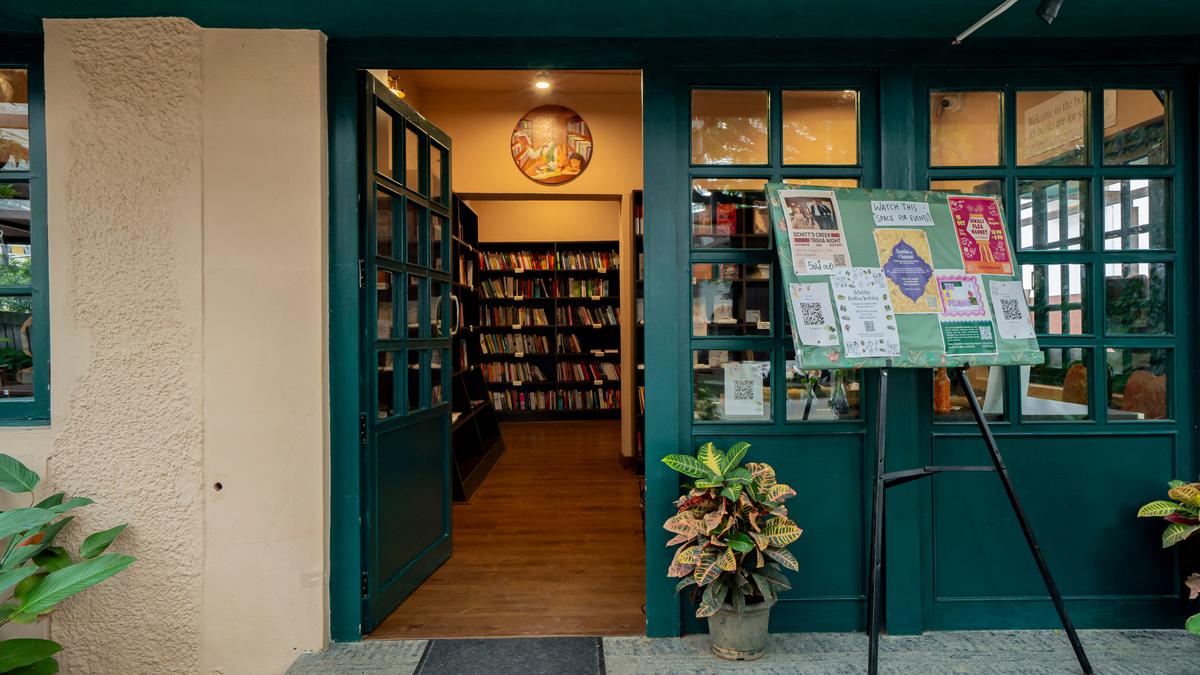
Hundreds of members of the city’s reading community rallied in solidarity, offering their time and effort to clean and dry the water-damaged books. This outpouring of support extended beyond physical labor, with publishers and renowned authors, including historian Ramachandra Guha, amplifying calls on social media to purchase books and help offset the financial damage. This collective response served as a powerful testament to the fact that independent bookstores are more than mere retail spaces; they are vital community hubs capable of mobilizing significant support in times of crisis.
The Stark Reality: Fort Kochi’s Printed Matter and the Unfolding Economic Truth
Yet, this heartening display of community resilience stands in poignant contrast to the story of Fort Kochi’s Printed Matter. A mere ten days after an interview with its founder, Gouri Ramkumar, an announcement on their Instagram page revealed the impending closure of their physical store on May 10th. The post cited "the seasonal nature of Fort Kochi [where the tourist season dropped away once summer set in] and the economics of independent bookselling" as the primary reasons for this difficult decision. This unfortunate closure underscored a sobering truth: a bookstore can become an integral part of a city’s cultural life and still find its physical existence economically untenable.
Global Trends vs. Indian Realities: A Divergent Path
The narrative of bookstores in India presents a distinct picture when compared to the United States and the United Kingdom, where the bookstore is often framed as experiencing a resurgence. This perceived comeback in the West is attributed to factors such as the influence of social media, a growing interest among younger readers, robust retail infrastructure, and the strategic reinvention of large bookstore chains. For instance, Barnes & Noble, a prominent U.S. bookstore chain, reported opening more new stores in 2025 than in the entire decade from 2009 to 2019, with plans for over 60 new outlets in the current year.

In India, however, the situation is more nuanced. While numerous independent bookstores have launched across cities – including Fictionary in Mumbai, Luna in Hyderabad, Beku and Turning Pages in Bengaluru, Mehrab in Kochi, The Raven Academy in Chennai, and Ukiyo in Imphal – and established chains like Sapna and Crossword are expanding their footprints, the term "comeback" is met with circumspection by legacy owners. Leonard Fernandes, proprietor of Goa’s Dogears, a store founded in 2016 and known for its specialized collection on local history, culture, and fiction, shared that his establishment is only now breaking even, with a cautious outlook on the sustainability of the trend.
The Indian Market: A Growing Consumer Base
Despite these challenges, the Indian book market is demonstrating significant growth. Data analytics platform Grand View Horizon indicates that India is the fastest-growing regional market in the Asia Pacific. The market generated an estimated revenue of $10.4 million in 2025 and is projected to reach $17 million by 2033, exhibiting a Compound Annual Growth Rate (CAGR) of 6.3%. This burgeoning market presents both opportunities and hurdles for the independent bookselling sector.
New Horizons: Innovative Formats and "Passion Projects"
The modern Indian independent bookstore is characterized by its smaller footprint, highly curated selection, and a strong local focus. Increasingly, these establishments integrate cafes, host events, and leverage other support systems to enhance their viability. They offer a tangible, sensory shopping experience that the digital realm cannot replicate, often specializing in niche genres and formats.

Anup Nair, founder of Fictionary, a fiction-only bookstore in Bandra West, Mumbai, established just over 18 months ago, observes, "I’m seeing a lot of independent bookstores coming up in India now. It’s not by default an easy business [especially at a time when Kindle readership is increasing]." He notes the parallel growth of established chains like Crossword, which turned profitable post-COVID and is aggressively expanding, and Bahrisons, a Delhi-based family business branching out to other cities.
Interestingly, many of these new ventures are not helmed by traditional booksellers. Vineetha Vijaykumar transitioned from a 17-year career in software to open Turning Pages in north Bengaluru. Anup Nair himself entered bookselling after over a decade in e-commerce, and Gouri Ramkumar of Printed Matter left a career in climate and sustainability. The common thread among them is a shared passion for books, with few describing their entrepreneurial endeavors as purely business-driven decisions.
"Nobody is opening a bookstore for profit. They’re mostly passion projects," confirms Rahul Dixit, senior vice-president of sales at HarperCollins India. He further observes that many such stores benefit from strong ties with coffee shops and similar establishments, a model that echoes the legacy of stores like Landmark and Crossword, which fostered a culture of lingering in bookshops.

The current trend elevates this hybrid model from an add-on to a necessity for survival. A bookstore must now function as a destination, an aesthetic experience, a neighborhood hub, and often a social media phenomenon before it can aspire to be a profitable bookselling business. "The bookstore right now [in India] is not just about selling books. I can’t compete with Amazon on price. If I optimised purely for retail, nobody would come," states Nair. Instead, bookstores are increasingly positioning themselves as offering a "luxury niche experience."
Fictionary’s Multifaceted Model: A Blueprint for Survival
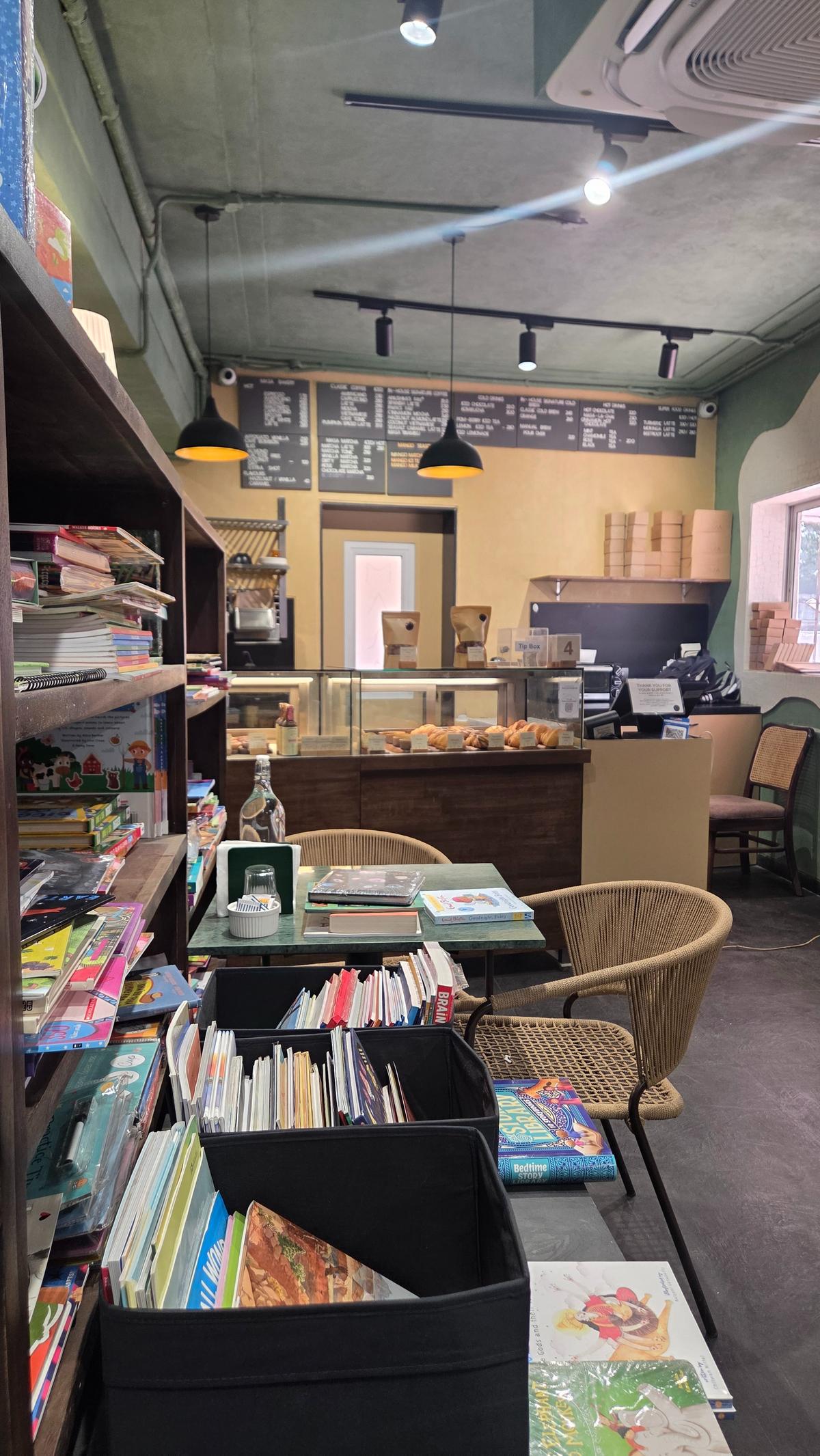
Fictionary exemplifies this strategic diversification, operating with a three-revenue-stream business model encompassing books, a café, and events. This integrated approach has yielded positive results, with footfall increasing by 50% since its inception. Nair anticipates a profitable year after a first year that barely broke even.
The Significant Investment: The Cost of a Physical Bookstore
The financial commitment required to establish such an enterprise is substantial. In metropolitan areas, the infrastructure alone can cost between ₹30 and ₹40 lakh, escalating to ₹60 lakh for a premium establishment. Acquiring inventory adds another significant layer, with stock often requiring an investment of around ₹40-₹50 lakh. Nair himself invested over ₹1 crore to launch Fictionary in Bandra.
The Price Sensitivity of Indian Readers
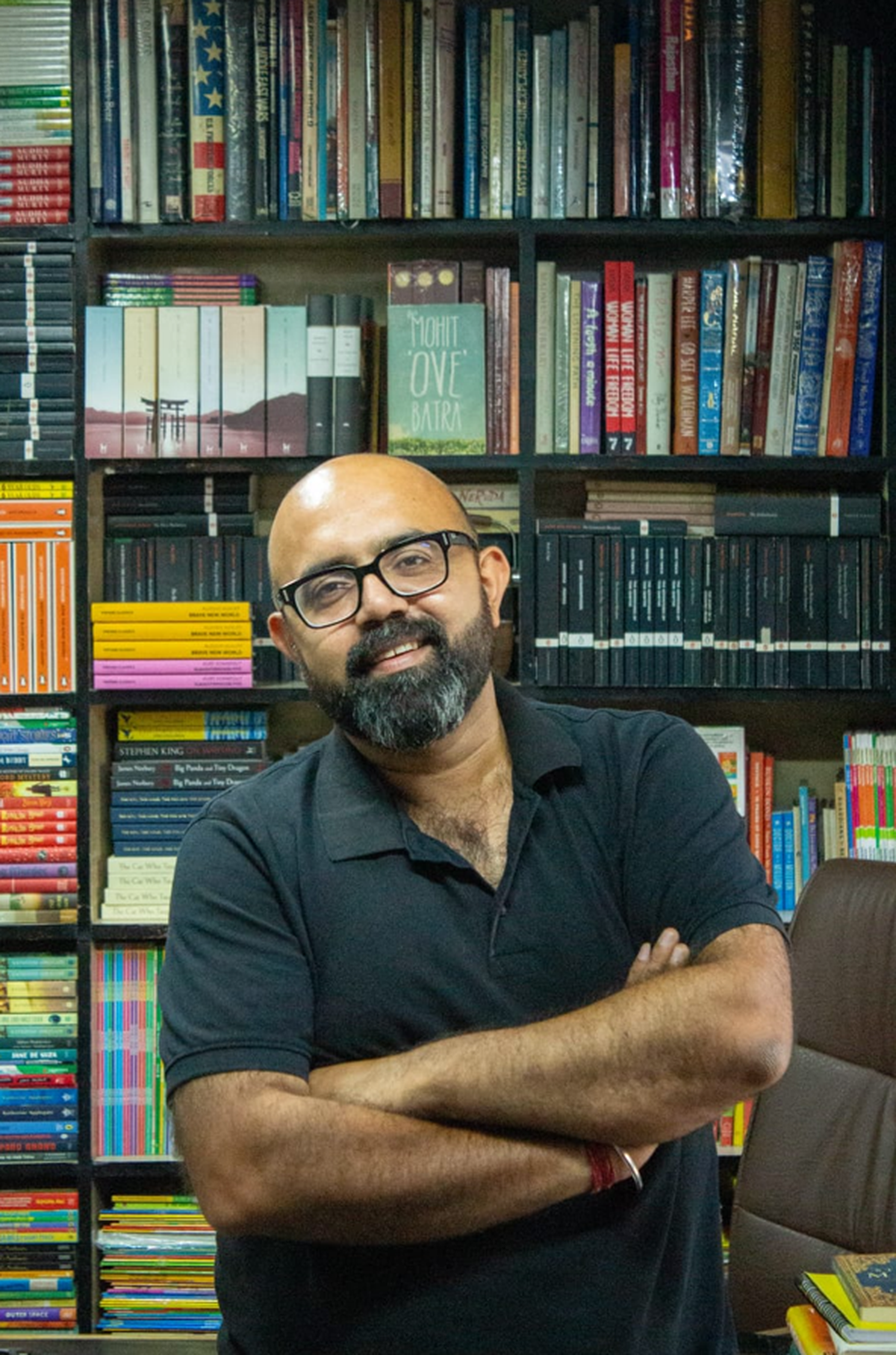
The pervasive influence of online retailers, particularly Amazon, has significantly impacted consumer expectations regarding book pricing in India. Neha Pipraiya, co-owner of Pune’s Pagdandi bookstore, shares that customers frequently present online price comparisons, highlighting a prevalent price consciousness among readers. This trend poses a challenge for independent bookstores, which often operate on tighter margins.
Harshita Varma, a reader from Jaipur, articulates this sentiment: "Light readers are very price conscious. They’re more likely to go to a discounted chain or pick up a pre-loved book or order it online." This price sensitivity directly influences the profitability of bookstores and their ability to stock a diverse range of titles.
The Publishing Squeeze: Navigating Discount Structures
The standard trade discount structure embedded in publishing contracts creates a challenging landscape for independent presses. Publishers typically offer a discount of 52% to distributors, meaning a significant portion of the cover price is consumed before the book even reaches a bookstore shelf. This reduced margin impacts the bookstore’s ability to absorb operational costs, offer discounts, or take risks on less commercially viable titles.

Distribution Dilemmas: The Uneven Terrain of Access
Distribution remains a critical bottleneck in the Indian book industry, with significant geographical disparities. Gouri Ramkumar of Printed Matter recounted her struggles in Fort Kochi to procure desired books from distributors, often resorting to ordering a large quantity to secure a limited number of titles.
Aashti Mudnani of Bengaluru’s Lightroom explains the structural disparity: "Our access to books is not like being in Delhi. The problem is that warehousing is limited in the city, and so the books are coming from Delhi or abroad, as the case may be." She cites a recent instance where a substantial order of books faced significant delays, with distributors uncertain about their availability.
Publishers acknowledge this bias, with Rahul Dixit noting that servicing independent bookstores is more streamlined in major metros like Bengaluru, Chennai, Hyderabad, Mumbai, and Kolkata, compared to more remote locations. The concentration of new bookstores in these metros is not coincidental, but rather a reflection of the logistical ease of service.
Atlantic Books’ Initiative: Addressing the B2B Gap
A promising development is the launch of Atlantic Books’ new venture, poised to become India’s largest B2B wholesale book portal. Designed to cater to booksellers, library suppliers, and retailers, it offers access to an extensive catalog of over 14 million books from global publishers across diverse genres. Leonard Fernandes of Dogears expresses hope that this platform will address stock and inventory challenges, citing the difficulty in obtaining backlist titles for authors like Peggy Mohan. While still awaiting confirmation from the platform, he is encouraged by their emphasis on curated booklists.
The Shifting Demographics: Younger Readers and the "Cool" Factor
A significant demographic shift is evident in the profile of bookstore visitors. Aashti Mudnani of Lightroom observes, "For the first time, we’re finding that people are actually coming in and not just buying and leaving immediately. They are now coming because they have ‘read about us or seen us on Instagram’, and stay for hours."
The "cool" factor associated with books, amplified by social media influencers and bookstagrammers, is drawing a younger audience. In Gangtok, Raman Shrestha of Rachna Books reports that 70% to 80% of his visitors are under 30. Similarly, Anuj Bahri of Bahrisons notes that the majority of patrons in his stores, where literary fiction and narrative non-fiction thrive, fall within the 18 to 35 age bracket.
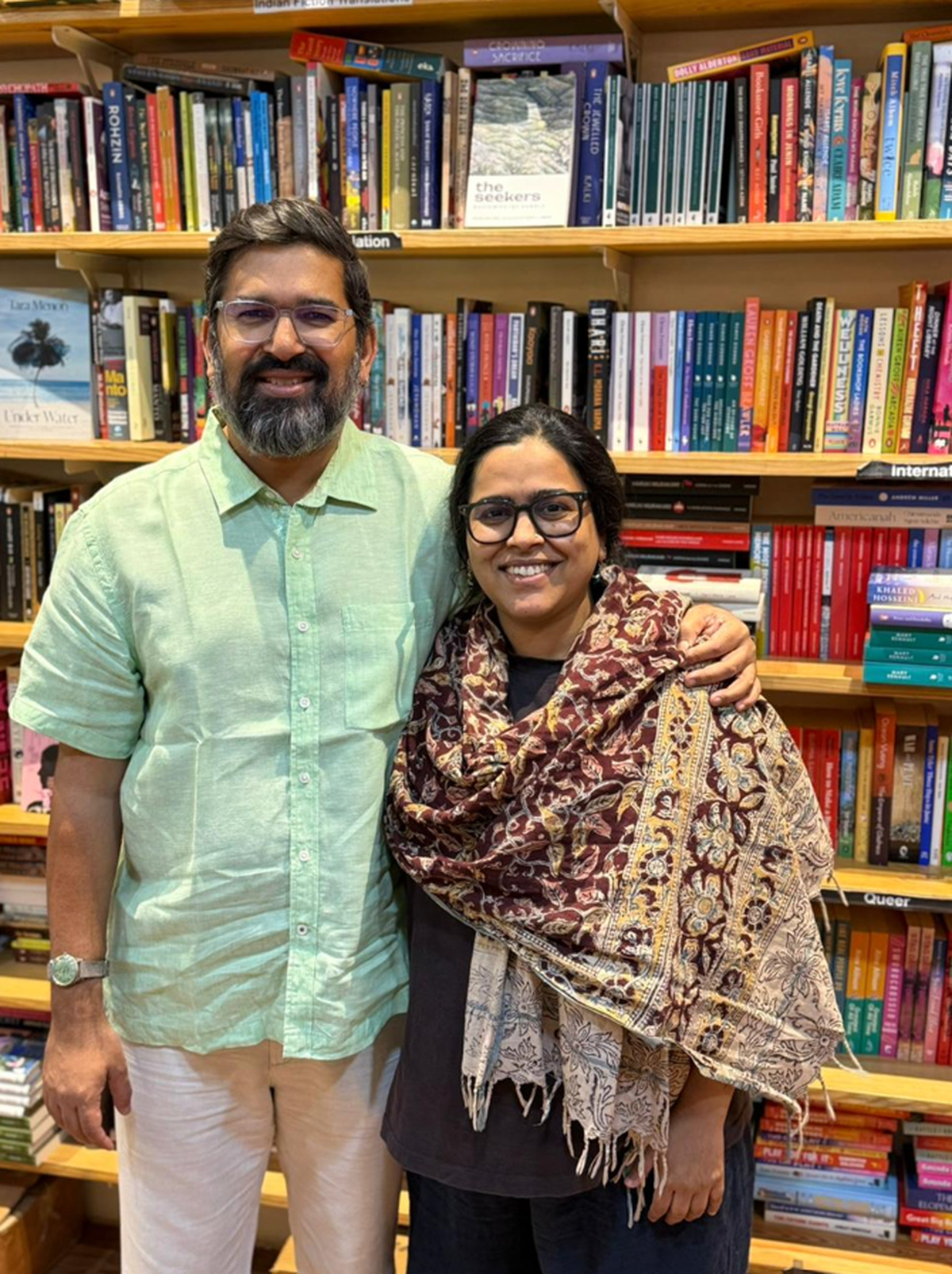
Anup Nair of Fictionary attributes this trend to increased book marketing through channels like bookstagrammers, leading to greater awareness. He also points to the phenomenon of individuals purchasing books as decorative items, to curate visually appealing bookshelves at home.
A Market for the Extraordinary: The Rise of Special Editions
While price sensitivity remains a factor, there are emerging signs of a market for premium book offerings. Anup Nair acknowledges that while special editions currently have a smaller market in India compared to international standards, this is evolving. He predicts growth in this segment within the next five years, coinciding with an overall increase in luxury spending in the country.
This trend is already visible with initiatives like Bahrisons’ Luxury Collection store in Khan Market, which showcases beautifully produced coffee table books, rare editions, and special editions. Aashna Malhotra, a third-generation member of the founding family and bookseller-in-training, emphasizes the need for a space where readers can leisurely browse these high-value items, fostering discovery and appreciation.

Roli Books, through its CMYK stores, also champions the importance of tactile experiences with beautifully produced books. Their upcoming multi-level store in Delhi will feature art books, coffee table books, and rare editions, catering to a demand for immersive experiences beyond mere transactions. Kunal Kapoor, managing director of Roli, states, "This is not just about books; people are looking for experiences. And the idea of beautifully produced, limited edition objects – whether it’s perfumes, clothes, jewellery – is being appreciated more."
The Enduring Power of Offline Engagement
Despite the dominance of online sales, where 60-70% of books are purchased, the role of independent bookstores in fostering discovery and supporting new talent remains invaluable. Sayantan Ghosh, publishing director at Simon & Schuster India, highlights that publishers increasingly rely on physical bookstores for regional promotion and targeted outreach.
For publishers lacking extensive marketing budgets and for authors without widespread visibility, the "hand-selling" and physical display offered by bookstores are commercially significant in ways that algorithms often cannot replicate. Rahul Dixit of HarperCollins reiterates, "The independent, passion-driven stores get good support from publishers because they help new authors, new voices and new ideas. It works for both sides."

Aakriti Mandhwani, author of "Everyday Reading," underscores this symbiotic relationship: "For a book like mine, it’s very important to reach the right publishers and readers, because of its subject. I chose to have my launch at The Bookshop Inc. to expand my network of sociability; independent bookstores create their own audience. Bookstores can become safe spaces for not just readers, but also authors."
The Economic Equation: Rent, Space, and Mall Advantages
The sustainability of independent bookstores is intrinsically linked to the economics of physical space. Gouri Ramkumar of Printed Matter succinctly states, "Owning the space changes everything." Many established bookstores owe their longevity to owning their premises, a luxury not afforded by high commercial rents in metropolitan areas, which can range from ₹1.5 lakh to ₹5 lakh per month, excluding substantial security deposits.
Surprisingly, malls offer a degree of respite. While expensive, they often provide "friendly terms" to bookstores, recognizing their value in enhancing the retail diversity of a mall. Rahul Dixit notes that chains like Crossword can secure more favorable rental agreements than other retailers. However, this advantage is primarily for larger chains, as the cost of establishing a new store is significantly lower for them, allowing for the repurposing of fixtures and existing stock. This poses a greater challenge for independent retailers.

A Future Forged in Experience and Community
The Indian independent bookstore landscape is undeniably complex and evolving. While the surge in new openings signals a vibrant interest, the challenges of economic viability, distribution, and intense online competition persist. The success stories, like Fictionary, demonstrate the imperative of a hybrid, experience-driven model that extends beyond mere book sales.
The growing engagement of younger readers, the emergence of specialized and luxury offerings, and the continued reliance of publishers on these spaces for discovery and author support offer a glimmer of optimism. As these bookstores strive to become not just retail outlets but cultural anchors and community hubs, their journey represents a significant chapter in India’s ever-expanding literary narrative. The hope is that this transformation will indeed rebuild these vital spaces into something enduring, capable of weathering the storms and thriving in the long term.
