

Introduction
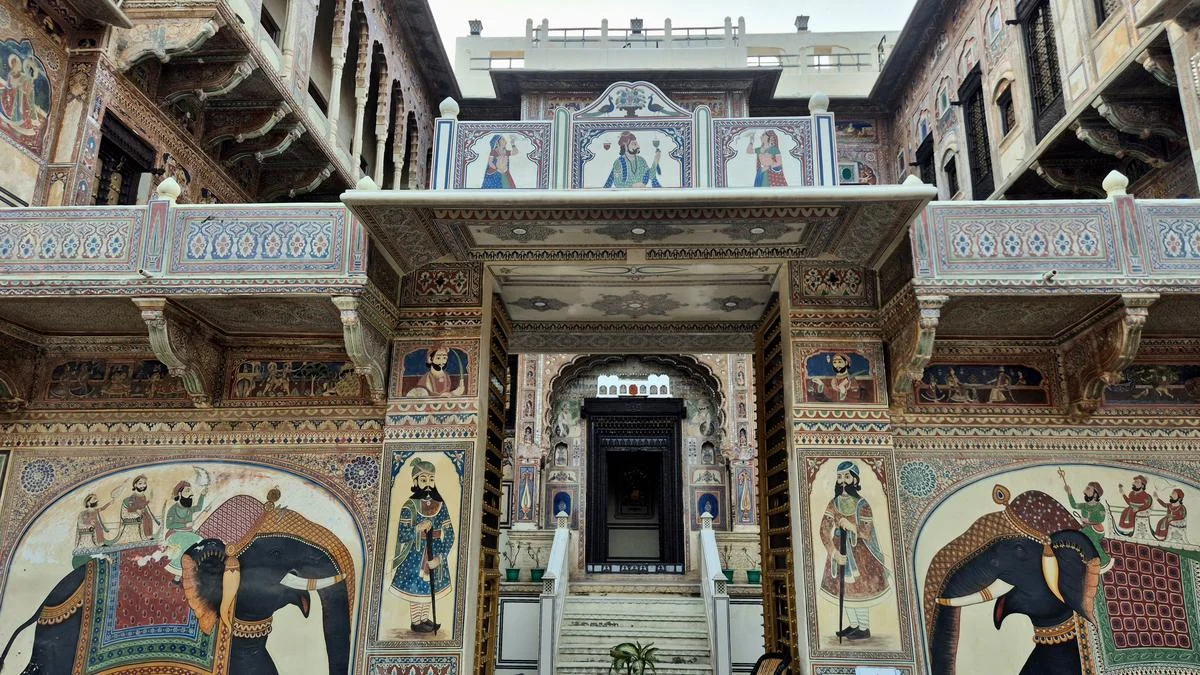
Stepping into Shekhawati is akin to stepping back in time, into a vibrant tapestry woven with the threads of merchant opulence, artistic expression, and enduring history. This region in northern Rajasthan, often lauded as the "world’s largest open-air art gallery," is a treasure trove of 18th to 20th-century merchant havelis, each adorned with breathtakingly intricate frescoes. These painted narratives, adorning the walls and ceilings of grand residences, offer a captivating glimpse into the lives, aspirations, and cultural milieu of the prosperous Marwari and Jain traders who once dominated the caravan routes of western India. From the regal grandeur of Mandawa to the serene contemplation of Ramgarh Shekhawati, and the hidden gems of Churu and Nawalgarh, Shekhawati beckons travelers to immerse themselves in a unique blend of art, architecture, and living heritage.
The Genesis of a Painted Kingdom: A Historical Chronicle
The story of Shekhawati is deeply rooted in the annals of Rajasthan’s history, tracing its origins back to the 15th century. It was then that the Rajput chieftain Rao Shekha established his dominion over this arid expanse. The region’s strategic location along crucial caravan routes, connecting bustling trade hubs like Agra and Delhi to the western ports, soon transformed it into a thriving commercial artery. This geographical advantage fostered an environment of economic prosperity, particularly for the astute Marwari and Jain communities, whose mercantile acumen fueled the region’s growth.
By the 18th and 19th centuries, this burgeoning wealth found its most eloquent expression in the construction of magnificent havelis. Commissioned by these affluent traders, these palatial residences were not merely dwellings but elaborate statements of status, taste, and artistic patronage. Each haveli became a canvas, painstakingly decorated with frescoes that chronicled not only the owners’ portraits and floral motifs but also scenes of daily life, mythological tales, celestial beings, and even fantastical depictions of faraway lands, undoubtedly inspired by the traders’ extensive travels. Today, these enduring structures stand as a testament to a bygone era, a vibrant legacy of a mercantile culture that once flourished, leaving an indelible mark on the desert landscape.
Shekhawati’s Artistic Masterpieces: A Journey Through Intricate Frescoes
The true soul of Shekhawati lies in its unparalleled collection of frescoes, a visual language that speaks volumes about the region’s rich past. These intricate paintings, rendered with natural pigments, adorn the exteriors and interiors of the havelis, transforming them into living works of art. The themes depicted are as diverse as the traders themselves, ranging from vivid portraits of the haveli owners, showcasing their regal attire and proud demeanors, to delicate floral patterns that bring a touch of nature’s beauty to the arid surroundings.
Beyond the aesthetic appeal, the frescoes offer invaluable insights into the socio-cultural fabric of the time. Scenes of daily life, capturing the rhythms of domesticity, agricultural practices, and community gatherings, provide a tangible connection to the past. Mythological narratives, drawn from Hindu epics and folklore, reflect the deeply ingrained spiritual beliefs of the people. Intriguingly, many havelis feature depictions of angels with wings, a motif that hints at the influence of Western art and perhaps the traders’ exposure to global artistic trends. Furthermore, the inclusion of fantastical landscapes and representations of distant lands underscores the adventurous spirit and expansive horizons of these merchant patrons.
The condition of these frescoes varies, with some retaining their vibrant hues and sharp details, while others bear the gentle patina of age, their colors softened and their surfaces showing subtle signs of wear and tear. These fading masterpieces, like fragile relics, evoke a poignant sense of history and the passage of time, adding to the region’s unique charm.
Bollywood’s Enchanting Muse: Shekhawati on the Silver Screen
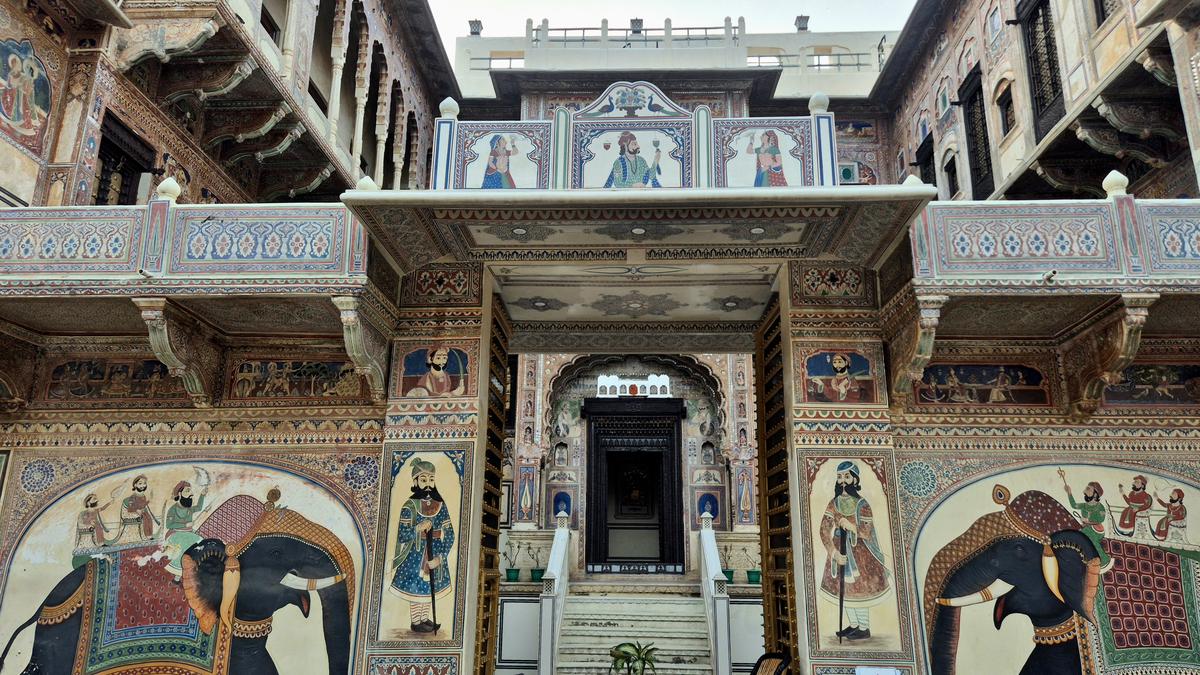
The cinematic allure of Shekhawati is undeniable, with its picturesque havelis and timeless landscapes serving as the perfect backdrop for numerous Bollywood productions. Mandawa, in particular, has captured the imagination of filmmakers, its distinctive architecture featuring memorably in iconic films such as Bajrangi Bhaijaan, PK, and Jab We Met. The charming lanes and ornate facades of this town provide an authentic and visually captivating setting that transports audiences to a bygone era.
The immersive experience of exploring Mandawa is best achieved on foot, a sentiment echoed by the author’s own discovery during a heritage walk. Guided by Mudita Saxena, Shekhawati’s first female tourist guide authorized by the Ministry of Tourism, the walk offers a deep dive into the town’s artistic and architectural heritage. The majestic Mandawa Castle, with its imposing medieval Rajputana architecture, commands the skyline and serves as a central landmark. Surrounding the castle are some of the finest havelis, including the Goenka Double Haveli, Murmuria Haveli, and Chowkhani Double Haveli, each a masterpiece adorned with vibrant frescoes that tell their own unique stories. A moment of quiet contemplation at the Murmuria Tank, an ancient stepwell that was once the heart of the town’s social and practical life, offers a serene contrast to the visual richness of the havelis.
Just a short drive away, the Vivaana Culture Hotel embodies the spirit of Shekhawati’s heritage. This imposing 19th-century double haveli has been transformed into a boutique hotel, where the frescoes, courtyards, and traditional craft practices are not merely preserved behind glass but are an integral part of daily life, allowing guests to experience the region’s heritage in a truly immersive manner.
Beyond Mandawa: Exploring Nawalgarh and its Artistic Depths
Venture a little further down the road, and the town of Nawalgarh emerges, offering a more tranquil and lived-in ambiance compared to the more frequently visited Mandawa. Here, the Vivaana Museum Hotel, housed within a 150-year-old Jaipuria haveli, stands as a beacon of adaptive reuse and heritage conservation. Under the visionary guidance of conservationist Atul Khanna, the haveli has been meticulously restored, with its original architectural details taking center stage.
The ground floor of the hotel has been thoughtfully converted into a compact museum, providing fascinating insights into Shekhawati’s rich folklore and the intricacies of its domestic life. This unique space serves as a gateway to understanding the cultural tapestry of the region, extending the experience beyond mere architectural appreciation. Furthermore, the hotel actively engages visitors through folk performances and village walks, offering a holistic immersion into the local way of life.
One such village walk leads to the Dr. Ramnath Podar Haveli Museum, an institution that stands as one of the oldest and largest private museums in India. This sprawling haveli, with its extensive collection and well-preserved frescoes, further deepens the understanding of Shekhawati’s artistic heritage and the lives of its erstwhile inhabitants.
Ramgarh Shekhawati: A Sanctuary of Culture and Heritage
The journey continues to Ramgarh Shekhawati, a town that resonates with a legacy of learning and spiritual significance. Located approximately two hours away, traversing through picturesque fields of mustard and the open countryside, Ramgarh was once known as "Doosra Kashi" (Second Kashi) for its prominence as a center for Sanskrit learning and Ayurvedic medicine. Today, its havelis, stepwells, chhatris (cenotaphs), and the imposing fort stand as enduring reminders of its illustrious past.
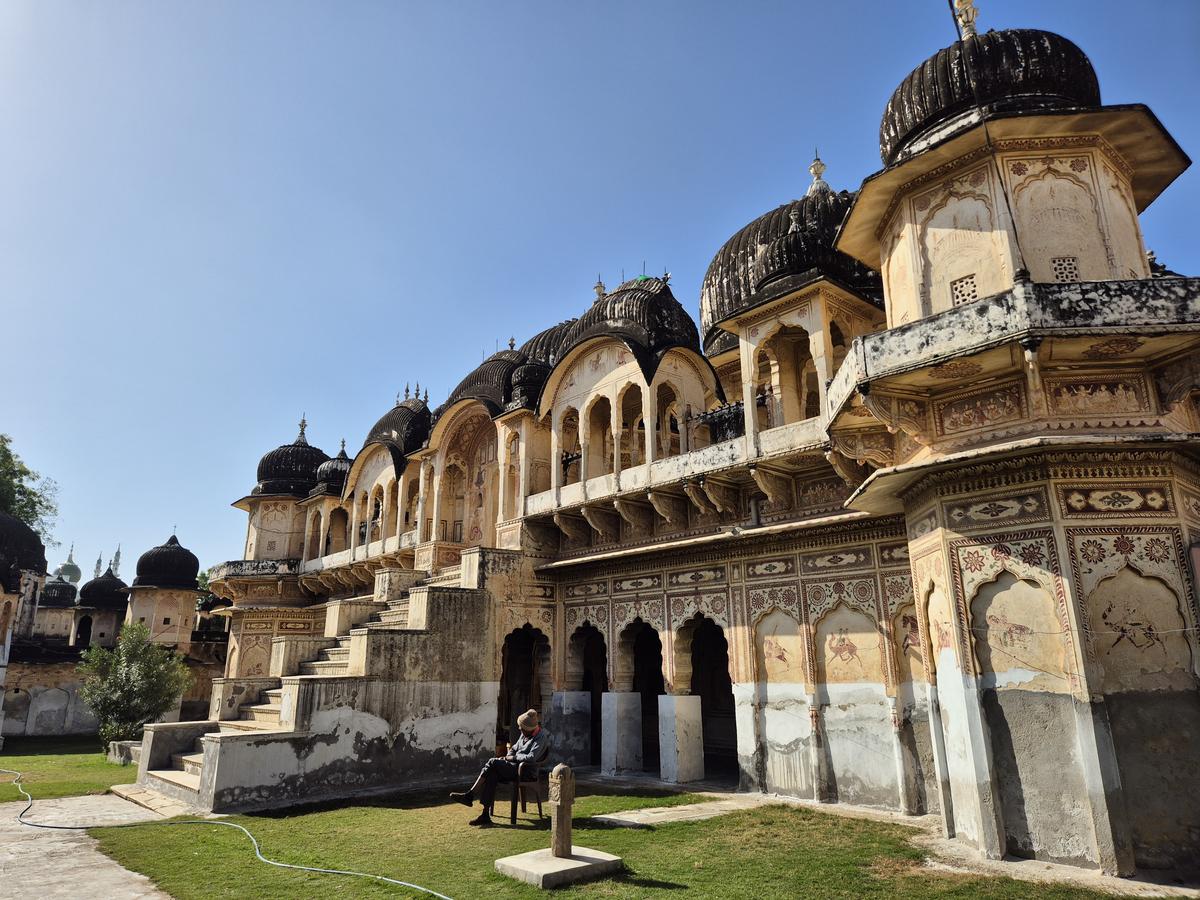
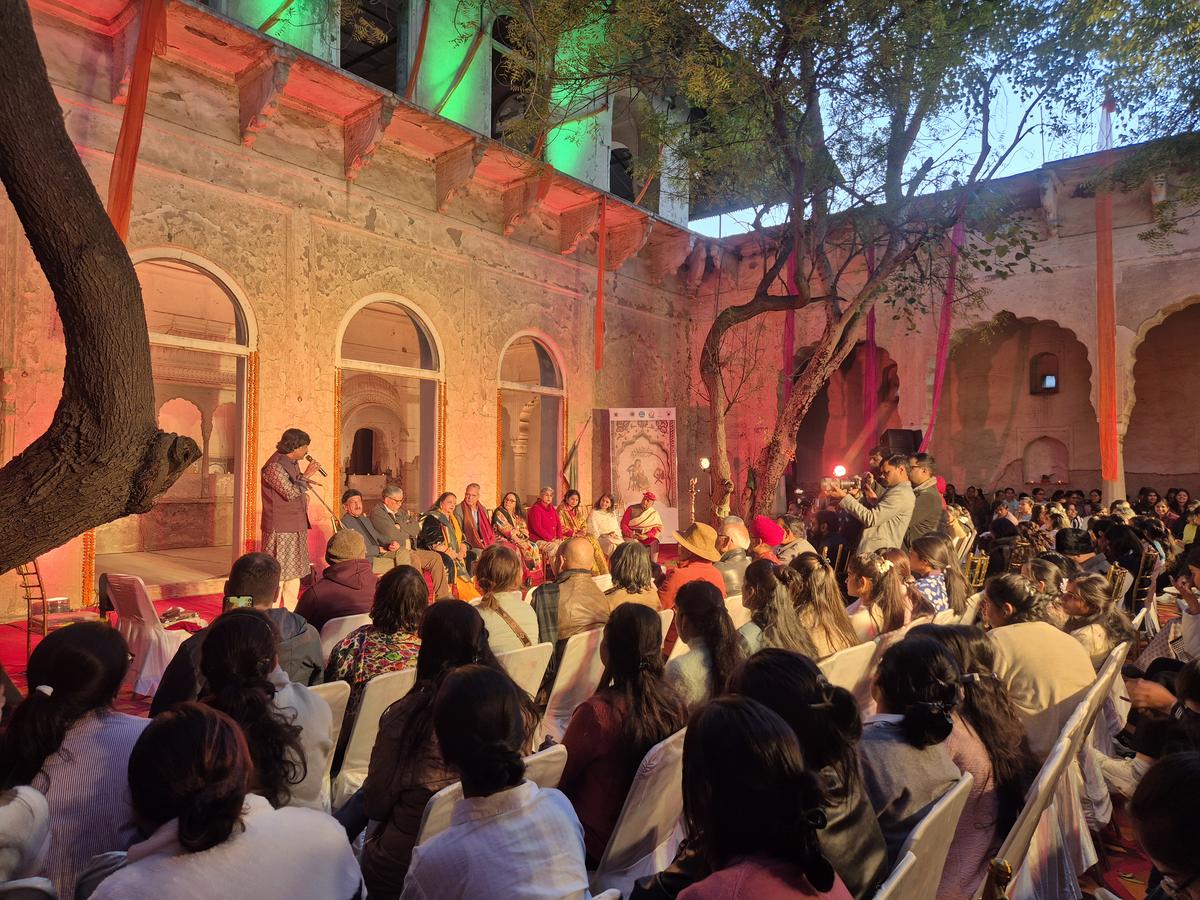
The author’s arrival coincided with the 10th edition of the annual Vedaaranya Heritage and Healing Festival (VHAH Fest). This vibrant festival, envisioned by Ramgarh native and heritage conservationist Shruti Nada Poddar, transforms the town into a pulsating hub of cultural activity. At Ramgarh Fort, the air buzzes with intellectual discourse, from UNESCO-led panel discussions to soul-stirring Kathak recitals and captivating performances by the percussion ensemble Tal Fry. The festival also includes engaging Dastaangoi (storytelling) sessions, offering a unique glimpse into traditional narrative arts.
Interspersed with these discussions and performances are heritage walks that meander through the town’s significant landmarks. These walks explore the MOHAR Haveli (Museum of Heritage & Art), the Vedaaranya Haveli, the stunning century-old cenotaphs that dot the landscape, and ancient temples. During the VHAH Fest, Ramgarh momentarily recaptures its former glory, pulsating with the energy of art, knowledge, and community, offering a profound connection to its historical essence.
Churu: A Hidden Gem of Architectural Marvels
Churu, the district that lends its name to one of Shekhawati’s three main administrative divisions (alongside Jhunjhunu and Sikar), can initially appear unassuming. The roads may be uneven, and the marketplace might seem bustling and dusty, but venturing into the old town center reveals a compact grid of havelis hidden within narrow lanes, each holding its own unique story.
At the heart of Churu lies the Surana Haveli, a true architectural marvel built around 1870. This magnificent structure is renowned for its staggering 1,111 windows and doors, ingeniously designed to facilitate natural ventilation – earning it the local moniker of the "Hawa Mahal of Churu." The sheer scale and intricate design of the Surana Haveli are a testament to the ingenuity and artistic aspirations of its builders.
Another significant landmark is the Mantri Haveli, one of the oldest in Churu, which remains remarkably well-preserved, its walls completely covered in vibrant frescoes. Amidst these private residences, the Bhagwan Shri Shantinath Jain Temple stands out with its serene white marble exterior, offering a visual respite from the intricate artistry of the havelis. Inside, the temple reveals its own intricate decorations, showcasing a different facet of the region’s artistic heritage.
The Enduring Legacy of Sethani Ka Johara
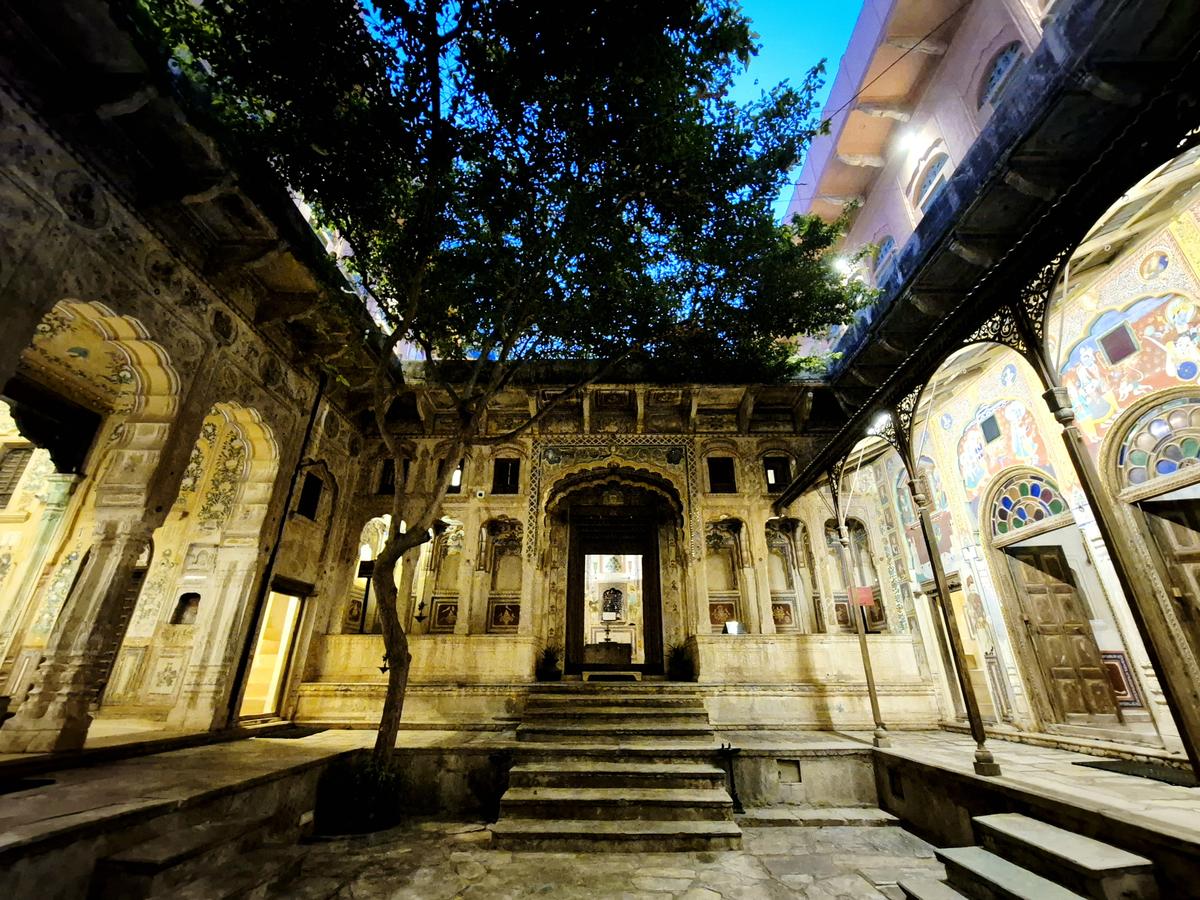
On the outskirts of Churu lies Sethani Ka Johara, a historic stepwell constructed during the severe famine of 1899. Today, this ancient water reservoir has transcended its utilitarian purpose to become one of Shekhawati’s most contemplative spaces. It was here, amidst the stone arches and chhatris, that the author experienced a truly unforgettable evening. Immersed in the evocative cello recital by maestro Saskia Rao-de Haas, as part of the VHAH Fest, the performance resonated deeply with the surrounding ambiance. The music, harmonizing with the echoes of history and the silent whispers of the desert, offered a fitting and profound conclusion to a week spent exploring the art, history, and culture of Shekhawati. The stepwell, once a lifeline during times of hardship, now serves as a venue for artistic expression, symbolizing the enduring spirit and adaptability of this remarkable region.
Sustenance and Flavors: A Culinary Journey Through Shekhawati
No exploration of Shekhawati would be complete without indulging in its rich culinary traditions. The region offers a delectable array of Rajasthani specialties, each dish a testament to the local produce and time-honored recipes.
-
Vivaana Culture Hotel, Mandawa: Offers an exquisite dining experience with authentic Rajasthani delicacies such as ker sangri (a traditional lentil and bean dish), daal-baati-choorma (a quintessential Rajasthani meal), and the fiery laal maas and junglee maas (spicy meat curries).
-
Babulalji Halwai, Nawalgarh: A must-visit for its delectable baked Rajbhog, a sweet delicacy that is a local favorite.
-
Shri (Thaliya) Chaat Bhandar, Nawalgarh: Known for its flavorful kachori served with a medley of accompaniments including chane ki sabzi (chickpea curry), moth (lentils), imli chutney (tamarind chutney), dahi (yogurt), and lehsun chutney (garlic chutney).
-
Ambri Restaurant, Nawalgarh: Features traditional Rajasthani vegetarian dishes like Papad Mangodi ki Sabzi (vegetable curry made with lentil dumplings) and Dal Pakwan (lentils served with crispy fried bread).
-
Lalchand Pedawala, Jhunjhunu: Famous for its melt-in-your-mouth Chirawa pedas, a sweet treat originating from the town of Chirawa.
-
Shri Ganesh Mishtan Bhandar, Churu: A popular spot for its delicious pyaaj kachoris (onion-filled savory pastries).
-
Motilal Niranjanlal Misthan Bhandar, Ramgarh: Offers a delightful selection of matar kachoris (pea-filled savory pastries) and a variety of traditional sweets.
These culinary experiences not only satisfy the palate but also offer a deeper connection to the local culture and the warmth of Rajasthani hospitality.
Conclusion
Shekhawati is more than just a destination; it is an immersive journey into a living museum, where history, art, and culture converge in a breathtaking display of human creativity and entrepreneurial spirit. The intricately painted havelis stand as proud sentinels of a glorious past, their frescoes whispering tales of wealth, ambition, and artistic patronage. From the vibrant streets of Mandawa to the serene landscapes of Ramgarh Shekhawati and the hidden architectural gems of Churu, the region offers a profound and enriching experience for every traveler. As the sun sets over the desert canvas, casting a golden hue on these ancient structures, one cannot help but be captivated by the enduring legacy of Shekhawati, a testament to Rajasthan’s timeless allure.
