

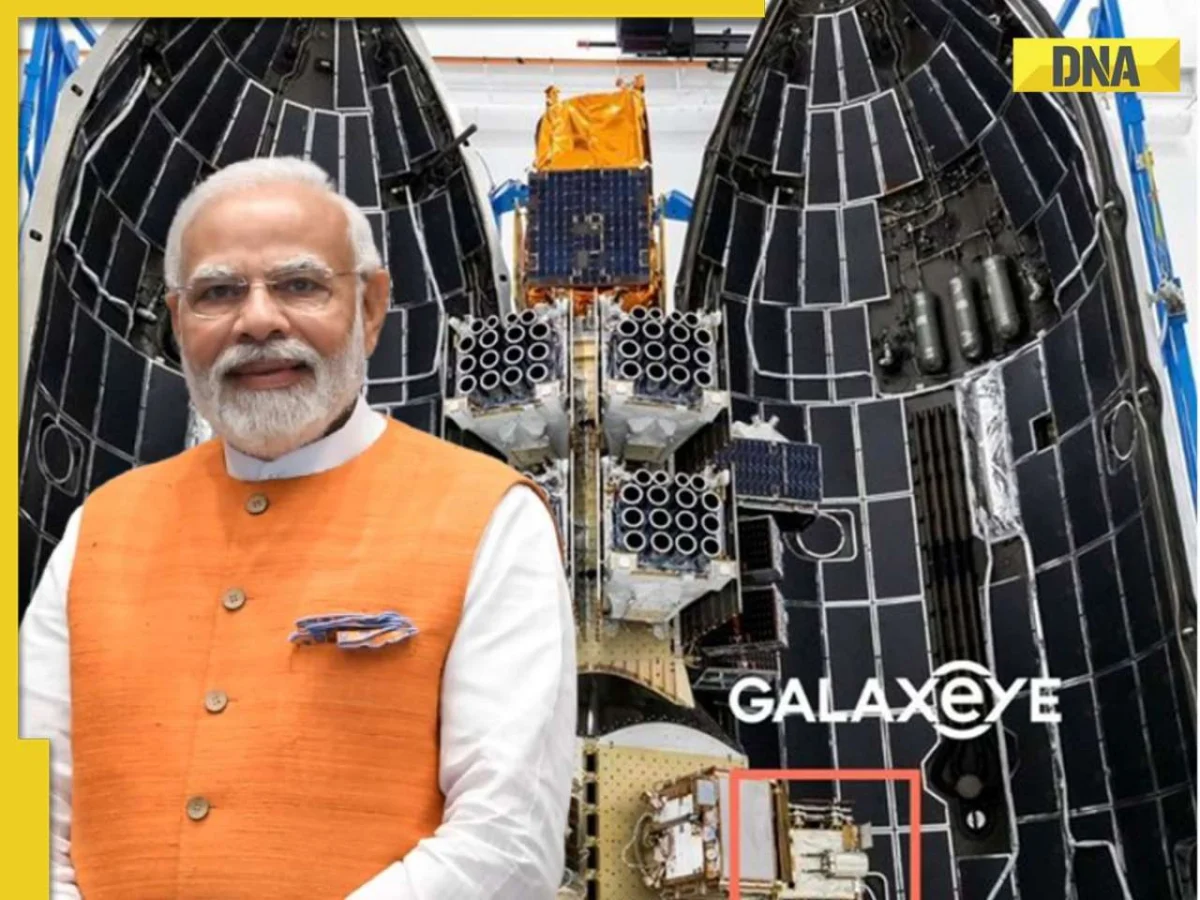
BENGALURU, India – [Date of Article Publication] – India has dramatically cemented its position as a high-tier global space power with the successful launch of Mission Drishti on Sunday, heralding the advent of a novel hybrid space ecosystem. This landmark achievement seamlessly integrates cutting-edge private innovation with crucial national strategic objectives, marking a pivotal moment in the nation’s ambitious space journey.
The mission, spearheaded by Bengaluru-based startup GalaxEye, saw its 190 kg satellite – India’s largest privately built spacecraft to date – ascend into orbit aboard a SpaceX Falcon-9 rocket. This successful deployment is not merely a technical triumph but a profound statement about India’s evolving capabilities, drawing widespread praise from the highest echelons of the Indian government and the national space establishment.
At the heart of Mission Drishti lies its groundbreaking OptoSAR technology, a world-first for a commercial satellite. This "made-in-India" system ingeniously fuses Optical Sensors, which provide high-resolution, intuitive visual data, with Synthetic Aperture Radar (SAR), capable of penetrating clouds, smoke, and total darkness. The result is an unprecedented ability to deliver all-weather, day-and-night Earth imaging, irrespective of environmental conditions – a capability with transformative implications across various sectors.
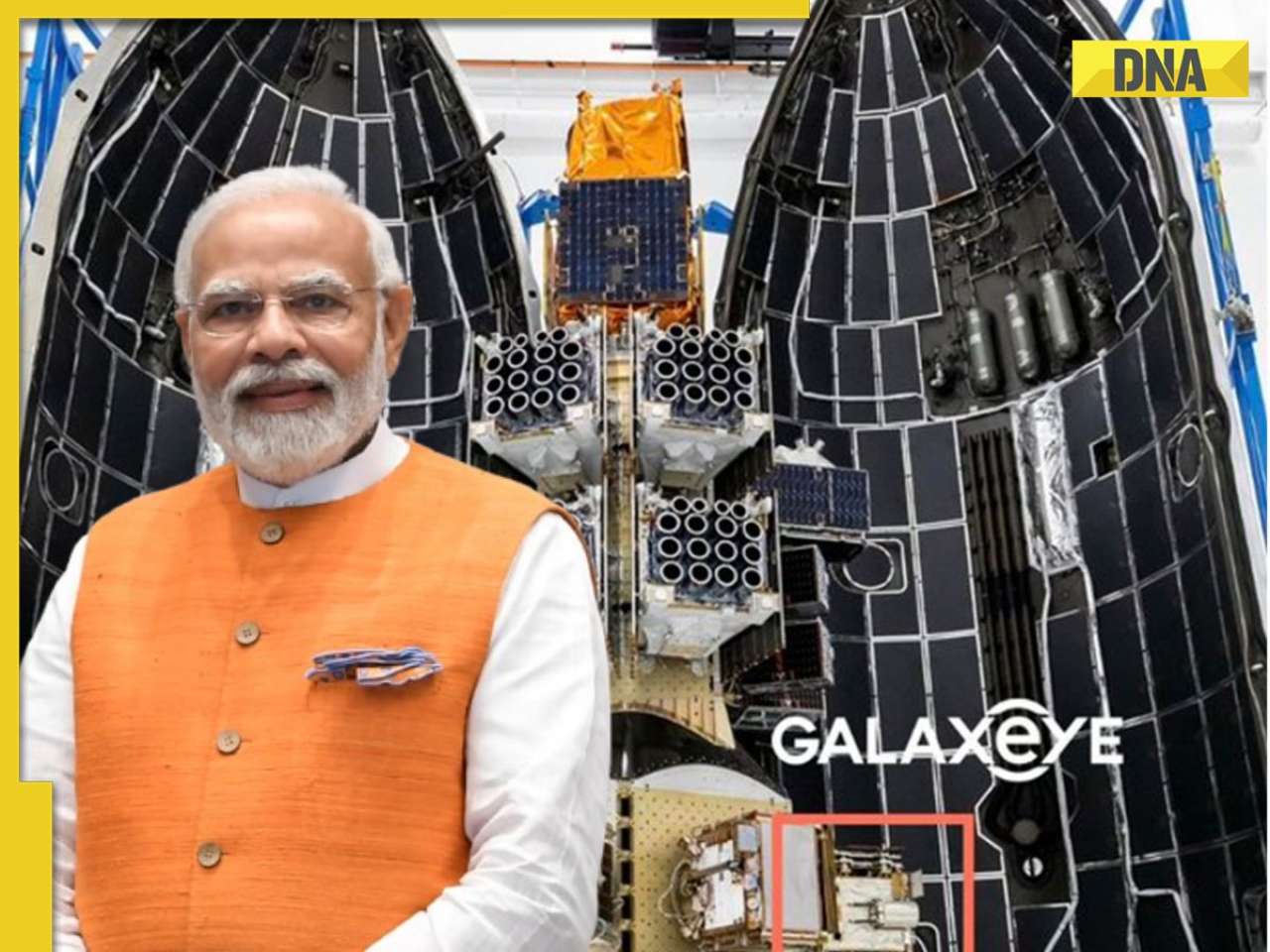
This monumental stride underscores a paradigm shift within India’s space sector, moving beyond the traditionally government-centric model to embrace a vibrant partnership with private enterprises. The success of Mission Drishti is a powerful testament to the nation’s burgeoning technical prowess, its dynamic innovation ecosystem, and its unwavering commitment to securing a leading role in the global space arena.
The Dawn of a Hybrid Space Ecosystem: India’s Strategic Vision
India’s journey in space began decades ago, primarily driven by the Indian Space Research Organisation (ISRO) with a focus on national development, communication, and scientific exploration. From the launch of Aryabhata in 1975 to the Chandrayaan lunar missions and the Mars Orbiter Mission, ISRO has consistently pushed the boundaries of what was thought possible for a developing nation. However, the global space landscape has been rapidly transforming, with private players increasingly taking center stage, driving down costs, accelerating innovation, and opening up new commercial avenues.
Recognizing this global trend and the immense potential of its own private sector, India embarked on a strategic shift. The government, under Prime Minister Narendra Modi, unveiled a comprehensive space reforms agenda aimed at fostering private participation and establishing a robust "NewSpace" ecosystem. This vision is predicated on the belief that by harnessing the agility, innovation, and capital of private companies, India can not only accelerate its space ambitions but also become a global hub for commercial space services and technologies.
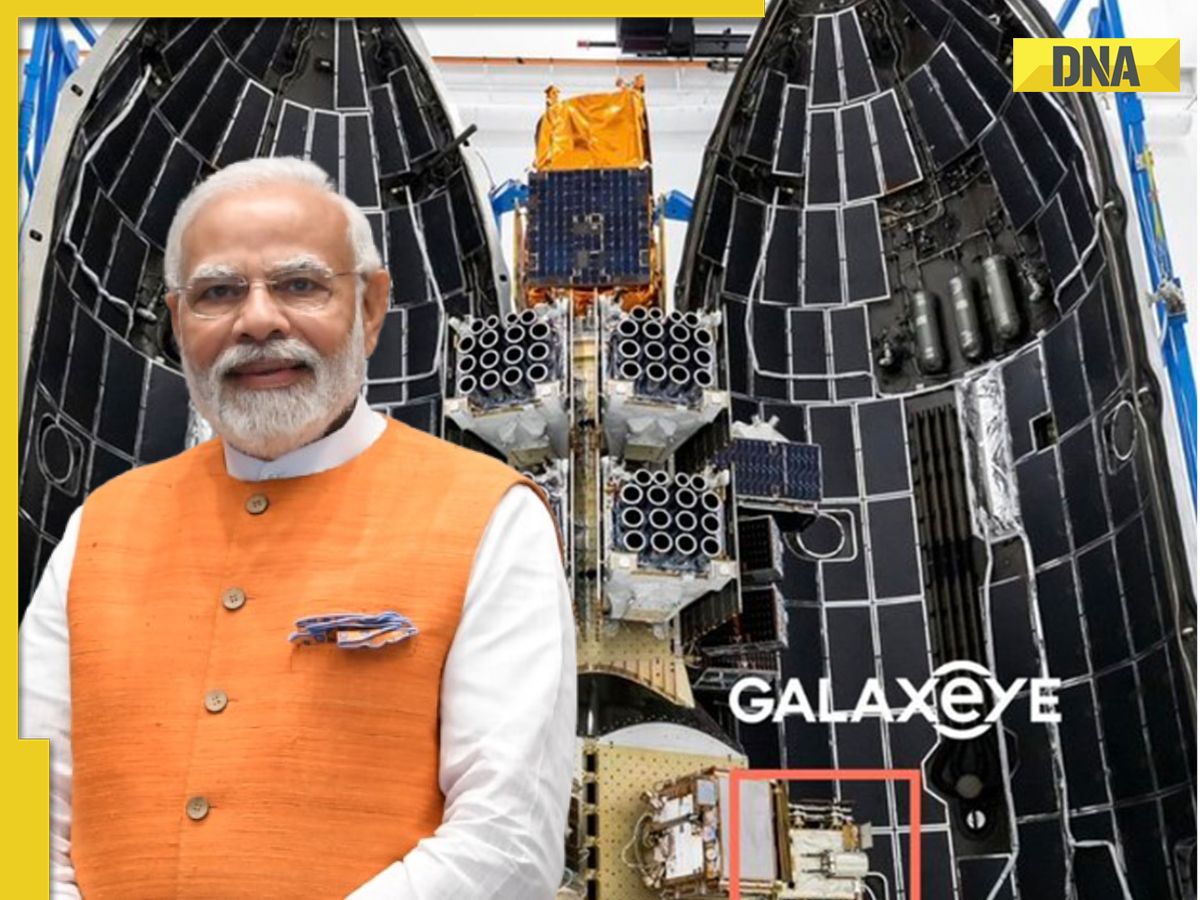)
Mission Drishti stands as the quintessential embodiment of this hybrid model. It showcases a private Indian entity, GalaxEye, leveraging state-of-the-art technology and commercial launch services (SpaceX) to achieve a mission with significant strategic implications for the nation. This synergy allows ISRO to focus on more complex, long-term scientific and strategic missions, while private startups like GalaxEye drive commercial applications, technological advancements, and contribute to the nation’s economic growth and global competitiveness. The launch signifies that India is not just catching up but actively shaping the future of space exploration and utilization, where governmental oversight and private enterprise converge for mutual benefit.
Chronology of a Landmark Launch
The journey of Mission Drishti culminated in its successful launch on Sunday, [Date of Launch, assuming it’s the Sunday before the article’s publication date]. The 190 kg satellite, a marvel of indigenous private engineering, commenced its ascent into the cosmos from the Vandenberg Space Force Base in California, United States. Carried aloft by a SpaceX Falcon-9 rocket, renowned for its reliability and cost-effectiveness in commercial spaceflight, the launch itself was a meticulously planned operation.
GalaxEye’s Drishti satellite was one of 45 payloads integrated into the larger CAS500-2 mission, a ride-share initiative by SpaceX, demonstrating the growing trend of small satellite constellations and shared launch opportunities. The decision to utilize SpaceX’s Falcon-9 highlights the pragmatic approach of India’s NewSpace companies, prioritizing efficient and timely access to orbit, even if it involves international partners. This flexibility allows Indian startups to rapidly iterate and deploy their technologies, circumventing potential bottlenecks and accelerating their entry into the competitive global market.

For GalaxEye, a startup founded by a team of young, ambitious engineers from the Indian Institute of Technology Madras, this launch represents the culmination of years of dedicated research, development, and perseverance. From its inception, the company envisioned a future where Earth observation data is universally accessible and unhindered by weather conditions. The development of the OptoSAR system, from concept to functional satellite, involved rigorous testing, complex engineering challenges, and significant investment, both private and governmental support through various innovation schemes. The successful orbital insertion of Drishti now transitions GalaxEye from a promising startup to a validated player on the global stage, with tangible assets orbiting the Earth.
Unveiling OptoSAR: A Technical Marvel
The technical centerpiece of Mission Drishti, and indeed its most revolutionary aspect, is the OptoSAR payload. This world-first commercial satellite system addresses a fundamental limitation that has long plagued traditional Earth observation satellites: their inability to consistently gather high-quality data under adverse weather conditions or during nighttime.
To understand the genius of OptoSAR, it’s essential to first grasp the workings and limitations of its constituent technologies:
)
-
Optical Sensors: These are essentially advanced cameras that capture images of the Earth’s surface using visible and infrared light, much like a smartphone camera, but on a vastly more sophisticated scale. They provide high-resolution, intuitive visual data, allowing for easy interpretation of land features, urban development, vegetation health, and more. However, their Achilles’ heel is their dependence on sunlight and clear atmospheric conditions. Clouds, fog, smoke from wildfires, or simply the absence of daylight render optical sensors ineffective, creating significant data gaps.
-
Synthetic Aperture Radar (SAR): Unlike optical sensors, SAR is an active sensing technology. It emits its own microwave pulses towards the Earth and then listens for the echoes that bounce back. By analyzing the time delay and phase shifts of these echoes, SAR systems can create highly detailed, two-dimensional images of the landscape. The key advantage of SAR is its ability to penetrate clouds, haze, and even light foliage, and to operate equally effectively day or night, as it does not rely on ambient light. Its data, however, can be more complex to interpret than optical imagery, often requiring specialized processing to extract meaningful information.
The innovation of OptoSAR lies in its fusion of these two distinct yet complementary technologies onto a single commercial satellite platform. Instead of having separate satellites for optical and SAR data, often with different revisit times and orbital parameters, OptoSAR integrates them. This means the satellite can simultaneously collect both types of data over the same area at the same time, regardless of whether it’s day or night, clear or cloudy.
)
This real-time, synchronous data acquisition offers unprecedented advantages:
- All-Weather Capability: Ensures continuous monitoring, eliminating data gaps caused by environmental factors. This is critical for applications like disaster response, where immediate and uninterrupted information is paramount.
- Enhanced Information Content: The combined dataset provides a richer, more comprehensive understanding of the Earth’s surface. Optical data offers visual clarity and context, while SAR data provides structural information, surface roughness, and penetration capabilities.
- Improved Accuracy and Analytics: By fusing the two, algorithms can leverage the strengths of each, leading to more accurate classifications, change detection, and predictive modeling. For instance, in agriculture, optical data might show crop color, while SAR data could reveal biomass and moisture content, offering a holistic view of crop health.
- Streamlined Operations: A single satellite doing the job of two reduces operational complexity, data processing overhead, and potentially, cost for end-users.
The "made-in-India" tag for this technology further accentuates India’s growing self-reliance and expertise in advanced space technology, positioning it as a key innovator in the global Earth observation market.
The Visionaries Behind Drishti: GalaxEye’s Ascent
GalaxEye, the brainchild behind Mission Drishti, embodies the entrepreneurial spirit flourishing within India’s NewSpace sector. Founded by a team of alumni from IIT Madras, a premier engineering institution, the Bengaluru-based startup has quickly distinguished itself through its audacious vision and technical acumen. Their goal was clear from the outset: to democratize access to reliable, all-weather Earth observation data, thereby empowering a multitude of industries and governmental agencies.
)
The development of the 190 kg Drishti satellite is a significant milestone for GalaxEye and for India’s private space industry as a whole. At 190 kilograms, it represents India’s largest privately built spacecraft to date. This scale demonstrates not only GalaxEye’s engineering capabilities but also the maturity of the private space manufacturing ecosystem emerging in India. Building a satellite of this size, equipped with such complex, pioneering technology, requires substantial investment in infrastructure, skilled human capital, and rigorous testing protocols – all of which GalaxEye has successfully managed.
The company’s success is a beacon for other Indian startups aspiring to make their mark in the global space economy. It highlights the potential for private innovation to complement and even drive advancements previously confined to state-backed agencies. GalaxEye’s ability to attract talent, secure funding, and execute a complex mission like Drishti underscores the robust entrepreneurial environment that India is cultivating, particularly in the high-tech hub of Bengaluru, often referred to as India’s "Silicon Valley." Their achievement is not just about a single satellite launch; it’s about validating a business model and a technological paradigm that can scale and create significant economic value for the nation.
Official Acclaim and National Pride
The successful launch of Mission Drishti has resonated deeply across India, eliciting enthusiastic commendations from the nation’s leadership and space community. These official responses underscore the mission’s profound significance, not just as a technological feat but as a symbol of national progress and global aspiration.
)
Prime Minister Narendra Modi, a staunch advocate for India’s space reforms and technological advancement, lauded the mission as "a major achievement in our space journey." In a post on social media, the Prime Minister stated, "Mission Drishti by GalaxEye marks a major achievement in our space journey. The successful launch of the world’s first OptoSAR satellite and the largest privately-built satellite in India is a testament to our youth’s passion for innovation and nation-building." His remarks highlight both the technical breakthrough and the empowerment of India’s youth and private sector as drivers of national development. The phrase "passion for innovation and nation-building" directly connects the private sector’s success to broader national goals, reinforcing the hybrid space ecosystem narrative.
External Affairs Minister S Jaishankar further reinforced the mission’s importance on the global stage, describing it as a "reinforcement of India’s growing global standing." This perspective emphasizes how India’s space capabilities, especially those involving advanced and unique technologies like OptoSAR, enhance its diplomatic influence and strategic autonomy. A nation capable of developing and deploying such sophisticated systems earns respect and becomes a more attractive partner in international collaborations, whether for disaster management, climate monitoring, or strategic intelligence sharing.
The Indian Space Research Organisation (ISRO), the venerable backbone of India’s space program, also extended its congratulations to GalaxEye. In a post on X (formerly Twitter), ISRO declared the launch a "significant milestone in India’s space journey" and specifically highlighted its role in "strengthening the country’s private space ecosystem." This endorsement from ISRO is particularly crucial. It signifies the harmonious collaboration between the state agency and private enterprise, validating the government’s strategy of fostering a symbiotic relationship rather than a competitive one. ISRO’s recognition of Drishti’s "advancing all-weather Earth observation capabilities" underscores the practical and strategic value of the OptoSAR technology.
)
Collectively, these official responses paint a picture of national pride, strategic foresight, and a shared vision for India’s future in space. They confirm that Mission Drishti is not an isolated success but a pivotal moment in a larger, orchestrated effort to elevate India’s technological prowess and global influence.
Strengthening India’s Space Architecture
The success of Mission Drishti is a powerful illustration of the transformative changes underway within India’s space architecture. For decades, ISRO was the sole architect and executor of India’s space ambitions. While its achievements are monumental, the sheer scale and complexity of modern space activities necessitate a broader, more collaborative approach. This led to the establishment of key entities designed to foster private participation and streamline interactions:
- ISRO (Indian Space Research Organisation): Continues to be the primary agency for cutting-edge research and development, strategic missions (like human spaceflight and interplanetary probes), and the development of foundational space infrastructure (launch vehicles, major satellite platforms). Its role is evolving to also include providing technical guidance and infrastructure support to private players.
- NewSpace India Limited (NSIL): The commercial arm of ISRO, NSIL’s mandate is to bridge the gap between ISRO’s capabilities and the market demands. It facilitates the transfer of ISRO technologies to Indian industries, promotes ISRO’s launch services globally, and acts as a single window for private sector engagement with ISRO’s assets.
- Indian National Space Promotion and Authorisation Centre (IN-SPACe): Established as an independent nodal agency, IN-SPACe is the single-window authorization and regulatory body for private sector activities in space. It aims to promote, authorize, and supervise private space activities, ensuring a level playing field and adherence to national and international regulations. It also acts as an interface between ISRO and private entities, helping them access ISRO facilities and expertise.
Mission Drishti exemplifies the efficacy of this new collaborative model. While GalaxEye developed the satellite and its core technology, its journey likely involved interactions with IN-SPACe for regulatory clearances and potentially discussions with ISRO for technical consultations or access to testing facilities. The fact that ISRO publicly congratulated GalaxEye underscores the spirit of partnership that is now defining India’s space ecosystem.
)
This integrated approach is designed to:
- Accelerate Innovation: By allowing private companies to innovate rapidly, unburdened by governmental bureaucratic processes, new technologies can be brought to market faster.
- Boost Capacity: Private sector involvement increases the overall satellite manufacturing, launch service, and ground segment capacity of the nation.
- Create a Robust Supply Chain: Encourages the growth of a diverse industrial base supporting space activities, from component manufacturing to data analytics.
- Enhance Commercial Viability: Opens up new avenues for commercial revenue generation, making India a competitive player in the global space market.
The success of Drishti, therefore, is not just GalaxEye’s victory; it’s a validation of India’s entire strategic overhaul of its space sector, promising a future where private ingenuity and national ambition propel the nation to new heights.
Far-Reaching Implications and Future Horizons
The successful launch of Mission Drishti, with its pioneering OptoSAR technology, carries far-reaching implications across multiple domains, cementing India’s trajectory as a formidable global space power.
)
Global Standing and Strategic Autonomy
By deploying the world’s first commercial OptoSAR satellite, India has positioned itself at the forefront of advanced Earth observation technology. This elevates its global standing, signaling to the international community that India is not just a consumer but a significant innovator and provider of cutting-edge space solutions. Such technological leadership enhances India’s strategic autonomy, reducing reliance on foreign entities for critical Earth observation data, which has significant defense and intelligence applications. It also makes India a more attractive partner for international collaborations, whether in climate science, disaster management, or global security initiatives.
Economic Impact and Industrial Growth
The growth of India’s private space sector, exemplified by GalaxEye, is poised to generate substantial economic benefits. This includes:
- Job Creation: High-skill jobs in engineering, software development, manufacturing, and data analytics.
- Foreign Investment: Attracting global capital into India’s burgeoning space economy.
- Export Potential: India can become a major exporter of satellite technology, Earth observation data, and space-based services, particularly to developing nations in need of cost-effective and reliable solutions.
- Diversification of Economy: Space tech becomes a new growth engine, complementing traditional sectors.
- Development of Ancillary Industries: Stimulating growth in related sectors like advanced materials, electronics, and precision manufacturing.
Strategic Advantages and Societal Benefits
The OptoSAR technology itself offers transformative capabilities across a spectrum of applications:
)
- Disaster Management: Real-time, all-weather monitoring of floods, cyclones, earthquakes, and forest fires can significantly improve early warning systems, damage assessment, and humanitarian response coordination.
- Agriculture: Precise data on crop health, soil moisture, and yield prediction, regardless of cloud cover, can revolutionize farming practices, enhance food security, and support smart agriculture initiatives.
- Environmental Monitoring: Continuous tracking of deforestation, glacier melt, urban sprawl, and pollution levels provides invaluable data for climate change research, conservation efforts, and environmental policy-making.
- Urban Planning: High-resolution imagery can aid in infrastructure development, traffic management, and smart city planning.
- Defense and Intelligence: Enhanced surveillance capabilities, independent of weather conditions, provide critical intelligence for national security, border monitoring, and strategic asset tracking.
- Resource Mapping: Identifying and monitoring natural resources like minerals, water bodies, and land use patterns for sustainable management.
Technological Advancements and Future Innovation
Mission Drishti is merely the beginning. Its success will undoubtedly spur further innovation within GalaxEye and across the broader Indian space ecosystem. This could lead to:
- Smaller, More Capable Satellites: Miniaturization of OptoSAR technology for deployment in constellations.
- Advanced Data Analytics: Development of sophisticated AI and machine learning algorithms to process and interpret the vast amounts of multi-sensor data generated by OptoSAR satellites.
- New Sensor Technologies: Exploration of other sensor fusion concepts.
- Cost Reductions: Further driving down the cost of Earth observation data, making it accessible to a wider range of users.
Challenges and Opportunities Ahead
While Mission Drishti marks a significant triumph, the journey ahead for India’s hybrid space ecosystem is not without its challenges. Sustaining this momentum will require continued policy support, consistent funding for research and development, and a robust regulatory framework that balances innovation with national security interests. Competition from established global players and other emerging space powers remains fierce, necessitating continuous technological upgrades and a focus on niche capabilities.
However, the opportunities far outweigh the challenges. India’s large talent pool, growing economy, and strategic geopolitical position provide a fertile ground for its space ambitions. By fostering a collaborative environment where ISRO, IN-SPACe, NSIL, and private startups can collectively thrive, India is well-positioned to not only meet its national strategic goals but also to become a dominant force in the global commercial space market, offering innovative, cost-effective, and reliable space solutions to the world.
)
Conclusion
The successful launch of Mission Drishti is a watershed moment for India. It is a powerful declaration that the nation has transitioned into a new era of space exploration and utilization, characterized by a dynamic interplay between state-backed expertise and agile private innovation. The OptoSAR satellite, with its revolutionary all-weather imaging capabilities, is a testament to Indian ingenuity and a harbinger of a future where India’s eyes in the sky provide unparalleled insights for the benefit of humanity. As the echoes of the Falcon-9’s ascent fade, the vision for India’s space future shines brighter than ever, firmly placing the nation among the elite architects of the cosmos.
