

The Indian Ocean jewel of Mauritius, a nation whose economy is inextricably linked to its vibrant tourism sector, is undergoing a profound transformation. Once a niche concern, conservation has ascended to the forefront of its identity, with luxury hotels emerging as powerful champions of ecological preservation. This shift signifies a crucial evolution, demonstrating how a thriving tourism industry can not only coexist with, but actively drive, the restoration and protection of its most valuable natural assets.
The Economic Imperative: Tourism as Mauritius’s Lifeline
With a population of just 1.26 million, Mauritius’s economic prosperity is deeply intertwined with its allure as a premier tourist destination. The pristine beaches, crystal-clear lagoons, and lush natural landscapes draw millions of visitors annually, forming the bedrock of the nation’s economy. Recognizing this intrinsic connection, a paradigm shift is underway, propelled by the understanding that the very essence of Mauritius’s appeal is its ecological vitality. This realization has spurred a movement where conservation is no longer an afterthought but a central pillar of the island’s development strategy.

The vanguard of this movement comprises the island’s luxury hotel sector. These establishments, synonymous with opulence and exclusivity, are now demonstrating a deep-seated commitment to safeguarding the natural environments that underpin their success. This commitment is not merely performative; it is manifest in substantial investments in scientific research, the employment of dedicated marine biologists, the implementation of comprehensive educational programs for guests, and the execution of ambitious, long-term ecological restoration projects. This proactive approach underscores a sophisticated understanding of sustainability as an indispensable component of a resilient and future-proof tourism model.
The Green Blueprint: A National Commitment to Sustainability
The momentum behind this ecological renaissance was significantly amplified with the launch of the Sustainable Island Mauritius Project in 2008. This ambitious initiative galvanized tourism operators across the island to embrace a wide array of eco-friendly practices. The tangible outcomes of this project are far-reaching, encompassing the outright ban on single-use plastics, the sophisticated recycling of wastewater, robust food waste reduction strategies, extensive mangrove rehabilitation efforts, and the implementation of vital sea turtle protection programs. Furthermore, the development of eco-friendly accommodation options is now a standard consideration for new and existing properties.

Mauritius’s commitment to environmental stewardship is further underscored by its aspiration to achieve the prestigious Green Destinations label by 2030. This certification is a globally recognized benchmark for sustainable tourism, signifying a holistic approach to environmental, social, and economic responsibility. The pursuit of this label is not merely a symbolic gesture; it represents a genuine dedication to embedding sustainable practices into the very fabric of the island’s tourism offering.
Anand Shekhawat, a keen observer of global conservation efforts and founder of Sariska Lodge in Rajasthan, emphasizes the critical importance of this shift. "Sustainability has to be a core pillar," he states. "The subject is vast, making it important for organisations to engage with sustainability managers who work on areas ranging from water, air, soil, flora and fauna, to communities and education." This holistic perspective highlights the multifaceted nature of sustainability, requiring dedicated expertise across a broad spectrum of environmental and social domains.

Pioneering Conservation: Resorts as Living Laboratories
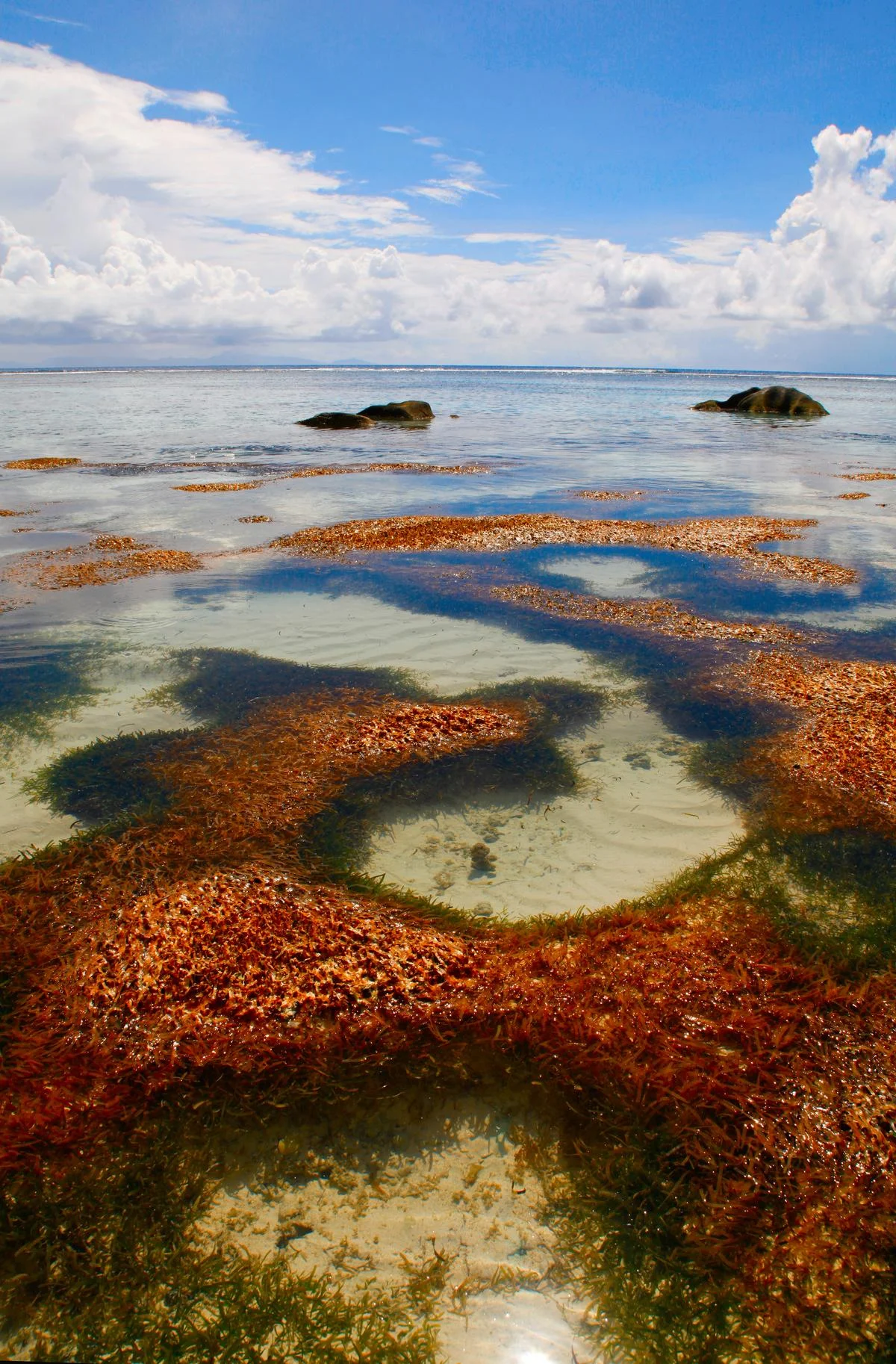
The sustainability infrastructure in Mauritius is now robust and diverse, with several resorts leading the charge. In the southern region, the Heritage Resort in Bel Ombre has established itself as a beacon of marine conservation. The resort employs full-time marine biologists who are actively engaged in the regeneration of seagrass and coral ecosystems. For the past two years, they have also been instrumental in running a Marine Education Centre in partnership with Reef Conservation. This center provides guests with an immersive introduction to the rich biodiversity of the lagoon, including coral reefs, seagrass beds, and coastal forests – the very fragile systems that contribute to Mauritius’s iconic beauty.
On the west coast, Sugar Beach in Flic-en-Flac has integrated environmental stewardship into its daily operations by having its own resident scientist. This embedding of ecological expertise ensures that conservation principles are not isolated initiatives but are woven into the guest experience and resort management. Further north, the Attitude hotel has adopted an immersive approach through its Marine Discovery Centre. Here, conservation is a participatory endeavor, featuring citizen science programs led by marine biologists, organized beach clean-ups, and active guest involvement in updating marine databases. These initiatives transform guests from passive observers into active participants in the preservation of the marine environment.

The dedication to conservation extends beyond the shores. As Anand Shekhawat notes, "A lot of hotels are doing great work in conservation. Six Senses Svart in Norway is an off-grid, energy positive hotel. [The CEO has announced a Net Zero Lab to develop and market the technology to help net-zero travel.] Shinta Mani Wild in Cambodia is located in the middle of a forest and actively works to protect local fauna by funding armed ranger patrols to remove animal traps and catch poachers. Island resorts [in Mauritius and elsewhere] are also looking at Ocean Thermal Energy Conversion to reduce reliance on fossil fuels." This global perspective underscores that Mauritius’s efforts are part of a broader, international movement within the hospitality industry to embrace sustainable practices.
A Legacy of Restoration: The Four Seasons Mauritius Initiative
To understand the maturation of this conservation movement, the Four Seasons Mauritius’s coral restoration project, initiated in 2015, serves as a compelling case study. This long-term endeavor, alongside the preservation of seagrass meadows within the resort’s lagoon, exemplifies a sustained commitment to ecological recovery. In 2021, the resort, situated on the east coast, expanded its focus to include seahorse regeneration initiatives. More recently, its efforts have broadened to encompass reef restoration and beehive protection across its expansive 64-acre property.

"We aim to restore 10,000 sq. m of coral reef," shares Rick Bonnier, the resort’s Ocean Environment Manager and a dedicated conservationist. The tangible results of these efforts are already evident. "We have planted around 1,000 coral fragments, and this has already improved biodiversity and the number of fish in the area," Bonnier reports. The impact of their bee project, introduced in May of the previous year, is equally impressive. "We started with eight hives and around 250,000 bees. Now there are around 500,000. We are collecting data to study its impact," he adds.
The Buzz of Conservation: A Strategic Approach to Bee Protection
The introduction of a beehive project by Four Seasons Mauritius is a strategic and insightful initiative, deeply rooted in the island’s ecological context. Rick Bonnier elaborates on the rationale behind this endeavor: "We are surrounded by mangroves, which are highly dynamic ecological systems, and bees are essential pollinators, including for mangrove flowers." The project aims to establish a sanctuary for bees, whose global populations are facing alarming declines due to habitat destruction, pesticide use, and pollution. By creating a safe haven for these vital pollinators, the resort not only contributes to their survival but also enhances pollination around the mangroves, thereby strengthening the surrounding ecosystem.

The long-term objectives of the beehive project are twofold. Firstly, it aims for increased biodiversity. Bonnier explains that a single honeybee can visit between 50 to 1,000 flowers in a single trip, and effective pollination leads to enhanced fruit and plant quality, as well as increased crop resilience against pests. This creates a more robust and self-sustaining ecosystem. Secondly, the project seeks to produce high-quality, distinctive honey. This not only offers a unique product for the resort but also serves as a tangible symbol of the ecosystem’s health and productivity.
Transforming Tourists into Guardians: The Power of Experiential Conservation
The impact of marine education tourism on guest behavior and attitudes is a critical component of Mauritius’s conservation strategy. Studies consistently show that visitors who engage in hands-on activities, such as coral planting and lagoon monitoring, exhibit higher knowledge retention. More importantly, they are more likely to adopt personal changes, such as avoiding reef-damaging sunscreens, and to support conservation organizations upon their return home.

Marine education experiences are proving to be powerful catalysts for "conversion moments," where individuals re-evaluate their relationship with oceans, plastic waste, and biodiversity. This leads to a stronger, pro-environmental intent. Many resorts are extending this engagement beyond the guest’s stay through post-visit communication channels like emails and citizen science apps. They also provide actionable steps that guests can implement in their daily lives or communities, such as guidance on how to become a "reef guardian." This approach fosters a sense of ongoing responsibility and empowers individuals to become advocates for conservation in their own spheres of influence.
A Horizon of Hope: Ambitious Projects Shaping Mauritius’s Future
The wave of environmental consciousness sweeping through Mauritius is giving rise to an impressive array of significant conservation projects. The Odysseo Foundation, dedicated to restoring the island’s marine ecosystems, is at the forefront of pioneering seagrass farming – a groundbreaking initiative in the Indian Ocean that utilizes seagrass seeds. Resorts like Four Seasons Mauritius are actively collaborating with Odysseo, providing crucial beachfront real estate for phase two of this vital project.

Furthermore, the island is witnessing advanced coral farming techniques led by Secore, a non-profit organization committed to coral reef conservation. This method involves collecting coral eggs during spawning events, nurturing them in laboratories, and subsequently reintroducing them into the marine environment. Complementing these efforts are emerging sea cucumber farming projects, which play a crucial role in restoring the ecological balance within reef ecosystems.
These multifaceted initiatives, spearheaded by a collaboration between the government, private sector, and dedicated non-profit organizations, paint a compelling picture of a nation determined to safeguard its natural heritage. Mauritius is not merely preserving its beauty; it is actively engaged in a process of ecological renaissance, demonstrating that a thriving tourism industry can indeed be a powerful engine for conservation and sustainable development. The island’s journey from a purely tourism-dependent economy to a leader in ecological stewardship serves as an inspiring model for destinations worldwide.
