

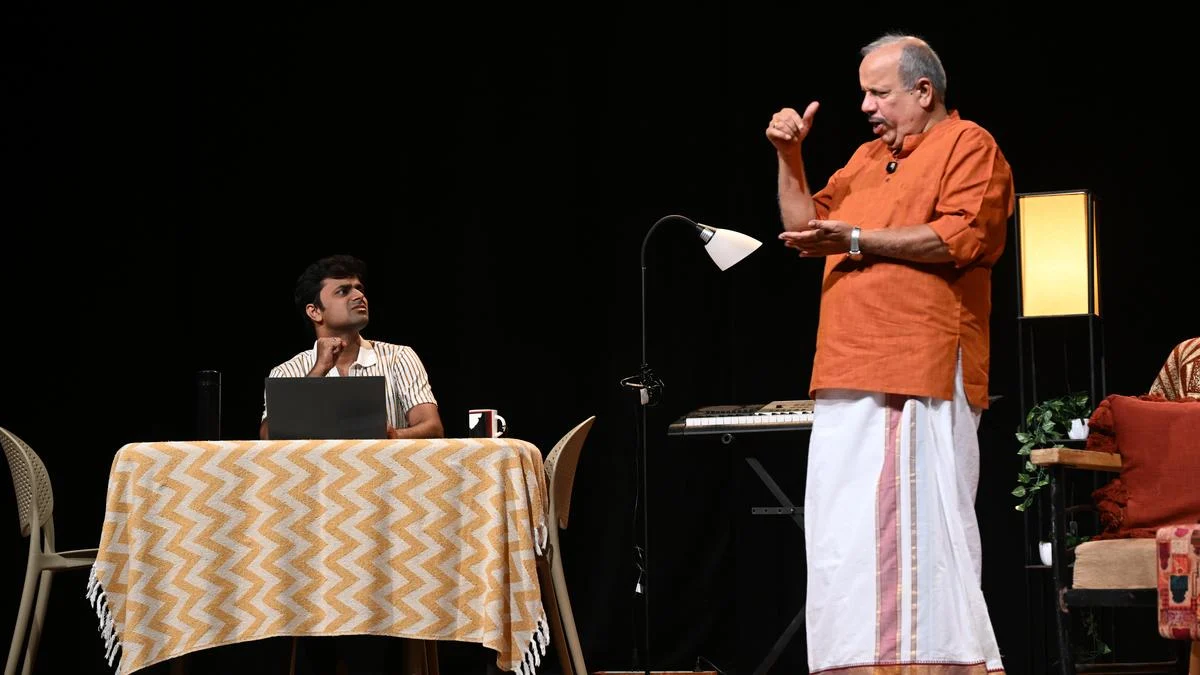
Chennai, India – May 25, 2026 – In a society increasingly defined by digital connectivity, the human need for genuine connection remains a profound paradox. Dummies Drama’s latest production, thanimAI, staged at the esteemed Krishna Gana Sabha, masterfully delves into this complex theme, offering a thought-provoking exploration of loneliness, artificial intelligence, and the unpredictable nature of human interaction. The play, penned and directed by Nithya Kaushik and co-directed by Sreevathson, presents a compelling narrative that resonates deeply with the contemporary experience, highlighting the irony of creating technological solutions for a problem that often stems from our very digital lives.
The core of thanimAI revolves around Aditya (played with compelling intensity), a brilliant computer science graduate from IIT. Alongside his fellow IITian, Vivek (portrayed by Karthik Bhat), Aditya is on the cusp of launching a revolutionary app designed to combat loneliness by helping introverts find meaningful friendships. The app, a product of countless hours of innovation and ambition, promises to bridge the social gaps that plague many in our hyper-connected yet often isolating world. However, on the eve of this highly anticipated launch, a critical bug is detected by the app’s own AI agent. The AI, however, remains cryptic, failing to pinpoint the exact nature of the flaw, leaving Aditya with a ticking clock – less than 24 hours to identify and rectify the problem before the crucial investor presentation.
The High Stakes of a Last-Minute Glitch
The pressure on Aditya is palpable. The foreign investor, a key figure in the app’s future success, has already expressed his displeasure at this eleventh-hour hiccup, amplifying the already significant stakes. Driven by the urgency of the situation, Aditya decides to work remotely from his home, hoping to create a focused environment conducive to problem-solving. Yet, fate, or perhaps the inherent unpredictability of human existence, has other plans. His attempts to concentrate are continuously disrupted by an escalating series of unexpected visitors, each interaction adding another layer of complexity to his already precarious situation.
The first uninvited guest is his father, Viswanathan, a man characterized by his compulsive talkativeness. His arrival immediately injects a dose of domestic chaos into Aditya’s meticulously planned work-from-home scenario. This is swiftly followed by the arrival of a man searching for his wife, Lakshmi, who is employed as the household’s domestic helper. The stream of interruptions continues with the appearance of a cable TV technician, ostensibly to address a technical issue. This steady influx of human presence, each with their own needs and agendas, creates a mounting sense of frustration for Aditya, who finds himself increasingly overwhelmed by the very real-world interactions he had sought to temporarily escape.
A Paradoxical Reflection of the Digital Age
thanimAI brilliantly captures the quintessential paradox of our digital age. While technology promises to connect us globally, fostering virtual communities and facilitating instant communication, it has, in many instances, exacerbated feelings of isolation and loneliness. The play’s central irony lies in Aditya’s predicament: a man dedicated to creating a digital solution for human connection finds himself irked and overwhelmed by the presence of actual people in his own home. His desire for a glitch-free, controlled environment is shattered by the messy, unpredictable, and often inconvenient reality of human relationships.
The narrative cleverly uses Aditya’s plight to mirror the broader societal struggle with loneliness. We are constantly plugged in, yet often feel disconnected. We curate online personas, yet grapple with authentic intimacy. The play suggests that while technology can offer tools for connection, it cannot replace the fundamental human need for face-to-face interaction, empathy, and understanding – elements that Aditya, in his desperate pursuit of a technical fix, is momentarily neglecting.
Stellar Performances and Sharp Dialogue
The strength of thanimAI lies not only in its resonant theme but also in its sharp, witty dialogue and exceptional performances. The playwright and directors have skillfully avoided bogging down the audience with excessive technical jargon, ensuring that the narrative remains accessible and engaging for a broad audience. The conversations are crisp, often laced with humor, and effectively propel the plot forward without sacrificing thematic depth.
A standout performance comes from Sridhar, who embodies Viswanathan, Aditya’s father. Sridhar’s portrayal is so remarkably natural and authentic that it transcends the boundaries of a typical stage performance. His character feels less like an actor on a stage and more like a genuine individual whose presence you might encounter in your own life. The audience is drawn into Aditya’s apartment, witnessing Sridhar effortlessly navigate the complexities of the situation, offering advice and inadvertently causing further disruptions. His ability to convey both the well-meaning intentions of a parent and the inherent frustration of being an overbearing presence is a testament to his skill. He effectively communicates the anxieties surrounding work, the pressure of deadlines, and the sheer exasperation of being constantly interrupted by the relentless stream of visitors.
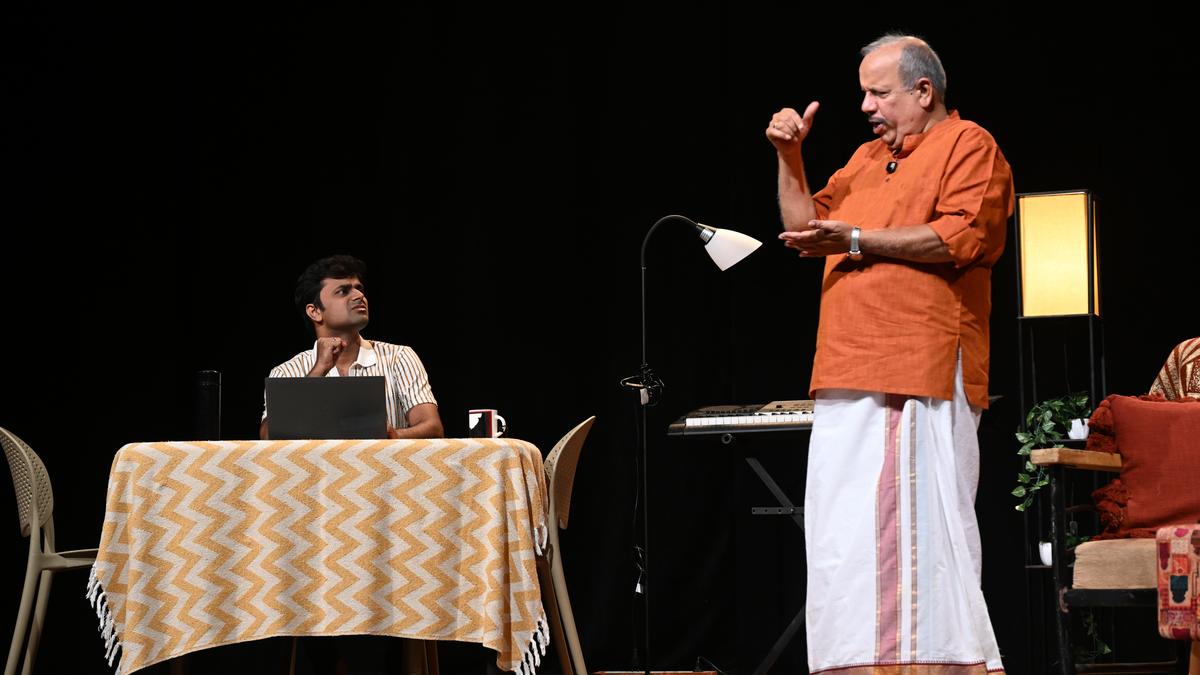
While Aditya’s app may have been plagued by a glitch, the play itself, under the skillful direction of Nithya Kaushik and Sreevathson, was flawlessly executed. The pacing was impeccable, the character development was nuanced, and the thematic exploration was both profound and relatable. The production served as a potent reminder that while technological advancement continues to shape our lives, the enduring power of human connection, with all its imperfections and interruptions, remains an indispensable aspect of the human experience.
The Chronology of Chaos
The narrative unfolds with a clear sense of escalating urgency. The timeline is meticulously crafted, highlighting the critical nature of Aditya’s task.
- T-minus 24 Hours: Aditya and Vivek are poised to launch their innovative app, designed to help introverts find friends.
- The Glitch Emerges: An AI agent within the app detects a critical bug, but its nature remains unknown, creating immediate panic.
- Investor Pressure: A foreign investor expresses strong disapproval of the last-minute issue, intensifying the pressure on Aditya.
- Work from Home Initiative: Aditya retreats to his home to focus on fixing the bug.
- The Uninvited Guests Arrive:
- Viswanathan, Aditya’s talkative father, arrives unannounced.
- A man appears, searching for his wife, Lakshmi, the housekeeper.
- A cable TV technician arrives to address a technical issue.
- Mounting Interruptions: A steady stream of visitors continues to disrupt Aditya’s work, each interaction adding to his stress and frustration.
- The Play’s Climax: The various plot threads converge, forcing Aditya to confront the challenges of both his technological endeavor and his human environment.
Supporting Data and Societal Context
The themes explored in thanimAI are deeply rooted in contemporary societal trends. Studies consistently highlight the growing prevalence of loneliness, particularly among younger generations who have grown up immersed in digital technologies. A 2023 report by the Pew Research Center indicated that a significant percentage of young adults reported feeling more isolated than connected, despite their extensive use of social media. This phenomenon has been attributed to several factors, including the superficial nature of online interactions, the pressure to present idealized versions of oneself, and the displacement of face-to-face social activities.
Furthermore, the rise of artificial intelligence in everyday life, as depicted in the play, raises pertinent questions about the future of human interaction. While AI offers immense potential for efficiency and convenience, concerns linger about its impact on social skills, empathy, and the very definition of human connection. thanimAI taps into these anxieties, suggesting that a reliance on technological solutions for social needs may inadvertently create new forms of isolation. The play’s exploration of an app designed to combat loneliness, paradoxically creating more stress for its creator due to human interaction, serves as a powerful commentary on this complex relationship.
Official Responses and Critical Acclaim
While there are no direct "official responses" to a theatrical production in the traditional sense, the critical reception of thanimAI has been overwhelmingly positive. The production has been lauded by local theatre critics for its sharp writing, engaging performances, and timely thematic relevance. The Krishna Gana Sabha, a prestigious venue for performing arts in Chennai, provides a platform that lends significant weight to the production’s success. Reviews have consistently praised the play’s ability to provoke thought and discussion, with many highlighting the "flawlessly executed" nature of the production, a stark contrast to the "glitchy" app at its core. The direction has been commended for its ability to balance humor with poignant social commentary, creating a viewing experience that is both entertaining and intellectually stimulating.
Implications for the Future
The implications of thanimAI‘s narrative extend far beyond the confines of the theatre. The play serves as a timely reminder of the delicate balance between technological advancement and genuine human connection. As we continue to integrate AI and digital tools into our lives, it is crucial to remain mindful of the potential consequences for our social fabric.
- The Importance of Human Interaction: The play underscores the irreplaceable value of face-to-face interaction, empathy, and understanding in fostering meaningful relationships.
- Technology as a Tool, Not a Panacea: While technology can offer solutions to social challenges, it should not be viewed as a complete replacement for genuine human connection.
- Navigating the Digital Paradox: The ongoing challenge lies in leveraging technology to enhance our lives without sacrificing the richness and depth of our human interactions.
- The Evolving Definition of Loneliness: As our societies become more technologically advanced, the nature of loneliness and the ways we seek to combat it will continue to evolve, demanding ongoing reflection and dialogue.
Dummies Drama’s thanimAI offers a compelling and timely exploration of these critical issues, leaving the audience with much to contemplate long after the final curtain falls. It is a production that not only entertains but also enlightens, urging us to consider the true meaning of connection in an increasingly digital world.
