

NEW DELHI – In an industry where physical transformation is often considered a prerequisite for stardom, Salman Khan has remained a constant archetype of the "Alpha" physique for over three decades. However, as the Bollywood megastar enters his 60th year, the methodology behind maintaining his trademark chiselled frame has evolved from brute-force training to a sophisticated, albeit unconventional, philosophy of nutritional management.
In a recent candid revelation that has sparked widespread debate among fitness enthusiasts and medical professionals alike, Khan opened up about his unique dietary habits. Speaking to Variety India on their YouTube channel, the Sultan actor disclosed a regime that defies traditional "clean eating" dogmas while enforcing a discipline of portion control that few could emulate.
Main Facts: The "One Tablespoon" Rule and the Cheat Day Paradox
Salman Khan’s approach to fitness at 60 is built on a surprising contradiction: he claims that "every day is a cheat day," yet his actual consumption of staple carbohydrates is minimal to the point of being symbolic.
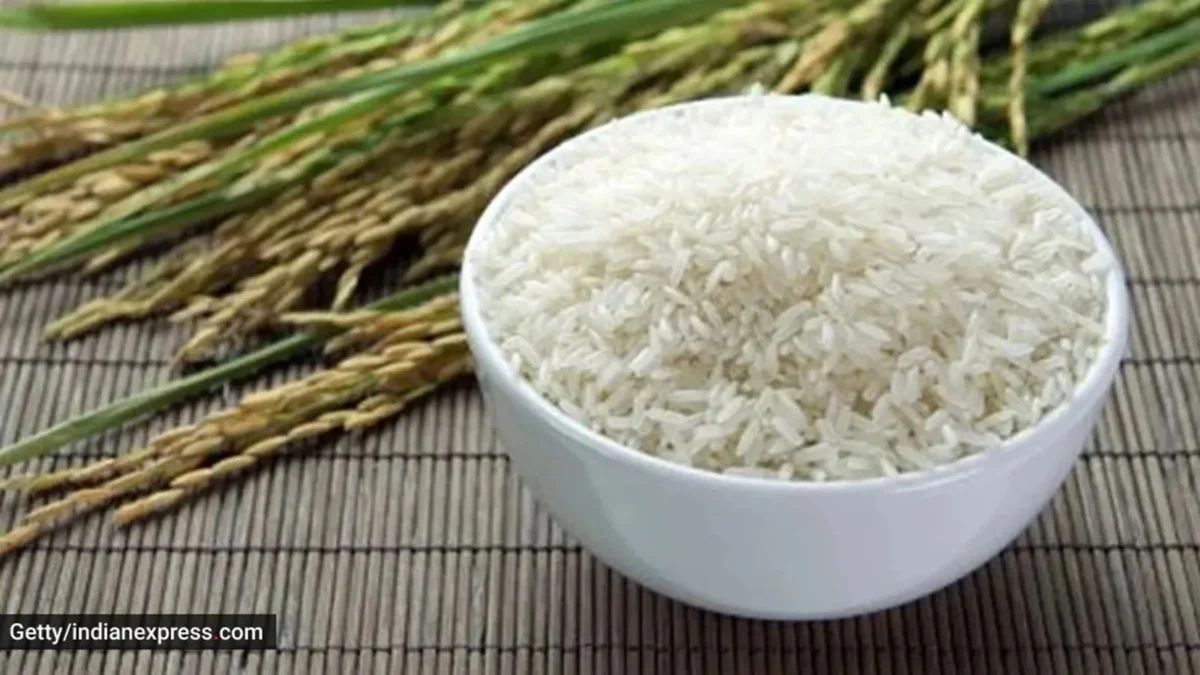
The actor revealed that while he refuses to adhere to the "steamed and bland" diet often associated with bodybuilders, he manages his caloric and insulin response through extreme restriction of traditional Indian grains. "I’ll eat what I’ll eat. I don’t do steamed," Khan stated, suggesting a preference for flavor over the asceticism of boiled chicken and broccoli. However, the caveat lies in the quantity. "I will take one tablespoon of rice. I don’t touch rotis. That’s it. And then whatever protein I need, I try to finish it with that one tablespoon of rice."
This "one tablespoon" rule serves as the anchor for his nutritional strategy. By virtually eliminating rotis (wheat flatbreads) and limiting rice to a nominal amount, Khan effectively follows a high-protein, low-carbohydrate protocol that allows him to indulge in flavorful dishes without the metabolic fallout of a high-carb meal.
Chronology: The Evolution of a Fitness Icon
To understand Khan’s current regime, one must look at the trajectory of his physical identity.
- The 1990s (The Pioneer): Salman Khan is widely credited with ushering in the era of the "shirtless hero" in Bollywood. His lean, muscular frame in films like Maine Pyar Kiya and Pyaar Kiya To Darna Kya set a new standard for leading men. During this era, his fitness was largely driven by youthful metabolism and high-volume weight training.
- The 2010s (The Bulk Phase): With roles like Dabangg and particularly Sultan (2016), Khan underwent massive physical fluctuations. For Sultan, he had to portray an aging wrestler, requiring him to gain significant weight and then shred it down to a muscular competition weight. This period likely intensified his understanding of how his body responds to specific macronutrients.
- The 2020s (The Maintenance Era): Now aged 60, Khan’s focus has shifted toward sustainability. The "extreme" diets of his 40s are no longer viable for long-term health. His recent comments reflect a transition into a "lifestyle" phase where the gym is a non-negotiable debt-repayment for his culinary choices.
Supporting Data: The Science of Protein and Carb Restriction in Aging
The actor’s emphasis on protein is backed by significant geriatric and sports science data. As individuals cross the age of 50, they face an increased risk of sarcopenia—the natural loss of muscle mass and strength.
- Muscle Protein Synthesis (MPS): For an active 60-year-old, protein requirements are higher than for sedentary younger adults to maintain the same level of muscle mass. Khan’s focus on "finishing his protein" is a clinical necessity for someone maintaining a physique that requires high-intensity resistance training.
- The Insulin Factor: By avoiding rotis and limiting rice to a single tablespoon, Khan is effectively managing his glycemic load. Large portions of refined carbohydrates can lead to insulin spikes, which, in the absence of immediate energy expenditure, lead to fat storage—particularly visceral fat, which becomes more stubborn as testosterone levels naturally decline with age.
- The "Exercise Compensation" Myth: Khan mentioned he would rather spend "an extra 20 minutes in the gym or the extra one hour" to justify his eating. While exercise does increase caloric burn, metabolic researchers often point out that "you cannot outrun a bad diet." However, for an elite athlete or a high-intensity trainer like Khan, the "Afterburn Effect" (EPOC) and increased insulin sensitivity from heavy lifting do provide a wider margin for error than the average person enjoys.
Official Responses: Medical Experts Weigh In
While Khan’s results are visible in his "chiselled" social media updates, medical professionals urge caution for the general public attempting to mimic this "celebrity template."
Dr. Vijay Negalur, Head of the Department of Diabetology at KIMS Hospitals, Thane, analyzed the actor’s statements through a clinical lens. "Salman Khan’s statement reflects a reality many fitness-conscious people relate to: sustainability matters more than strict dieting," Dr. Negalur noted. He acknowledged that limiting refined carbohydrates while focusing on protein helps with satiety, blood sugar stability, and muscle maintenance.
However, Dr. Negalur issued a stern warning regarding the "cheat day" mentality. "What works for a highly active celebrity with intense workout routines may not directly apply to the average person with a sedentary lifestyle, stress, poor sleep, or metabolic issues," he contended.

Regarding the total elimination of carbohydrates, Dr. Negalur clarified that carbs are often unfairly vilified. "The issue usually lies in the excess quantity and poor-quality carbs—refined flour, sugary foods, and oversized portions. For people at risk of diabetes, reducing carb intake can improve glucose control, but eliminating carbs is rarely necessary. In Indian diets, balance is more practical than restriction."
The consensus among experts is that Khan’s "extra hour in the gym" is a luxury of time and professional necessity that the average worker cannot afford. Therefore, the "one tablespoon of rice" might be a healthy portion-control tip, but the "eat what I want" philosophy could be dangerous for someone without Khan’s muscle mass and training volume.
Implications: The "Bollywood Effect" on Public Health
Salman Khan’s dietary revelations have broader implications for public health trends in India, a country often referred to as the "diabetes capital of the world."
1. The Redefinition of the "Indian Plate"
The traditional Indian meal is heavy on carbohydrates, often featuring multiple rotis or large mounds of rice with a side of lentils and vegetables. Khan’s public rejection of the roti challenges a deep-seated cultural dietary norm. While this may encourage portion control, it also risks demonizing whole grains that provide essential B vitamins and fiber to the general population.
2. The Psychology of "Guilt-Free" Eating
Khan’s insistence on "enjoying food without guilt" is a positive psychological shift. Chronic dieting often leads to an unhealthy relationship with food, characterized by cycles of extreme restriction followed by binge eating. By allowing himself "cheat meals" but controlling the volume of the most calorically dense components (the carbs), Khan demonstrates a form of "Flexible Dieting" that can be more mentally sustainable than total deprivation.
3. The Aging-Well Narrative
At 60, Salman Khan is a walking advertisement for "Active Aging." His ability to maintain a high level of physical performance sends a powerful message about the importance of resistance training in later life. However, the implication that one can "neutralize" poor nutrition through extra gym time is a narrative that many health experts fear will lead to overtraining injuries among middle-aged fans trying to keep up with their idol.
Conclusion: Consistency Over Perfection
The takeaway from Salman Khan’s fitness journey is not necessarily the specific "one tablespoon" measurement, but the principle of portion awareness. As Dr. Negalur emphasized, "The biggest lesson is consistency, not perfection."
Khan’s regime is a bespoke solution designed for a man with access to world-class trainers, chefs, and a professional requirement to look a certain way. For the average individual, the middle ground—incorporating high protein, practicing mindful portion control of carbohydrates, and maintaining regular physical activity—remains the gold standard.
As the Tiger star continues to defy the conventional limitations of age, his diet serves as a reminder that fitness after 50 is less about following a generic plan and more about understanding one’s own metabolic "price tag." Salman Khan pays that price in the gym, allowing him to keep the flavor on his plate—one tablespoon at a time.
DISCLAIMER: This article is based on information from the public domain and expert interviews. Nutritional requirements vary significantly based on age, gender, medical history, and activity levels. Always consult your health practitioner or a certified nutritionist before starting any new diet or intense exercise routine.
