

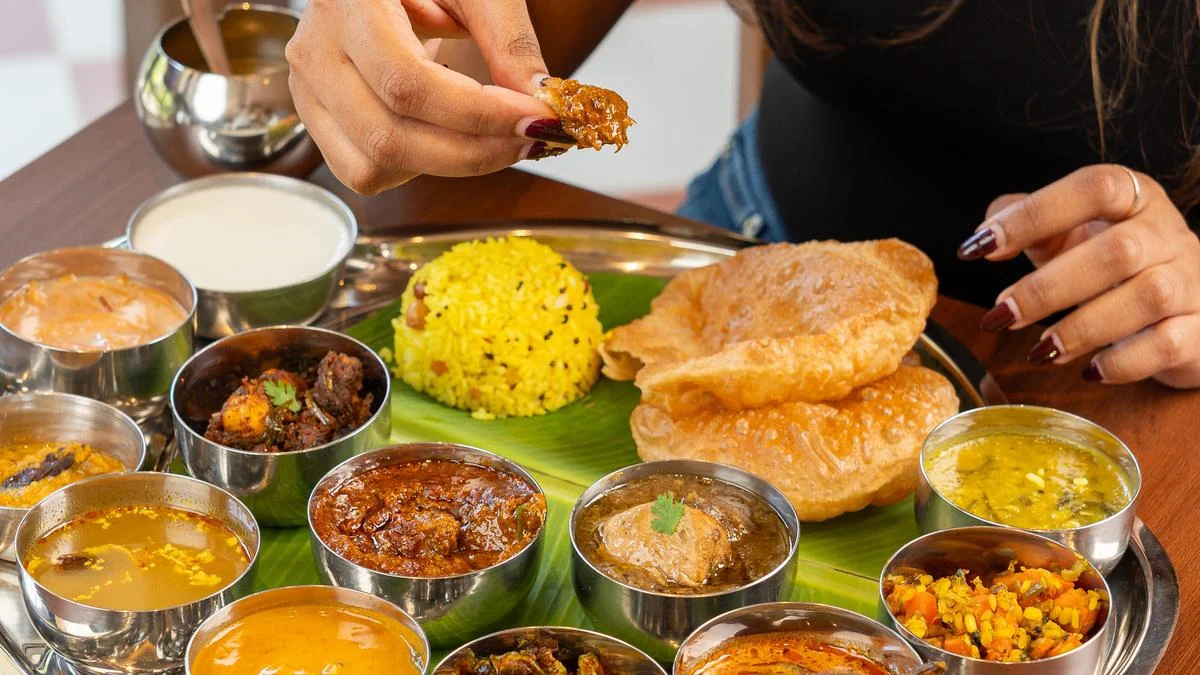
For decades, the global identity of Hyderabad’s culinary landscape could be summarized in two words: Dum Biryani. The fragrant, slow-cooked assembly of long-grain basmati rice and succulent meat has long been the city’s primary ambassador, drawing food pilgrims from across the world. However, a quiet but potent revolution is simmering in the kitchens of the City of Pearls. Hyderabad is no longer content with a one-dish identity. The table is widening, the flavors are intensifying, and the conversation is shifting toward the complex, hyperlocal tapestries of Telugu cuisine.
From the fiery kitchens of Rayalaseema to the coastal delicacies of the Godavari districts and the robust, earthy flavors of Telangana, the city’s diners are rediscovering their heritage. This transformation is not merely a trend; it is a sophisticated rebranding of regional identity, where totakura liver fry, chepala pulusu, and muddapappu avakaya annam are now commanding the same reverence—and price points—as the legendary biryani.
I. Main Facts: The Deconstruction of a Monolithic Food Culture
The primary shift in Hyderabad’s food scene is the transition from "multi-cuisine" predictability to "hyperlocal" specificity. For years, upscale dining in the city often meant a choice between North Indian staples like butter chicken or generic "South Indian" thalis. Today, the focus has sharpened.
The Rise of Regional Specialization
Restaurants are now foregrounding dishes that were once confined to domestic kitchens. The menu at modern Telugu establishments is an odyssey through the Telugu-speaking heartlands. Diners are moving away from "masala-heavy" biryanis toward aromatic pulaos made with short-grain rice, which offer a different textural experience.
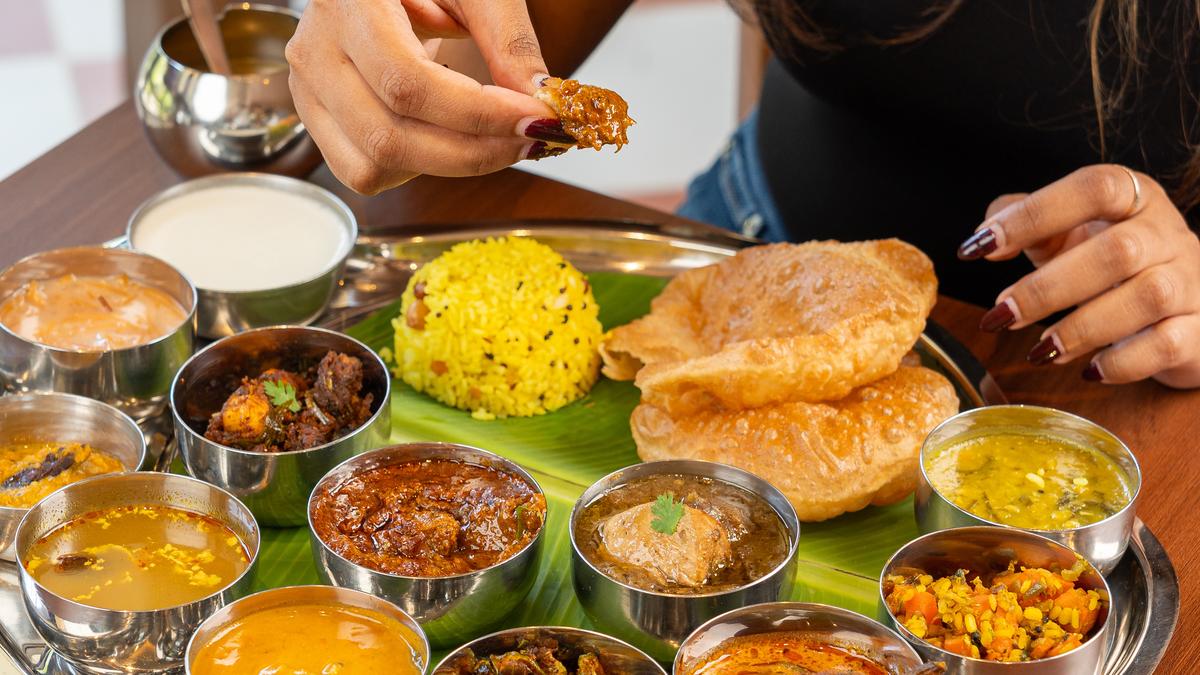
Key dishes leading this charge include:
- Vepudus (Fries): Golichina mamsam (fried mutton) and Karimnagar wings.
- Pappus (Dals): A focus on gongura pappu (sorrel leaf dal) and mamidikaya pappu (raw mango dal).
- Pulusus (Stews): Tangy, tamarind-based gravies like chepala pulusu (fish stew) and natu kodi pulusu (country chicken stew).
- Comfort Staples: The iconic muddapappu avakaya annam (plain dal with mango pickle and rice) has moved from a humble home meal to a celebrated restaurant centerpiece.
The Fine-Dining Evolution
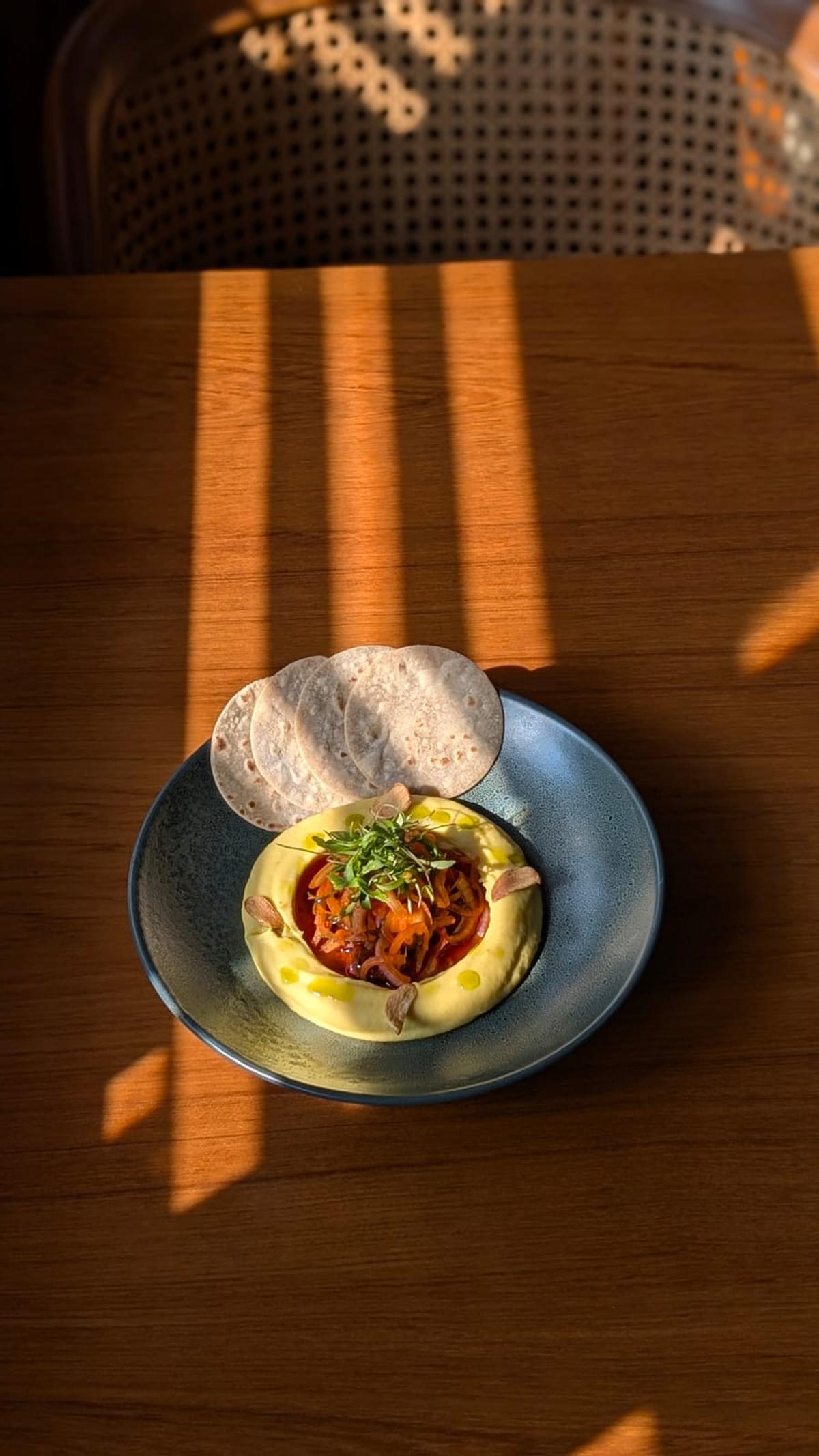
The presentation of Telugu food is also undergoing a radical makeover. The "thali" is no longer the only way to consume regional food. Restaurateurs are introducing fine-dining sensibilities, serving rasam as an amuse-bouche in delicate glassware and plating traditional snacks with the precision of Michelin-starred establishments.
II. Chronology: From 1985 to the Neo-Telangana Era
The evolution of Hyderabad’s food scene can be traced through several distinct phases that reflect the city’s socio-economic changes.
1980s – The Foundation of Icons
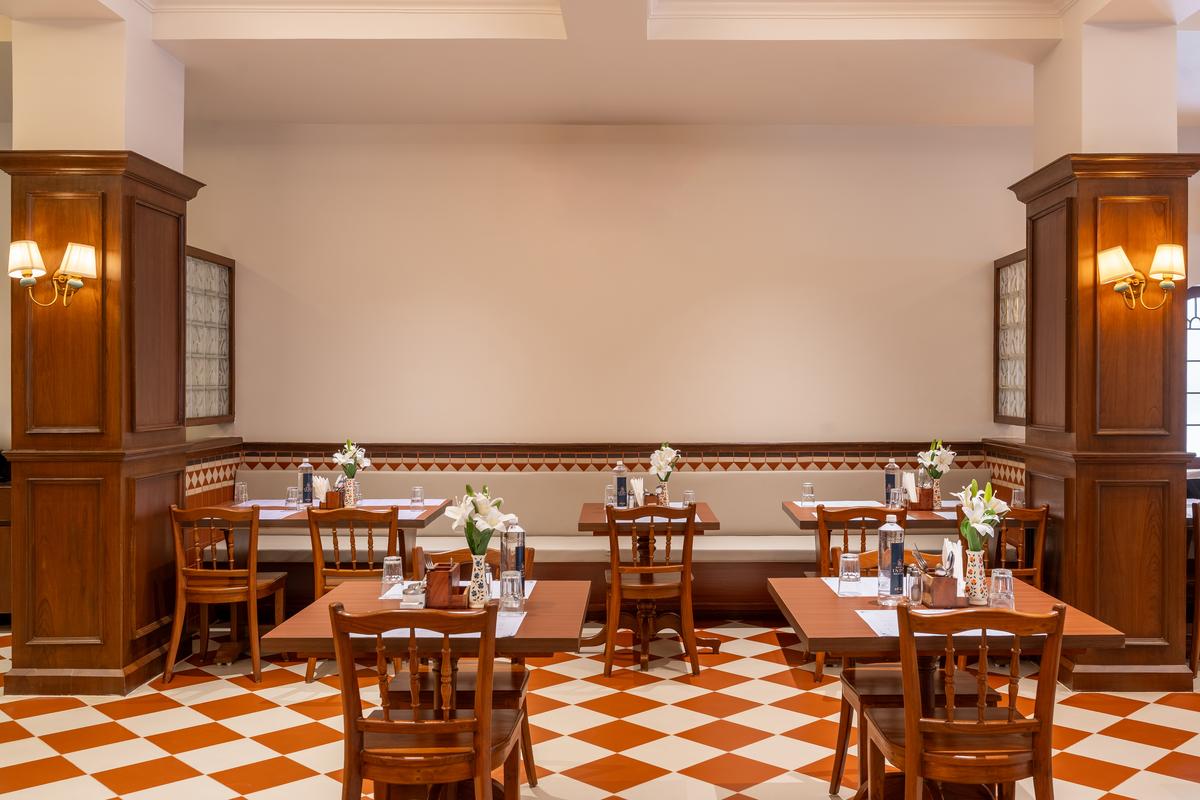
In 1985, Venugopal Reddy founded Hotel Indu Deluxe. At the time, such establishments focused on providing authentic, high-quality Telugu meals to a growing urban population. These "hotels" (a local term for restaurants) were the bedrock of the city’s food culture, maintaining traditional recipes while the city around them began to modernize.
2000s-2010s – The Biryani Hegemony
As Hyderabad grew into a global IT hub, the Biryani became a brand. Large chains expanded, and for many newcomers, Hyderabad’s food began and ended with biryani and haleem. During this period, regional Telugu food was often relegated to small "mess" style eateries or home kitchens, perceived as too "common" for upscale dining.
2020-2024 – The Hyperlocal Renaissance
Post-pandemic, a surge of nostalgia and a desire for authenticity led to a "Telugu-forward" movement. In 2023 and 2024, legacy brands like Indu Deluxe began expanding into affluent neighborhoods like Banjara Hills. Simultaneously, new-age "Neo-Telangana" kitchens and "Telugu Medium" bars began to emerge, blending traditional flavors with contemporary aesthetics.
III. Supporting Data: Mapping the Culinary Micro-Regions
The current culinary boom is supported by a meticulous mapping of the various sub-regions within the Telugu-speaking states.
1. Telangana’s Earthy Legacy
At establishments like Terrai – Neo Telangana Kitchen & Bar, the focus is archival. The menu pays tribute to the Deccan’s history, emphasizing:

- Millets: Moving away from rice-centrism to include jonna (sorrel) and sajja (pearl millet).
- Robust Shorbas: Meat soups that reflect the rugged terrain of the region.
- Traditional Techniques: Slow-cooking methods that highlight the community’s culinary memory.
2. The Coastal Influence (Andhra & Godavari)
The influence of the Godavari districts is felt through the use of fresh seafood and specific spices. Spicy Venue and Bhojanam curate thalis that specifically distinguish between Andhra, Godavari, and Rayalaseema palates. For instance, the use of mustard powder as a garnish is a hallmark of Uttar Andhra (North Coastal Andhra) cuisine, a nuance previously ignored by mainstream restaurateurs.
3. The Café Culture Shift
Coffee Sangam is a prime example of how regional snacks are entering the café space. By serving punugulu, button idli, and nimmakaya guddu bonda (lemon-infused egg bonda) alongside filter coffee, they are capturing a market that previously sought these flavors at unhygienic roadside stalls.
IV. Official Responses: Perspectives from the Industry
Key figures in the Hyderabad hospitality sector emphasize that this shift is driven by a genuine demand for cultural identity and quality.
Rohit Reddy, Manager of Hotel Indu Deluxe:
"Everyone is inquisitive about Telugu cuisine. Our cuisine has so much to offer that we don’t need a multicuisine menu. Our cooks are from Bheemavaram, Warangal, and Rajahmundry. There is no need to borrow dishes from elsewhere." Reddy’s decision to stick to a 40-year-old menu while expanding suggests a deep confidence in the timelessness of these flavors.

Sampath Tummala, Owner of Spicy Venue and Theta Theta Telugu:
Tummala highlights the importance of the dining experience: "There has to be a distinction between a rushed lunch and one you plan to celebrate. Telugu food was long identified with the thali, but now it’s time for individual dishes to shine." He points to the visual appeal of chepala pulusu served bubbling in a stone pot as a way to elevate the perception of the cuisine.
Gopi Bylapula, Culinary Lounge:
Bylapula views this shift through a global lens. "Showcasing regional food can drive cultural and culinary tourism while preserving intangible heritage," he notes. He cites the 2025 UNESCO inscription of Italian cuisine as a benchmark, arguing that Telugu cuisine—with its centuries-old techniques and focus on biocultural diversity—deserves similar global recognition.
V. Implications: Cultural Tourism and Global Aspirations
The "widening of the table" in Hyderabad has far-reaching implications for the city’s economy and cultural standing.
1. Preservation of Intangible Heritage
The rise of regional restaurants provides a platform for home chefs and specialized cooks from rural districts. Sowjanya Narsipuram, a home chef specializing in Uttar Andhra cuisine, has introduced Hyderabadis to rare dishes like jeedi kobbari paala koora (cashew and coconut milk curry) and guna charu (jackfruit stew). By bringing these recipes into the public sphere, the industry is ensuring they are not lost to history.
2. Economic Diversification
The move away from "predictable" menus (like butter chicken and kebabs) allows for a more diverse supply chain. Restaurants are sourcing specific short-grain rice varieties, local beans, and country chicken (natu kodi), supporting regional farmers and producers who specialize in these indigenous ingredients.
3. Culinary Tourism
As Hyderabad positions itself as a center for "Telugu-forward" dining, it attracts a new kind of tourist—one who is interested in micro-cuisines. The ability to experience four distinct regional cuisines (Telangana, Andhra, Rayalaseema, and Uttar Andhra) within a single city makes Hyderabad a unique gastronomic destination.
4. Redefining the "Indian Food" Narrative
For too long, Indian food abroad has been synonymous with North Indian cream-heavy gravies. The success of modern Telugu restaurants in Hyderabad serves as a blueprint for how South Indian food can be exported globally—not just as "Idli-Dosa," but as a sophisticated, diverse, and technique-driven culinary system.
Conclusion
The transformation of Hyderabad’s food scene is a testament to the city’s maturing palate. While the Dum Biryani will always remain a beloved icon, it is no longer the only story. By embracing its roots, Hyderabad is proving that the most modern way to eat is, in fact, to return to the authentic, the regional, and the deeply familiar. The table has indeed widened, and there is finally room for the full spectrum of Telugu heritage.
