

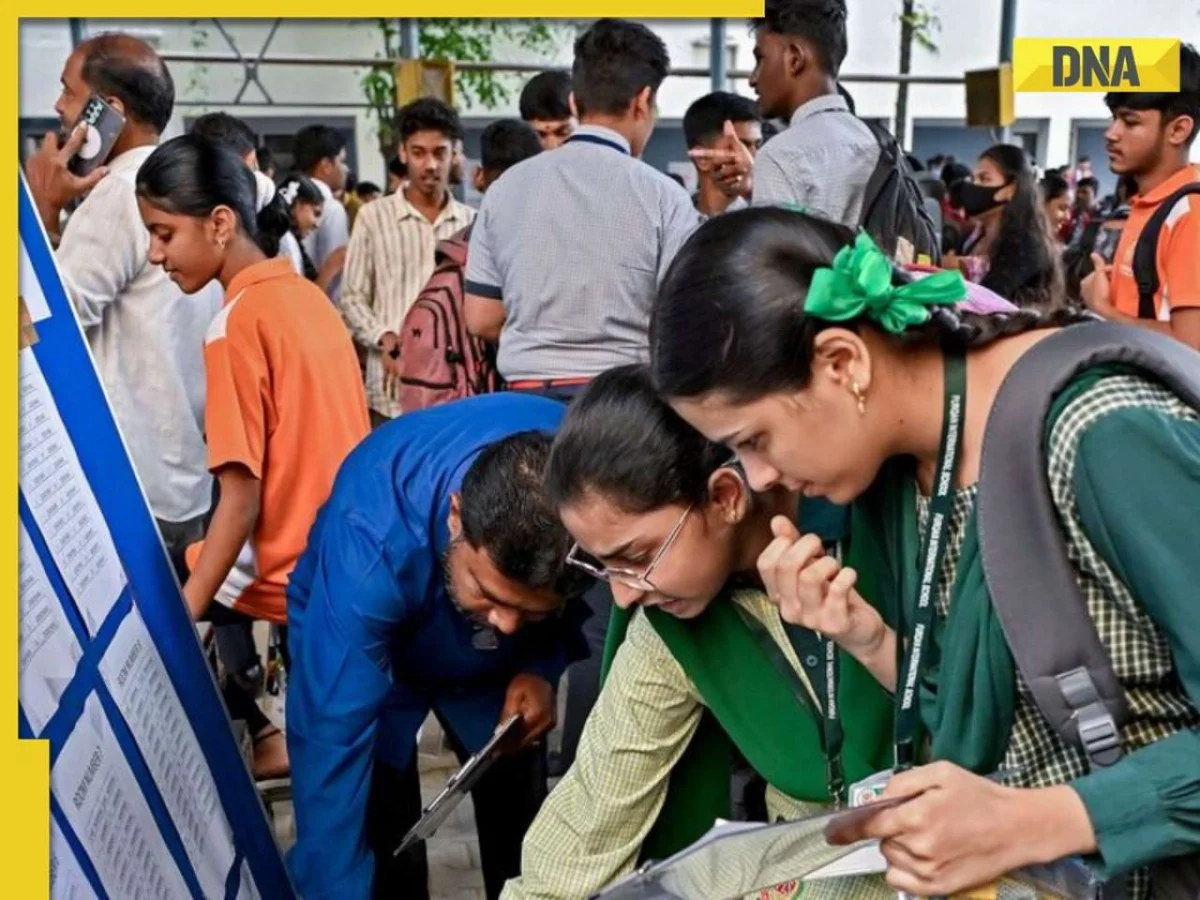
New Delhi, India – May 17, 2026 – The Central Board of Secondary Education (CBSE) has officially commenced the post-result review process for its Class 12 students, offering a critical pathway for those seeking to ensure the accuracy of their 2026 board examination marks. This initiative underscores the board’s commitment to transparency and fairness in its evaluation system, acknowledging that even with stringent procedures, minor discrepancies can occasionally arise in the assessment of millions of answer scripts.
With the 2026 Class 12 results having been declared, students now have a defined window to meticulously examine their performance. The multi-stage process is designed to empower students, providing them with the tools to scrutinize their results and seek redressal if necessary. This comprehensive review mechanism is particularly significant given the pivotal role Class 12 marks play in shaping students’ academic futures, influencing university admissions and subsequent career trajectories.
A Commitment to Transparency: The CBSE Post-Result Review Framework
In a statement released today, the CBSE Controller of Examinations, Sanyam Bhardwaj, highlighted the immense scale of the examination process. "With approximately 1.25 crore answer scripts evaluated across various subjects, the possibility of human error, however minimal, cannot be entirely discounted," Bhardwaj stated. "Our primary objective is to ensure that every student receives the marks they rightfully deserve. To this end, we have established a robust and student-centric review process that allows for thorough examination and correction of any potential errors."
The board’s emphasis on a transparent and student-friendly evaluation system aims to build and maintain confidence among students, parents, and educators. The post-result review is not merely a procedural formality but a vital component of the board’s commitment to academic integrity.
)
Navigating the Review Process: A Step-by-Step Chronology
The post-result review is structured into distinct phases, each with specific timelines and procedures, allowing students to approach the process systematically.
Phase 1: Accessing Scanned Answer Sheets (May 19 – May 22, 2026)
The initial and most crucial step for students is to obtain scanned copies of their evaluated answer books. The application window for this facility will be open from May 19 to May 22, 2026. During this period, students can log in to the official CBSE portal and submit their requests for scanned copies of their answer scripts for subjects where they wish to initiate a review.

Upon receiving the scanned copies, students are strongly advised to undertake a meticulous examination of each answer. This involves comparing the answers provided with the official marking scheme, which is often made available by schools or can be accessed through supplementary resources. The primary focus during this stage should be on identifying:
- Unchecked Answers: Instances where a question or a part of a question has not been marked by the examiner.
- Calculation Errors: Mistakes in the totaling of marks awarded for different questions or sub-sections.
- Discrepancies in Marking: Situations where the marks awarded by the examiner do not align with the expected evaluation based on the marking scheme or the quality of the answer.
- Marks Not Awarded as Per Scheme: Any deviation from the stipulated marking pattern.
Board officials have reiterated the importance of careful observation during this phase. Students are encouraged to meticulously document any irregularities or potential errors they discover, as this documentation will be crucial for the subsequent stages of the review.
)
Phase 2: Verification of Marks and Re-evaluation (May 26 – May 29, 2026)
Following the detailed review of their scanned answer sheets, students can formally proceed to the next stage: applying for verification of marks or re-evaluation. The application window for this critical phase is scheduled from May 26 to May 29, 2026.
This stage allows students to formally submit their concerns regarding specific aspects of their answer sheet evaluation. Students will typically be required to specify the exact questions or sections where they believe an error has occurred. The board’s expert panel will then meticulously re-examine these specified areas.
)
Verification of Marks: This process typically involves a check to ensure that all answers have been evaluated and that the total marks awarded have been correctly calculated. It does not involve a re-marking of the content of the answers.
Re-evaluation: This is a more in-depth process where the content of the answers is reviewed by a subject expert. If an error in marking is identified, the marks will be revised accordingly.
)
Officials have clarified that this mechanism is designed to be a robust system of checks and balances, ensuring that no deserving student is penalized due to an oversight in the evaluation process.
Understanding the Implications: Marks May Increase or Decrease
A crucial point that CBSE has consistently emphasized is that the re-evaluation process can lead to a revision of marks in either direction. This is a standard practice in such review mechanisms globally and is designed to maintain the integrity of the assessment.
)
- Potential for Increased Marks: If the review confirms that marks were erroneously deducted or that a correct answer was under-marked, the student’s score will be revised upwards. This is often the outcome students hope for, providing them with the opportunity to improve their overall percentage.
- Potential for Decreased Marks: Conversely, if the re-evaluation process reveals instances of over-marking, calculation errors that favored the student, or other discrepancies that result in a higher initial score, the marks may be revised downwards. This possibility, though less common, underscores the need for students to be thorough in their initial assessment of their answer sheets.
The board has assured that any revised marks will be updated accurately and communicated to the students. This transparency in potential outcomes is vital for students to approach the process with a realistic understanding of the possibilities.
Supporting Data and Official Statements: The Scale and Scope of Evaluation
The sheer volume of answer scripts handled by CBSE each year underscores the importance of a well-defined review process. With approximately 1.25 crore answer scripts evaluated for the 2026 examinations, the board employs a vast network of examiners and a sophisticated logistical framework.
)
Sanyam Bhardwaj’s statement about the possibility of "occasional errors" despite "strict checking procedures" acknowledges the human element inherent in any large-scale evaluation. The board’s proactive approach in providing this review window is a testament to its dedication to student welfare and academic fairness. The process is designed to be:
- Accessible: Available to all students who meet the eligibility criteria.
- Transparent: Clearly defined steps and timelines ensure students understand what to expect.
- Fair: The involvement of expert panels in re-evaluation ensures objective assessment.
The board typically publishes detailed guidelines and FAQs on its official website regarding the post-result review process, including application fees, specific rules for each stage, and the expected timeline for receiving revised results. Students are strongly advised to consult these official documents for the most accurate and up-to-date information.
)
The Broader Implications: Why This Process Matters
The Class 12 board examination results are a critical juncture in a student’s academic journey. These marks often serve as the primary criterion for admission into undergraduate programs in prestigious universities and colleges, both in India and abroad. They can also influence scholarship opportunities and the perception of a student’s academic aptitude by future employers.
Therefore, ensuring the accuracy of these marks is paramount. The CBSE post-result review process offers several significant benefits:
)
- Student Empowerment: It provides students with a tangible mechanism to assert their academic rights and seek corrections if they believe their work has been unfairly assessed.
- Reinforcing Confidence: By offering a clear avenue for grievance redressal, CBSE reinforces its commitment to a credible and trustworthy examination system. This builds confidence among all stakeholders – students, parents, and educational institutions.
- Academic Integrity: The process helps uphold the integrity of the examination system by identifying and rectifying errors, thereby ensuring that merit is accurately reflected.
- Reducing Stress and Anxiety: For students who may be on the borderline for university admissions or scholarships, the opportunity to have their answer sheets reviewed can alleviate significant stress and anxiety.
In conclusion, the opening of the post-result review process for Class 12 students by CBSE for the 2026 examinations marks a crucial step in reinforcing academic fairness and transparency. The structured timeline, from accessing scanned answer sheets to the potential for re-evaluation, empowers students to actively participate in ensuring the accuracy of their results, ultimately contributing to a more robust and trustworthy educational assessment system.
