

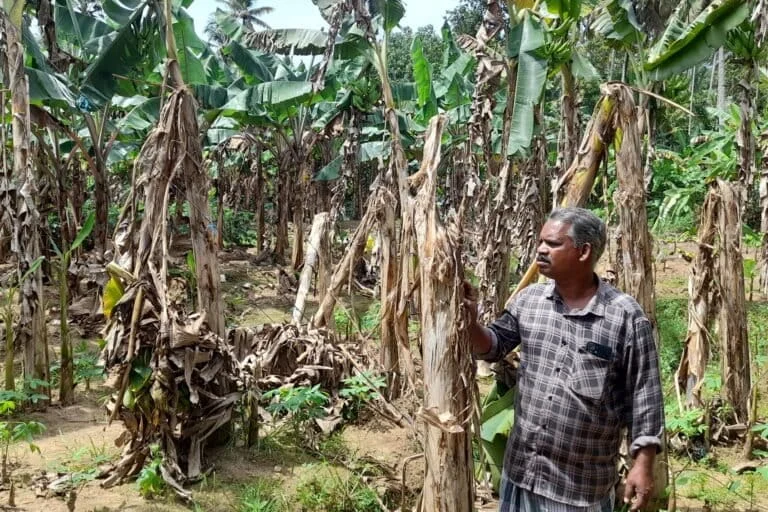
THIRUVANANTHAPURAM — On August 16, the dawn of the ten-day Onam festival, 72-year-old P. Vijayalakshmi did something she had never done in seven decades of celebrating Kerala’s most cherished harvest festival. Instead of waking at 4:00 AM to begin the laborious process of preparing the Onasadhya—the traditional multi-course vegetarian feast—she walked to a local restaurant to collect a pre-ordered “packet feast.”
“Every Onam, I would prepare at least twenty dishes using vegetables I grew on my own land,” Vijayalakshmi said, her voice tinged with a mix of resignation and nostalgia. “But this year, the crops perished in the torrential rains. I had no choice but to follow the trend.”
Vijayalakshmi’s personal shift mirrors a broader, more systemic crisis. Onam, a festival historically rooted in agricultural abundance and the celebration of the southwest monsoon’s conclusion, is being fundamentally reshaped by climate change. As erratic weather patterns destroy local crops, the "harvest" festival is increasingly characterized by imported produce, skyrocketing prices, and the rise of the commercialized "packet feast."

Main Facts: An Agrarian Festival Without a Harvest
The essence of Onam lies in its connection to the earth. It marks the time when the annual paddy is harvested, and the state’s fertile soil yields a bounty of tubers, plantains, and local vegetables. Traditionally, the start of the festival is signaled by a flurry of temporary roadside stalls selling fresh, local agricultural products.
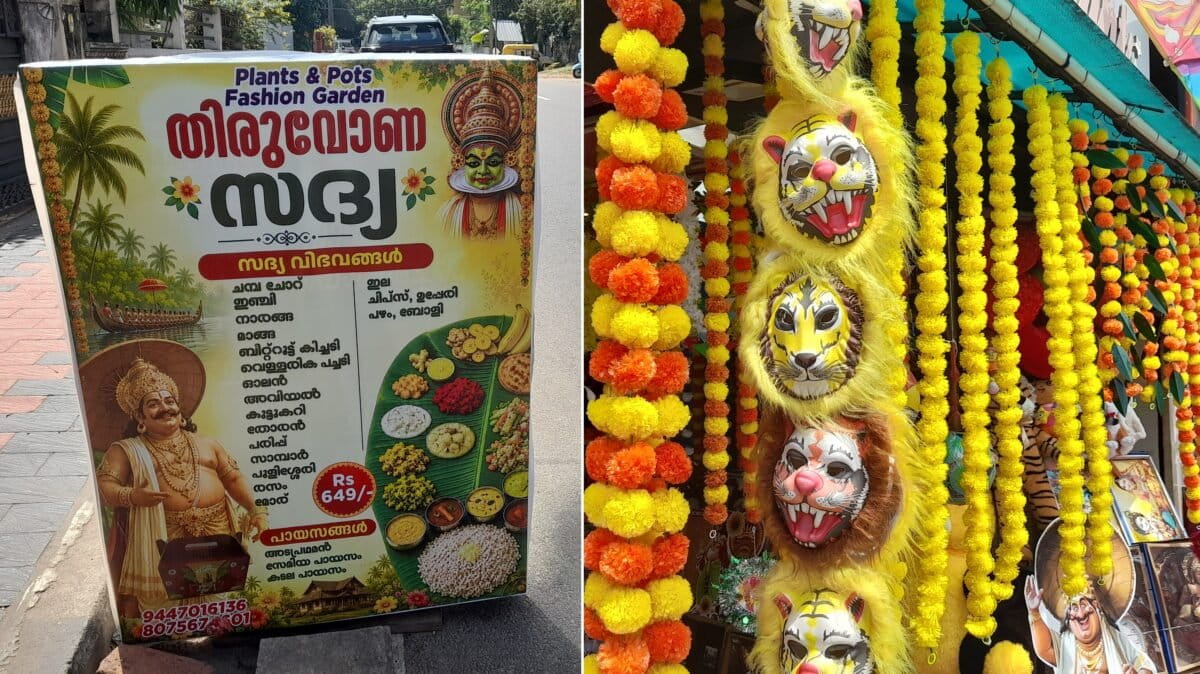
This year, however, the landscape of the festival has shifted from the farm to the storefront. In Thiruvananthapuram and across the state, hotels and restaurants capitalized on the local agricultural deficit, selling "packet sadhyas" for anywhere between ₹250 and ₹1,000. While convenient for the urban middle class, these packets represent a breakdown in the traditional socio-ecological cycle of the state.
The crisis is rooted in a volatile monsoon. According to the Kerala Department of Agriculture Development and Farmers’ Welfare, the state has seen a staggering impact on its farming community. Initial assessments indicate that over 45,904 farmers have been affected by recent floods and heavy winds. The economic toll is equally harrowing; as of August 9, preliminary estimates placed agricultural losses at approximately ₹127 crore ($1.2 billion), though veteran farmers argue that the long-term ecological and psychological damage cannot be quantified by a ledger alone.
Chronology: From Deficit to Deluge
The 2026 monsoon season in Kerala has been a study in meteorological extremes, leaving farmers unable to rely on centuries-old traditional knowledge.

- June to July 2026: The season began with a worrying dry spell. During the peak of the southwest monsoon (June 1 to August 15), Kerala recorded a rainfall deficit of 23%. Total rainfall dropped from the long-term average of 1,556.2 mm to just 1,213.2 mm. This "deficient" range (defined as -20% to -59% departure) led to delayed germination and stunted growth for many vegetable crops.
- August 2, 2026: The dry spell was violently interrupted by a period of torrential rainfall and high-velocity winds. In districts like Thiruvananthapuram, this sudden deluge proved fatal for plantain farms.
- Early August 2026: Continued heavy rains led to massive flooding in the "rice bowls" of Kerala—Alappuzha, Pathanamthitta, and Palakkad. Paddy fields that were nearing harvest were submerged, leading to widespread crop rot.
- August 16, 2026 (Atham): As the Onam festival officially commenced, the scarcity of local produce became a market reality, forcing consumers to turn to interstate imports and ready-to-eat meals.
Supporting Data: The Economic Toll on the Supply Chain
The impact of these weather fluctuations is most visible in the procurement and pricing data. Sangamaithri Farmers Producer Company Ltd, a collective of over 2,000 farmers in Thiruvananthapuram, serves as a bellwether for the state’s agricultural health.
V. Manoharan Chettiyar, CEO of Sangamaithri, reported a drastic decline in volume. “Last Onam, we were procuring around 11 tonnes of bananas daily to meet the festival demand. This year, we are struggling to receive even one tonne,” he noted. This 90% drop in local procurement has forced a reliance on neighboring states like Tamil Nadu and Andhra Pradesh.
According to E.S. Biju, Secretary of the Kerala Vyapari Vyavasayi Samathi (a traders’ rights organization), this supply vacuum has triggered a sharp inflationary spike. Compared to the previous year’s festival season:
- Vegetable and Rice prices: Increased by approximately 30%.
- Nendran Bananas: Prices surged by 100%.
- Coconut Oil: Prices rose by 25%.
The flower market, essential for the creation of Pookalams (floral carpets), told a similar story. While the area under flower cultivation in Thiruvananthapuram actually grew from 216.82 hectares in 2024 to 221.5 hectares in 2025, the heavy August rains damaged the blooms. Consequently, the price of marigolds rose from ₹100 per kg last year to ₹150 this year. To compensate, Kerala was forced to import an estimated 150 tonnes of flowers from the Thovalai market in Tamil Nadu—up from 100 tonnes last year.
Official Responses and the Struggle for Adaptation
State officials have acknowledged the severity of the crisis while highlighting the long-term decline of traditional farming. T. Siddique, the State Agriculture Minister, confirmed that the August floods were particularly devastating for the paddy sector.
The government’s data reveals a concerning trend: the area under rice cultivation in Kerala has plummeted from a peak of 881,000 hectares in the mid-1970s to less than 200,000 hectares in the 2022-23 period. While the state has managed to keep production levels somewhat stable by doubling productivity (kg per hectare), the shrinking land footprint makes the remaining crops more vulnerable to localized climate shocks.
A recent study focused on the Bharathapuzha river basin warned that the increasing frequency of both floods and droughts necessitates urgent adaptation strategies. Proposed measures include:
- Canal Rehabilitation: Improving drainage to prevent waterlogging during flash floods.
- Micro-irrigation: Ensuring crop survival during increasingly frequent dry spells in June and July.
- Climate-Resilient Seeds: Prioritizing varieties that can withstand submerged conditions or high salinity.
However, the implementation of these measures faces a significant hurdle: cost. Vinu A. Muthukuzhi, a farmer in Kalliyoor whose plantain farm was decimated on August 2, pointed out the financial impossibility for smallholders. “We are farming on leased land after taking loans from private moneylenders at high interest rates. Most adaptation methods impose even more financial constraints. No small farmer can bear this alone,” he said.

Implications: Cultural Erosion and Future Risks
The transformation of Onam from a community-based harvest celebration to a commercialized consumption event has profound cultural implications. The "packet feast" and the appearance of plastic flowers in market stalls signify a thinning of the bond between the Malayali people and their land. When the Pookalam is made of plastic and the Sadhya comes from a factory, the festival loses its status as a celebration of nature’s bounty.
Meteorologists warn that this year’s disruptions may be a precursor to a harsher 2027. M.G. Manoj, a meteorologist at the Cochin University of Science and Technology (CUSAT), noted that the current climate system is being exacerbated by a strong El Niño effect.
“If Kerala doesn’t receive sufficient rainfall in the tail end of August and September, it will have a direct impact on groundwater recharge,” Manoj warned. “This could lead to a severe drought next summer, potentially mirroring the devastating conditions the state experienced in 2015-16.”
For farmers like R.P. Balachandran Nair, who grows over 20 varieties of vegetables, the "new normal" of climate change has rendered the traditional harvest calendar obsolete. “Climate change is delaying germination and flowering. I can only harvest after the Onam season is over, when the market prices will have crashed,” he lamented.

As the ten days of Onam conclude, the state is left to grapple with a sobering reality: the king Mahabali may return every year according to legend, but the lush, predictable environment that once welcomed him is rapidly disappearing. Without significant investment in climate adaptation and a stabilization of the agricultural sector, the traditional Onam feast may soon become a relic of the past, replaced permanently by the convenience of the plastic packet.
