

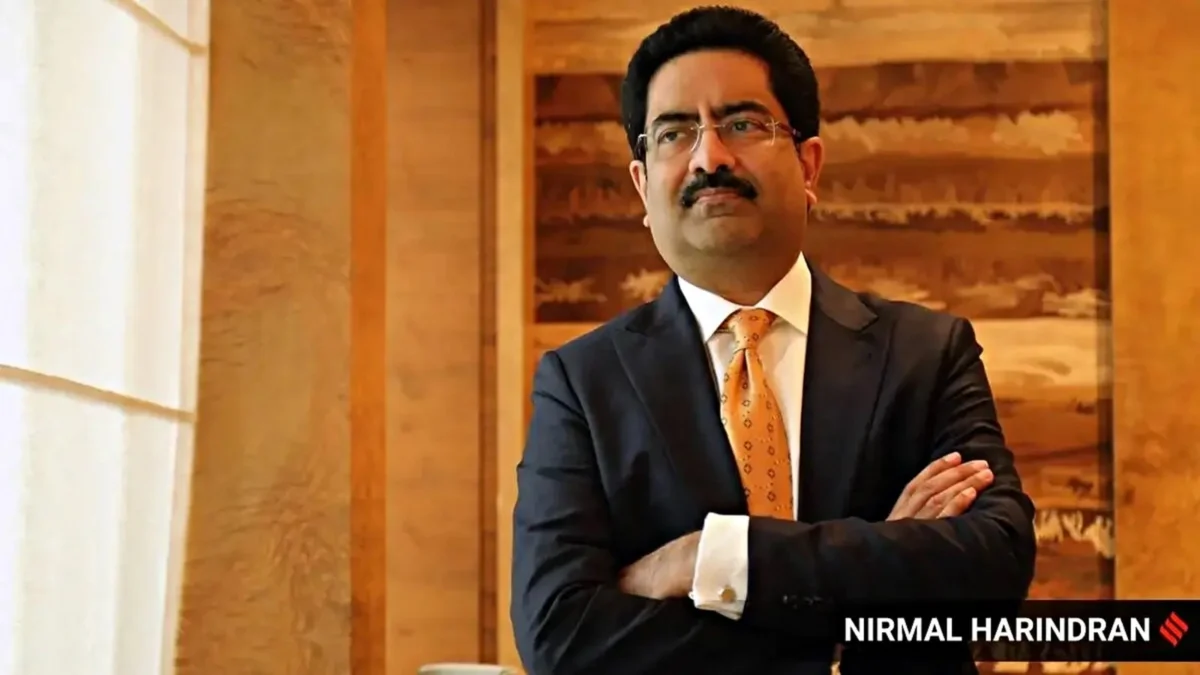
In an era where the lifestyles of the ultra-wealthy are often associated with opulence, excess, and exotic culinary experiences, Kumar Mangalam Birla, the 58-year-old Chairman of the Aditya Birla Group, offers a striking counter-narrative. During a recent appearance on the popular YouTube podcast hosted by entrepreneur Nikhil Kamath, the industrialist revealed a dietary regimen characterized by its startling simplicity and discipline.
Birla’s revelation—that he identifies as a "frugal eater" who prioritizes "simple food"—has sparked a broader conversation regarding the intersection of high-performance leadership, metabolic health, and the philosophy of mindful consumption. This article explores the specifics of Birla’s routine, the nutritional science supporting his choices, and the broader implications for corporate wellness in a high-stress world.
I. Main Facts: The "Birla Diet" and the Philosophy of Simplicity
Kumar Mangalam Birla’s approach to nutrition is built on the foundation of moderation and consistency. Despite overseeing a global conglomerate with interests ranging from metals to fashion, his daily intake reflects a minimalist ethos.
The Daily Blueprint
According to his conversation with Nikhil Kamath, Birla’s diet is structured around small, frequent intervals rather than large, heavy sittings. His typical daily intake includes:
- Breakfast: A two-egg omelette, providing high-quality protein and essential fats to kickstart cognitive function.
- Mid-Day: A light soup around 12:00 PM, serving as a hydrating bridge between breakfast and later meals.
- Dinner: A traditional, vegetable-forward meal consisting of bhindi (okra) and paneer (Indian cottage cheese).
- Snacking Philosophy: He prefers small meals spread throughout the day to maintain steady energy levels.
- The "Human" Element: Despite his discipline, Birla admits to a "sweet tooth," specifically a fondness for chocolate, proving that his "frugality" is about balance rather than total deprivation.
Key Philosophical Pillars
Birla’s dietary choices are guided by two main principles:
- Frugality: Not in the sense of poverty, but in the sense of intentionality—eating only what is necessary for the body to function optimally.
- Simplicity: Avoiding overly processed or complex gourmet dishes in favor of familiar, easily digestible staples.
II. Chronology: From Industrial Titan to Wellness Influencer
The public’s insight into Birla’s personal habits is a relatively recent phenomenon, coinciding with a shift in how India’s business elite interact with the public through digital media.
- The Early Years (1995–2010): Following the untimely passing of his father, Aditya Vikram Birla, Kumar Mangalam took the reins of the group at age 28. During this period of aggressive expansion and consolidation, his public image was strictly focused on business metrics and industrial growth.
- The Rise of Executive Wellness (2010–2020): As global trends shifted toward "biohacking" and executive longevity, more Indian leaders began discussing their fitness routines. Birla, known for his lean physique and composed demeanor, became a silent exemplar of this trend.
- The Podcast Revelation (2024–2026): The conversation on Nikhil Kamath’s podcast marked a significant moment of transparency. By detailing his specific meals—bhindi and paneer—Birla humanized the role of a billionaire, suggesting that peak performance is fueled by the same humble ingredients found in the average Indian household.
- Current Impact: His comments have since been analyzed by nutritionists and fitness experts, turning a casual podcast anecdote into a case study for "mindful eating" in the corporate world.
III. Supporting Data: The Science of Small Meals and Frugal Eating
Nutritionists and clinical experts suggest that Birla’s "frugal" approach aligns with several scientifically backed health benefits.
1. Glycemic Control and Energy Regulation
By consuming small meals throughout the day, an individual can avoid the "blood sugar roller coaster." Large, carbohydrate-heavy meals cause a sharp spike in insulin, followed by a "crash" that leads to post-meal sluggishness—often referred to as postprandial somnolence. Birla’s choice of a protein-rich breakfast (eggs) and a fiber-rich dinner (bhindi) ensures a slow release of glucose into the bloodstream, maintaining mental clarity for high-level decision-making.
2. The Benefits of "Simple" Foods
- Okra (Bhindi): Rich in dietary fiber, Vitamin C, and antioxidants. It is known to support digestive health and help manage blood sugar levels.
- Paneer: A primary source of casein protein for vegetarians, which is slow-digesting and provides a sustained release of amino acids, aiding muscle maintenance and satiety.
- Eggs: Often called "nature’s multivitamin," eggs contain choline, which is essential for brain health and neurotransmitter function.
3. Satiety Recognition
Clinical studies on "mindful eating" show that individuals who eat smaller portions with higher frequency often develop better "satiety recognition." This means the body becomes more adept at signaling when it is truly full, preventing the chronic overeating that leads to metabolic syndrome and obesity.
IV. Official Responses: Expert Analysis on the "Birla Approach"
Consultant dietitian and fitness expert Garima Goyal provided a deep dive into the clinical implications of Birla’s dietary habits. Her analysis highlights both the strengths of his routine and the caveats that the general public should consider.
On the Concept of Frugality
"What is particularly interesting is the concept of frugality in eating, which is not about deprivation but about eating with awareness," Goyal notes. "Many long-term healthy eating patterns across cultures are built on moderation rather than constant abundance. This naturally reduces overeating and improves satiety recognition."
On Meal Frequency vs. Meal Quality
Goyal warns that while Birla’s "small meal" strategy works for him, it is not a universal panacea. "Meal quality remains more important than meal size alone. Small meals that are low in protein or fiber may still leave a person unsatisfied and prone to frequent snacking." In Birla’s case, the inclusion of eggs and paneer ensures that his small meals are nutrient-dense.
On Metabolic Individuality
A critical takeaway from Goyal’s response is the importance of "metabolic individuality." She explains, "While some people feel better with smaller frequent meals, others may thrive on three larger, balanced meals. The ideal pattern depends on lifestyle, medical history, activity level, and hunger response."
Goyal concludes that Birla’s statement reflects a vital "mindset shift away from excess consumption," emphasizing that "eating less is not the goal—eating mindfully and appropriately for your body is."
V. Implications: Leadership, Corporate Culture, and the "Less is More" Trend
Birla’s dietary philosophy carries weight far beyond the dining table. It reflects a growing trend in global leadership where "discipline" is viewed as the ultimate luxury.
1. Redefining Success
For decades, success was signaled by "the big steak dinner" or expensive, rare delicacies. Birla’s preference for bhindi and paneer signals a shift where health-span (the number of years lived in good health) is the new status symbol. In the high-stakes world of global industry, a sharp mind is the most valuable asset, and Birla’s diet is designed to protect that asset.
2. Combating Decision Fatigue
By keeping his food "pretty simple," Birla eliminates "decision fatigue." Many successful CEOs, such as Steve Jobs or Mark Zuckerberg, adopted a "uniform" for their wardrobe to save mental energy for important decisions. Birla appears to have applied this logic to his plate. When dinner is a known, healthy quantity, the brain is free to focus on more complex problems.
3. The Influence on Corporate Wellness
As the head of a company with over 187,000 employees, Birla’s personal habits often trickle down into the corporate culture. His advocacy for simplicity and moderation may encourage a shift in corporate catering and wellness programs, moving away from heavy buffet lunches toward lighter, more nutritionally balanced options that support productivity rather than lethargy.
4. A Model for Aging Gracefully
At 58, Birla is in a demographic where metabolic health becomes a primary concern. His routine offers a blueprint for aging without the typical weight gain and energy loss associated with mid-to-late career stages. By maintaining a "frugal" intake, he manages his caloric balance while ensuring his body receives the micronutrients necessary for longevity.
Conclusion: The Power of the Simple Plate
Kumar Mangalam Birla’s dietary revelations serve as a powerful reminder that in an age of complexity, simplicity is often the most sophisticated choice. By embracing "frugality" and "simplicity," he has created a nutritional framework that supports the immense pressures of leading a global empire.
While his specific menu of eggs, soup, and bhindi may not be the perfect fit for everyone, the underlying principles—portion control, protein-rich choices, and mindful indulgence—are universal. As the expert Garima Goyal suggests, the goal isn’t to eat less, but to eat with a level of awareness that respects the body’s actual needs. In the case of Birla, it seems that less truly is more.
DISCLAIMER: This article is based on information from the public domain and/or the experts quoted. Always consult your health practitioner before starting any new dietary or fitness routine.
