

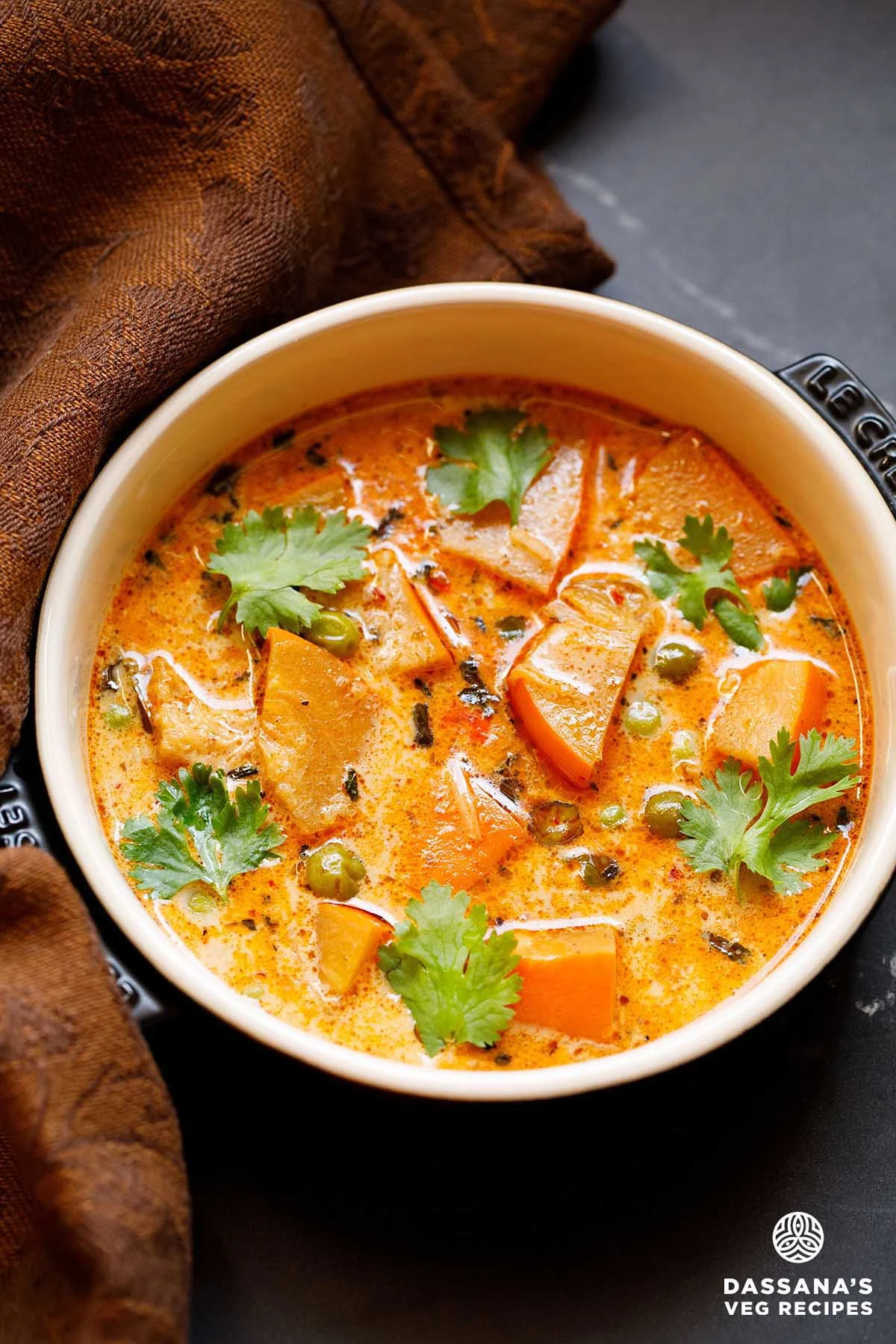
In the evolving landscape of global cuisine, few dishes encapsulate the harmony of sweetness, heat, and creaminess as effectively as Thai-style pumpkin curry. Known traditionally in its homeland as Gaeng Fak Thong, this coconut-milk-based delicacy has transitioned from a rustic Southeast Asian staple to a centerpiece of international plant-based nutrition. As diners increasingly seek out functional foods that do not compromise on complex flavor profiles, the pumpkin curry stands out as a masterclass in aromatic layering and textural balance.
The following report examines the structural components, nutritional significance, and cultural implications of this dish, based on recent culinary data and traditional preparation methods.
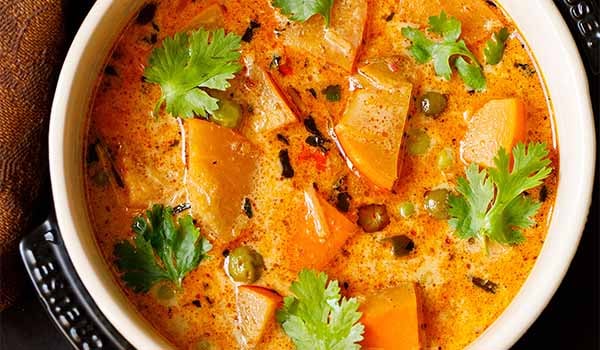
I. Main Facts: The Anatomy of Gaeng Fak Thong
At its core, Thai-style pumpkin curry is a sophisticated emulsion of fat-soluble aromatics and water-based vegetable essences. Unlike many Western stews that rely on long-simmered meat stocks for depth, Gaeng Fak Thong derives its "umami" from a combination of fermented or salted plant bases and a high concentration of phytochemicals found in fresh herbs.
The Flavor Profile
The dish is defined by a "quadrant of taste":
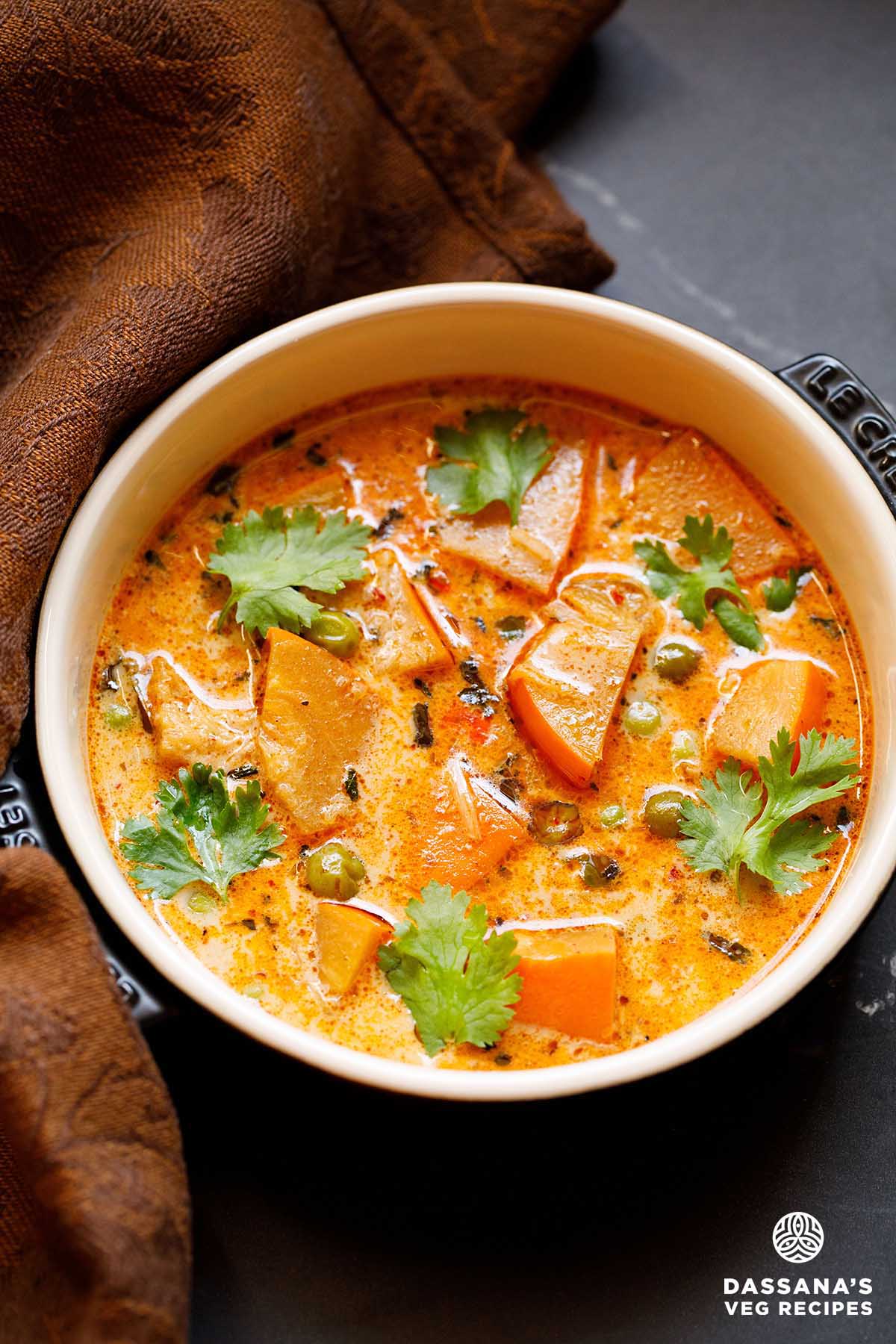
- Sweetness: Derived naturally from the caramelization of pumpkin sugars during the simmering process.
- Spiciness: Provided by capsaicin-rich bird’s eye chilies and the concentrated heat of red curry paste.
- Savory (Umami): Achieved through the inclusion of soy sauce (a vegan-friendly alternative to the traditional fish sauce) and the deep-fried notes of sautéed curry paste.
- Aromatic/Citrus: Delivered via the volatile oils in lemongrass and kaffir lime leaves.
Flexibility and Adaptation
One of the primary reasons for the dish’s global proliferation is its adaptability. While red curry paste is the standard foundation, culinary experts note that the dish maintains its integrity when paired with Panang, Green, or Massaman pastes. This flexibility allows home cooks and professional chefs alike to adjust the heat levels and flavor nuances according to regional preferences.
II. Chronology: The Lifecycle of a Perfect Simmer
The preparation of a Thai-style pumpkin curry follows a precise chronological sequence designed to maximize the extraction of essential oils and ensure the structural integrity of the vegetables.
Phase 1: The Sauté (The "Blooming" Stage)
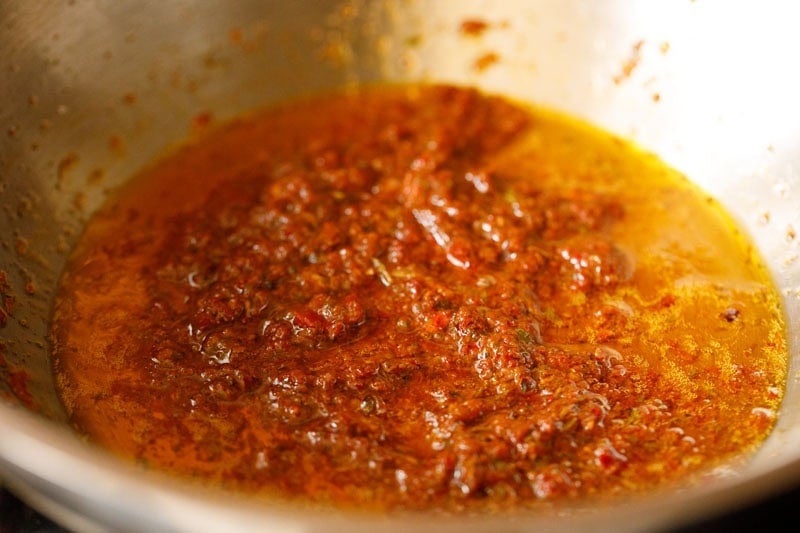
The process begins with the heating of coconut oil—a choice fat due to its high smoke point and flavor compatibility. The red curry paste is sautéed for approximately one to two minutes. This step, known as "blooming," is critical; it allows the oil-soluble flavors in the dried chilies, galangal, and lemongrass within the paste to release their full aromatic potential. Success in this stage is indicated by the oil beginning to separate from the paste, a sign that the moisture has evaporated and the spices are toasting.
Phase 2: Integration of Hard Vegetables
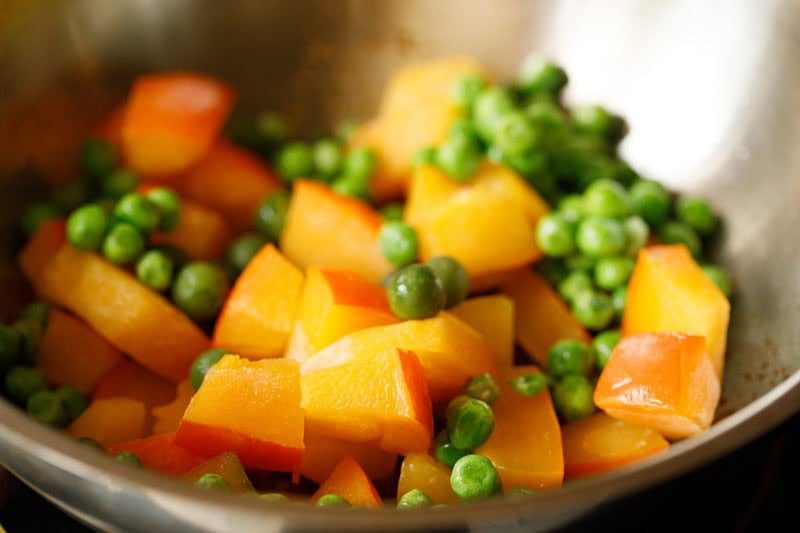
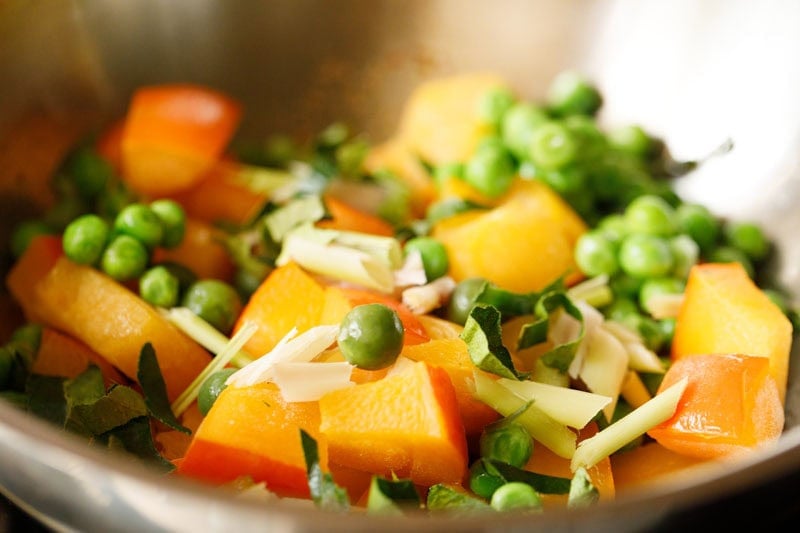
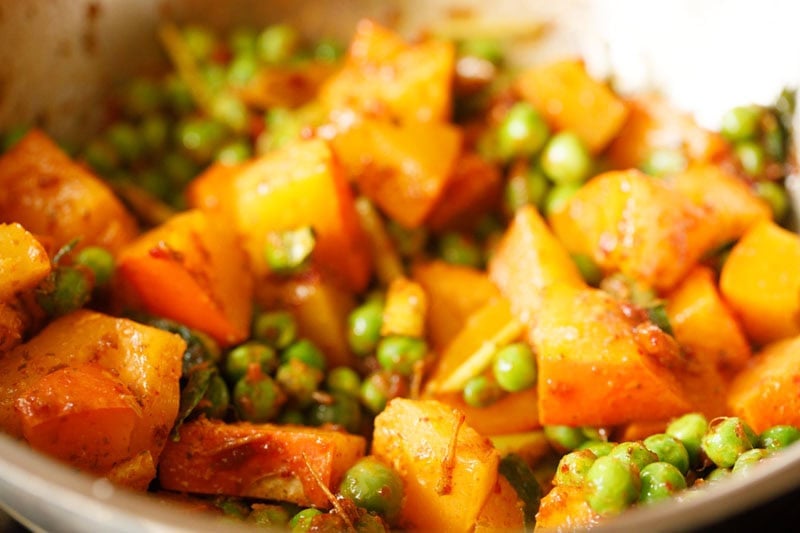
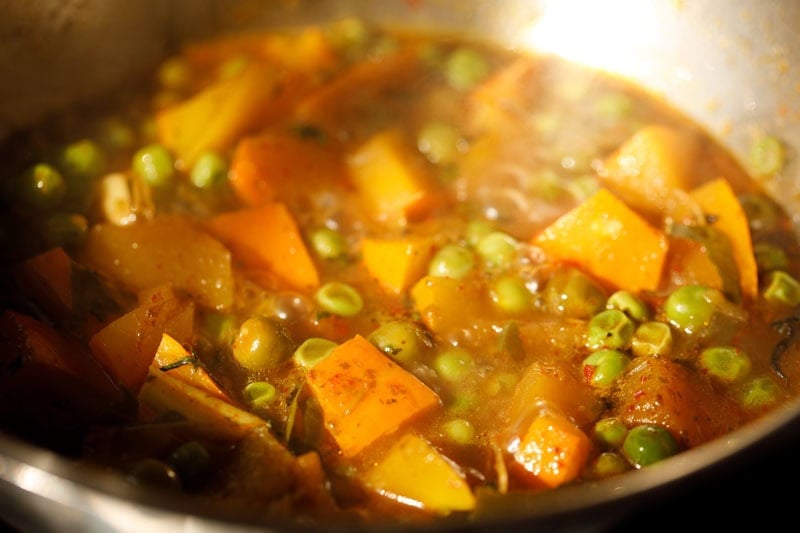
Once the base is fragrant, the "hard" ingredients are introduced. This includes approximately 200 grams of chopped pumpkin, pea eggplants, and green peas. The pumpkin may be peeled or unpeeled; keeping the skin on provides an earthy contrast and helps the cubes maintain their shape during the cooking process. These ingredients are tossed in the hot paste to ensure a thorough coating of spice before any liquid is added.
Phase 3: The Water Simmer
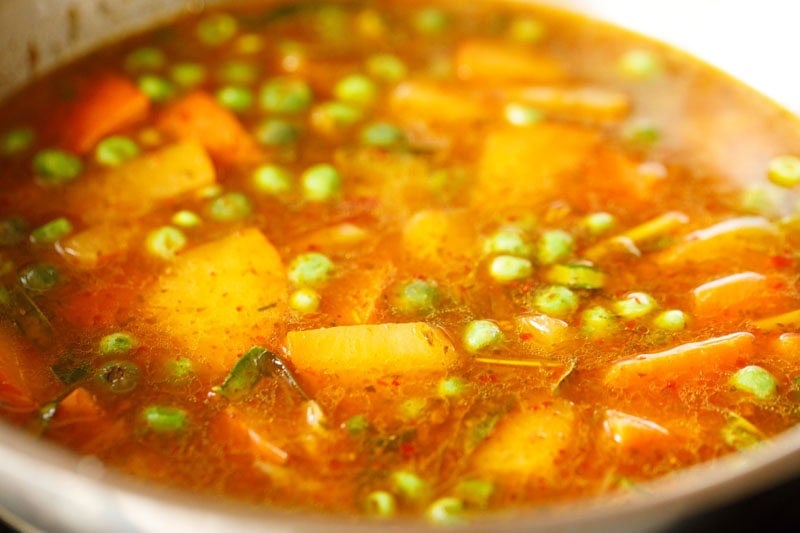
Water (roughly 1.25 to 1.5 cups) is added to the pan. The curry is then covered and simmered on medium-low heat. This phase typically lasts 10 to 15 minutes. The objective is to reach a "fork-tender" state without crossing the threshold into mushiness. If the pumpkin pieces are larger or if the peel is intact, this stage may extend to 20 minutes.
Phase 4: The Finishing Emulsion
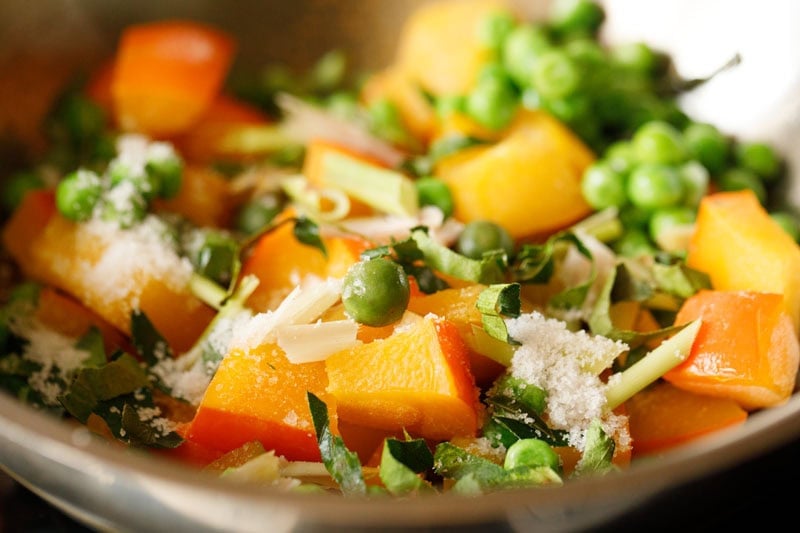
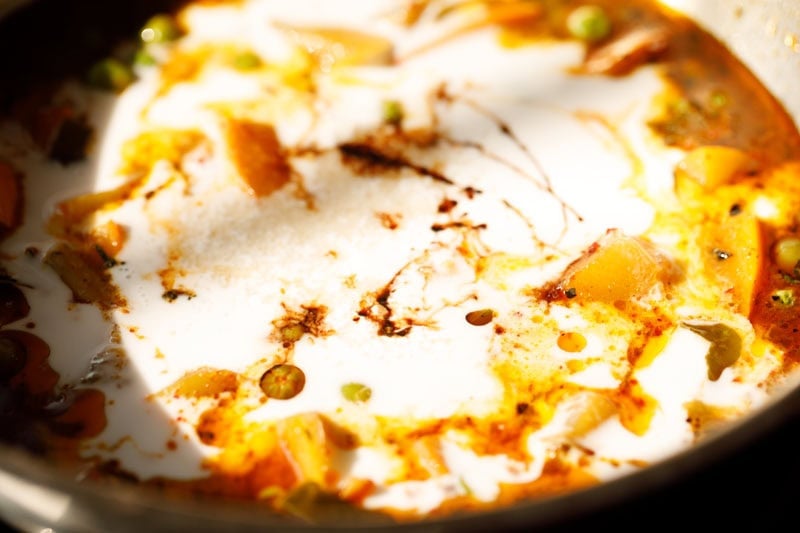
Once the pumpkin is cooked, the heat is reduced or extinguished to prevent the coconut milk from curdling. Canned or thick homemade coconut milk is stirred in, along with soy sauce and sugar. The curry is then gently reheated until it reaches a near-boil. The final touch involves the addition of fresh Thai basil or cilantro, which adds a bright, herbaceous finish that cuts through the richness of the coconut fat.
III. Supporting Data: Nutritional and Chemical Analysis
The health profile of Thai pumpkin curry is a significant factor in its popularity among health-conscious demographics. Based on a standard four-serving analysis, the dish provides a dense array of micronutrients within a moderate caloric framework.
Nutritional Breakdown (Per Serving)
- Calories: 234 kcal
- Total Fat: 20g (Saturated Fat: 17g)
- Carbohydrates: 13g (Fiber: 2g, Sugar: 4g)
- Protein: 3g
- Vitamin A: 6741 IU (Over 130% of the Daily Value)
The Science of the Ingredients
- Beta-Carotene: The high Vitamin A content is primarily due to the pumpkin. Beta-carotene is a potent antioxidant that the body converts into retinol, essential for vision and immune function.
- Medium-Chain Triglycerides (MCTs): The saturated fat in the dish comes largely from coconut milk. Unlike long-chain fatty acids, MCTs are metabolized more rapidly by the liver, potentially providing a quicker source of energy.
- Capsaicin: The bird’s eye chilies provide more than just heat; capsaicin is known for its thermogenic properties and its ability to trigger the release of endorphins.
- Citral and Limonene: Found in lemongrass and kaffir lime, these compounds have been studied for their anti-inflammatory and antimicrobial properties.
IV. Official Responses: Expert Culinary Perspectives
To better understand the impact of this dish on the modern palate, we consulted with culinary historians and professional chefs specializing in Southeast Asian cuisine.
Chef Ananda Gupta, a specialist in Asian Fusion, states:
"The beauty of the Thai pumpkin curry lies in its structural simplicity. It is a ‘one-pot’ wonder that utilizes the pumpkin not just as a filler, but as a thickener. As the edges of the pumpkin soften, they dissolve slightly into the coconut milk, creating a natural creaminess that reduces the need for heavy dairy or artificial thickeners. It is a perfect example of functional cooking."
Nutritionist Dr. Elena Rossi comments on the dish’s dietary versatility:
"We are seeing a massive shift toward plant-based diets, but the challenge is often ‘palatability fatigue.’ Thai pumpkin curry solves this. It provides high satiety due to the healthy fats in the coconut milk and a massive dose of Vitamin A. By substituting soy sauce for fish sauce, it becomes accessible to the vegan community without losing the essential umami component."
Culinary Anthropologists also note that the recommendation to serve the dish with either jasmine rice (Thai tradition) or roti (Indian influence) highlights the dish’s role as a bridge between cultures. The use of roti transforms the meal into a fusion experience, illustrating the porous nature of modern culinary borders.
V. Implications: Sustainability and the Future of Food
The rise of Thai-style pumpkin curry carries broader implications for the global food industry and environmental sustainability.
1. The Plant-Forward Movement
As the environmental cost of meat production becomes a central concern for consumers, dishes like Gaeng Fak Thong provide a roadmap for "meatless" meals that feel indulgent. The pumpkin serves as a substantial "meat analogue" in terms of mouthfeel and satisfaction, proving that plant-based options can be the primary focus of a meal rather than a secondary side dish.
2. Localization of Exotic Flavors
The "Recipe Tips" associated with this dish emphasize that while Thai ingredients are ideal, the recipe can be adapted with what is available at home. This democratization of flavor allows the core principles of Thai cooking—the balance of the four tastes—to be applied to local produce in various parts of the world, reducing the carbon footprint associated with importing specific vegetables.
3. Preservation of Heirloom Ingredients
The inclusion of Thai pea eggplants and bird’s eye chilies in mainstream recipes encourages the cultivation of diverse crop varieties. As these ingredients become "staples" in international kitchens, they help preserve agricultural biodiversity.
4. Storage and Waste Reduction
The dish’s ability to be stored and reheated (keeping for up to 24 hours in airtight conditions) speaks to the modern need for "meal prepping" and waste reduction. The fact that the flavors often deepen after a day of refrigeration makes it an ideal candidate for sustainable home cooking.
Conclusion
Thai-style pumpkin curry is more than a simple recipe; it is a sophisticated intersection of traditional Thai herbology, modern nutritional science, and global culinary fusion. With its high Vitamin A content, rich antioxidant profile, and adaptable nature, it represents the future of plant-based dining—a future where health and heritage simmer together in a single, golden pot. Whether served in a high-end Bangkok restaurant or a home kitchen in Mumbai or New York, Gaeng Fak Thong remains a testament to the enduring power of well-balanced, aromatic cuisine.
