

By [Your Name/Publication Name]
Published: December 27, 2025, 02:22 pm IST
As the curtain draws on 2025, India’s vibrant art and design ecosystem stands as a testament to a year of innovation, introspection, and a deepening commitment to its rich heritage. From the catwalks echoing with the whispers of sustainable craftsmanship to the culinary world celebrating time-honored flavors, the nation has showcased a remarkable evolution. This year has been a pivotal moment, marked by a conscious shift towards indigenous narratives, ethical practices, and a renewed appreciation for artistry that resonates with both tradition and modernity.
This comprehensive review delves into the key trends and dominant forces that have shaped India’s creative landscape throughout 2025. We explore the burgeoning movement of craft-focused fashion, its embrace of native designs and unwavering dedication to sustainability. Beyond the visual arts, we seek wisdom from leading experts across diverse fields, uncovering the habits that should be shed as we step into 2026 and the transformative practices that should be embraced. The culinary realm, a cornerstone of Indian culture, is examined through the lens of its most celebrated meals, while the ever-evolving cafe culture, the pulse of the automotive sector, the evolving aesthetics of home interiors, and the dynamics of the real estate market are all put under the microscope. Furthermore, we engage with influential figures to glean insights from their literary journeys and highlight books that have pushed boundaries with their diverse themes and compelling narratives.
Dominant Forces in India’s Art and Design Ecosystem in 2025
The year 2025 has witnessed a significant consolidation of certain creative currents, solidifying their presence and influence across various sectors. A primary narrative has been the ascendancy of craft-centric design, a movement that has moved beyond niche appeal to become a mainstream phenomenon. This trend is characterized by a profound respect for traditional artisanal techniques, materials, and motifs, reimagined for a contemporary audience. We’ve seen a resurgence of interest in handloom weaving, intricate embroidery, natural dyeing, and traditional pottery, not merely as decorative elements, but as integral components of design philosophy.
Closely intertwined with this is the powerful surge of sustainability. In 2025, sustainability in India’s creative industries has moved beyond mere buzzword to a foundational principle. This manifests in various forms: the utilization of eco-friendly and recycled materials, the adoption of zero-waste production methods, and a conscious effort to minimize the environmental footprint of design and manufacturing processes. Designers are increasingly prioritizing ethical sourcing, fair labor practices, and a circular economy model, reflecting a growing awareness of the social and environmental impact of their work.
Another defining characteristic of 2025 has been the celebration of indigenous narratives and native design. There has been a deliberate and powerful move to reclaim and recontextualize traditional Indian aesthetics, moving away from colonial influences and embracing a more authentic and self-defined visual language. This is evident in the revival of regional art forms, the incorporation of local folklore and symbolism into contemporary designs, and a greater emphasis on storytelling that is rooted in Indian history and culture. This has not only enriched the creative output but also fostered a sense of cultural pride and identity.
Fashion: A Fusion of Craft, Sustainability, and Native Identity
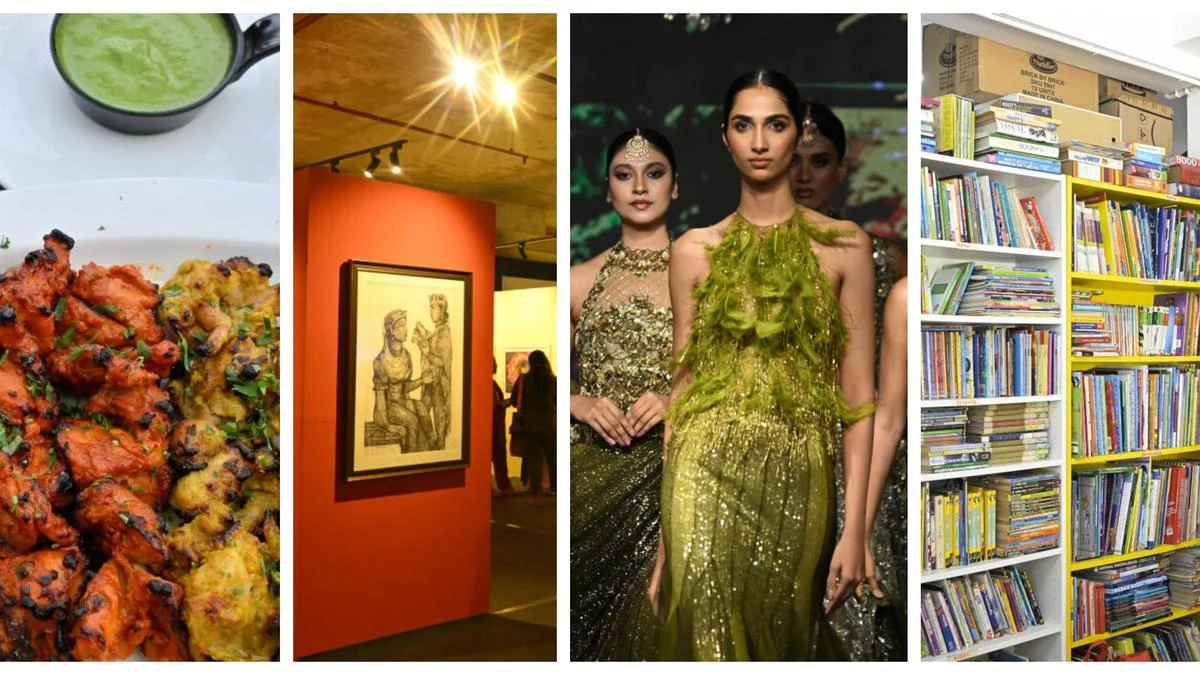
The Indian fashion landscape in 2025 has been a vibrant canvas where tradition meets innovation, with a pronounced emphasis on craft-focused pieces that champion native designs and sustainability. The runways and retail spaces have been abuzz with collections that celebrate the intricate artistry of Indian textiles and crafts.
Key Trends and Highlights:
- The Revival of Handloom: From the intricate weaves of Banarasi silk to the rustic charm of Khadi, handloom textiles have experienced a remarkable renaissance. Designers have skillfully integrated these traditional fabrics into modern silhouettes, creating garments that are both timeless and contemporary. The emphasis has been on showcasing the inherent beauty and craftsmanship of these textiles, often through minimalist designs that allow the fabric to speak for itself.
- Artisanal Embroidery Takes Center Stage: Intricate embroidery techniques, passed down through generations, have been a focal point of many collections. From the delicate Chikankari of Lucknow to the vibrant Phulkari of Punjab and the detailed Zardozi, artisans have been given a prominent platform. Designers have collaborated directly with craft clusters, ensuring fair compensation and preserving these invaluable skills.
- Natural Dyes and Eco-Conscious Materials: The adoption of natural dyes derived from plants, minerals, and even food waste has become increasingly prevalent. This move away from harsh chemical dyes aligns with the growing demand for sustainable fashion. Furthermore, the use of organic cotton, hemp, bamboo, and recycled fabrics has gained significant traction, reflecting a conscious effort to reduce environmental impact.
- Storytelling Through Design: Fashion in 2025 has been more than just aesthetics; it has been about narrative. Designers have woven stories of rural communities, ancient traditions, and environmental consciousness into their collections. This has created a deeper connection between the wearer and the garment, fostering a sense of purpose and responsibility.
- The Rise of Conscious Consumers: The Indian consumer, particularly the younger demographic, has become increasingly discerning and environmentally aware. They are actively seeking out brands that align with their values, prioritizing ethical production, sustainable practices, and authentic craftsmanship. This shift in consumer behavior has been a powerful catalyst for the growth of craft-focused and sustainable fashion.
Supporting Data: Reports from industry bodies indicate a significant increase in sales for brands that explicitly highlight their use of handloom and natural materials. E-commerce platforms have also seen a surge in demand for ethically produced fashion, with searches for "sustainable Indian fashion" and "handcrafted clothing" reaching new heights. Collaborations between mainstream designers and artisan cooperatives have resulted in successful capsule collections that have garnered critical acclaim and commercial success.
Expert Insights: Habits for 2025 and Aspirations for 2026
As we stand on the cusp of a new year, a crucial aspect of progress lies in critically examining our habits – both personal and professional. We sought the perspectives of leading experts across various domains to identify the practices that held us back in 2025 and those that will propel us forward in 2026.
Habits to Let Go Of in 2025: A Collective Introspection
From a behavioral economics perspective, information overload and the resultant decision paralysis have been a significant hurdle in 2025. The constant barrage of news, social media updates, and digital notifications has made it challenging to focus on meaningful tasks and make well-informed decisions. Experts advise letting go of the compulsive need to be constantly connected and to cultivate digital detox periods.
In the realm of business and leadership, the habit of short-term thinking and the relentless pursuit of immediate gratification has been detrimental. This often leads to unsustainable strategies and a neglect of long-term vision. Leaders are encouraged to move away from this myopic approach and embrace a more patient and holistic perspective.
From a personal wellness standpoint, the pervasive habit of sedentary living and the prioritization of convenience over well-being has been a growing concern. The ease of digital entertainment and the demands of modern life have led to a decline in physical activity. Experts urge individuals to actively break free from this inertia.
In the creative industries, a tendency towards imitation and a fear of originality has sometimes stifled innovation. The pressure to conform to established trends can lead to a dilution of unique artistic voices. Letting go of this fear and embracing experimentation is crucial for genuine creative growth.
Habits to Adopt in 2026: Cultivating a Future-Forward Mindset
Looking ahead to 2026, experts advocate for the adoption of habits that foster resilience, adaptability, and continuous learning.
- Mindful Consumption: This extends beyond just material goods to encompass information and digital engagement. Cultivating a habit of mindful consumption will lead to more intentional choices and a greater sense of control.
- Embracing Lifelong Learning: The pace of change demands a commitment to continuous skill development and knowledge acquisition. This could involve formal education, online courses, or self-directed learning through reading and exploration.
- Prioritizing Well-being: Integrating regular physical activity, mindfulness practices, and adequate rest into daily routines will be paramount for sustained productivity and overall happiness.
- Fostering Collaboration and Empathy: In an increasingly interconnected world, the ability to collaborate effectively and empathize with diverse perspectives will be crucial for navigating complex challenges and building stronger communities.
- Championing Sustainable Practices: This habit should permeate all aspects of life, from personal choices to professional endeavors, ensuring a positive impact on the planet.
Culinary Chronicles: The Year’s Most Memorable Meals
The Indian culinary landscape in 2025 has been a vibrant exploration of both tradition and innovation. Chefs across the nation have pushed boundaries, yet the most profound experiences often lie in the rediscovery of authentic flavors and time-honored techniques. When asked about their most memorable meals of the year, a common thread emerged: meals that were not just about taste, but about the story, the people, and the place.
Insights from the Chefs:
Chef Ranveer Brar, a celebrated culinary storyteller, recounted a meal in a small village in Rajasthan. "It was a simple thali," he shared, "but the ‘dal baati churma’ was cooked in a traditional oven, imparting a smoky aroma I hadn’t experienced in years. The ‘gatte ki sabzi’ was made with a grandmother’s recipe, passed down orally. It wasn’t just food; it was a journey back in time, a connection to the land and its people."
Chef Vikas Khanna, known for his dedication to preserving culinary heritage, spoke of a seafood feast in Kerala. "We were on a small boat, miles from the coast," he described. "The fisherman had just caught the day’s bounty. We cooked it right there, with freshly grated coconut, local chilies, and a squeeze of lime. The freshness, the simplicity, the raw purity of the ingredients – it was an unforgettable symphony of flavors."
Chef Pooja Dhingra, a pioneer in the Indian pastry scene, highlighted a meal that transcended expectations. "It was a modern Indian tasting menu in Mumbai," she explained. "Each dish was a miniature work of art, a reinterpretation of classic Indian flavors with a contemporary twist. The dessert, a deconstructed ‘rasmalai’ with saffron espuma and cardamom pearls, was a revelation. It showed how tradition can be honored while embracing new techniques."
The consensus among chefs points to meals characterized by:
- Authenticity: A genuine expression of local ingredients and traditional cooking methods.
- Simplicity: The beauty of flavors that are not overshadowed by complex preparations.
- Storytelling: Meals that are imbued with cultural context, history, and personal narratives.
- Connection: The shared experience of food, often in intimate settings, fostering a sense of community.
- Freshness: The paramount importance of high-quality, locally sourced ingredients.
Supporting Data:
The rise of farm-to-table restaurants and the growing popularity of culinary tourism in India are strong indicators of this trend. Anecdotal evidence from food critics and bloggers consistently highlights meals that offer an authentic and immersive experience, often focusing on regional cuisines and heritage recipes. The demand for cooking classes that teach traditional Indian techniques has also seen a significant uptick.
The Evolving Landscape: Cafe Culture, Auto Trends, Home Interiors, and Real Estate
Beyond the more tangible artistic expressions, 2025 has seen significant shifts in the spaces where we live, socialize, and move.
Cafe Culture: More Than Just Coffee
The Indian cafe culture has evolved from mere caffeine pit stops to vibrant community hubs. In 2025, cafes have become extensions of living rooms, co-working spaces, and cultural venues.
- The Rise of Specialty Coffee and Artisanal Brews: Beyond the standard espresso, cafes are offering a wider array of single-origin coffees, pour-overs, and cold brews, catering to a more discerning palate.
- Foodie Havens: Cafes are increasingly doubling as eateries, offering curated menus of light meals, pastries, and healthy snacks, often with a focus on local ingredients.
- Community and Co-working Spaces: Many cafes have embraced the co-working trend, providing Wi-Fi, comfortable seating, and a conducive atmosphere for remote workers and freelancers.
- Thematic and Experiential Cafes: From board game cafes to pet-friendly establishments and art-themed spaces, the focus is on creating unique and engaging experiences for patrons.
Auto Trends: Sustainability and Smart Mobility
The automotive sector in 2025 has been heavily influenced by the global push towards sustainability and the integration of smart technology.
- Electric Vehicle (EV) Adoption Accelerates: Government incentives and increasing consumer awareness have fueled the growth of the EV market, with more manufacturers introducing a wider range of electric cars and bikes.
- Focus on Fuel Efficiency and Hybrid Technology: For internal combustion engine vehicles, the emphasis remains on improving fuel efficiency and the adoption of hybrid powertrains.
- Connected Car Technology: Features like advanced infotainment systems, navigation, and driver-assistance technologies are becoming standard, enhancing the driving experience and safety.
- Shared Mobility Solutions: Ride-sharing and car-pooling services continue to gain traction, offering convenient and cost-effective transportation alternatives.
Home Interiors: Comfort, Sustainability, and Personalization
The design of our living spaces in 2025 has reflected a desire for comfort, functionality, and a connection to nature, all while embracing sustainable practices.
- Biophilic Design: Incorporating elements of nature, such as indoor plants, natural materials, and ample natural light, has become a key trend, promoting well-being and a sense of calm.
- Multifunctional Spaces: With the rise of hybrid work models, homes are being designed with flexible spaces that can adapt to different needs, from home offices to relaxation zones.
- Sustainable Materials and Finishes: The use of eco-friendly paints, recycled wood, bamboo, and natural fabrics is gaining prominence.
- Personalization and Bespoke Furniture: Consumers are increasingly seeking unique pieces that reflect their individual style, leading to a demand for customized furniture and artisanal decor.
- Smart Home Integration: The adoption of smart home devices for lighting, temperature control, and security is becoming more widespread, enhancing convenience and energy efficiency.
Real Estate: Sustainable Development and Urban Renewal
The real estate market in 2025 has been shaped by a growing demand for sustainable living and a focus on urban renewal.
- Green Buildings and Sustainable Construction: Developers are increasingly investing in green building certifications and incorporating sustainable technologies into their projects.
- Mixed-Use Developments: The trend towards creating integrated living, working, and recreational spaces continues, fostering vibrant and self-sufficient communities.
- Affordable Housing Initiatives: Governments and private developers are collaborating to address the growing demand for affordable housing options.
- Revitalization of Older Neighborhoods: Urban renewal projects focused on redeveloping and modernizing older areas are creating new living and commercial opportunities.
- The Rise of Co-living Spaces: As a more affordable and community-oriented living option, co-living spaces are gaining popularity, particularly among young professionals.
Literary Journeys: Books That Defined 2025
The year 2025 has been a rich year for literature, with influential figures sharing their reading lists and a notable emergence of books exploring diverse themes and narratives. Engaging with these literary works offers a profound insight into the intellectual currents and societal dialogues of the year.
Influential Figures and Their Reads:
Acclaimed author Arundhati Roy revealed her reading for the year included "a deep dive into post-colonial theory and a rekindling of my love for poetry, specifically the works of Gieve Patel and K. Satchidanandan, whose verses continue to resonate with our times."
Renowned filmmaker Mira Nair shared, "This year, I’ve been drawn to narratives that explore the complexities of identity and belonging. Arundhati Virmani’s ‘The Other One’ and ‘A Girl’s Guide to the Indian Ocean’ by Sudeep Sen offered profound reflections on personal histories and global connections."
Tech entrepreneur and philanthropist Nandan Nilekani highlighted his engagement with books on artificial intelligence and its societal implications. "I’ve been particularly impressed by ‘The Age of AI’ by Henry Kissinger, Eric Schmidt, and Daniel Huttenlocher for its foresight, and ‘AI Superpowers’ by Kai-Fu Lee for its insights into the global race for AI dominance."
Books Exploring Diverse Themes and Narratives:
Beyond the personal recommendations, 2025 has seen a significant literary output that has challenged conventions and broadened perspectives.
- Identity and Belonging: A recurring theme in literature has been the exploration of evolving identities in a rapidly changing world. Books delving into diasporic experiences, intergenerational narratives, and the fluidity of gender and sexuality have gained prominence. These narratives often question traditional notions of home and belonging, reflecting a more nuanced understanding of self.
- Environmental Consciousness and Climate Fiction: With the growing urgency of climate change, literature has increasingly turned towards exploring ecological themes. This includes dystopian visions of environmental collapse, as well as hopeful narratives of resilience and sustainable living. Authors are using fiction to provoke thought and inspire action on environmental issues.
- Social Justice and Activism: The year has witnessed a strong presence of books that address pressing social justice issues, including caste discrimination, gender inequality, and the rights of marginalized communities. These works often serve as powerful calls to action, fostering empathy and encouraging dialogue.
- Historical Reinterpretations and Untold Stories: There has been a compelling trend of re-examining historical events and narratives from fresh perspectives. Books that shed light on forgotten voices, challenge established historical accounts, and explore the complexities of India’s past have resonated deeply with readers.
- Experimental Narratives and Genre Blending: Authors are increasingly experimenting with narrative structures, playing with form, and blending genres to create unique reading experiences. This includes the use of magical realism, speculative fiction, and non-linear storytelling to explore profound human experiences.
Supporting Data:
Literary award shortlists and longlists in 2025 have prominently featured books with these diverse themes. Bestseller lists have consistently included titles that engage with social commentary, environmental concerns, and explorations of identity. The growth of independent publishing houses and literary festivals dedicated to showcasing diverse voices further supports this trend.
Conclusion:
As 2025 draws to a close, India’s art and design ecosystem stands at a vibrant crossroads. The year has been a powerful affirmation of the nation’s commitment to its rich cultural heritage, its growing awareness of sustainability, and its embrace of innovative storytelling. The trends observed in fashion, food, culture, and literature all point towards a future where authenticity, consciousness, and a deep connection to our roots will continue to guide creative expression. As we step into 2026, the lessons learned and the habits cultivated in 2025 will undoubtedly pave the way for an even more dynamic, responsible, and inspiring creative landscape for India.
