

The scorching heatwaves gripping various regions are more than just a discomfort; they represent a growing public health crisis, amplified by a critical factor often overlooked on standard weather forecasts: the wet-bulb temperature. While we are accustomed to checking the air temperature on our phones, this seemingly simple metric fails to capture the full story of environmental stress on the human body. The wet-bulb temperature, a more nuanced measurement that intertwines heat and humidity, offers a starker, more accurate picture of how hostile our surroundings can become, particularly for vulnerable populations.
The Unseen Threat: Deciphering Wet-Bulb Temperature
"The wet-bulb temperature isn’t your typical thermometer reading," explains Dr. Sundar Krishnan, a senior consultant in internal medicine at KIMS Hospitals, Thane. "It’s a measure that combines both heat and humidity to reveal how stressful an environment truly feels to the human body. During periods of extreme humidity, our body’s primary cooling mechanism, sweat, struggles to evaporate effectively. This means the body expends immense effort to cool itself, but with limited success. Consequently, even ambient temperatures in the mid-30s Celsius can become dangerously oppressive when humidity levels are high."
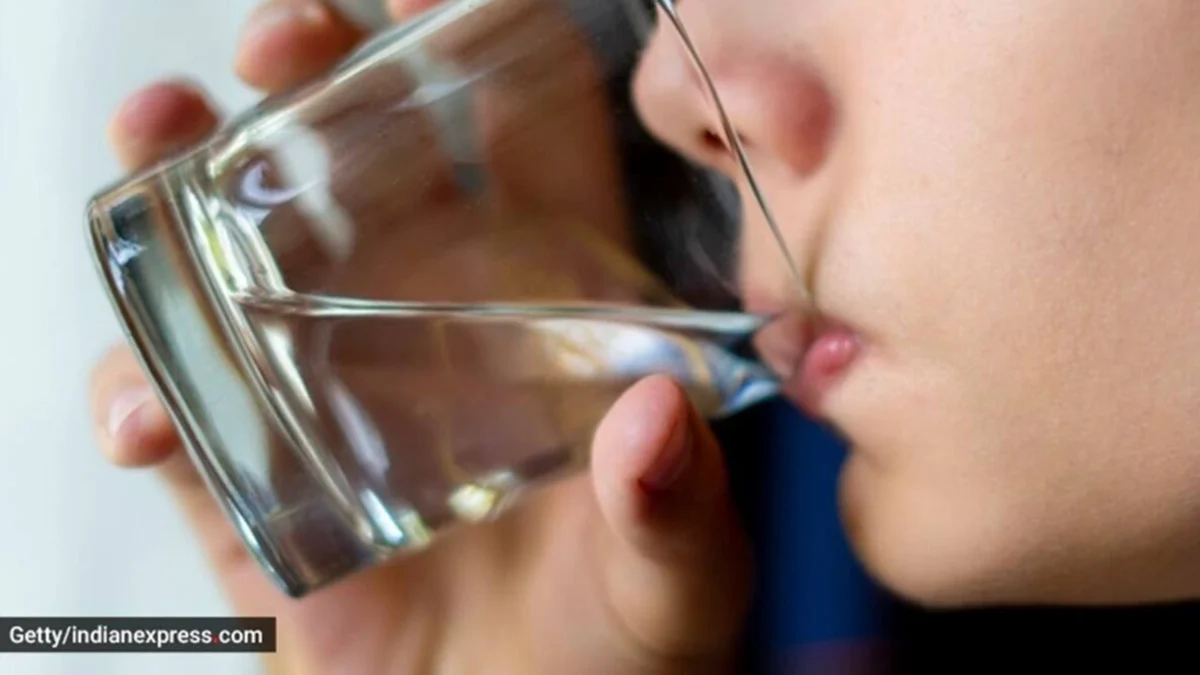
The human body’s ability to regulate its internal temperature is intrinsically linked to the process of perspiration. When the air becomes saturated with moisture, sweat, instead of evaporating and carrying heat away, lingers on the skin. "This trapped moisture," Dr. Sundar elaborates, "effectively insulates the body, preventing efficient heat dissipation. This significantly elevates the risk of dehydration, heat exhaustion, debilitating muscle cramps, dizziness, and in the most severe instances, life-threatening heatstroke. Once the body’s thermoregulation system falters and it loses its capacity to cool down effectively, a situation can rapidly escalate into a medical emergency."
The Silent Signals of Heat Stress
The insidious nature of heat-related illnesses lies in their gradual onset and the tendency for individuals to dismiss early warning signs as mere "summer fatigue." Dr. Sundar highlights a range of symptoms that should not be ignored: persistent and unexplained fatigue, an insatiable thirst, throbbing headaches, a persistent feeling of nausea, confusion or disorientation, a rapid heartbeat, profuse sweating that may then give way to dry, clammy skin, and a noticeable decrease in urination. "Many people unfortunately dismiss these symptoms, attributing them to what they perceive as ‘normal summer tiredness’," Dr. Sundar notes. "However, this delayed recognition and action can dramatically worsen the condition, pushing individuals towards severe health complications."
Vulnerable Populations Face Amplified Risks
The dangers posed by high wet-bulb temperatures are not distributed equally. Dr. Harish Chafle, a senior consultant chest physician, bronchoscopist, intensivist, and sleep disorders specialist at Gleneagles Hospitals in Parel, Mumbai, issues a stern warning: "During heatwave conditions, a high wet-bulb temperature can be particularly perilous, especially for the elderly, young children, individuals who work outdoors, and those with pre-existing cardiovascular or kidney conditions." He emphasizes that even if the actual air temperature doesn’t appear extreme, the elevated humidity can make the body perceive it as much hotter, significantly increasing the likelihood of dehydration, heat exhaustion, and heatstroke.
The Science Behind the Measurement
Understanding how wet-bulb temperature is determined provides crucial insight into its significance. Traditionally, the measurement was a straightforward yet effective process. "It involved a thermometer encased in a wet cloth," Dr. Sundar explains. "The principle is based on the rate of evaporation. As water evaporates from the cloth, it cools the thermometer. However, if the surrounding air is already saturated with moisture, the evaporation process is slowed down, resulting in a higher temperature reading. In contemporary times, meteorological agencies employ sophisticated computational models that integrate a multitude of factors, including ambient air temperature, humidity levels, wind speed, and atmospheric pressure, to derive a more precise and reliable estimate of the wet-bulb temperature."
Proactive Measures for a Hotter Future
Combating the perils of high wet-bulb temperatures necessitates a multi-pronged approach focused on hydration, environmental adaptation, and heightened awareness. "Hydration is paramount," stresses Dr. Sundar. "However, during prolonged periods of intense sweating, water alone might not be sufficient to restore the body’s electrolyte balance. Therefore, it is crucial to also replenish electrolytes through appropriate means. Furthermore, avoiding strenuous outdoor activities during the peak afternoon hours is essential. Opting for loose-fitting, breathable clothing, preferably made of cotton, can significantly aid in heat dissipation. Whenever possible, seeking refuge in well-ventilated or air-conditioned environments is highly recommended."
Dr. Sundar reiterates the heightened vulnerability of specific demographics: "Elderly individuals, young children, outdoor workers, and those managing chronic illnesses are inherently more susceptible to heat-related complications. They require an elevated level of vigilance and proactive measures to safeguard their health."
Dr. Chafle echoes these sentiments, adding further practical advice. "It is imperative to minimize direct exposure to sunlight, wear loose and light-colored cotton attire, and remain indoors during the hottest parts of the day. The judicious use of fans or air conditioning can provide much-needed respite."
A Vital Warning Sign
The wet-bulb temperature, Dr. Chafle asserts, serves as a critical early warning system during heatwaves. "By diligently monitoring both the ambient heat and the humidity levels, individuals can empower themselves to take necessary precautions, thereby protecting themselves from potentially severe heat-related illnesses and ensuring their safety amidst increasingly extreme weather conditions."
Implications for Public Health and Policy
The growing prevalence of high wet-bulb temperatures presents a significant challenge for public health infrastructure and policy-making. As climate change intensifies, the frequency and severity of heatwaves are projected to rise, making the understanding and communication of wet-bulb temperature crucial.
Supporting Data and Trends:
Scientific studies have consistently linked rising global temperatures with an increased risk of heat-related mortality. The Intergovernmental Panel on Climate Change (IPCC) reports highlight that even modest increases in global average temperature can lead to substantial increases in the frequency and intensity of extreme heat events. Furthermore, research published in journals like Nature Climate Change has indicated that certain regions are already experiencing or are projected to experience conditions where the wet-bulb temperature could exceed human survivability limits for extended periods. These projections underscore the urgency of addressing the issue.
Official Responses and Awareness Campaigns:
Meteorological agencies worldwide are increasingly incorporating wet-bulb temperature into their forecasting and public advisories. Many are developing enhanced alert systems that go beyond simple temperature readings to warn of dangerous heat-humidity combinations. Public health organizations are also stepping up their efforts to educate the public about the dangers of heat stress and the importance of hydration and seeking cooler environments. However, the reach and effectiveness of these campaigns can be variable, necessitating continuous improvement and targeted outreach.
Long-Term Implications:
The sustained exposure to high wet-bulb temperatures has profound implications for various sectors. Outdoor workers, such as agricultural laborers and construction personnel, face immediate and severe health risks, potentially impacting productivity and necessitating adjustments in work schedules and safety protocols. The healthcare system may see an increased burden of heat-related illnesses, requiring enhanced emergency preparedness and resources. Furthermore, the psychological impact of prolonged exposure to oppressive heat, coupled with the fear of heat-related illness, can affect community well-being. Urban planning and infrastructure development will need to increasingly consider heat resilience, incorporating green spaces, reflective surfaces, and improved ventilation systems to mitigate urban heat island effects. The economic consequences, from reduced agricultural yields to increased healthcare costs, are also substantial and require long-term strategic planning.
In conclusion, while the standard thermometer reading provides a basic understanding of the weather, the wet-bulb temperature offers a more critical and accurate assessment of the environmental threat to human health. As the planet continues to warm, understanding and acting upon this vital metric is no longer a matter of convenience but a crucial imperative for safeguarding public health and building resilience against the escalating challenges of extreme heat.
Disclaimer: This article is based on information from the public domain and expert opinions. It is intended for informational purposes only and does not constitute medical advice. Always consult with a qualified healthcare professional for any health concerns or before making any decisions related to your health or treatment.
