

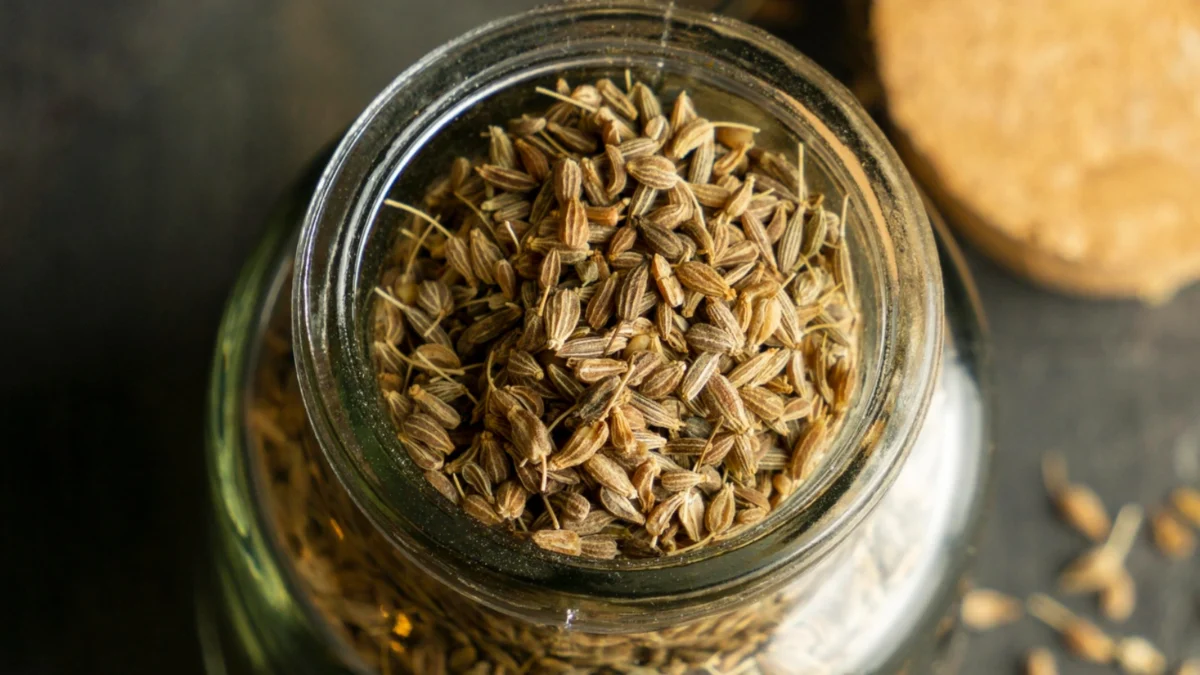
Ahmedabad, Gujarat – A recent, significant raid conducted by the Gujarat Food Safety Department has cast a stark spotlight on the pervasive issue of food adulteration, specifically targeting an everyday culinary staple: fennel seeds, or saunf. The operation, which resulted in the seizure of over 3,500 kilograms of suspected adulterated fennel seeds and nearly 140 kilograms of a chemical substance believed to have been used in the adulteration process, has sent ripples of concern through households across India. Samples have been dispatched for rigorous laboratory analysis to ascertain the precise nature of the contaminants and the extent of the potential health risks posed to consumers.
This alarming discovery reignites critical questions about the safety of food products routinely consumed, particularly those enjoyed as mouth fresheners or digestive aids after meals in countless Indian homes. Experts are sounding a grave warning: the clandestine use of chemical adulterants in seemingly innocuous items like fennel seeds can pose significant health hazards, even when consumed in seemingly small quantities.
The Grim Reality: Unmasking Chemical Adulteration
The Gujarat Food Safety Department’s swift action stemmed from intelligence suggesting illicit practices within the supply chain of fennel seeds. The raid, which targeted specific warehouses and processing units, uncovered substantial quantities of saunf that exhibited tell-tale signs of artificial enhancement. The presence of a significant volume of an unidentified chemical substance alongside the seized seeds strongly indicates a deliberate and large-scale adulteration operation.
"The scale of the seizure is deeply concerning," stated a senior official from the Food Safety Department, who preferred to remain anonymous given the ongoing investigation. "We are talking about thousands of kilograms of a product that is consumed daily by millions. The potential for widespread public health impact is immense."
The primary suspect in the adulteration process appears to be the use of industrial dyes and chemical colourants. These substances, often vibrant and visually appealing, are employed to enhance the colour and perceived freshness of the fennel seeds, masking any signs of poor quality or age. However, these artificial enhancements come at a severe cost to consumer health.
Expert Insights: The Insidious Health Risks of Adulterated Saunf
Dr. Aniket Mule, a Consultant in Internal Medicine at KIMS Hospitals, articulated the serious health implications associated with the consumption of chemically adulterated fennel seeds. He emphasized that industrial dyes and other chemical additives are never intended for human consumption and can harbor a dangerous cocktail of toxic compounds, solvents, and heavy metals.
"Consumption of chemically coloured fennel seeds is unequivocally a public health concern because these dyes are fundamentally not meant for human intake," Dr. Mule stated emphatically. "The immediate consequences can range from mild gastrointestinal distress to more severe reactions, depending on the individual’s susceptibility and the nature of the adulterant."
Short-Term Health Impacts:
Dr. Mule elaborated on the immediate symptoms that consumers might experience after ingesting adulterated fennel seeds. These can include:
- Nausea and Vomiting: The body’s natural response to ingesting harmful substances.
- Acidity and Stomach Cramps: Irritation of the digestive tract leading to discomfort.
- Loose Motions: Indicative of the digestive system’s struggle to process the contaminants.
- Throat Irritation: Direct exposure to certain chemicals can cause inflammation.
- Allergic Reactions: Individuals may develop sensitivities to the artificial additives, leading to rashes or other allergic responses.
Vulnerable Populations at Greater Risk:
The doctor further highlighted that certain demographic groups are particularly vulnerable to the adverse effects of chemical adulteration. "In some individuals, especially children, the elderly, pregnant women, or those with pre-existing liver and kidney conditions, the reaction to these adulterants can be far more severe," he warned. The developing systems of children and the compromised immune systems of the elderly and pregnant women make them more susceptible to the toxic effects. Similarly, individuals with compromised liver and kidney function may struggle to effectively metabolize and excrete the harmful chemicals, leading to a more pronounced impact.
Beyond Immediate Discomfort: The Threat of Unidentified Chemicals
A significant concern, as pointed out by Dr. Mule, is the inherent uncertainty surrounding the exact chemical composition of the adulterants. "The biggest issue is that consumers often have no idea what exact chemical has been used," he explained. "Some non-edible colours are designed for textiles or industrial applications, not food, making even small repeated exposure unsafe." The use of dyes meant for fabric or industrial purposes introduces a host of unknown risks, as their toxicological profiles for human consumption are entirely unassessed. These could include heavy metals like lead or cadmium, or volatile organic compounds that can have detrimental effects on various bodily systems.
Furthermore, Dr. Mule noted that certain synthetic colours have been linked to neurological symptoms. "Certain synthetic colours may also trigger headaches, dizziness, or skin rashes," he stated, underscoring the broad spectrum of potential health consequences.
The Peril of Persistent Exposure: A Slow Erosion of Health
While immediate symptoms are alarming, the insidious nature of chronic, low-level exposure to adulterated food products poses a more significant long-term threat to public health. Dr. Mule stressed that the cumulative effect of unknowingly consuming contaminated food items over extended periods can lead to gradual and potentially irreversible damage to vital organs.
Cumulative Toxicity and Organ Stress:
"Regular intake of adulterated food products can quietly harm the body over time," Dr. Mule observed. He explained that the body’s detoxification organs, primarily the liver and kidneys, are subjected to immense stress when constantly processing harmful chemicals. "Long-term exposure to harmful dyes and adulterants may increase stress on the liver and kidneys, as these organs are responsible for filtering toxins," he said. This persistent burden can lead to impaired function and an increased risk of chronic diseases.
Chronic Inflammation and Impaired Organ Function:
The prolonged presence of toxins can also contribute to chronic inflammation throughout the body. This low-grade, persistent inflammation is a known precursor to numerous chronic diseases, including cardiovascular disease, diabetes, and certain types of cancer. Dr. Mule warned that prolonged intake may contribute to chronic inflammation or impaired organ function.
Potential for Serious Long-Term Health Conditions:
Beyond general organ stress, certain synthetic colouring agents have been implicated in more specific and serious health issues. "Certain synthetic colouring agents have also been associated in studies with hyperactivity in children, hormonal disruption, and possible carcinogenic effects," Dr. Mule added. The potential for these chemicals to interfere with the endocrine system, which regulates hormones, is particularly concerning, as hormonal imbalances can affect a wide range of bodily functions, from metabolism and growth to reproduction. The link to carcinogenicity, even if based on associative studies, warrants extreme caution.
The "Silent Accumulation" of Toxins:
Dr. Mule’s core message resonated with the concept of cumulative toxicity. "From an internal medicine perspective, the concern is not just one exposure, but repeated low-dose intake over months or years," he emphasized. He illustrated this point by explaining how seemingly insignificant daily consumption can build up over time. "If a person is unknowingly consuming contaminated spices, sweets, snacks, or mouth fresheners from multiple sources, the chemical burden on the body gradually increases," he warned. This means that even if the adulteration in a single product is minor, the overall exposure from various sources can reach critical levels, leading to significant health consequences.
Identifying Suspicious Fennel Seeds: Empowering the Consumer
In the wake of such revelations, empowering consumers with the knowledge to identify potentially adulterated food products is paramount. Dr. Mule offered practical advice on how to scrutinize fennel seeds before purchase and consumption.
Visual and Olfactory Cues:
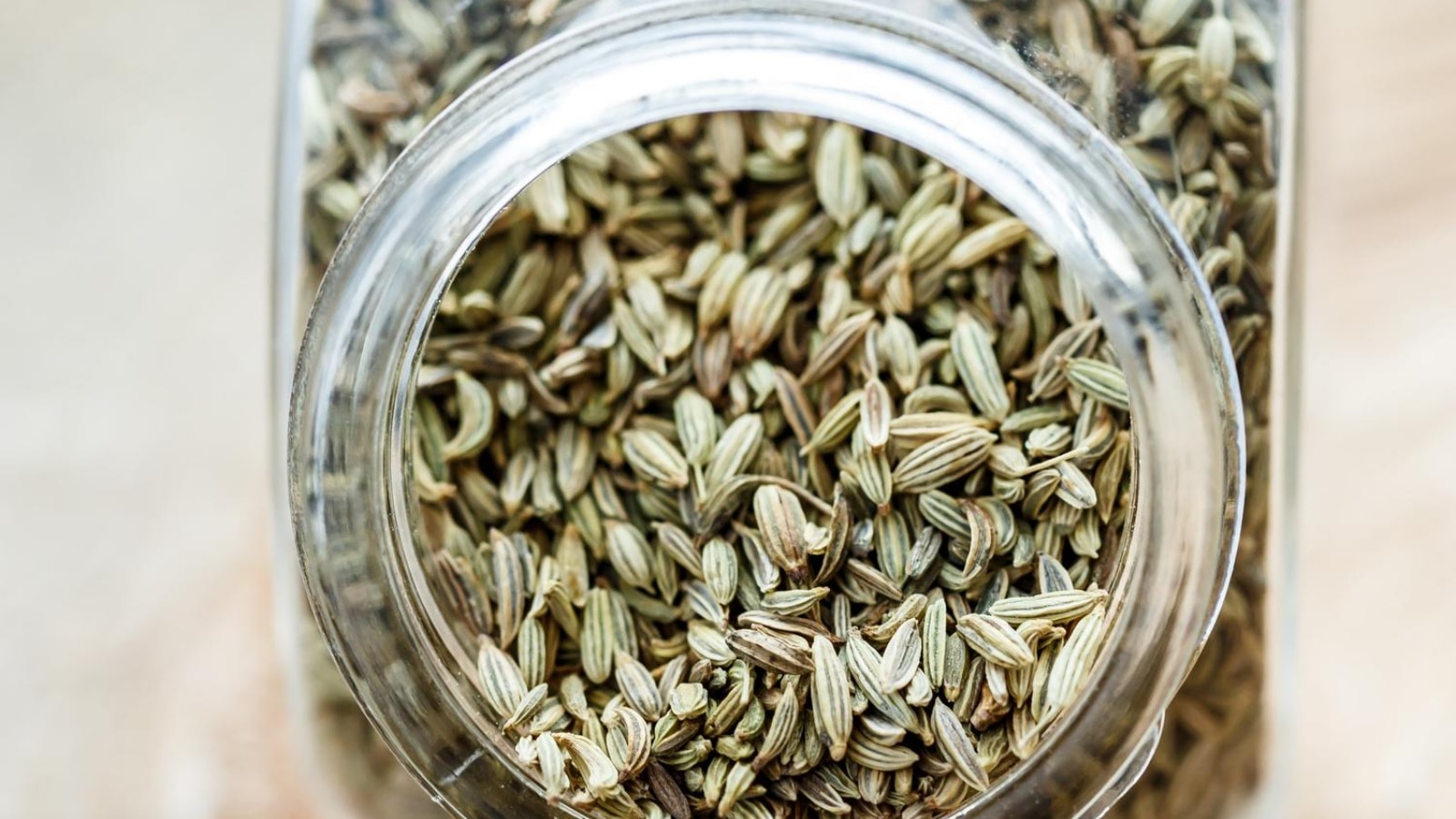
"Fennel seeds that appear unnaturally bright, glossy, or uniformly green may have been artificially coloured," Dr. Mule advised. Natural fennel seeds typically possess a more subdued and slightly varied shade, reflecting their organic origin. An overly uniform and vibrant hue can be a red flag. Similarly, the aroma of fennel seeds is a key indicator. "Consumers should also watch out for unusually strong chemical odours instead of fennel’s natural sweet aroma," he said. A pungent or artificial smell suggests the presence of chemical additives.
Simple Home-Based Tests:
Dr. Mule suggested a straightforward at-home test that consumers can easily perform: "rubbing a small quantity between the palms or placing it on a wet tissue paper. If colour transfers easily, that is suspicious," he explained. This simple test can quickly reveal if artificial dyes have been applied, as they tend to rub off readily onto surfaces.
The Importance of Packaging and Origin:
Beyond the intrinsic qualities of the seeds, the way they are sold and packaged provides crucial clues. "Dr Mule urged people to avoid loose products from unverified vendors and instead choose sealed products with proper labelling and FSSAI details," he stated. Reputable brands typically adhere to stricter quality control measures, and sealed packaging offers a greater degree of protection against tampering and adulteration. The presence of the Food Safety and Standards Authority of India (FSSAI) license number on the packaging is a vital indicator of compliance with food safety regulations.
Beware of Unrealistic Pricing:
Price can also be a significant indicator of potential adulteration. "Extremely cheap products sold at rates far below the market price should also raise concern," he said. While affordability is a consideration for consumers, prices that are suspiciously low may suggest that corners have been cut in the sourcing or processing of the product, potentially involving adulteration to reduce costs.
The Overarching Precautionary Principle:
Dr. Mule concluded with a powerful reminder for consumers to exercise caution and critical judgment. "At the end of the day, if a food product looks excessively attractive or artificially vibrant, consumers should be cautious rather than impressed," he advised. The pursuit of aesthetic perfection through artificial means in food products can often mask underlying safety issues.
Official Response and Future Implications
The Gujarat Food Safety Department has assured the public that a thorough investigation is underway. "We are committed to ensuring the safety of food products available to our citizens," stated a spokesperson for the department. "All seized samples are undergoing comprehensive laboratory analysis, and we will take strict action against any individuals or entities found to be involved in adulteration. This includes hefty fines and legal prosecution."
The department also indicated plans to increase surveillance and conduct more frequent, unannounced raids on food processing units and markets to curb such malpractices. Awareness campaigns are also being considered to educate consumers about the signs of adulteration and the importance of purchasing from reliable sources.
This raid serves as a stark reminder of the ongoing battle against food adulteration in India. While the convenience and perceived benefits of certain food items are undeniable, the underlying safety concerns cannot be ignored. The discovery of adulterated fennel seeds underscores the need for continued vigilance from regulatory bodies, robust enforcement of food safety laws, and an informed, discerning consumer base. The long-term health of the nation hinges on the collective effort to ensure that the food we consume is not only palatable but, more importantly, safe and wholesome.
Disclaimer: This article is based on information from the public domain and/or expert interviews. While efforts have been made to ensure accuracy, consumers are always advised to consult with healthcare professionals for personalized health advice and to exercise their own due diligence when purchasing food products.
