Mumbai, India – In a candid and impactful address, veteran Bollywood actor Jackie Shroff has issued a vital public health message to couples contemplating parenthood: get screened for thalassemia before conceiving. Speaking at the inaugural Mahadhiveshan and Youth Conference organized by the Vishwa Sindhi Hindu Federation in Mumbai earlier this month, Shroff, known for his down-to-earth demeanor, urged widespread awareness about this inherited blood disorder. His timely intervention underscores the critical importance of proactive health measures in preventing severe genetic conditions.
Shroff’s straightforward appeal, delivered in his signature Hindi, resonated deeply with the audience. “Bachcha paida karne se pehle, apne khoon ko tapas lena… khali blood test karne ka. Dono ko minor hoga to bachcha major paida hota hai. To wo aap log bahut dhyan rakho,” he stated, which translates to: "Before planning a child, get your blood tested – it’s just a simple blood test. If both partners are thalassemia carriers (minor), the child may be born with thalassemia major. So please be very careful about this." He further elaborated on the significant challenges faced by families dealing with severe thalassemia, emphasizing the demanding nature of regular blood transfusions, stating, “Har 15 din ka dialysis bhi nahi hai, transfusion hai blood ka,” meaning, "It’s not even dialysis every 15 days – it’s regular blood transfusions."
The Medical Imperative: Understanding Thalassemia and its Implications
Jackie Shroff’s advice is not merely anecdotal; it is firmly grounded in established medical science. Experts in the field universally endorse his call for pre-conception screening. Thalassemia is a group of inherited blood disorders characterized by the body’s reduced ability to produce adequate amounts of hemoglobin, a crucial protein found in red blood cells responsible for transporting oxygen throughout the body. When hemoglobin production is impaired, it can lead to anemia and a host of other complications.
Dr. Surabhi Siddhartha, a Consultant Obstetrician and Gynaecologist at Motherhood Hospital, Kharghar, Navi Mumbai, corroborates the actor’s sentiment. "Thalassemia screening before pregnancy can make a significant difference," she explains. "It helps identify whether both partners are carriers of the disorder, which can increase the risk of passing severe thalassemia to the baby."
A primary challenge in combating thalassemia is the silent nature of the carrier state. Many individuals carrying the thalassemia gene are entirely unaware of their status. "A person can be a thalassemia carrier without having noticeable symptoms, which is why many remain unaware until screening is done," Dr. Siddhartha points out. This means that seemingly healthy individuals can unknowingly carry and pass on the genetic predisposition for the disorder.
The risk escalates dramatically when both prospective parents are carriers of the thalassemia gene. In such scenarios, there is a significant probability that their child could inherit the more severe form of the disease, known as thalassemia major. This condition necessitates lifelong medical intervention, including frequent blood transfusions, and can profoundly impact a child’s quality of life and place a substantial burden on the family. Jackie Shroff’s use of the terms "minor" and "major" thalassemia accurately reflects this critical distinction: "minor" referring to the thalassemia trait (carrier state) and "major" signifying the severe clinical manifestation of the disease.
The Silent Threat: How Thalassemia Carriers Remain Undetected
The prevalence of thalassemia carriers, who often exhibit no outward signs of illness, poses a significant public health challenge. This asymptomatic nature makes pre-conception screening an indispensable tool for reproductive health planning. Many individuals only discover they are carriers during routine medical check-ups, or more commonly, when undergoing fertility evaluations.
Dr. Rupali Tambe, a Fertility Specialist at Nova IVF Fertility in Pune, notes this phenomenon. "Many carriers discover their status only during fertility evaluations because they often have no obvious symptoms," she states. This underscores the fact that a lack of visible symptoms is not an indicator of being free from the thalassemia gene.
When a couple is identified as carriers, reproductive planning becomes paramount. Advanced reproductive technologies, such as In Vitro Fertilization (IVF), offer potential solutions. "In IVF treatment, doctors may discuss genetic testing of embryos to reduce the risk of transmission," Dr. Tambe elaborates. This process, known as preimplantation genetic diagnosis (PGD), allows for the screening of embryos for genetic disorders before they are implanted in the uterus, thereby preventing the birth of a child with severe thalassemia.
Detection and Diagnosis: The Role of Simple Blood Tests
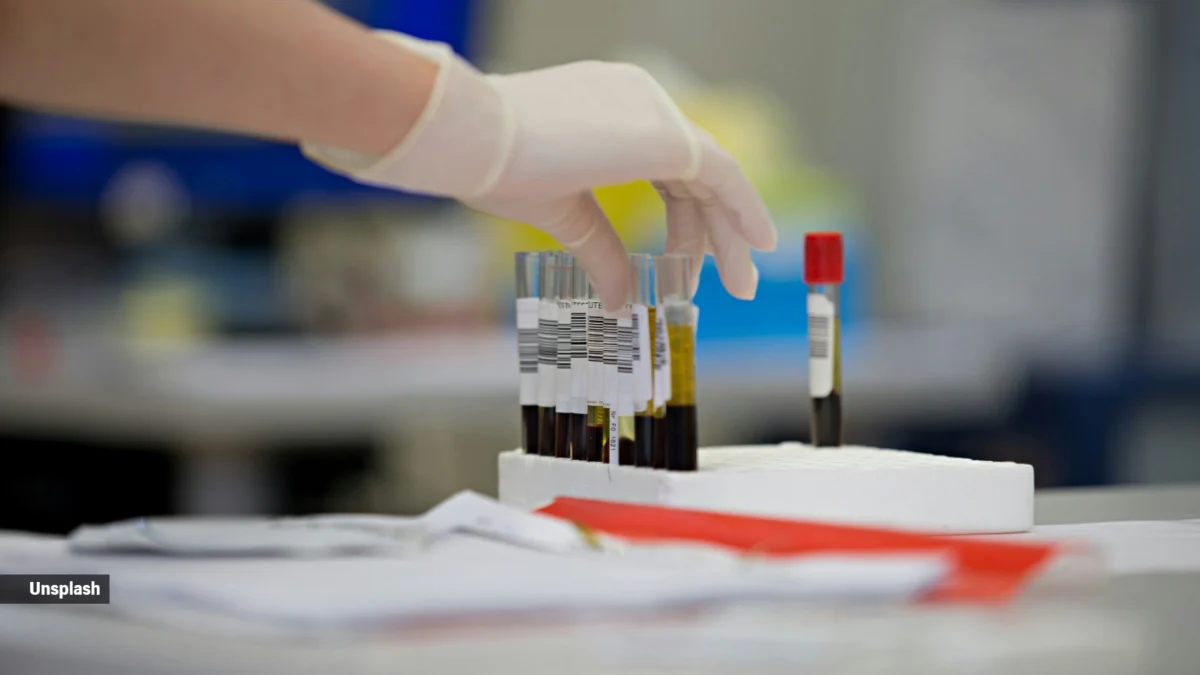
Fortunately, detecting thalassemia is a relatively straightforward process, primarily involving simple blood investigations. As highlighted by Dr. Siddhartha, standard tests such as a Complete Blood Count (CBC) and hemoglobin electrophoresis are instrumental in identifying both the carrier status and the presence of the disorder itself.

A CBC provides a comprehensive overview of blood components, including red blood cells, white blood cells, and platelets. In individuals with thalassemia, a CBC might reveal signs of anemia, such as a lower-than-normal red blood cell count or smaller red blood cells (microcytosis). Hemoglobin electrophoresis is a more specific test that analyzes the different types of hemoglobin present in the blood. This test can accurately distinguish between normal hemoglobin and abnormal variants associated with thalassemia, as well as identify the specific type and severity of thalassemia.
Crucially, the recommendation for thalassemia screening extends to all couples planning a pregnancy, irrespective of their family history. "We recommend thalassemia screening for all couples planning a pregnancy, even if there is no family history of the disorder," Dr. Siddhartha emphasizes. This universal recommendation is vital because the genetic transmission of thalassemia can occur in families with no prior known instances of the condition.
Broader Implications and Community Awareness
Jackie Shroff’s appeal extended beyond individual couples, urging a collective responsibility to spread awareness. He encouraged individuals to extend this message to their broader social circles, including household staff and community members. This call for widespread education highlights the community-oriented approach needed to combat genetic disorders effectively.
While Shroff’s observation that thalassemia is "particularly common ‘in the north’" simplifies a complex public health landscape, the core of his message remains undeniably valid. Thalassemia prevalence varies geographically and among different ethnic groups, but the fundamental principle of awareness and early testing holds true universally.
The implications of proactive screening are profound. A simple blood test conducted before conception can avert years of significant medical hardship, emotional distress, and financial strain for families. It empowers individuals with the knowledge to make informed decisions about their reproductive health, potentially preventing the birth of children affected by severe thalassemia and contributing to a healthier future generation.
The Path Forward: A Collective Responsibility
The Vishwa Sindhi Hindu Federation’s initiative to organize a Mahadhiveshan and Youth Conference, and the participation of a prominent figure like Jackie Shroff, signifies a growing recognition of the importance of public health awareness campaigns. By leveraging the influence of public figures and fostering dialogue around critical health issues, such events can play a pivotal role in educating communities and driving behavioral change.
The medical community stands united in advocating for comprehensive thalassemia screening as a standard part of pre-conception care. The ease of diagnosis and the profound impact of prevention make it a highly effective public health strategy. As Dr. Siddhartha aptly puts it, "Sometimes, a simple blood test before pregnancy can prevent years of medical hardship later."
In conclusion, Jackie Shroff’s impassioned plea serves as a powerful reminder that the journey to parenthood should be informed by knowledge and proactive health measures. By prioritizing thalassemia screening, couples can safeguard their future children from a life-altering genetic disorder, ensuring a healthier and more hopeful beginning for their families. The message is clear: a small step taken before conception can lead to immense benefits for a lifetime.
Disclaimer: This article is based on information from the public domain and expert consultations. It is intended for informational purposes only and does not constitute medical advice. Always consult with a qualified health practitioner before making any decisions related to your health or treatment.