

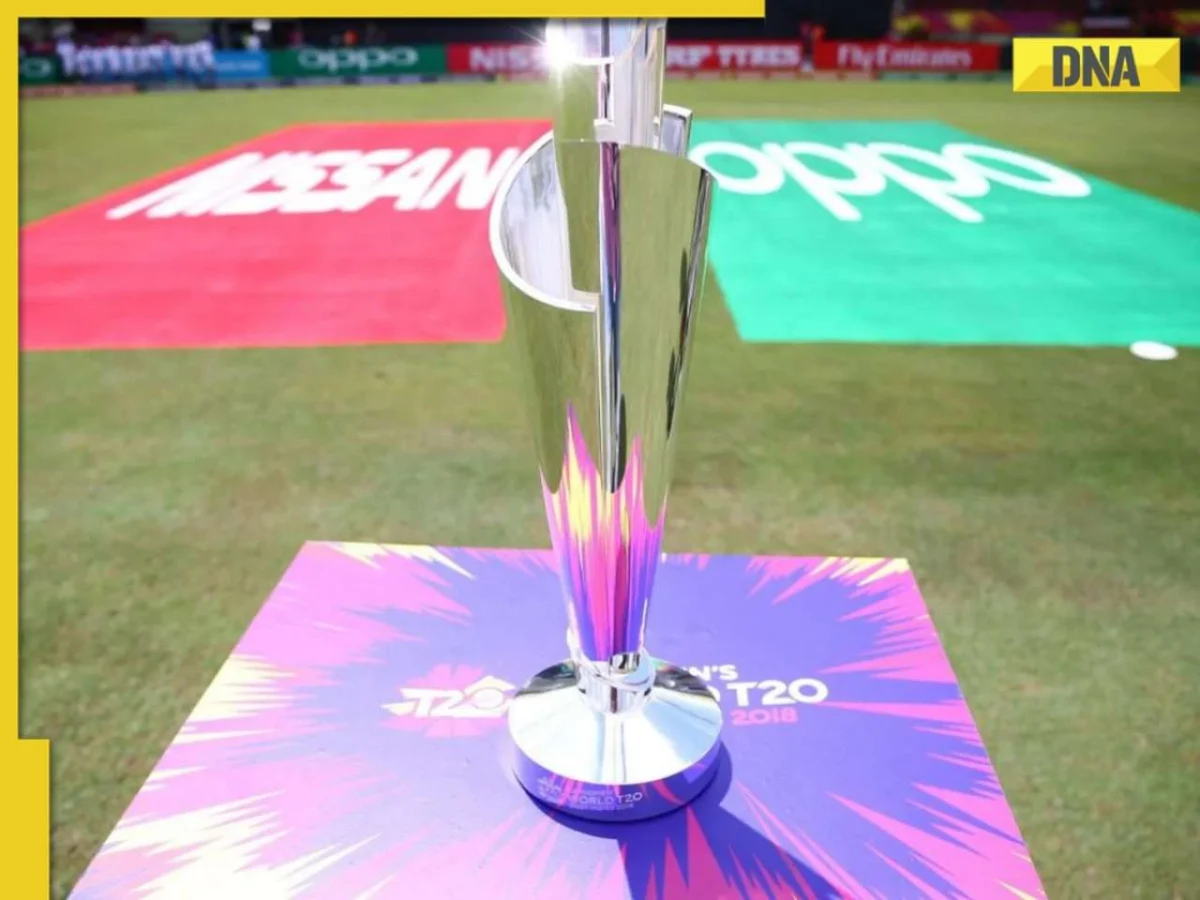
London, England – In a groundbreaking move that underscores its unwavering commitment to gender equality and professional excellence, the International Cricket Council (ICC) has announced an all-female panel of match officials for the highly anticipated Women’s T20 World Cup 2026. This landmark decision marks the fourth consecutive ICC women’s global event to feature an entirely female officiating team, solidifying a powerful legacy of inclusivity and merit-based selection. Hosted by England from June 12 to July 5, 2026, the tournament promises not only world-class cricketing action but also a showcase of elite female leadership on the field and in the referee’s box.
The announcement sends a clear message about the rising standards and growing opportunities for women in cricket officiating. Among the distinguished lineup of 18 officials – comprising 14 umpires and four match referees – a significant contingent of four Indian officials has earned their place, highlighting India’s burgeoning talent pool in this crucial aspect of the game.
A Chronology of Progress: Building an All-Female Legacy
The ICC’s commitment to fostering an all-female officiating environment for its women’s global tournaments is not a recent phenomenon but the culmination of a deliberate and progressive strategy. The journey began in 2023, setting a precedent that has since gained unstoppable momentum, challenging traditional norms and proving the immense capabilities of women in roles historically dominated by men.
2023 – South Africa: The Inaugural Chapter
The historic streak commenced with the ICC Women’s T20 World Cup 2023 in South Africa. For the first time ever, an all-female panel oversaw an ICC global event, making headlines and inspiring countless women and girls worldwide. This pioneering initiative demonstrated the ICC’s vision for a more equitable sport and laid the foundational stone for future endeavors. The success of this inaugural panel proved beyond doubt that skill, precision, and authority are not dictated by gender.
)
2024 – Bangladesh: Sustaining the Momentum
Building on the success of 2023, the ICC continued its commitment by deploying another all-female officiating panel for the subsequent women’s global tournament in Bangladesh. This move was crucial in demonstrating that the initial decision was not a one-off experiment but a fundamental shift in policy. The continuity reinforced the message that female officials were not just being given a chance but were consistently performing at the highest level required for international cricket.
2025 – India: A Crucial Precursor
The momentum reached a pivotal point with India hosting the ICC Women’s Cricket World Cup 2025. This significant event, a 50-over tournament, presented an even greater challenge and opportunity for the all-female panel. The officials’ performance during this World Cup was particularly lauded by the ICC, with CEO Sanjog Gupta specifically referencing their elevated standards. This served as a critical proving ground, showcasing their ability to handle the complexities and pressures of a major global championship, and directly influencing their selection for the 2026 T20 World Cup. The experience gained and the high standards demonstrated in India cemented the ICC’s confidence in an all-female cohort.

2026 – England: Solidifying the Tradition
Now, as England prepares to host the Women’s T20 World Cup 2026, the decision to appoint an all-female panel for the fourth successive time solidifies this initiative as a cherished tradition. It underscores a clear and unwavering trajectory for the ICC: to ensure that women’s cricket is officiated by the very best, irrespective of gender, with a strong emphasis on empowering female talent. This continuous streak is not just a nod to equality; it is a profound statement about the irreversible progress of women in cricket and their proven ability to excel at the highest echelons of the sport. The journey from South Africa to England has transformed a groundbreaking initiative into an established standard, setting a powerful example for sports organizations globally.
Supporting Data: The Elite Panel and Indian Pride
The 18-member panel for the 2026 Women’s T20 World Cup represents a blend of seasoned experience and emerging talent, reflecting the global growth of female officiating. These officials have undergone rigorous training, continuous evaluation, and have demonstrated their acumen across various international assignments. Their selection is a testament to their dedication, in-depth understanding of the game, and ability to make critical decisions under immense pressure.
)
The Full Roster of Excellence:
The panel comprises 14 highly skilled umpires and four authoritative match referees:
-
Emirates ICC International Panel of Umpires: Lauren Agenbag (South Africa), Kim Cotton (New Zealand), Anna Harris (England), Shathira Jakir Jesy (Bangladesh), Kerrin Klaaste (South Africa), Candace La Borde (West Indies), Janani N (India), Nimali Perera (Sri Lanka), Claire Polosak (Australia), Vrinda Rathi (India), Suzanne Redfern (England), Eloise Sheridan (Australia), Jacquline Williams (West Indies), Gayathri Venugopalan (India).
)
-
Emirates ICC International Panel of Match Referees: Trudy Anderson (West Indies), Shandré Fritz (South Africa), GS Lakshmi (India), Michell Pereira (Sri Lanka).
India’s Shining Stars:
For Indian cricket enthusiasts, the inclusion of four officials is a moment of immense pride and celebration. This quartet not only represents India on a global stage but also serves as powerful role models for aspiring female officials within the country.
)
-
GS Lakshmi (Match Referee): A trailblazer in every sense, GS Lakshmi continues to shatter glass ceilings. She made history in 2019 by becoming the first woman to be appointed to the ICC International Panel of Match Referees. Her journey has been marked by numerous firsts, including officiating in men’s ODIs and overseeing high-profile women’s matches. Her presence in the 2026 panel underscores her consistent excellence and invaluable experience, bringing a calm authority to the tournament. Lakshmi’s meticulous approach and profound understanding of cricket regulations make her an indispensable asset to the officiating team.
-
Vrinda Rathi (Umpire): Vrinda Rathi is a familiar face on the international umpiring circuit. Her rise through the ranks has been swift and impressive, earning her a spot on the ICC Development Panel of Umpires. Rathi has officiated in various domestic and international women’s matches, earning respect for her calm demeanor, sharp decision-making, and consistent application of the rules. Her inclusion reflects her steady progress and the high regard in which she is held by the ICC.
)
-
Janani N (Umpire): Another accomplished Indian umpire, Janani N has steadily built a reputation for her accuracy and composure under pressure. Like Rathi, she has been a consistent performer in India’s domestic women’s cricket circuit and has gained valuable international experience. Her continued selection for global events speaks volumes about her competence and the ICC’s trust in her abilities.
-
Gayathri Venugopalan (Umpire – ICC Debut): The 2026 World Cup will mark Gayathri Venugopalan’s debut on the ICC international stage, a significant milestone in her burgeoning career. Her selection highlights the depth of talent being nurtured in India and the ICC’s commitment to providing opportunities for new officials. Her journey to this elite panel is an inspiration, demonstrating that hard work and dedication can lead to the pinnacle of cricket officiating. Venugopalan’s fresh perspective and eagerness to perform will be a valuable addition to the umpiring team.
)
Global Leaders in Officiating:
Beyond the Indian contingent, the panel features other highly respected officials who have already made significant contributions to the sport. Claire Polosak from Australia, for instance, is renowned for being the first woman to umpire a men’s ODI match, a testament to her breaking down barriers. Kim Cotton from New Zealand and Lauren Agenbag from South Africa are also seasoned umpires who have overseen numerous high-stakes encounters, bringing a wealth of experience to the World Cup. These names, along with others like Anna Harris and Jacquline Williams, represent the pinnacle of female officiating, ensuring that the 2026 tournament will be managed with the utmost professionalism and integrity. Their collective expertise and diverse backgrounds enrich the officiating panel, making it truly world-class.
Official Responses: Performance Over Gender
The ICC’s rationale behind this sustained commitment to an all-female officiating panel extends far beyond mere tokenism or a box-ticking exercise for gender balance. As articulated by ICC CEO Sanjog Gupta, the selection process is rooted firmly in meritocracy, emphasizing performance, sound decision-making, and an unwavering commitment to elevating standards across the board.
)
"The all-female panel isn’t just a box-ticking exercise," Gupta stated emphatically, dispelling any notion that gender was the primary criterion for selection. "The ICC is evaluating officials the same way they judge anyone else: through performance, sound decision-making, and a real commitment to raising standards."
This assertion is crucial. It underscores that while the gender composition of the panel is historically significant, the underlying principle is the appointment of the most competent individuals. The officials selected for the 2026 tournament have earned their places through rigorous assessment and proven track records. Gupta specifically highlighted their exemplary performance during the ICC Women’s Cricket World Cup 2025, which served as a crucial benchmark for their current selection.
)
"We are delighted to see the progress made by these officials and the elevated standards of officiating they demonstrated during ICC CWC 2025," Gupta remarked. "As we prepare to deliver what will be the biggest women’s sporting event in the world, this selection will serve to elevate the meaning associated with the athletic spectacle."
This statement encapsulates the dual benefit of the ICC’s approach:
)
- Recognition of Excellence: It acknowledges the hard work, skill, and dedication of these female officials, whose performance has met and often exceeded the demanding requirements of international cricket. Their journey is one of consistent improvement and a relentless pursuit of perfection in their craft.
- Enhancement of the Spectacle: By ensuring that the officiating standards match the athletic prowess on display, the ICC aims to enhance the overall quality and integrity of the Women’s T20 World Cup. World-class officiating ensures fair play, minimizes controversies, and allows the focus to remain firmly on the players’ exceptional talents. It reassures fans and teams that every decision will be made with the utmost professionalism.
The ICC’s stance is a powerful endorsement of the capability of female officials, sending a clear message that their competence is unquestionable. It reinforces the idea that excellence in officiating has no gender, and that when given equal opportunities and judged solely on their merit, women can not only compete but also lead and excel at the highest levels of professional sport. This approach not only empowers the selected officials but also inspires countless others to pursue careers in sports officiating, confident that their skills will be recognized and rewarded.
Broader Implications: Shaping the Future of Cricket Officiating
The decision to appoint an all-female officiating panel for the Women’s T20 World Cup 2026 carries far-reaching implications, extending beyond the boundaries of this particular tournament and resonating throughout the global sporting landscape. It represents a significant stride towards genuine equality, professional development, and the overall enhancement of cricket.
)
A Catalyst for Equality and Opportunity
This initiative is a powerful catalyst for gender equality within sports. By consistently placing women in positions of authority and decision-making at the highest levels of international cricket, the ICC is actively dismantling long-standing biases and stereotypes. For too long, officiating roles were perceived as a male domain, but these successive all-female panels are unequivocally demonstrating that competence and leadership are gender-neutral.
- Breaking Barriers: Each match officiated by these women chips away at historical prejudices, proving that female officials are not just capable but exceptional. This visibility is critical in changing perceptions among players, fans, media, and other sports organizations.
- Inspiring the Next Generation: The most profound impact might be on aspiring young girls and women. Seeing female umpires and referees on the global stage provides tangible role models, showing them that a career in sports officiating is not only possible but prestigious. It opens up new avenues for professional development and participation for women who might not be athletes but possess a deep understanding and passion for the game. This representation is vital for fostering diversity and encouraging broader participation in all aspects of cricket.
- Ripple Effect Across Sports: The ICC’s leadership in this area can inspire other international sporting federations to re-evaluate their own officiating structures and increase opportunities for women. Cricket, being a sport with immense global reach, sets a powerful precedent that can influence other sports to adopt similar progressive policies, fostering a more inclusive environment across the entire sporting world.
Elevating the Standard of Women’s Cricket
World-class officiating is indispensable for the growth and credibility of any sport, and women’s cricket is no exception. By ensuring that the best officials are on duty, the ICC is actively enhancing the professionalism and appeal of the women’s game.
)
- Credibility and Integrity: Fair and accurate decision-making is fundamental to the integrity of cricket. A highly competent officiating panel ensures that matches are decided on skill and performance, not on contentious calls. This elevates the credibility of the women’s game, reassuring teams, players, and fans that the highest standards of fair play are being upheld.
- Professionalism of the Sport: When the officiating standards match the athletic brilliance on the field, it elevates the overall professional image of women’s cricket. It demonstrates that the ICC views women’s cricket not as a secondary endeavor but as a premier sporting spectacle deserving of the absolute best talent in all its facets. This professionalism is key to attracting greater viewership, sponsorship, and investment, which are crucial for the long-term sustainability and growth of the sport.
- Player Confidence: Players perform best when they have confidence in the officiating. Knowing that the officials are experienced, knowledgeable, and impartial allows players to focus entirely on their game, contributing to higher quality matches and more thrilling contests for the audience.
The Road Ahead: Sustaining Momentum
While the current achievements are commendable, the journey towards full inclusivity and equity is ongoing. The ICC’s current trajectory suggests a commitment to sustaining this momentum and exploring further avenues for female officials.
- Long-Term Investment: The success of these panels highlights the importance of continuous investment in training, development, and mentorship programs for aspiring female officials globally. Providing clear pathways for advancement and ensuring robust support systems will be crucial in maintaining a steady pipeline of talent.
- Beyond Women’s Cricket: A pertinent question for the future is whether this success will eventually translate into female officials regularly overseeing men’s international tournaments. The presence of trailblazers like Claire Polosak, who has officiated in men’s ODIs, indicates that the potential is certainly there. Integrating female officials into men’s cricket would be the ultimate testament to performance-based selection, completely transcending gender.
- Global Impact: The ICC’s commitment reinforces its role as a progressive leader in international sports. By championing meritocratic opportunities for women, it sets a global benchmark, encouraging other sports federations and national bodies to follow suit. This collective effort will contribute to a more diverse, equitable, and ultimately richer sporting world.
The 2026 Women’s T20 World Cup in England will be more than just a battleground for the world’s best cricketers; it will be a powerful testament to the skill, dedication, and leadership of an all-female officiating panel. This landmark decision by the ICC is a beacon of progress, demonstrating that world-class officiating has everything to do with competence and nothing to do with gender, ushering in a truly exciting and inclusive era for cricket.
