Updated: May 28, 2026, 11:35 PM IST
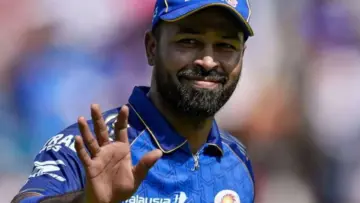
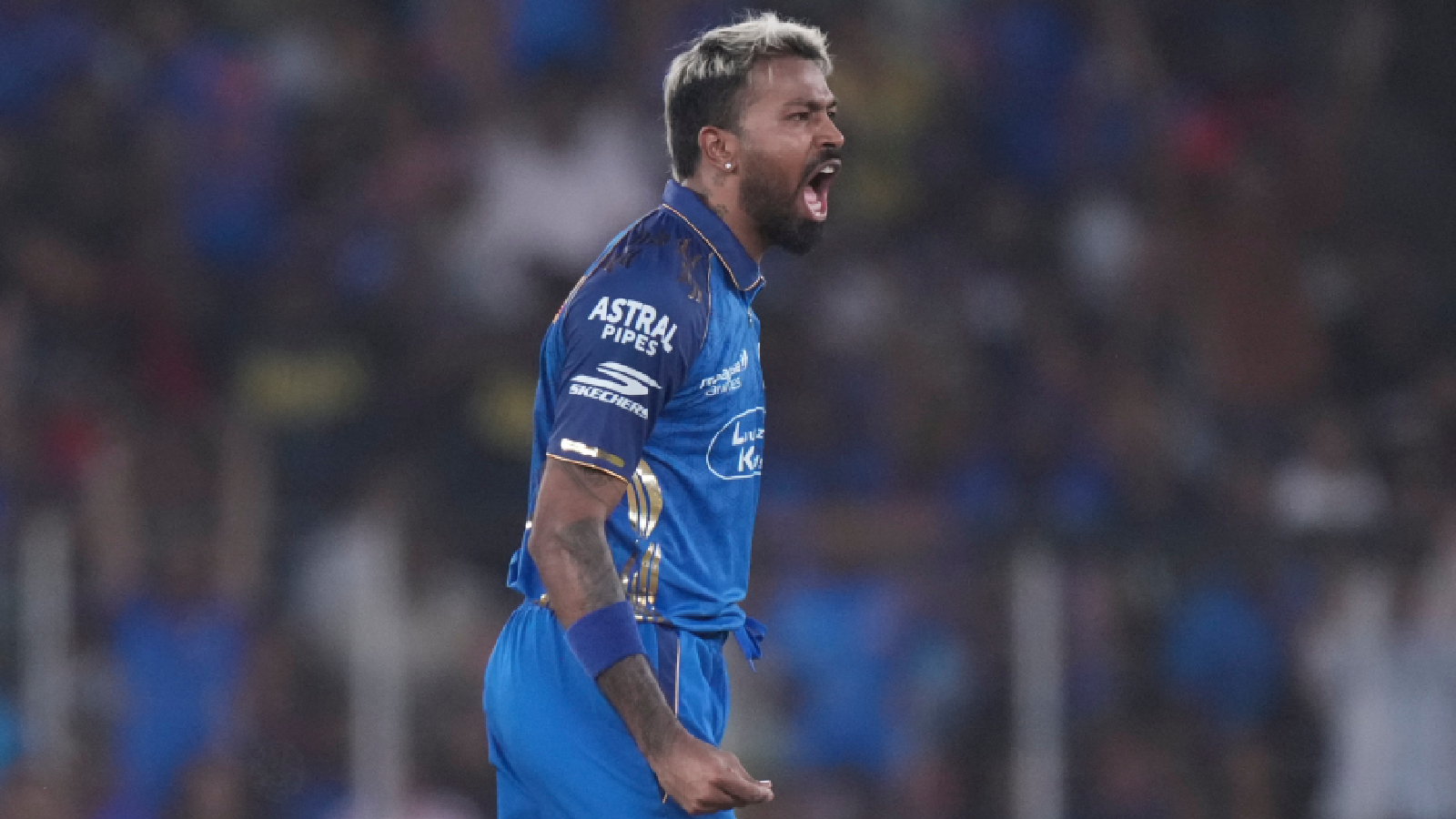
The glittering façade of the Mumbai Indians, a franchise synonymous with unparalleled success in the Indian Premier League (IPL), appears to be cracking. Following a disastrous 2026 season that saw the five-time champions languish at the ninth position with a dismal record of 10 losses from 14 games, the leadership of Hardik Pandya is reportedly coming to an end. Sources within the Mumbai Indians camp indicate a comprehensive overhaul is imminent, beginning with the crucial decision of captaincy, and extending to a critical review of Pandya’s very place in the squad.
The immediate aftermath of a season that extended their title drought to an unprecedented six years has plunged the franchise into deep introspection. Whispers from within the team suggest a palpable shift in sentiment, with the management seemingly no longer keen on retaining Pandya at the helm. "There were enough signs during the season that the team management wasn’t keen to retain him as captain. There is a clear buzz in the camp," an insider revealed, underscoring the gravity of the situation. This development marks a significant turning point for a franchise that has prided itself on stability and strategic foresight, now grappling with a crisis of performance and perception.
The Unraveling Season: A Chronicle of Disappointment
The 2026 IPL season was anticipated to be a redemption arc for Mumbai Indians, especially after a partial recovery in 2025. Instead, it spiraled into one of their worst performances in history, reigniting intense scrutiny on Hardik Pandya’s leadership and the team’s overall strategy. The journey to this critical juncture is rooted in a series of decisions and events that have collectively contributed to the current turmoil.
Pandya, a prodigious talent initially discovered and nurtured by Mumbai Indians, had carved a niche for himself as a dynamic all-rounder, contributing significantly to the franchise’s past glories. His departure from MI in 2022, followed by his triumphant return as captain of Gujarat Titans, leading them to an IPL title in their inaugural season, had solidified his credentials as a leader. His eventual return to Mumbai Indians ahead of the 2024 season, orchestrated through a high-profile trade, was initially seen as a strategic coup – bringing back a prodigal son with proven captaincy acumen.
However, the manner of his return and subsequent elevation to captaincy, replacing the beloved and highly successful Rohit Sharma, proved contentious from the outset. Sharma, under whose leadership India had recently reached the 50-over World Cup final, commanded immense respect and loyalty from the MI faithful. The decision to displace him sparked a massive backlash from fans, who vocalized their displeasure throughout the 2024 season, often booing Pandya at various venues. That season saw MI finish at the bottom of the table, intensifying the criticism. While the 2025 season offered a glimmer of hope with a slightly improved performance, it was the 2026 campaign that decisively "extinguished" any lingering optimism, plunging the team into a crisis that now necessitates drastic action.
The team’s struggles were not merely confined to win-loss records; they extended to fundamental strategic failures and a perceived lack of cohesion. A candid team talk by the coaching staff following MI’s final game against Rajasthan Royals reportedly highlighted deep-seated issues. "The coaching staff was very clear in their message to the senior players that wherever they play, they need to be coachable. There were many instances where the coaching staff recommended something which was backed by data but players didn’t follow it," a source revealed, pointing to a potential disconnect between strategic directives and player execution. This friction, coupled with the team’s inability to adapt to modern T20 dynamics, created a toxic cocktail that ultimately derailed their season. The question now looms large: can Hardik Pandya, the leader who inherited a legacy and promised a new era, survive this comprehensive internal review?
Statistical Underperformance: The Numbers Don’t Lie
The Mumbai Indians’ 2026 season was not just a narrative of disappointment; it was a statistical anomaly for a franchise of its caliber. Finishing ninth out of ten teams, with a mere four victories from fourteen outings, underscores a systemic failure that permeated all facets of their game. The net run rate, often a crucial tie-breaker, was also abysmal, reflecting the comprehensive nature of their defeats.
One of the most telling indicators of their outdated approach was their performance in the powerplay. In an era where teams like Rajasthan Royals (RR) and Sunrisers Hyderabad (SRH) redefined T20 batting with aggressive, high-scoring starts, MI consistently struggled to capitalize on the fielding restrictions. "We haven’t been able to use the Powerplay like some of the more successful teams this IPL. We haven’t moved with the times," lamented another source, highlighting a critical strategic misstep. While leading teams regularly breached the 10 runs per over mark in the initial six overs, MI often found themselves bogged down, playing catch-up throughout their innings, a strategy ill-suited for the modern, high-octane IPL.
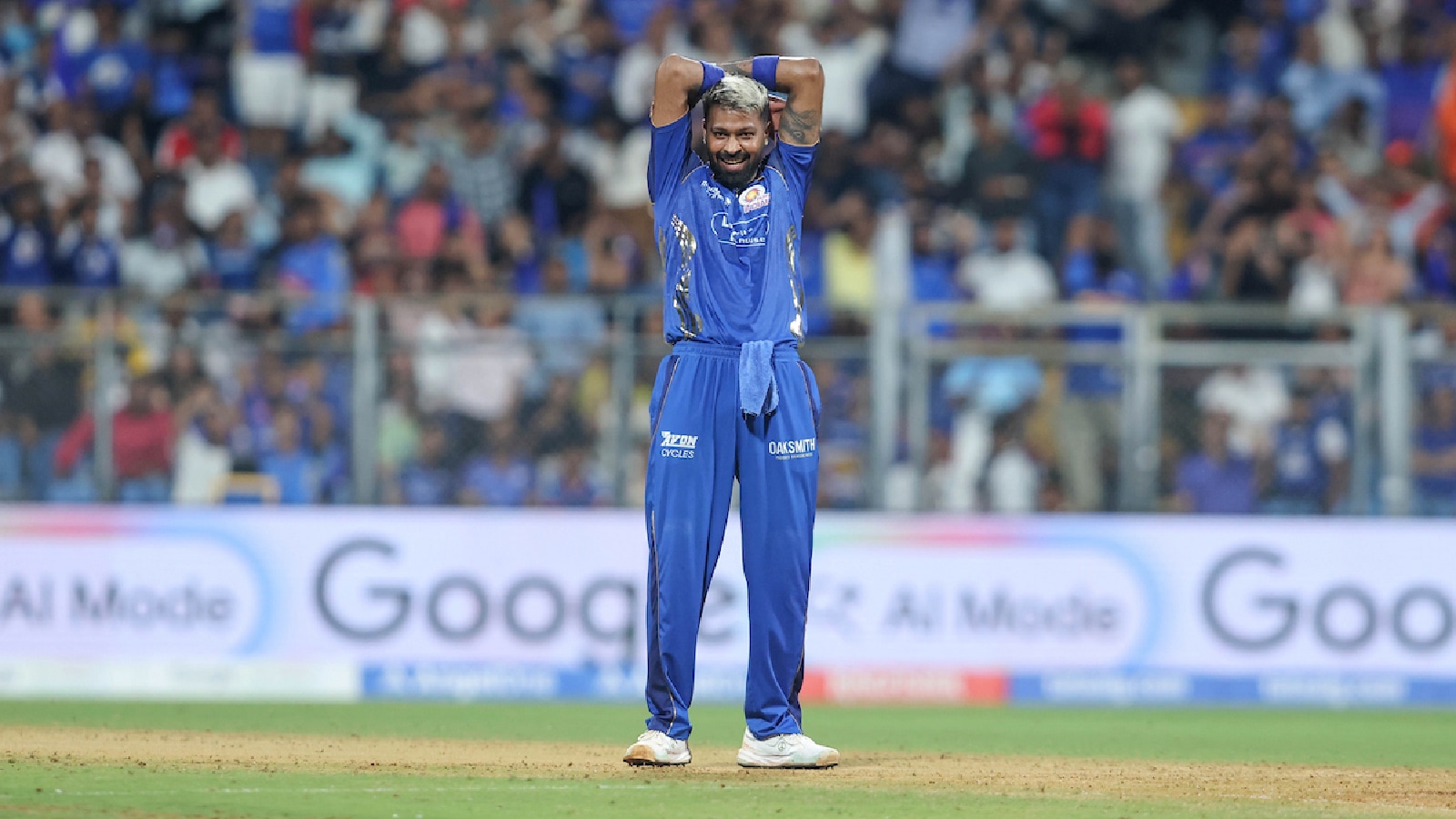
Individually, the team’s star-studded lineup also failed to deliver. For a squad boasting some of the most recognizable and highly paid names in world cricket, their absence from the top of the individual performance charts was glaring. None of their batsmen featured prominently in the race for the Orange Cap, nor did any of their bowlers contend for the Purple Cap. Ryan Rickelton, their best batsman, was a distant 17th among the top run-getters, while leg-spinner Allah Ghazanfar ranked 14th among wicket-takers. These numbers are starkly out of character for a team that has historically produced or housed top performers year after year. The likes of Royal Challengers Bengaluru (RCB) and Gujarat Titans (GT), despite their own struggles, saw their experienced bowlers like Bhuvneshwar Kumar, Josh Hazlewood, Kagiso Rabada, and Mohammed Siraj make significant impacts. MI, on the other hand, with its wealth of talent, looked disjointed and surprisingly ineffective, unable to find match-winners consistently.
Hardik Pandya’s personal performance, both with bat and ball, also came under intense scrutiny. As captain, his individual contributions are expected to lead by example. While specific statistics for his 2026 season are still being fully compiled, general observations suggest he struggled to consistently produce the game-changing performances he was known for. His batting often lacked the explosive finish required, and his bowling, while offering crucial overs, sometimes proved expensive or lacked the penetration needed to break crucial partnerships. This dual responsibility, coupled with the immense pressure of captaincy and fan disapproval, appeared to weigh heavily on him, impacting his natural flair and effectiveness. The cumulative effect of these statistical shortcomings points to a team that was fundamentally out of sync with the evolving demands of T20 cricket and underperformed across all key metrics.
Behind Closed Doors: The Internal Dissent and Coaching Frustrations
Beyond the glaring statistics and on-field failures, the true depth of Mumbai Indians’ predicament lies in the internal dynamics and the growing chasm between the coaching staff and certain senior players. The immediate backdrop to the current crisis was the aforementioned team talk by the coaching staff after the final game against Rajasthan Royals. This wasn’t merely a post-match debrief; it was a stark, unfiltered message regarding accountability and adaptability.
The coaching unit, presumably armed with extensive data analytics and strategic insights, felt that their recommendations were not being adequately implemented by some of the senior figures in the squad. This sentiment of players not being "coachable" is a damning indictment in professional sports, particularly in a league as data-driven and strategically nuanced as the IPL. It suggests a resistance to evolving methodologies or a belief in individualistic approaches that diverged from the collective strategic vision. In a high-stakes environment where marginal gains can dictate outcomes, such internal friction can be catastrophic.
An "MI old-timer" echoed these concerns, emphasizing the complexity of the path forward. "There will be serious introspection and discussion in the coming days. Every option would be weighed. Many questions need to be addressed. Going ahead, can Hardik be the captain? Does he stay in the team just as a player?" These questions underscore the multi-layered challenge facing the franchise. It’s not just about replacing a captain; it’s about reassessing the fundamental ethos of the team, player roles, and the very foundation of their cricketing philosophy. The "buzz in the camp" about Hardik’s impending removal as captain is not merely speculative gossip; it reflects a deep-seated organizational discontent that has been brewing throughout the season.
The issue transcends individual performance or isolated incidents; it points to a broader cultural problem within the team, where the synergy between management, coaching staff, and players may have broken down. For a franchise that has historically fostered a strong team environment and a clear chain of command, this internal dissent is particularly troubling. It suggests that the transition of captaincy from Rohit Sharma to Hardik Pandya may have had deeper, unforeseen consequences on team dynamics and player relationships than initially perceived. The "hard conversations" that are slated to occur in the coming weeks will undoubtedly delve into these sensitive areas, aiming to mend the fractured fabric of the team and re-establish a unified vision for the future.
The Silence from the Owners: Anticipating Official Stance
As the dust settles on a forgettable 2026 IPL campaign, the Mumbai Indians players and decision-makers are currently observing a period of respite. This hiatus, however, is merely a pause before what promises to be a series of intense and consequential discussions. Crucially, there has been no official statement from the Mumbai Indians management or ownership regarding Hardik Pandya’s captaincy or the future direction of the team. This silence, while customary during post-season review periods, only amplifies the anticipation and speculation surrounding the franchise’s next moves.
The lack of an official communiqué underscores the sensitive nature of the decisions at hand. Changing a captain, especially one who was brought in with such fanfare and controversy, is a monumental decision for any IPL franchise, let alone one with the stature and fan base of MI. An official response is expected only after comprehensive internal deliberations, which are described by sources as "hard conversations." These discussions will involve key stakeholders, including the owners, coaching staff, and possibly senior players, to chart a definitive course for the future.
When an official statement does materialize, it is expected to address several key areas:
- Captaincy Announcement: The most immediate and critical piece of information will be the confirmation of Hardik Pandya’s removal and the announcement of a new captain. Potential candidates will be explored in the implications section, but the official communication will solidify the leadership structure.
- Hardik Pandya’s Role: The statement will also clarify whether Pandya remains with the squad purely as a player, is traded, or potentially released. This will be crucial for both Pandya’s career trajectory and MI’s squad composition.
- Future Strategy: While not always explicit in immediate announcements, the statement might hint at a renewed focus on specific strategies, player development, or a commitment to a "coachable" environment, subtly addressing the internal issues that plagued the 2026 season.
- Fan Engagement: Given the intense fan backlash throughout Hardik’s captaincy, any official statement will likely attempt to reassure the loyal MI fan base, emphasizing the franchise’s commitment to returning to its winning ways and addressing their concerns.
The timing of this official response is critical. With potential player retention windows, trade deadlines, and the looming prospect of a mega-auction in the not-too-distant future, MI needs to establish clarity and direction swiftly. The prolonged silence, while strategic, also carries the risk of further unsettling the fan base and creating an environment ripe for unchecked speculation. The cricket world, particularly the fervent followers of Mumbai Indians, awaits with bated breath for the definitive word from the franchise.
A Franchise at a Crossroads: Implications for Mumbai Indians
The impending change in captaincy and the broader squad overhaul signals a momentous crossroads for the Mumbai Indians. A franchise accustomed to dominance and stability now faces fundamental questions about its identity, leadership, and strategic direction. The implications of these decisions will reverberate across multiple facets of the organization.
Leadership Vacuum and Succession: The most immediate challenge is identifying a suitable successor to Hardik Pandya. Rohit Sharma, while still a revered figure, may be unwilling or considered too old to reclaim the full-time captaincy mantle. Other strong contenders within the current squad include:
- Suryakumar Yadav: A proven T20 performer and an established leader for India in the shortest format, Suryakumar offers an aggressive, modern approach to captaincy. His availability and fitness would be key considerations.
- Jasprit Bumrah: The undisputed spearhead of MI’s bowling attack, Bumrah possesses a calm demeanor and exceptional game awareness. While fast bowlers rarely captain T20 sides, his strategic intelligence could be a valuable asset.
- External Options: Depending on the nature of the overhaul and potential mega-auction scenarios, MI might look outside their current roster for an experienced captain, though this is less common for such a well-established franchise.
Squad Composition and Rebuilding: The "overhaul" suggests more than just a captaincy change. It implies a critical review of the entire squad. The comment about "not moving with the times" in terms of powerplay usage hints at a need for players who embody a more aggressive, fearless T20 batting philosophy. This could lead to:
- Player Releases/Trades: Several underperforming or strategically redundant players might be released to free up salary cap space and roster spots.
- Focus on Youth/Specialists: A renewed emphasis on acquiring young, dynamic talent or specialists who fit a modern T20 template (e.g., explosive openers, death bowling experts, power-hitters) is likely.
- Coaching Staff Review: While the original article points to coaches being frustrated with players, a disastrous season often triggers a review of the coaching and support staff as well, to ensure alignment with the new strategic vision.
Brand and Fan Engagement: Mumbai Indians is not just a team; it’s a global brand with a massive and passionate fan base. The controversial captaincy transition and the subsequent poor performance have severely tested this loyalty. The upcoming decisions must prioritize:
- Restoring Trust: The franchise needs to communicate transparently and effectively to rebuild trust with its supporters, many of whom felt alienated by the handling of Rohit Sharma’s removal.
- Reclaiming Identity: MI’s identity is built on a winning mentality and a commitment to excellence. The overhaul must aim to reclaim this identity and return the team to competitive glory.
Long-Term Strategy: With the IPL landscape constantly evolving, MI must articulate a clear long-term strategy that addresses player retention, talent scouting, and sustainable success. The looming presence of potential mega-auctions in future cycles makes these foundational decisions even more critical. The future of Mumbai Indians hinges on making astute choices in the coming weeks, not just to arrest the current slide, but to lay the groundwork for a renewed era of dominance.
Hardik Pandya’s Future: A Career Redefined?
The potential loss of captaincy at Mumbai Indians could mark a pivotal turning point in Hardik Pandya’s illustrious yet often tumultuous career. For a player who once seemed destined for long-term leadership roles, both in the IPL and potentially for the national team, this development raises profound questions about his future trajectory.
Impact on Leadership Aspirations: Pandya’s successful captaincy stint with Gujarat Titans, culminating in an IPL trophy, had firmly established him as a leader. His return to MI was seen as an opportunity to cement this reputation on a bigger stage. The failure to deliver, coupled with reports of internal dissent and a lack of ‘coachability,’ significantly dents his leadership credentials. While he is still a respected figure, it will be challenging for him to secure another captaincy role in the IPL in the immediate future. This might force him to redefine his role as a senior player, focusing solely on his all-round contributions.
Place in the Mumbai Indians Squad: The original article explicitly states that "A discussion on his place in the side is also on the cards." This is a critical indicator. Even if he loses the captaincy, his retention as a pure player is not guaranteed. Factors influencing this decision include:
- Performance: His individual performance in 2026, coupled with his fitness record, will be closely scrutinized.
- Salary and Value: Hardik commands a significant salary. The management will assess if his on-field contributions as a player justify his price tag, especially if he is no longer captain.
- Team Balance: With a potential squad overhaul, MI might prioritize acquiring players who fit a new strategic vision or fill specific gaps, potentially making Hardik a valuable trade asset or even a candidate for release.
- Team Dynamics: If the internal issues are deeply rooted, the management might consider a clean break to foster a healthier team environment, even if it means parting ways with a star player.
National Team Prospects: Hardik Pandya is a vital component of India’s white-ball squads, particularly as a dynamic all-rounder. However, consistent underperformance or perceived issues with leadership and team dynamics in the IPL can sometimes trickle down and influence national team selectors. While his place in the Indian team is largely secure due to a scarcity of quality all-rounders, a prolonged period of struggle or controversies could put pressure on his position, especially with emerging talents vying for spots. The focus will now be on his ability to bounce back, deliver match-winning performances, and demonstrate a renewed commitment to team objectives.
Personal and Professional Resilience: Hardik Pandya has faced adversity throughout his career, from injuries to public scrutiny. This current crisis at MI will be another test of his resilience. How he responds to this setback – whether he embraces a new role, rediscovers his form, and rebuilds his relationship with the franchise and its fans – will define the next chapter of his career. The choices he makes, and those made by MI regarding his future, will undoubtedly shape the legacy of one of Indian cricket’s most charismatic figures.

The Broader Landscape: IPL’s Ruthless Nature
The unfolding saga at Mumbai Indians, with Hardik Pandya at its epicenter, serves as a stark reminder of the ruthless and unforgiving nature of the Indian Premier League. Often described as a microcosm of professional sports, the IPL operates on a simple, yet brutal, principle: performance dictates survival.
High Stakes, High Pressure: The league’s immense financial stakes, coupled with an unparalleled level of fan engagement and media scrutiny, create an environment of intense pressure. For franchises like Mumbai Indians, with a history of success and a brand built on winning, anything less than contention for the title is deemed a failure. This pressure permeates every level, from the owners demanding results to the players striving to justify their astronomical salaries.
The Volatility of Leadership: Hardik Pandya’s journey exemplifies the precariousness of captaincy in the IPL. One season, you can be a champion leader, revered for your tactical acumen; the next, you can be under the scanner, facing calls for your removal. The league has seen numerous captaincy changes over its history, often reflecting a franchise’s desperate attempt to reverse fortunes. The swiftness with which leadership roles can be bestowed and then stripped highlights the short-term, result-oriented focus that dominates the IPL.
Fan Power and Player Perception: The IPL fan base is arguably one of the most passionate and vocal in global sports. Their emotional investment in their respective teams and players is immense. Hardik Pandya’s experience with the constant booing and online vitriol underscores the significant impact of fan perception on a player’s morale and a team’s atmosphere. Franchises, while making strategic decisions, must also navigate the sentiments of their loyal supporters, understanding that alienating them can have tangible consequences on brand loyalty and market appeal.
The Evolution of T20 Cricket: The comments about MI not "moving with the times" speak to the rapid evolution of T20 cricket. What constituted a winning strategy five years ago may be obsolete today. Teams that adapt quickly, embrace data-driven insights, and foster a culture of aggressive, fearless play are the ones that succeed. The IPL is a constant arms race of innovation, and those who fall behind risk being left in the dust, irrespective of their past glories or individual talent.
A Cycle of Rebuilding: Ultimately, the Mumbai Indians’ current predicament is a testament to the cyclical nature of sports. Even the most dominant teams eventually face periods of decline, necessitating difficult decisions and comprehensive rebuilding efforts. The Hardik Pandya saga is not just about one player or one season; it’s a reflection of the continuous churn and relentless pursuit of excellence that defines the Indian Premier League. As MI embarks on this critical journey of introspection and restructuring, the entire cricketing world will be watching, eager to see how one of the IPL’s most storied franchises navigates its biggest crisis in recent memory.
The coming weeks will be crucial for the Mumbai Indians. The hard conversations are set to begin, and the decisions made will undoubtedly shape the franchise’s trajectory for years to come. Whether Hardik Pandya leads the side, plays in it, or neither – nothing is settled. What is clear, however, is that a new chapter is about to unfold for the Mumbai Indians, one that promises to be as challenging as it is pivotal. The quest to end their six-year title drought begins now, with a leadership overhaul at its very core.