

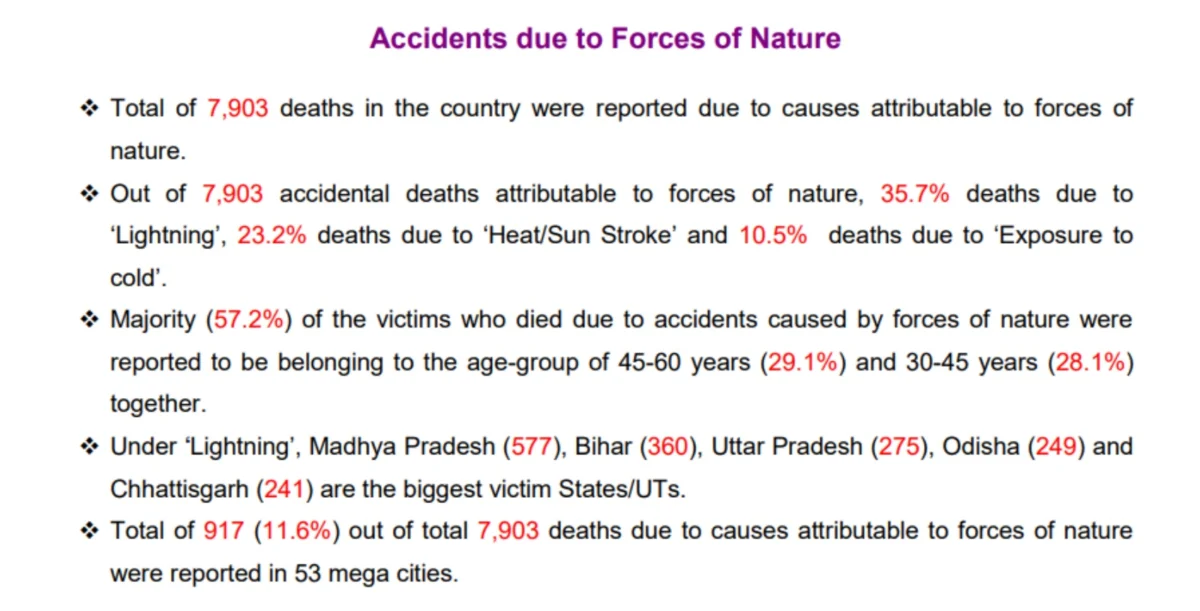
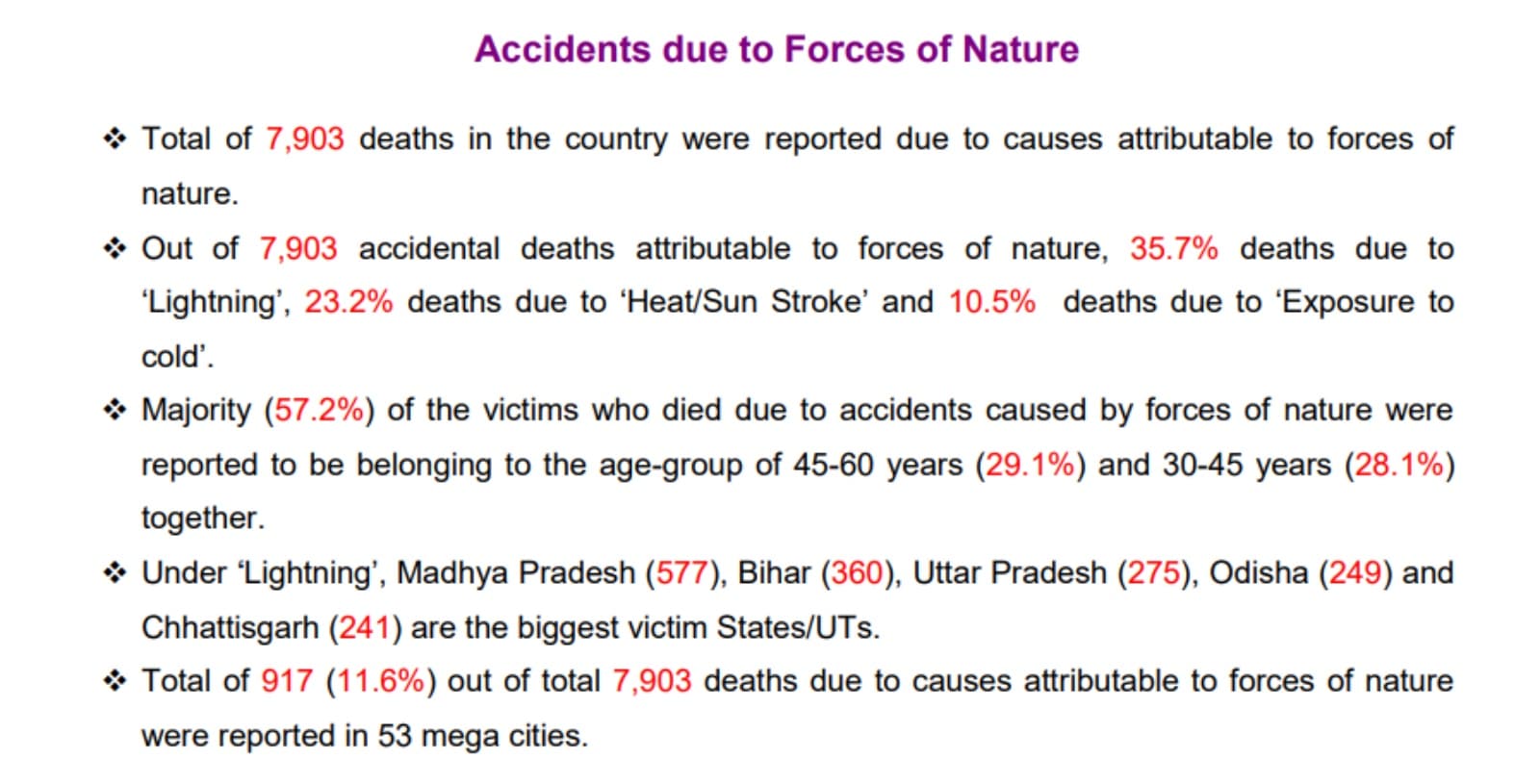
New Delhi, May 29, 2026 – What was once a perceived, albeit terrifying, meteorological event has escalated into one of India’s most lethal natural hazards. A stark analysis of the National Crime Records Bureau (NCRB) data for 2024 has revealed a chilling reality: lightning is claiming more lives than many other natural calamities combined. Out of a staggering 7,903 accidental deaths attributed to forces of nature across the country, a significant 35.7% – translating to an alarming 2,822 fatalities – were directly caused by lightning strikes. This surge in lightning-related mortality underscores a critical and often underestimated public health crisis, with experts now highlighting the profound and potentially fatal impact on the human heart and lungs, often unseen beneath the surface of external injuries.
While the immediate visual of a lightning strike might conjure images of severe burns or blunt trauma, cardiologists are raising a critical alarm about the internal devastation wrought by these powerful electrical surges. The human heart, a complex electrical organ itself, is particularly vulnerable to the immense voltage and rapid electrical current that a lightning bolt delivers. This vulnerability can lead to immediate cardiac arrest, a condition that, while devastating, is also, under specific circumstances, potentially reversible with prompt intervention.
The Escalating Threat: Understanding the Statistics
The NCRB data for 2024 paints a grim picture of lightning’s growing lethality. The sheer volume of deaths attributed to this phenomenon places it at the forefront of natural disaster fatalities in India. While floods, earthquakes, and cyclones often dominate headlines and disaster response efforts, lightning’s pervasive nature and the speed at which it strikes mean its victims are often caught completely unaware.
Key Findings from NCRB Data Analysis (2024):
- Total Accidental Deaths by Natural Forces: 7,903
- Deaths Attributed to Lightning: 2,822 (35.7% of total)
This significant percentage highlights a concerning trend. Experts suggest that several factors might be contributing to this rise, including increasing urbanization in vulnerable areas, changes in agricultural practices that keep more people outdoors, and potentially, although research is ongoing, subtle shifts in weather patterns that could be leading to more frequent or intense thunderstorms.
The Invisible Enemy: How Lightning Strikes the Heart
Dr. Ravi Prakash, a Senior Consultant in Cardiology at PSRI Hospital in New Delhi, explains the insidious nature of lightning’s impact on the cardiovascular system. "A lightning strike delivers an enormous electrical current through the body within milliseconds," he states. "The heart’s intricate electrical system, responsible for regulating its rhythm and ensuring a steady beat, is exquisitely sensitive to such surges. The shock can abruptly disrupt this delicate balance, leading to immediate and potentially catastrophic failure of normal rhythm."
The consequences are often swift and severe. Many victims succumb to sudden cardiorespiratory arrest, a simultaneous failure of both breathing and heartbeat. This is due to the lightning’s ability to overwhelm the body’s autonomic nervous system, which controls these vital functions.
"Unlike ordinary electric shocks, which may cause localized burns or nerve damage," Dr. Prakash elaborates, "lightning carries massive voltage and energy. This immense power can travel through the nervous system, muscles, and blood vessels almost instantaneously, creating widespread disruption." This rapid systemic impact is what makes lightning strikes so uniquely dangerous, often leaving little time for external signs of injury to manifest before critical internal organs are affected.
The Spectrum of Cardiac Complications
The immediate aftermath of a lightning strike can present a terrifying array of cardiac complications. Dr. Prakash outlines the potential damage: "Common cardiac complications include arrhythmias, which are irregular heartbeats; myocarditis, an inflammation of the heart muscle; ECG abnormalities, indicating electrical disturbances in the heart; temporary heart muscle dysfunction, where the heart’s pumping ability is compromised; and in the most severe cases, cardiac arrest."
Beyond these direct electrical effects, lightning can also mimic the symptoms of a heart attack. Patients may experience blood pressure instability, a rapid and erratic pulse, or myocardial injury that presents with symptoms and diagnostic markers similar to a heart attack. The electrical current can cause damage to the heart muscle itself, leading to reduced pumping efficiency and chest pain.
A particularly insidious aspect of lightning-related cardiac injury is its potential for delayed onset. "It’s crucial to understand that not all cardiac issues manifest immediately," warns Dr. Prakash. "Delayed rhythm disturbances and cardiac symptoms can occasionally appear hours or even days after the initial strike. This underscores the importance of thorough medical evaluation and ongoing monitoring for anyone who has been struck by lightning, even if they initially appear to be recovering."
The Criticality of the "Golden Hour" and Immediate Intervention
Despite the severity of lightning-induced cardiac arrest, medical professionals emphasize that survival is indeed possible, particularly when timely and aggressive resuscitation efforts are initiated. The principle of the "golden hour," crucial in many medical emergencies, is acutely relevant here.
"Yes, lightning victims can survive even severe cardiac injury if CPR is started immediately and resuscitation is continued aggressively," Dr. Prakash affirms. He explains that, unlike some other forms of cardiac arrest where the heart muscle may be irreversibly damaged, the heart in lightning strike victims can sometimes restart once oxygen supply and circulation are restored.
The key lies in prompt and effective intervention. Early defibrillation, using an automated external defibrillator (AED) to shock the heart back into a normal rhythm, is vital. Adequate ventilation support, ensuring the victim is breathing, and prolonged Cardiopulmonary Resuscitation (CPR) are also critical components of resuscitation. "Early defibrillation, ventilation support, and prolonged CPR can significantly improve survival chances," he reiterates. The electrical nature of the injury means that the heart’s electrical activity is disrupted, and prompt defibrillation can sometimes reset it.
The Lingering Shadow: Long-Term Cardiac Consequences for Survivors
While immediate survival is the primary concern, the long-term health implications for lightning strike survivors are also a significant area of medical focus. The powerful electrical jolt can leave lasting scars on the cardiovascular system.
"Long-term cardiac complications can occur in some survivors," states Dr. Prakash. "These may include chronic arrhythmias that persist long after the initial injury, autonomic dysfunction where the body’s involuntary functions like heart rate and blood pressure are not regulated properly, stress-induced cardiomyopathy, also known as Takotsubo cardiomyopathy or ‘broken heart syndrome,’ or generally impaired cardiac function after a major electrical injury."
Survivors are strongly advised to remain vigilant and not to dismiss any lingering symptoms. "After severe episodes, long-term cardiac follow-up is often advised," Dr. Prakash stresses. Symptoms such as persistent palpitations, unexplained chest pain, chronic fatigue, or breathlessness should never be ignored and warrant immediate consultation with a healthcare professional. Regular cardiac check-ups can help in early detection and management of any developing long-term complications, ensuring survivors can lead healthier and more fulfilling lives.
Addressing the Growing Crisis: A Call for Awareness and Preparedness
The escalating number of lightning-related deaths in India necessitates a multi-pronged approach. Public awareness campaigns are crucial to educate communities about the dangers of lightning, emphasizing safety measures during thunderstorms, such as seeking shelter indoors and avoiding tall trees or open fields.
Furthermore, enhanced preparedness at the community level, including widespread training in CPR and the strategic placement of AEDs in public spaces, could significantly improve survival rates for victims of cardiac arrest, including those caused by lightning. Government agencies, meteorological departments, and healthcare providers must collaborate to disseminate real-time weather alerts and promote lightning safety guidelines.
As India grapples with the increasing threat of lightning, understanding its devastating impact, particularly on the heart, and implementing robust preventative and response strategies are paramount. The silent fury of lightning demands our urgent attention, transforming statistical data into actionable insights to save lives and protect communities from this formidable natural hazard.
Disclaimer: This article is based on information from the public domain and expert opinions. It is intended for informational purposes only and does not constitute medical advice. Always consult with a qualified healthcare practitioner for any health concerns or before making any decisions related to your health or treatment.
