

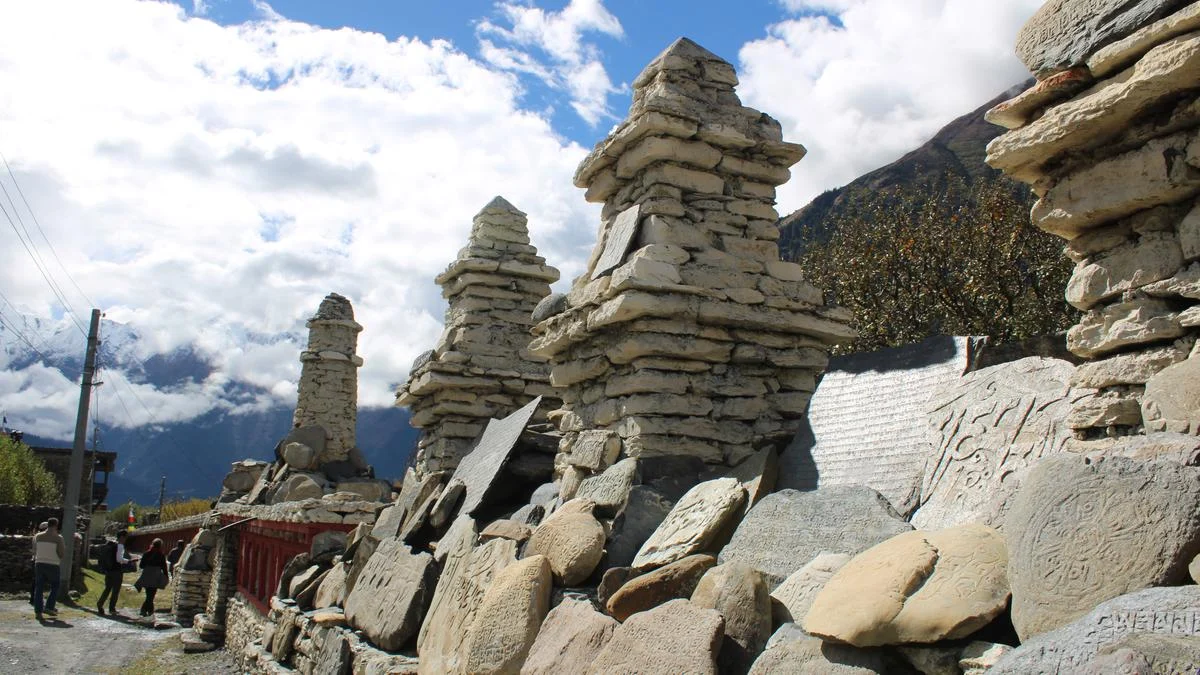
The simple greeting, "khanubhayo?" – "have you eaten?" – encapsulates the profound warmth and unparalleled hospitality that defines the Nepalese people. Beyond this heartfelt welcome, Nepal’s culinary tapestry, often globally recognized for its iconic momos and the ubiquitous daal-bhaat, is woven with a rich array of local ingredients and distinctive flavors. Among these, Thakali cuisine stands out as a testament to the ingenuity and resilience of a unique ethnolinguistic group. Hailing from the Thak-sat-se, or Thak Khola region nestled within the Kali Gandaki River valley in the Mustang District of north-central Nepal, the Thakali community, estimated at around 15,000 worldwide, has carved a significant niche in Nepal’s cultural and economic landscape, a story now poised to unfold on Indian shores.
From Mountain Valleys to Global Palates: The Ascent of Thakali Cuisine
The arrival of authentic Thakali cuisine in India is spearheaded by Vivek Man Sherchan, a dynamic engineer-turned-entrepreneur based in Kathmandu. He is the force behind Jimbu Thakali, a burgeoning chain of restaurants that has already garnered significant acclaim within Nepal. With the imminent opening of its first Indian outlet at M3M IFC, Sector 66, Gurugram, Sherchan aims to transcend the common perception of Nepali food in the Delhi-NCR region, which often leans towards more widely recognized dishes. "Delhi-NCR might have many places serving Nepali food," Sherchan states, "but we wanted to bring authentic Thakali flavours which go beyond the stereotypes." This endeavor signifies more than just introducing new dishes; it’s an invitation to experience a culinary heritage deeply rooted in history and tradition.
Charting the Historical Currents: The Rise of a Merchant Community
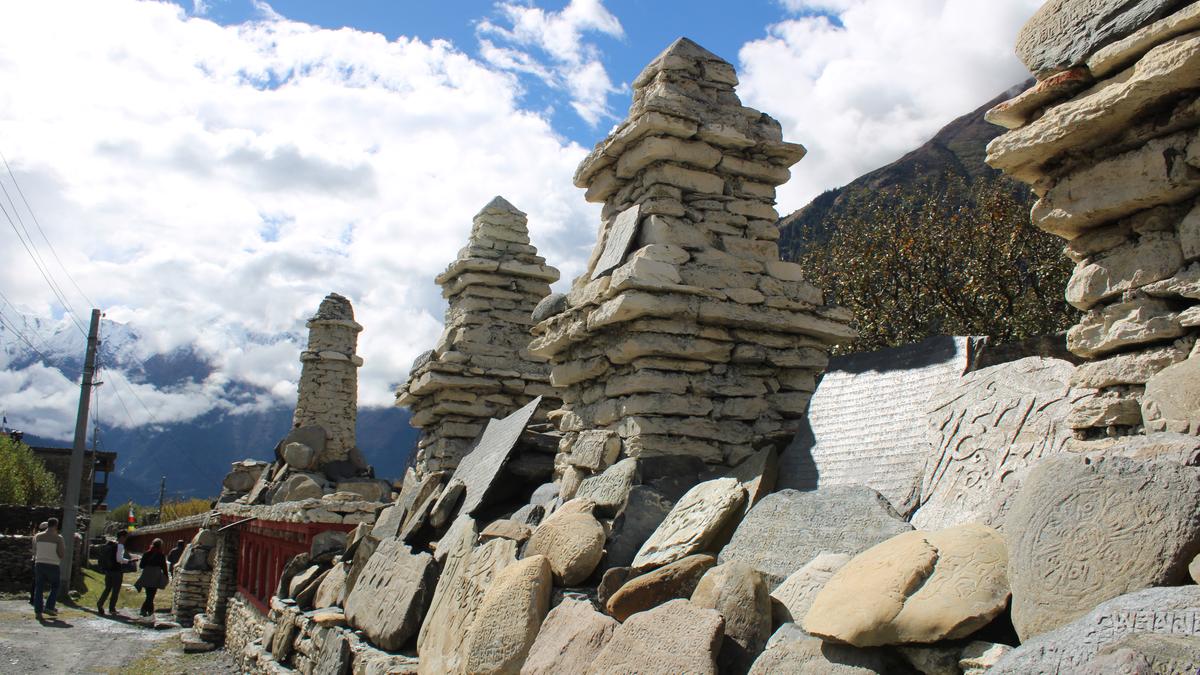
The remarkable journey of the Thakali people and their cuisine is intrinsically linked to historical events and their strategic positioning along ancient trade routes. Danish scholar Michael Vinding, in his seminal 1998 work, The Thakali: A Himalayan Ethnography, illuminates how the Nepal-Tibet War of 1855-56 marked a pivotal turning point for the community. This period of conflict and subsequent political shifts ushered in an era of prosperity and enhanced proximity to power for the Thakalis, who constitute approximately 1% of Nepal’s population.
Their invaluable contributions as soldiers and translators for the Nepali forces, led by the formidable Prime Minister Jung Bahadur Rana, were met with a cascade of lucrative business opportunities. These ranged from the vital salt trade and mining ventures to the import-export of livestock and food items, and crucially, roles as customs collectors. This strategic advantage allowed the Thakalis to amass wealth and influence, laying the groundwork for their future economic endeavors.
The Shift from Trade to Diversification
The economic landscape, however, was subject to governmental reforms. In 1927, the abolition of the old customs collecting system and the dismantling of trade monopolies, including that of salt, prompted a significant transformation within the Thakali community. No longer solely reliant on their traditional trading roles, this enterprising group demonstrated remarkable adaptability. Many migrated from their ancestral home in Mustang to the more prosperous southern regions of Nepal, seeking new avenues for growth.
This migration spurred a diversification of their economic activities. The Thakalis not only embraced agriculture and animal husbandry but also strategically ventured into the burgeoning hospitality sector, establishing hotels and restaurants. This pivot proved to be a watershed moment, allowing them to leverage their inherent business acumen and cultural understanding to create businesses that celebrated and shared their unique heritage.
A Fusion of Flavors: The Genesis of Thakali Cuisine
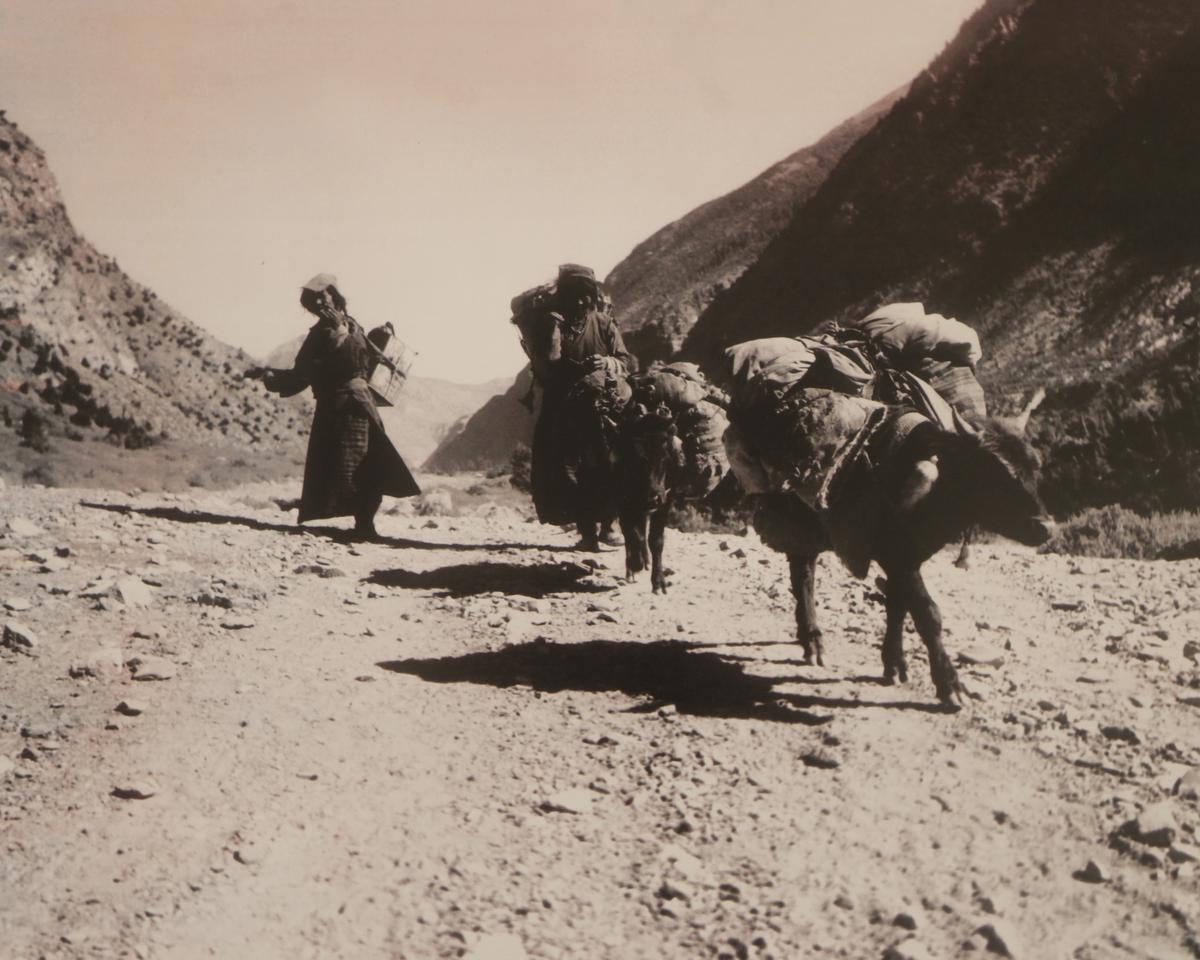
The historical trade routes played an instrumental role in shaping Thakali cuisine into the rich and complex culinary tradition it is today. As goods and ideas flowed between the Himalayas and beyond, so too did culinary influences. Thakali cuisine emerged as a harmonious blend of indigenous Himalayan ingredients, the robust spices that characterized the salt routes, and subtle yet significant Tibetan influences.
This fusion is vividly reflected in the core components of Thakali meals. Staples such as buckwheat and millets, hardy grains that thrive in the mountain climate, form the foundation. Unique local herbs and spices, like jimbu (a pungent herb belonging to the onion/garlic family) and timur (Sichuan or Nepali pepper), impart a distinctive aroma and flavor profile. The inclusion of sukuti (air-dried meat), gundruk (fermented leafy greens), and sinki (fermented radish roots) showcases the Thakali mastery of preservation techniques, essential for sustenance in the rugged mountain environment. Furthermore, their engagement with Indian traders over these routes introduced them to a spectrum of Indian spices, including turmeric, cumin, ginger, and fenugreek, which were gradually integrated into their culinary repertoire, adding depth and complexity.

From Mother’s Kitchen to Restaurant Chain: The Legacy of Prabha Sherchan
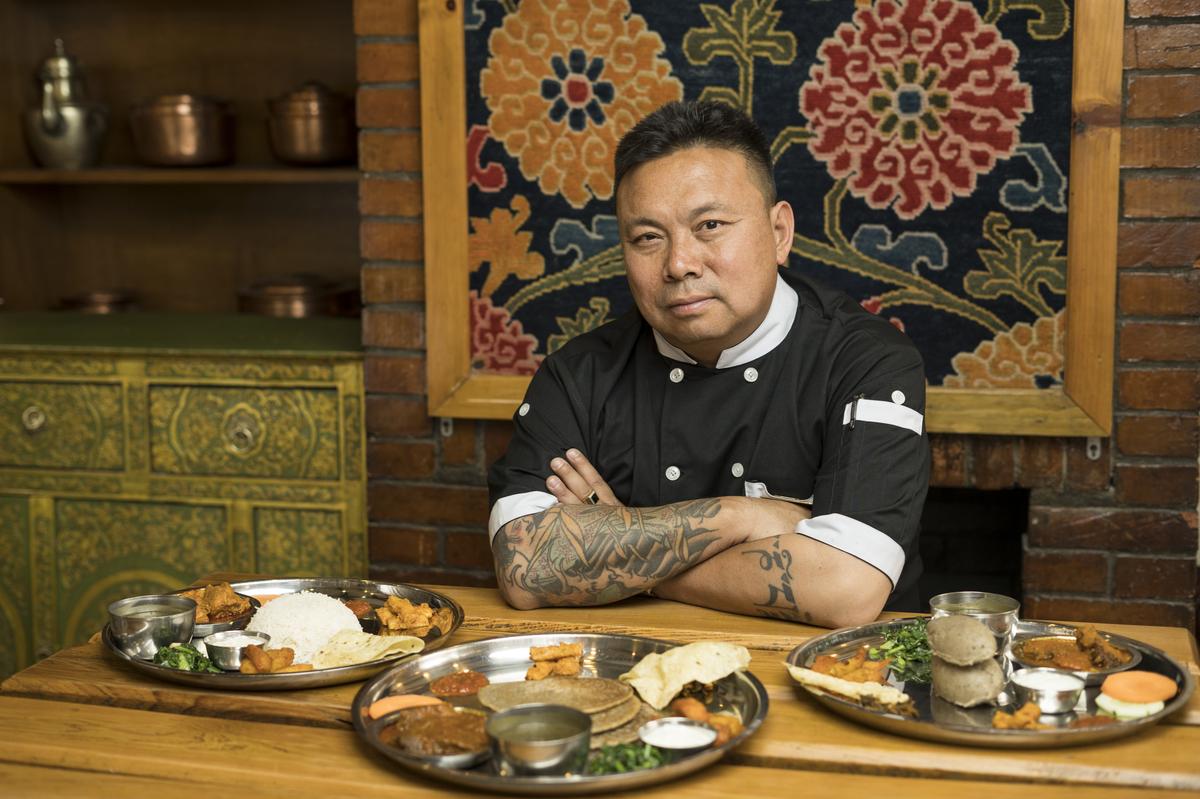
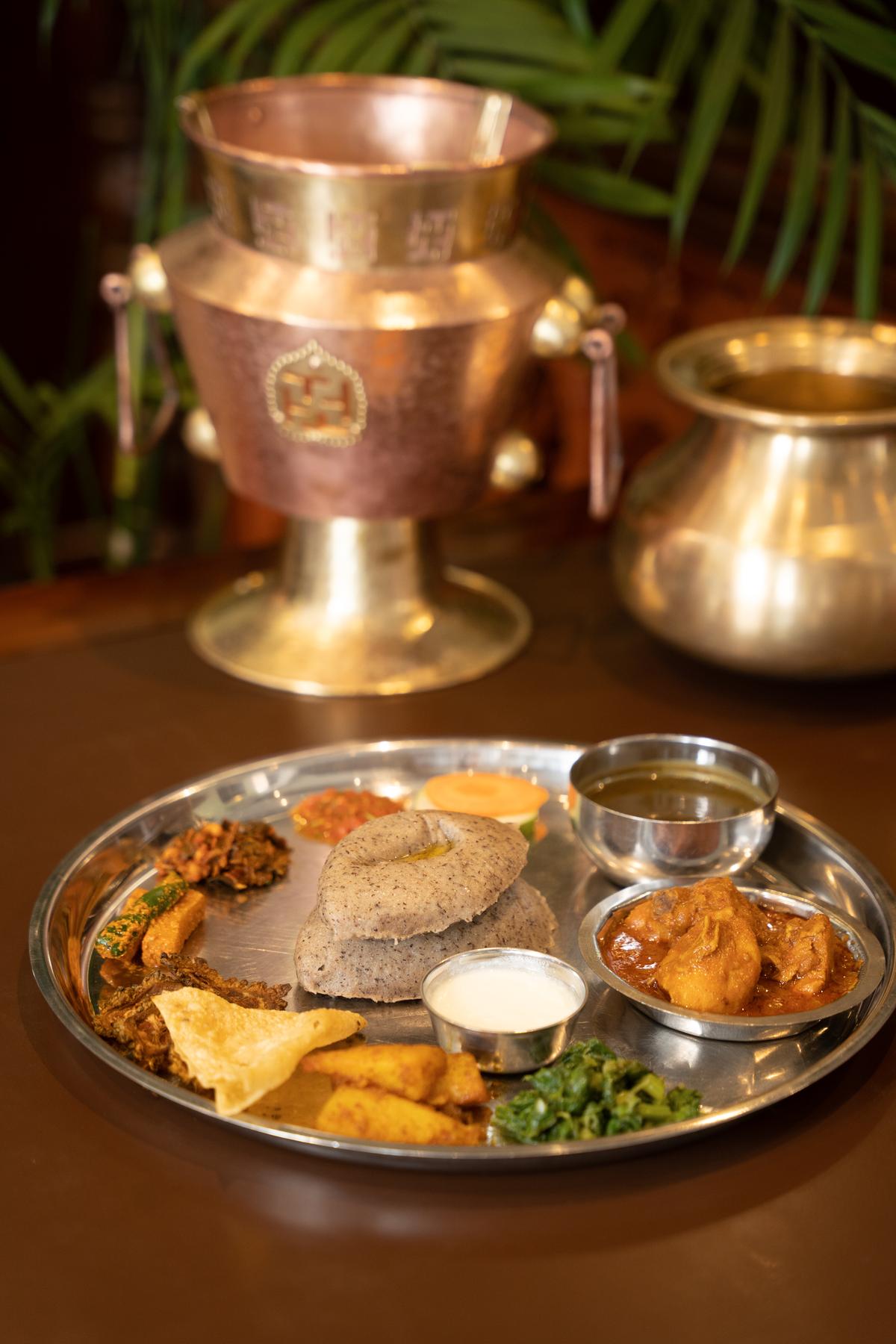
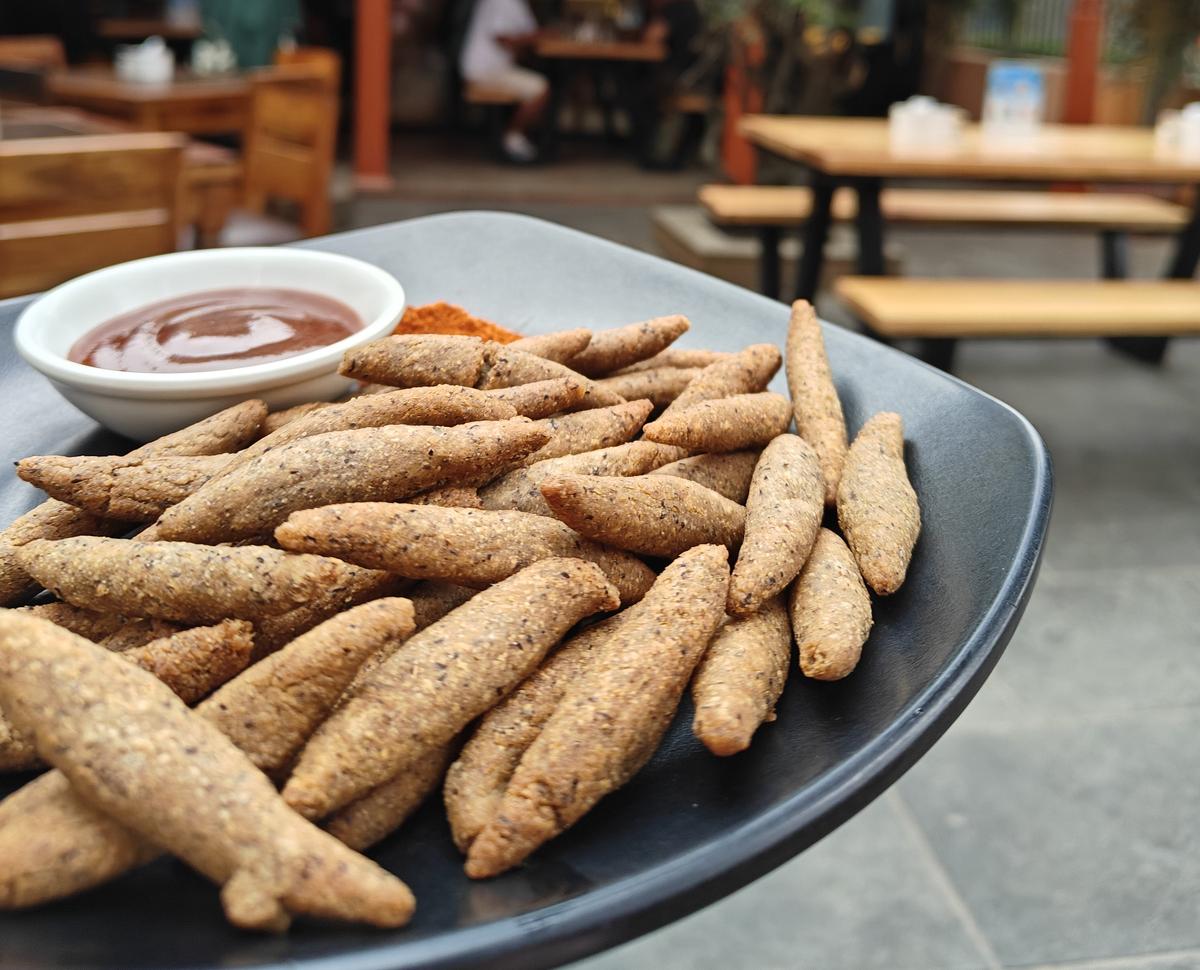
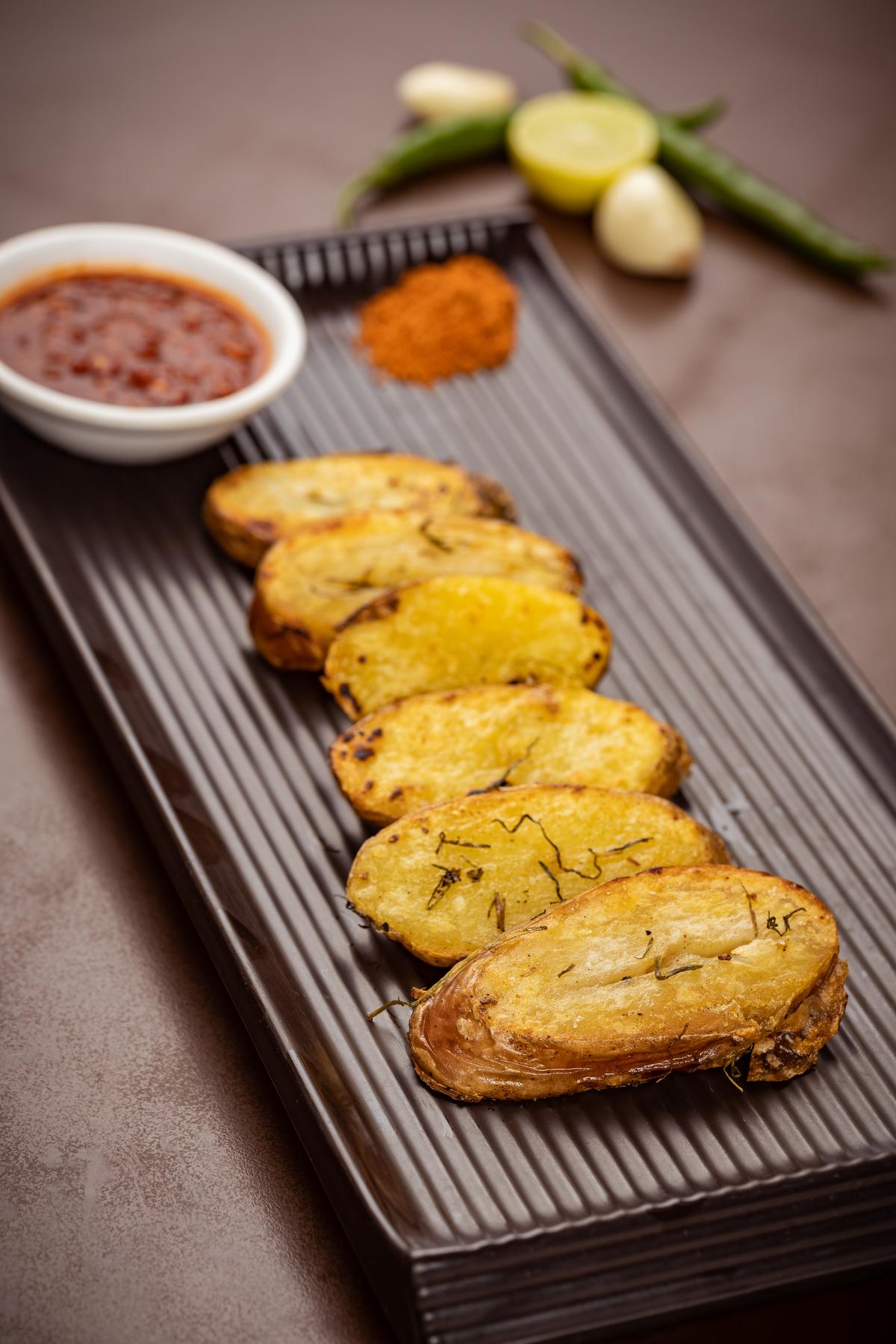
The heart of Thakali cuisine, according to Vivek Man Sherchan, lies in its authentic, home-cooked essence. At the Tangal branch of Jimbu Thakali in Kathmandu, Sherchan often guides patrons through the nuanced interplay of sweet, sour, spicy, frugal, and rich elements that define a traditional Thakali meal. The culinary journey typically commences with appetizers like kanchemba (crispy buckwheat fries) and jimbu-tempered potatoes, offering a tantalizing preview of the flavors to come.
"The aim was to bring authentic Thakali – home-cooked, traditional, comfort food – to guests," Sherchan explains. Central to achieving this authentic vision has been his mother, Prabha Sherchan, whose culinary expertise has been instrumental in finalizing the recipes and menu. "Everyone says that her ladle is exceptional," he adds with a fond smile, highlighting the generational transfer of culinary knowledge and passion that underpins Jimbu Thakali. Founded in 2016, the chain has steadily expanded, now boasting four outlets – three in Kathmandu and one in Patan – each a testament to the enduring appeal of traditional Thakali flavors.
An Architectural Prelude: Bringing Kathmandu’s Charm to India
Vivek Man Sherchan’s initial aspirations to introduce Thakali cuisine to India in 2021 were unfortunately waylaid by the global pandemic. However, his vision for the Indian outlet extends far beyond the culinary experience. He harbored a deep desire to recreate the ambiance of a Durbar Square, complete with the renowned Newari woodwork, a hallmark of Nepalese architectural grandeur.
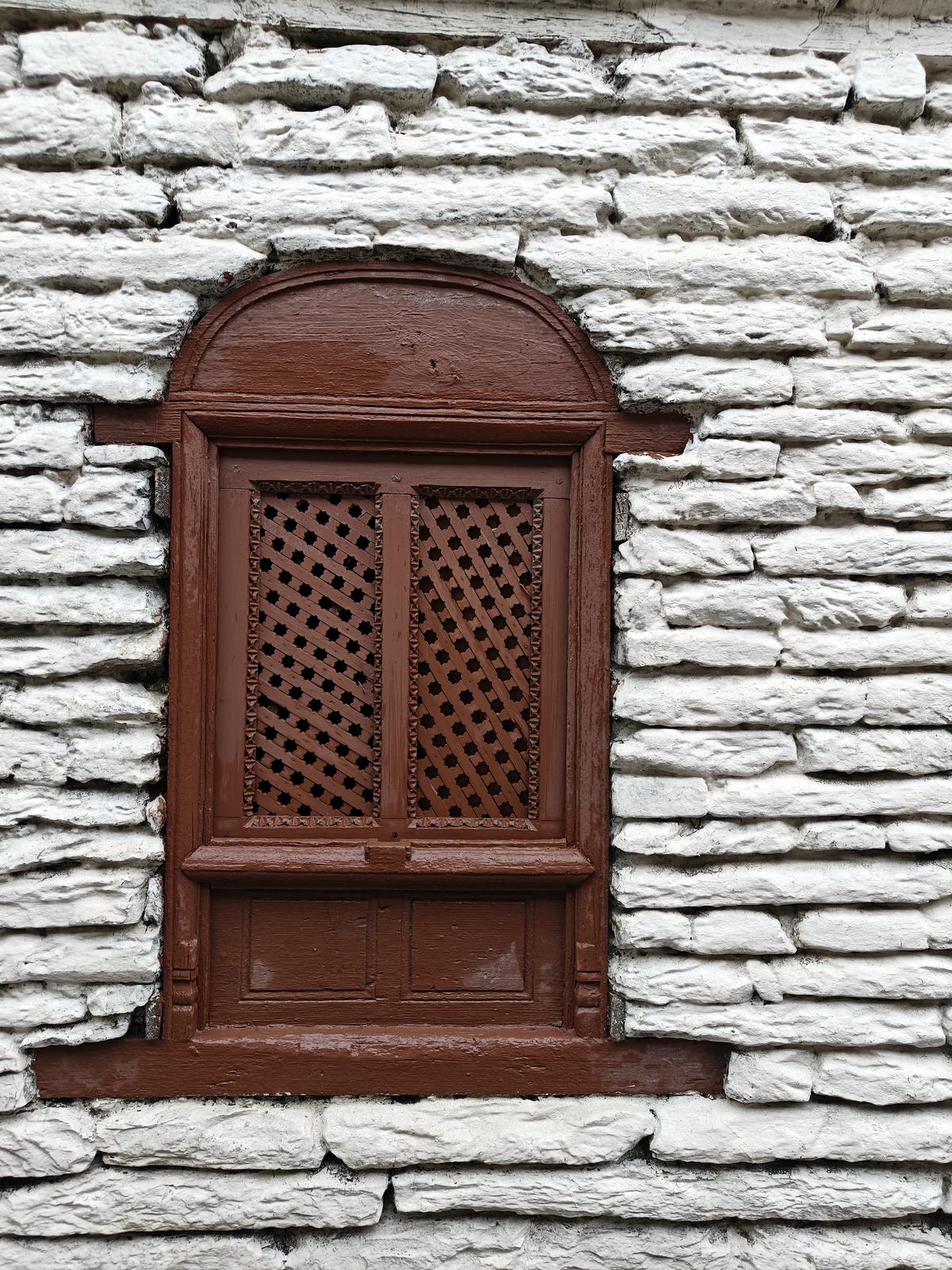
This indigenous architectural style, primarily developed by the Newars, the historical inhabitants of the Kathmandu Valley, is a captivating blend of Hindu and Buddhist motifs. The intricately carved Newari windows and doors, with their distinctive patterns and craftsmanship, are iconic features of landmarks like the Patan and Kathmandu Durbar Squares, as well as numerous other palaces, temples, and traditional houses. By incorporating this architectural aesthetic into his Gurugram restaurant, Sherchan aims to offer a holistic cultural immersion, transporting diners to the heart of Nepal even as they savor its distinct flavors.
The Art of Newari Architecture
Newari architecture is characterized by its meticulous attention to detail, its harmonious integration with the natural environment, and its profound spiritual significance. The elaborate woodwork, often crafted from local timber, is not merely decorative; it tells stories, depicts deities, and symbolizes the community’s rich cultural heritage. The latticed windows, known as nyatapola, and the intricately carved doorways, are testaments to the skill and artistry of generations of Newari craftsmen. This architectural philosophy, deeply intertwined with the spiritual and social fabric of Nepal, will undoubtedly add a layer of authenticity and visual richness to the Jimbu Thakali experience in India.
A Palate of Promise: Thakali Flavors for the Indian Consumer
Sherchan expresses strong confidence that Thakali flavors will resonate deeply with the palates of Delhi-NCR residents. He observes, "It will not be a completely unfamiliar palate for them as there are a lot of similarities between Indian and Nepali food when it comes to using spices and produce." This shared culinary heritage provides a fertile ground for acceptance and appreciation.
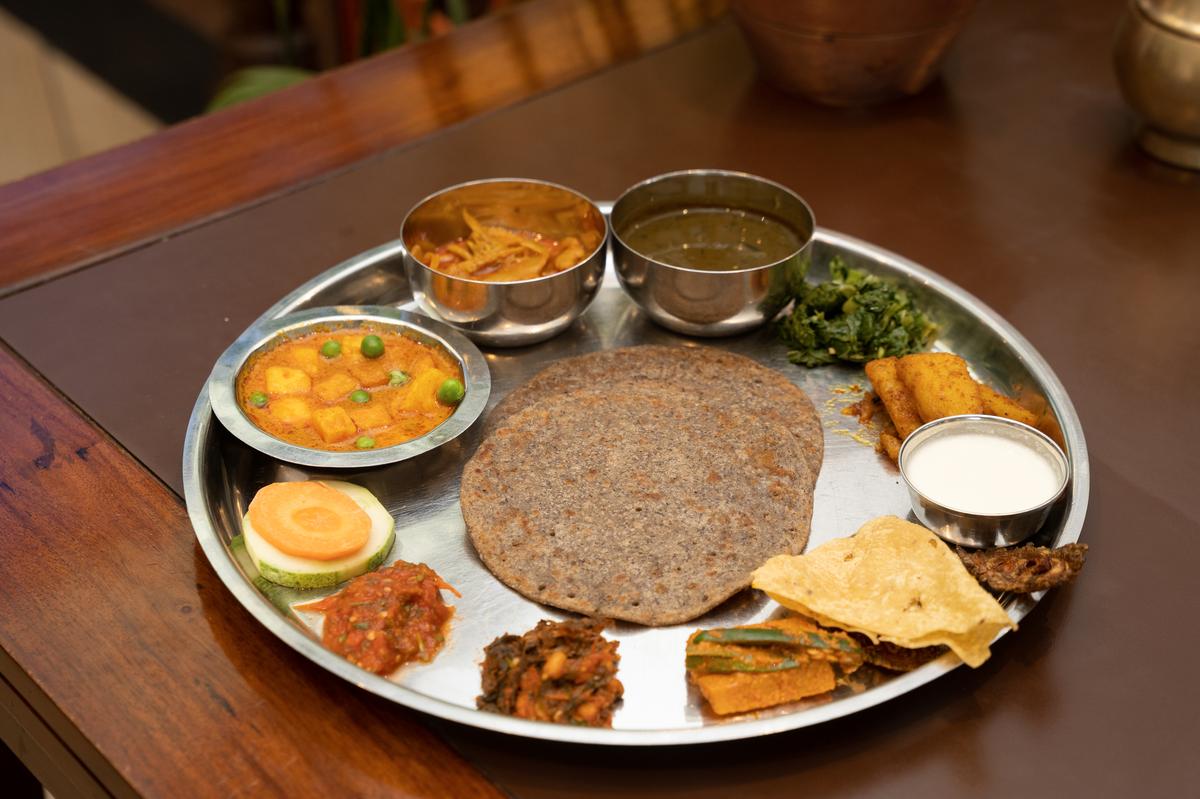
However, he emphasizes the unique elements that set Thakali cuisine apart. "But the slow cooking methods, especially our daal, and ingredients like jimbu, timur, and phapar (buckwheat) not only define Thakali food, they also set it apart." The unhurried approach to cooking, allowing flavors to meld and deepen, is a hallmark of traditional Thakali cooking. The distinctive aromatic notes of jimbu, the subtle tingling sensation of timur, and the wholesome earthiness of phapar contribute to a culinary identity that is both familiar and refreshingly novel.
The Pillars of a Thakali Meal
A traditional Thakali meal is a symphony of textures and tastes, typically comprising several key components. The ubiquitous daalbhat (lentils and rice) forms the comforting base, complemented by tarkari (vegetables) prepared with nuanced spicing. Achaar (pickles), ranging from tangy to fiery, provide a delightful counterpoint. Staples like gundruk, sekuwa (marinated and grilled meat, often goat or chicken), and masu (rich meat curries) further enrich the dining experience.
Integral to the Thakali diet are dhido, a thick porridge made from buckwheat or millet, and ghoken (buckwheat pancakes). These are often served with a dollop of homemade aromatic ghee, adding a layer of richness and depth. The cooking methodology emphasizes slow simmering and light tempering, allowing the natural flavors of the ingredients to shine through. Among the spices, timur and jimbu emerge as stars, their distinct profiles lending a characteristic zing to many dishes.
Beyond the core Thakali offerings, Jimbu Thakali in Gurugram is also poised to introduce diners to lesser-known Nepalese delicacies from other communities. Signature dishes like their choila wings, prepared with traditional Newari spices and mustard oil, and Mutton Sukuti, a delicacy made from dried, smoked goat meat, promise to broaden the Indian palate’s understanding of Nepal’s diverse culinary landscape.
Resilience and Entrepreneurship: A Community’s Enduring Spirit
The evolution of the Thakali people from seasonal food traders to accomplished entrepreneurs in the hospitality sector is a compelling narrative of adaptation and foresight. What began as a pragmatic response to seasonal economic cycles ultimately blossomed into a diversified business acumen that has propelled them into various spheres of trade and entrepreneurship. This enduring instinct for adaptation and the ability to identify and seize opportunities continue to be the bedrock of the community’s sustained success.
Through Jimbu Thakali, Vivek Man Sherchan aspires to achieve more than just commercial success. He aims to offer discerning diners an authentic gateway into a distinctive culinary tradition, while simultaneously providing a glimpse into the rich history, vibrant culture, and remarkable resilience of a community whose story is inextricably woven into the very fabric of Nepal’s ancient trade routes and majestic mountain landscapes. The arrival of Jimbu Thakali in India marks a significant cultural exchange, promising a culinary journey that is as enriching in its history as it is delightful in its flavors.
