

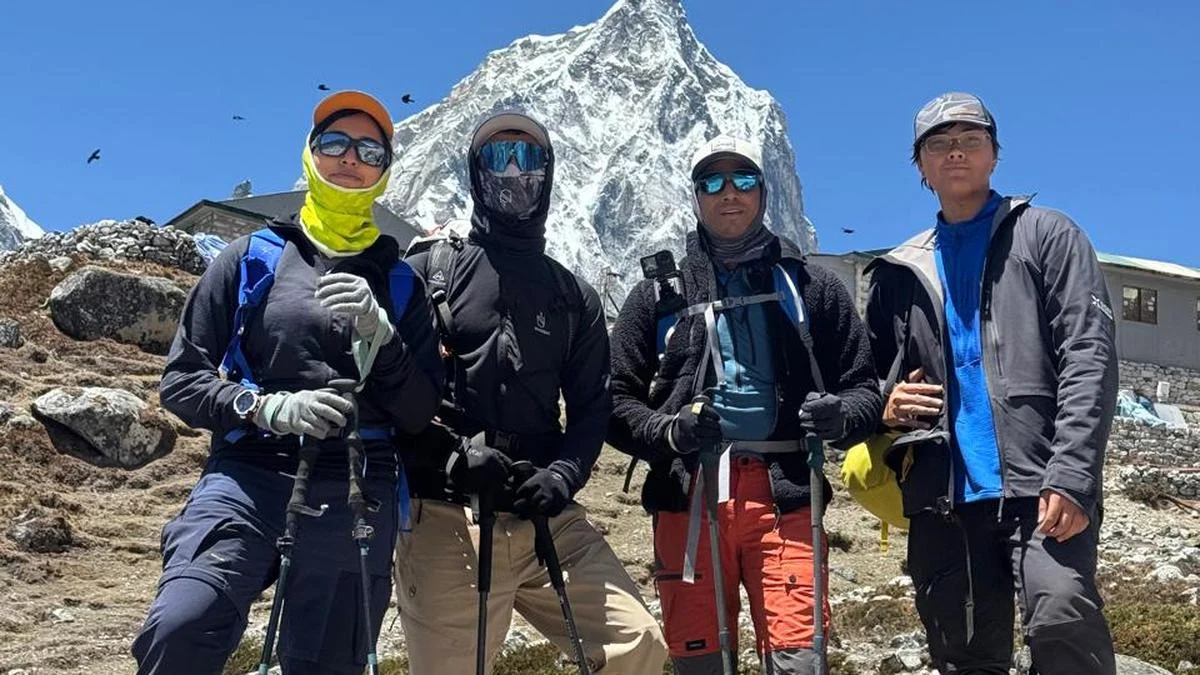
Chennai, India – May 31, 2026 – In a remarkable feat of endurance and courage, 16-year-old Nisha Sasikumar from Chennai has successfully summited Mount Everest, the world’s highest peak. Reaching the formidable 8,848.86-meter summit on May 25, 2026, at the tender age of 16 years and 80 days, Nisha has etched her name in mountaineering history as one of the youngest individuals to conquer the iconic mountain via the challenging South Col route from Nepal. Her achievement is a testament to extraordinary grit, meticulous preparation, and an unwavering spirit of adventure that has captivated the nation.
The expedition, meticulously organized by Elite Exped, saw Nisha and her fellow climbers embark on a journey that tested their physical and mental fortitude against the extreme conditions of the Himalayas. Her successful ascent not only marks a personal triumph but also shines a spotlight on the burgeoning talent of young Indian adventurers on the global stage. As Nisha safely descends from the roof of the world, her words echo with the profound lessons learned: "This journey taught me the importance of resilience, preparation, and believing in yourself, even in the toughest conditions." This sentiment underscores the immense challenges faced and overcome by all who attempt the Everest climb.
A Climber’s Journey: From Chennai Hills to the Himalayan Heights
Nisha Sasikumar’s ascent of Mount Everest is not an isolated event but the culmination of years of dedicated training and a burgeoning passion for high-altitude mountaineering. Even before setting her sights on Everest, Nisha had demonstrated a remarkable aptitude for scaling challenging peaks, laying a strong foundation for her ultimate goal.
Early Aspirations and the Seven Summits Drive:
From a young age, Nisha harbored dreams of exploring the world’s highest mountains. This ambition was solidified by her aspiration to complete the prestigious Seven Summits challenge, a feat that involves climbing the highest peak on each of the seven continents. This ambitious undertaking requires not only physical prowess but also significant logistical planning, financial investment, and a deep understanding of diverse mountaineering environments.
A String of Continental Achievements:
Prior to her Everest triumph, Nisha had already made significant strides towards her Seven Summits goal. Her impressive list of conquered peaks includes:
- Mount Elbrus (Europe): Located in Russia, Elbrus is the highest peak in the Caucasus Mountains and is often considered the highest point in Europe. Scaling Elbrus requires acclimatization to high altitudes and navigating challenging weather conditions.
- Mount Kilimanjaro (Africa): The dormant volcano in Tanzania is the highest peak in Africa and a popular trekking destination. While often considered a non-technical climb, Kilimanjaro’s significant altitude and varied climatic zones present a substantial challenge.
- Mount Kosciuszko (Australia): The highest mountain on the Australian mainland, Kosciuszko is a more accessible climb, often undertaken by those seeking an introduction to mountaineering.
- Carstensz Pyramid (Oceania): This jagged limestone peak in Indonesia’s Sudirman Range is considered the highest peak in Oceania and presents a technical rock-climbing challenge, requiring specialized skills and equipment.
- Mount Aconcagua (South America): The highest mountain outside of Asia, Aconcagua in Argentina is known for its extreme altitude, harsh weather, and the "normal route" which, despite being non-technical, is a demanding high-altitude trek.
These climbs, undertaken with dedication and growing expertise, have honed Nisha’s skills in acclimatization, endurance, navigation, and managing the psychological demands of high-altitude environments. Each successful summit has provided invaluable experience, building confidence and refining her approach to the ultimate challenge.
The Everest Expedition: A Grueling Ascent to the Top of the World
The decision to attempt Mount Everest is a monumental one, requiring years of planning, rigorous training, and substantial financial backing. Nisha’s expedition, organized by Elite Exped, was no exception, involving a complex logistical operation and a team of experienced Sherpas and guides.
The South Col Route:
Nisha and her team opted for the South Col route, the most popular and widely used ascent path from Nepal. This route begins at Everest Base Camp and follows a path through the Khumbu Icefall, Western Cwm, Lhotse Face, and finally to the South Col, a saddle between Everest and Lhotse. The journey is fraught with perils, including:
- The Khumbu Icefall: A dynamic and treacherous glacier that moves constantly, creating crevasses and seracs (large blocks of ice) that must be navigated using fixed ropes and ladders.
- The Western Cwm: A glacial valley that can experience extreme heat during the day, leading to rapid melting and increased avalanche risk.
- The Lhotse Face: A steep wall of ice and rock that requires sustained effort and technical climbing skills.
- The Death Zone: Above 8,000 meters, the atmospheric pressure is so low that the human body cannot acclimatize, and survival is only possible for short periods. Oxygen levels are critically low, and the risk of altitude sickness, frostbite, and exhaustion is extremely high.
Key Milestones and Challenges:
The expedition typically involves several stages of acclimatization, with climbers making ascents to progressively higher camps and then returning to lower altitudes to allow their bodies to adapt. These rotations are crucial for minimizing the risk of altitude sickness.
- Everest Base Camp (EBC): The starting point of the expedition, located at approximately 5,364 meters (17,598 feet). This bustling temporary city serves as a hub for climbers, support staff, and logistics.
- Camp I, II, III, and IV: Each camp represents a significant step higher and a greater challenge in terms of altitude, terrain, and weather. Camp IV, situated on the South Col, is the final staging post before the summit push.
- The Summit Push: This is the most demanding phase, usually undertaken in the late evening or early morning hours to take advantage of calmer weather conditions and allow for descent during daylight. Climbers often spend days in the "Death Zone," battling extreme cold, fierce winds, and the debilitating effects of low oxygen.
The Role of Sherpa Guides:
The contribution of Sherpa guides is indispensable to the success of any Everest expedition. These experienced mountaineers, often from the local Sherpa community, possess unparalleled knowledge of the mountain, its routes, and its hazards. They are responsible for fixing ropes, carrying essential gear, setting up camps, and providing crucial support and guidance to the climbers, often at great personal risk.
Supporting Data and Context: Young Climbers on Everest
Nisha Sasikumar’s achievement places her among a select group of young individuals who have dared to conquer the world’s highest peak. The trend of younger climbers attempting Everest has been a subject of both admiration and debate within the mountaineering community.
Records and Notable Young Climbers:
- Jordan Romero (USA): In 2010, at the age of 13 years and 10 months, Jordan Romero became the youngest person to summit Mount Everest from the North Col route in Tibet.
- Malavath Poorna (India): In 2014, Malavath Poorna, a student from Telangana, India, became the youngest girl to summit Everest at the age of 13 years and 11 months via the South Col route.
- Temba Tsheri Sherpa (Nepal): In 2001, at the age of 16 years and 146 days, Temba Tsheri Sherpa became the youngest to summit from the Nepal side.
These young climbers, like Nisha, demonstrate exceptional physical and mental resilience, often supported by experienced teams and a strong commitment to safety protocols.
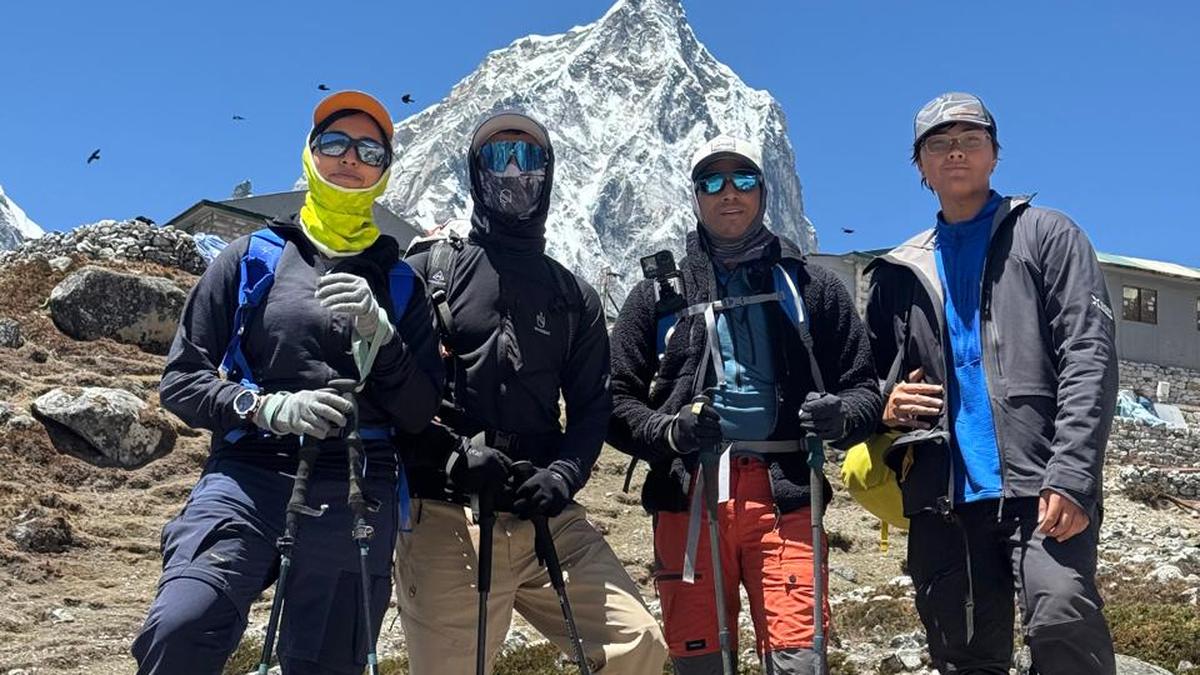
Age Restrictions and Safety Concerns:
While there are no official age limits set by the Nepalese government for climbing Everest, expedition companies often have their own policies. Some companies may have minimum age requirements, typically around 16 or 18 years old, for safety reasons. The primary concern is ensuring that young climbers have the maturity, physical development, and psychological fortitude to withstand the extreme demands of the climb. Experts emphasize the importance of thorough medical evaluations and comprehensive training for any young individual aspiring to climb Everest.
Official Responses and National Pride
Nisha Sasikumar’s monumental achievement has garnered widespread admiration and praise from various quarters. Her success has been met with enthusiastic recognition from mountaineering organizations, government officials, and the public alike, highlighting the pride India takes in her remarkable accomplishment.
Mountaineering Federations:
Organizations such as the Indian Mountaineering Foundation (IMF) are expected to officially acknowledge Nisha’s feat, celebrating her as an inspiration for aspiring mountaineers across the country. Such achievements often lead to increased interest and support for adventure sports within India.
Government and Political Figures:
It is anticipated that dignitaries and government officials, including potentially the Minister of Youth Affairs and Sports and state government representatives from Tamil Nadu, will extend their congratulations to Nisha and her family. Her summit could be seen as a significant moment for promoting adventure tourism and highlighting India’s growing prowess in high-altitude mountaineering.
Public Commendation:
Social media platforms and news outlets have been abuzz with congratulations and well wishes for Nisha. Her story serves as a powerful narrative of determination, breaking barriers, and achieving the seemingly impossible, resonating deeply with a nation that celebrates its heroes.
Implications and Future Prospects
Nisha Sasikumar’s successful ascent of Mount Everest carries significant implications, not only for her personal journey but also for the broader landscape of mountaineering and adventure sports in India.
Inspiration for Future Generations:
As one of the youngest individuals to achieve this extraordinary feat, Nisha’s story is poised to inspire a new generation of Indian youth to pursue their adventurous dreams. Her success demonstrates that with dedication, proper training, and unwavering belief, seemingly insurmountable challenges can be overcome, regardless of age or background. This could lead to a surge in interest in mountaineering and other high-adventure sports among young Indians.
Advancement of Indian Mountaineering:
Nisha’s achievement further solidifies India’s growing reputation on the global mountaineering stage. It highlights the increasing capabilities and potential of Indian climbers and expedition organizers. This could attract more international attention and collaboration in the field of Indian mountaineering.
The Seven Summits Aspiration:
With Everest now conquered, Nisha’s focus will undoubtedly shift towards completing the Seven Summits challenge. Her ambition to climb Denali (North America) in June and Vinson Massif (Antarctica) in November will be closely watched. Completing this ultimate mountaineering quest would place her in an even more elite category of global adventurers. Her continued pursuit of these challenging peaks will undoubtedly provide further inspiration and generate significant interest in her progress.
Nisha Sasikumar’s journey to the summit of Mount Everest is more than just a personal triumph; it is a beacon of possibility, a testament to human resilience, and a proud moment for India. Her story will undoubtedly resonate for years to come, encouraging countless others to reach for their own personal summits.
