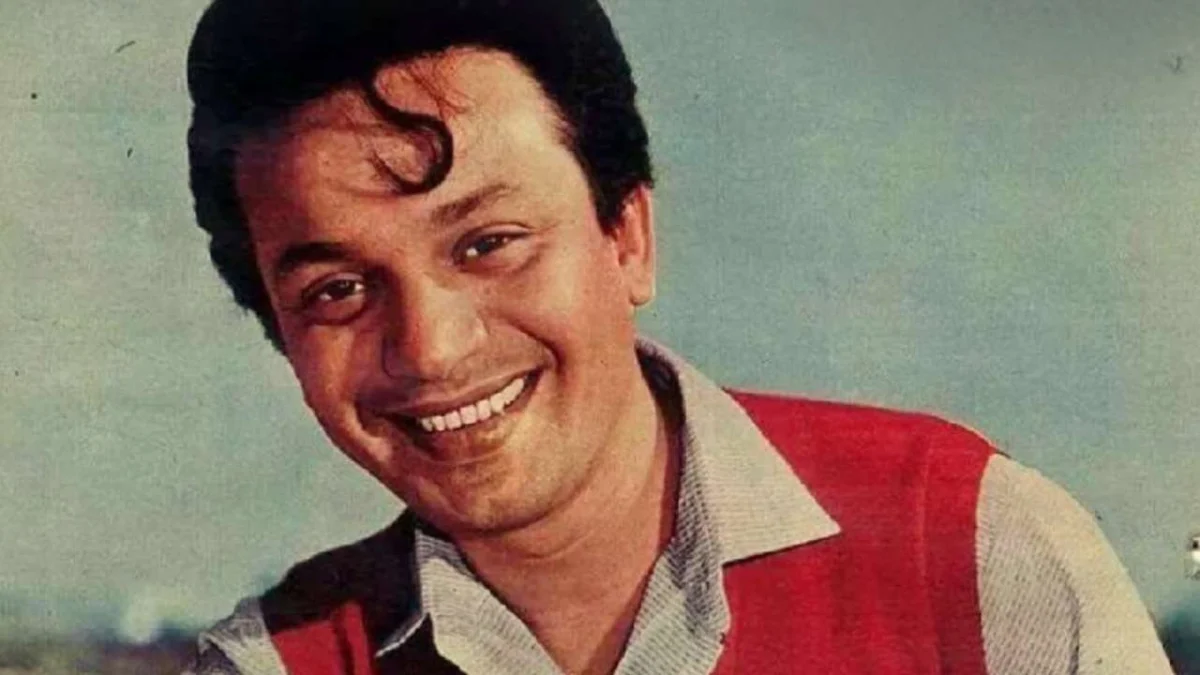
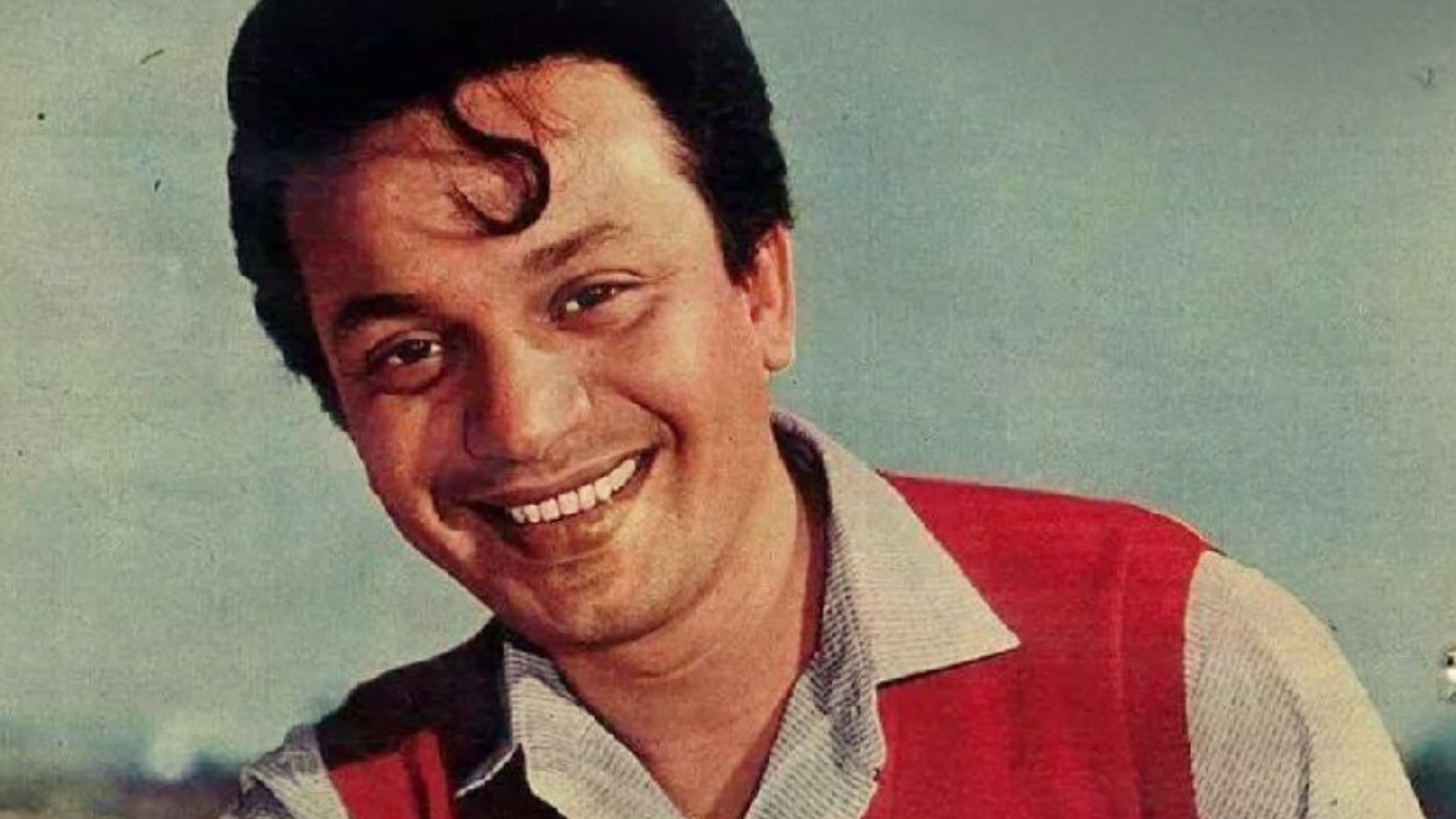
Kolkata, India – September 3, 2026 – The cinematic landscape of India, particularly the vibrant heart of Bengal, is today awash in a tide of reverence and remembrance. On the momentous occasion of his 100th birth anniversary, the legendary Uttam Kumar, universally hailed as the ‘Mahanayak’ (Great Hero), is being celebrated as one of Bengali cinema’s most enduring cultural icons. A constellation of prominent figures, from the highest echelons of national leadership to the brightest stars of the contemporary film industry, have paid glowing tributes to the actor whose charisma, versatility, and emotional depth continue to resonate across generations.
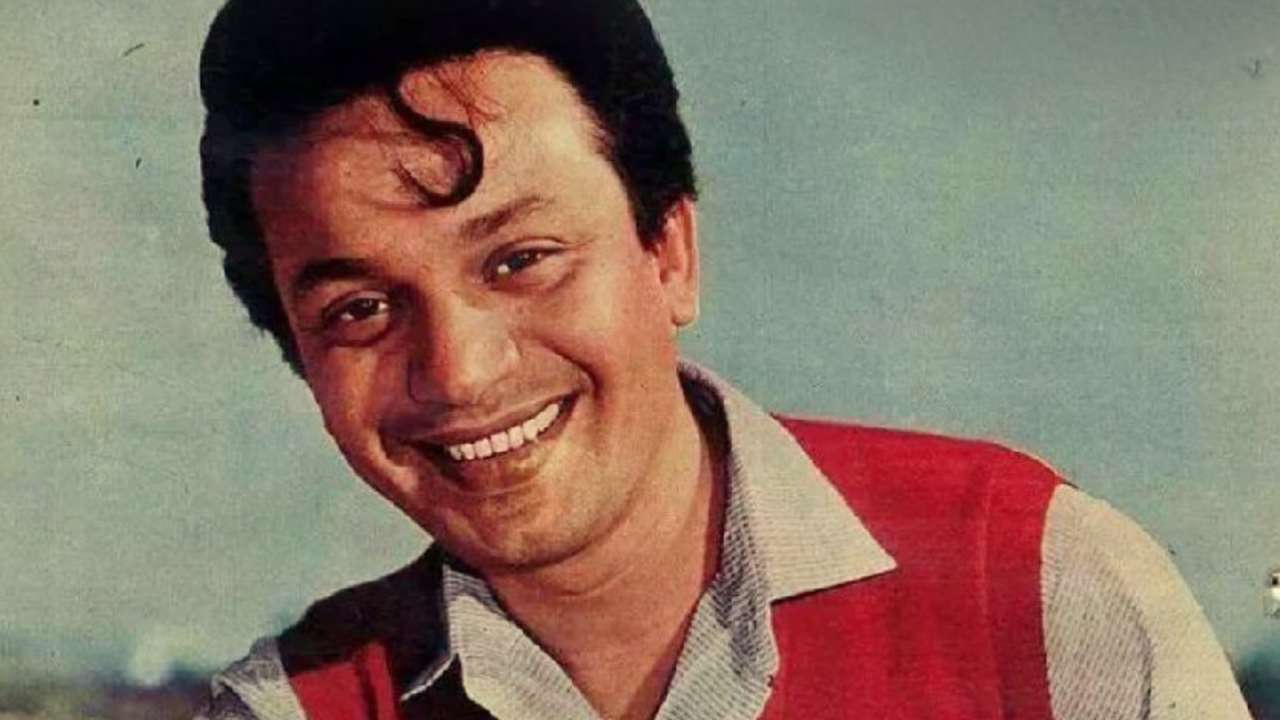
Prime Minister Narendra Modi, Union Home Minister Amit Shah, West Bengal Chief Minister Suvendu Adhikari, alongside celebrated actors such as Prosenjit Chatterjee, Jeet, and Raima Sen, have all taken to various platforms to honor the legacy of Arun Kumar Chattopadhyay, the man behind the iconic persona of Uttam Kumar. Born on September 3, 1926, Uttam Kumar’s prolific career spanned over three decades, etching his name into the annals of Indian cinema with an unparalleled imprint.
)
The Enduring Reign of the ‘Mahanayak’
Uttam Kumar was more than just an actor; he was an emotion, a cultural phenomenon that transcended the silver screen to become an intrinsic part of Bengali identity. His ability to embody a spectrum of characters, from the dashing romantic hero to the introspective intellectual, captivated audiences and critics alike. His films, many of which are now considered classics, such as "Saptapadi," "Harano Sur," "Nayak," "Antony Firingee," "Grihadaha," "Jiban Mrityu," and "Chiriakhana," continue to be celebrated for their storytelling, performances, and lasting relevance.

The pairing of Uttam Kumar with the equally iconic Suchitra Sen remains one of Indian cinema’s most cherished screen partnerships. Their chemistry in films like "Sare Chuattor," "Harano Sur," "Saptapadi," and "Chawa Pawa" became legendary, creating a romantic ideal that has endured for decades. Beyond his romantic roles, Kumar also proved his mettle in more complex and character-driven narratives, notably in Satyajit Ray’s critically acclaimed "Nayak," a film for which Ray is said to have envisioned Kumar from the outset. His groundbreaking performance in "Antony Firingee" earned him the distinction of being the first recipient of the National Film Award for Best Actor, an honor he shared for his role in "Chiriyakhana," where he also portrayed the famous detective Byomkesh Bakshi.
)
Tributes from the Nation’s Leaders
The profound impact of Uttam Kumar’s artistry was underscored by the widespread tributes from the nation’s political leadership. Prime Minister Narendra Modi, in a heartfelt post on X (formerly Twitter), described Uttam Kumar as a "legend whose timeless performances connect with people across generations." He further elaborated on the actor’s significance during his August 30 radio address, "Mann Ki Baat," highlighting Kumar’s versatility and his deep connection with the hearts of the people.
)
"Film lovers believe that Satyajit Ray wrote the entire script for the film ‘Nayak’ with Mahanayak Uttam Kumar in mind," PM Modi remarked, referencing Satyajit Ray’s own observation of Kumar’s "remarkable emotional depth alongside great dignity." The Prime Minister also drew inspiration from Uttam Kumar’s personal journey, emphasizing his perseverance in the face of early career setbacks. "His life offers another great lesson: never give up. Although his early films did not fare well, he remained focused on his work. It was this dedication that enabled him to reach such great heights," Modi added, concluding that Kumar "will forever reign in our hearts."
)
Union Home Minister Amit Shah echoed these sentiments, recognizing Uttam Kumar’s films as an "invaluable heritage of Indian cinema." He lauded the actor’s "natural and vibrant acting" that commanded audience affection for decades. Shah’s tribute highlighted Kumar’s multifaceted talents, noting his success as an actor, producer, director, and musician, all of which contributed to elevating Bengali cinema.
)
West Bengal Chief Minister Suvendu Adhikari led the centenary celebrations in Kolkata, paying floral tributes at the superstar’s statue in Tollygunge alongside prominent film personalities. Adhikari remembered Uttam Kumar for his "magnetic charisma, emotive genius and timeless screen presence." He asserted that the actor’s "unmatched legacy needs no certification, it lives vibrantly in the hearts of millions." The Chief Minister pledged his government’s commitment to "cherishing and upholding the glorious artistic heritage he gifted to the world."
)
BJP president Nitin Nabin also joined the chorus of praise, stating that Uttam Kumar’s charisma and nuanced performances "redefined Indian cinema and elevated Bengali filmmaking." He emphasized that Kumar’s "timeless artistry and the emotional depth he brought to every character continue to inspire generations of actors and cinema lovers." Senior Congress leader Adhir Ranjan Chowdhury added another layer to the tributes, describing Uttam Kumar not merely as a star but as an "emotion deeply woven into Bengali culture." He cited films like "Bicharak," "Sanyasi Raja," and "Amanush" as testaments to the actor’s enduring majesty and effortless charisma.
)
A Cinematic Pantheon: The Actor’s Illustrious Career
The centennial celebration serves as a poignant reminder of Uttam Kumar’s extraordinary career trajectory. Born Arun Kumar Chattopadhyay, his journey into the world of cinema was not without its initial hurdles. However, his unwavering determination and natural talent soon propelled him to stardom. His filmography is a rich tapestry of diverse roles, each performance imbued with a unique sincerity and charm that endeared him to millions.
)
Key Milestones in Uttam Kumar’s Career:
)
- Early Years and Breakthrough: After facing initial setbacks, Uttam Kumar’s talent began to shine through in the 1950s. His role in "Sare Chuattor" (1953), alongside Suchitra Sen, marked a significant turning point, solidifying their on-screen partnership.
- The Golden Era of Bengali Cinema: Throughout the 1950s and 1960s, Uttam Kumar became the undisputed king of Bengali cinema, delivering a string of blockbusters that defined the era. Films like "Bagdha Puran" (1954), "Debdas" (1955), "Harano Sur" (1957), and "Saptapadi" (1957) cemented his status as a romantic idol.
- Collaborations with Satyajit Ray: His association with master filmmaker Satyajit Ray was a significant chapter in his career. "Nayak" (1966) is widely considered a masterpiece, showcasing Kumar’s profound acting abilities. His portrayal of a fading matinee idol grappling with fame and personal demons was lauded for its subtlety and power. He also starred in Ray’s "Chiriyakhana" (1967), essaying the role of detective Byomkesh Bakshi.
- National Recognition: The National Film Award for Best Actor for "Antony Firingee" (1967) and "Chiriyakhana" (1967) was a national acknowledgment of his exceptional talent, marking him as the first recipient of this prestigious award.
- Versatility and Impact: Beyond romantic leads, Kumar demonstrated his versatility in films like "Jiban Mrityu" (1967), where he played a dual role, and "Grihadaha" (1967), showcasing his ability to handle complex emotional narratives. His performances in "Amanush" (1975) and "Sanyasi Raja" (1975) further proved his range and enduring appeal.
- Legacy of a ‘Mahanayak’: Uttam Kumar’s reign extended until his untimely demise on July 24, 1980. However, his legacy continued to inspire, and his films remain evergreen, finding new audiences with each passing generation.
Echoes from the Film Fraternity
The contemporary stars of Bengali cinema, deeply influenced by Uttam Kumar’s artistry, shared their profound admiration and respect. Prosenjit Chatterjee, a towering figure in modern Bengali cinema, eloquently captured the timelessness of the ‘Mahanayak,’ stating, "Uttam Kumar has never become a thing of the past for Bengalis. He remains our eternal present—an inseparable part of our memories, emotions, and Bengali identity." He added that "generation after generation has rediscovered his performances, and the love for him remains as undiminished as ever."
)
Actor Jeet described Uttam Kumar as an "eternal symbol of Bengali emotion and love," offering his "deepest respect and salutations" on the birth centenary. He recognized him as an "unforgettable chapter in the history of Bengali cinema." Raima Sen, granddaughter of the legendary Suchitra Sen, shared a personal connection, expressing her enduring admiration for Uttam Kumar’s performance in "Saptapadi." "Some artists entertain us; a few become a part of our memories and stay with us forever. ‘Saptapadi’ remains one of those special memories for me," she remarked, highlighting the film’s significance in her family’s cinematic legacy.
)
Broader Implications: A Cultural Touchstone
The extensive tributes from political leaders and film personalities underscore Uttam Kumar’s status as a unifying cultural figure. In a diverse nation like India, where regional identities often hold significant sway, the widespread recognition of Uttam Kumar’s contribution speaks volumes about his pervasive influence. His centennial celebration is not merely an acknowledgment of an actor’s prolific career but a reaffirmation of the enduring power of cinema to shape cultural narratives and foster a sense of shared heritage.
)
The enduring appeal of Uttam Kumar’s films suggests a deep-seated appreciation for classic storytelling, nuanced performances, and relatable characters. In an era increasingly dominated by fast-paced narratives and evolving cinematic trends, the continued resonance of his work points to the timeless quality of his craft. Furthermore, the act of remembering and celebrating such icons serves as an inspiration for aspiring artists and a reminder for audiences of the rich cinematic legacy that forms a vital part of India’s cultural tapestry.
)
As Bengal and India commemorate the 100th birth anniversary of their beloved ‘Mahanayak,’ the tributes serve as a testament to a life dedicated to the art of cinema. Uttam Kumar’s legacy is not confined to celluloid; it lives on in the hearts of millions, a radiant beacon of artistic excellence and an enduring symbol of Bengali pride and Indian cinema’s golden era. His story, one of perseverance, talent, and an unshakeable connection with his audience, continues to inspire, reminding us that true legends, like Uttam Kumar, never truly fade away.