

TECHNOLOGY
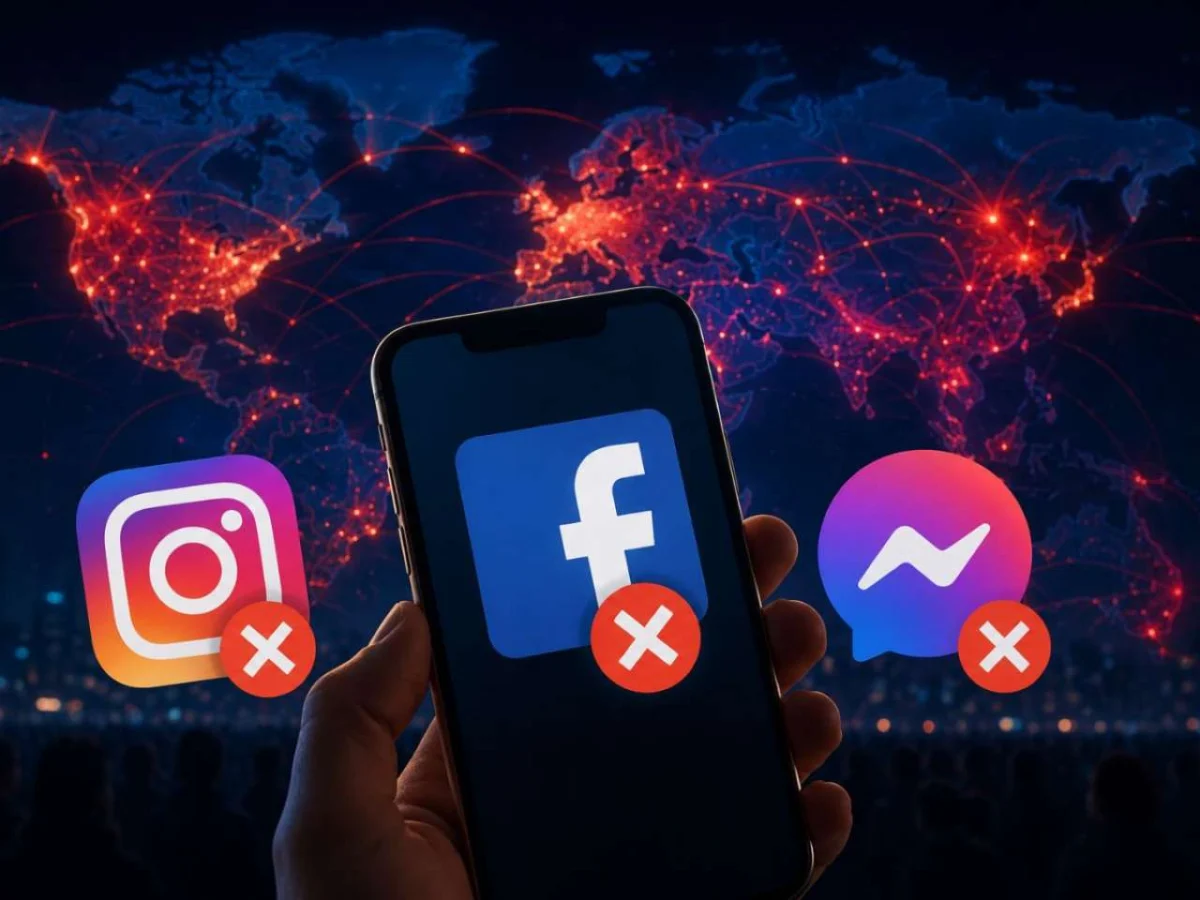
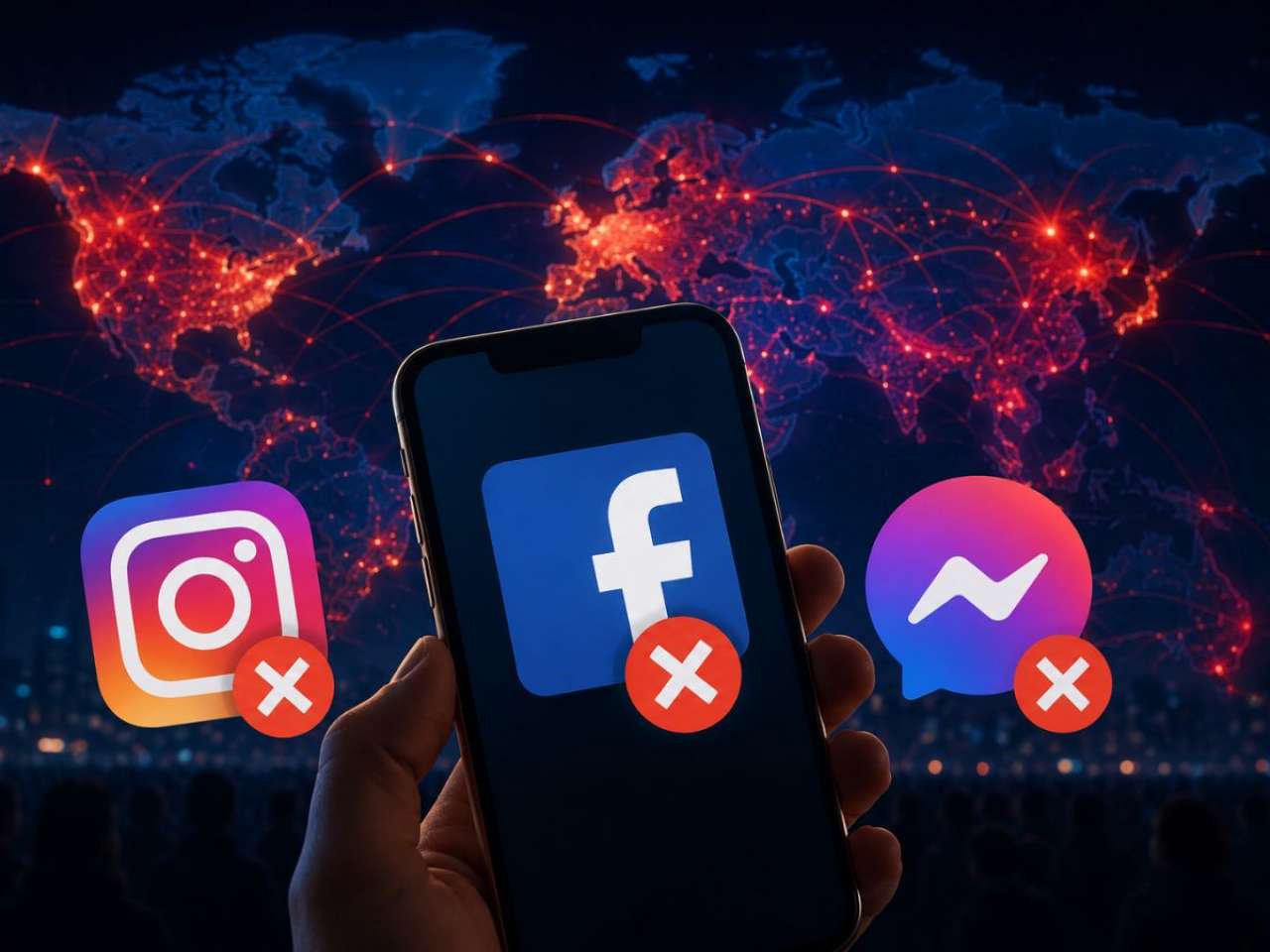
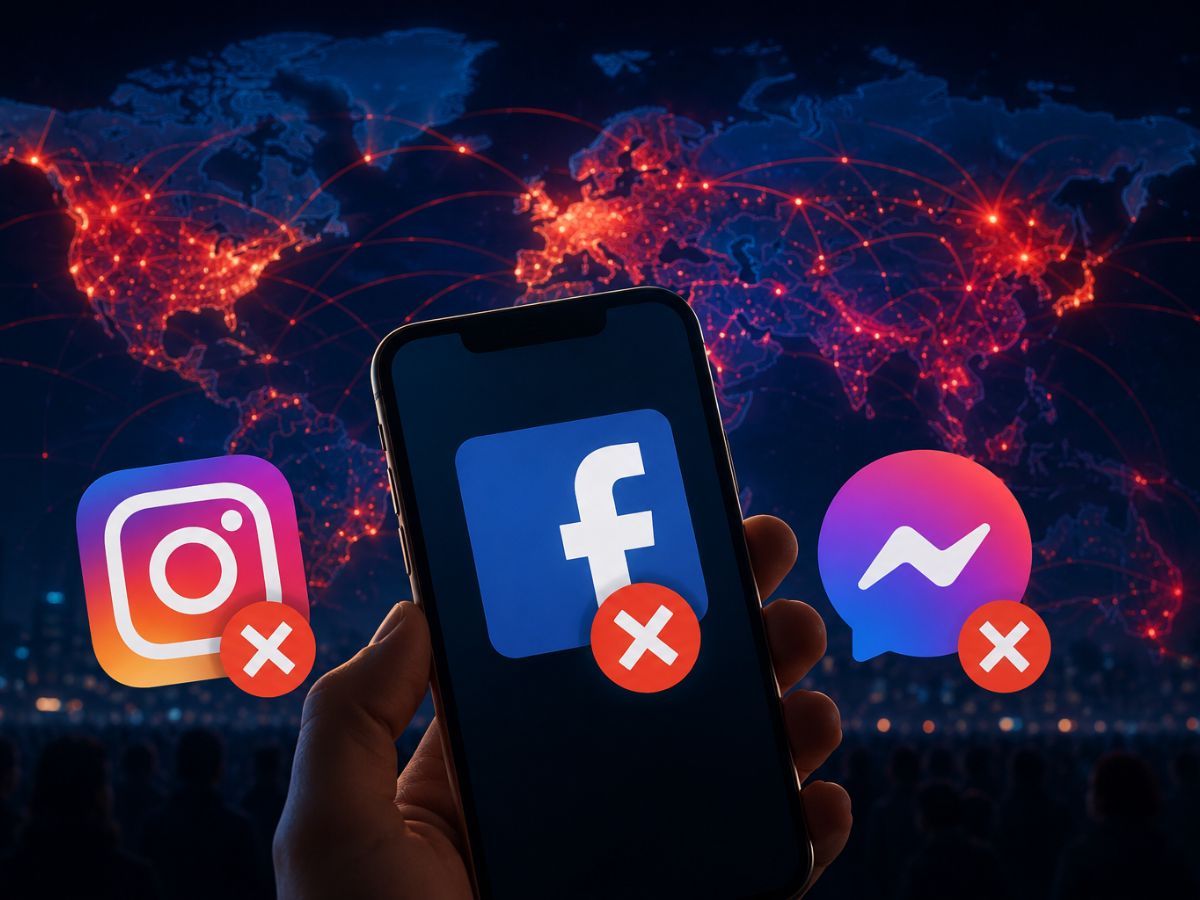
In an unprecedented display of the modern world’s digital fragility, Meta Platforms, Inc., the behemoth behind some of the globe’s most pervasive social media networks, was struck by a colossal outage on Friday, June 12. Its flagship platforms – Facebook, Instagram, and Messenger – simultaneously went offline, effectively severing digital connections for billions worldwide and casting a shadow of silence across the bustling landscape of online communication. The widespread disruption left millions of users unable to access their accounts, communicate with friends and family, conduct business, or consume information, highlighting the profound reliance humanity has developed on these centralized digital infrastructures.
The outage, which reverberated across continents, triggered immediate alarm and widespread frustration. From bustling urban centers to remote corners of the globe, the sudden digital blackout served as a stark reminder of the intricate and often vulnerable web that underpins our daily interactions. Users, businesses, and content creators alike found themselves grappling with an unforeseen vacuum, as the digital arteries through which much of contemporary life flows ceased to function.
Millions Disconnected: The Immediate Impact
The initial hours of the outage were characterized by confusion and a growing sense of helplessness among users. Across Facebook, individuals found themselves unceremoniously logged out of their accounts on both mobile and desktop devices. Attempts to log back in were met with a series of frustrating error messages, including "Unexpected Error" or "Session Expired." Desktop users reported seeing blank screens, persistent grey loading placeholders, or a generic maintenance page bearing the message, "Something went wrong. We’re working on it and we’ll get it fixed as soon as we can."
The impact on Messenger was equally severe, rendering the popular direct messaging service entirely inoperable. Users were unable to send or retrieve messages, effectively cutting off a primary communication channel for personal and professional exchanges. Instagram, the visually-driven platform, also succumbed to the widespread failure. Its mobile application would load for mere seconds before crashing, presenting users with black screens and an incessant spinning loading icon. Feeds failed to refresh, and the direct messaging service, a critical feature for many, also went completely offline. The collective inability to connect, share, and interact created a palpable void, particularly for those whose livelihoods or social lives are deeply intertwined with these platforms.
The Unfolding Crisis: A Chronology of Disruption
The digital silence descended abruptly, transforming a typical Friday into a day of unprecedented online chaos. The chronology of the outage reveals a rapid escalation of technical failures that quickly spiraled into a global phenomenon.
Rapid Escalation and Global Reach
The first signs of trouble emerged around 19:15 pm Indian Standard Time (IST), which translates to 9:45 am Eastern Daylight Time (EDT) in the United States. Within minutes of these initial reports, Downdetector, an independent platform that tracks real-time outages of digital services, began to record an alarming surge in user complaints. The spike was dramatic, logging over 100,000 user reports in a very short span, underscoring the instantaneous and widespread nature of the disruption.
The geographical footprint of the outage quickly became evident. Reports of service failures poured in from a vast array of countries, confirming the global scale of the problem. India, a nation with a massive digital user base, was significantly impacted, as were the United States, the United Kingdom, various countries across Europe, and the Philippines. This broad geographical spread indicated that the issue was not localized to a specific data center or region but rather pointed towards a fundamental breakdown within Meta’s core infrastructure. The rapid global propagation of the outage underscored the interconnectedness of Meta’s services and the centralized architecture that, while efficient, also presents a single point of failure with cascading consequences.
User Reports Paint a Picture of Frustration
As the outage persisted, the online world that remained accessible – primarily platforms like X (formerly Twitter) and Reddit – became a hub for frustrated users seeking answers and commiserating over the unexpected digital void. Hashtags like #MetaDown, #FacebookDown, and #InstagramDown quickly began trending globally, becoming a real-time barometer of the growing exasperation.
Users reported a myriad of specific issues, painting a vivid picture of the widespread malfunction:
- Facebook: Many reported being unable to access their profiles, manage pages, or participate in groups. Businesses relying on Facebook for customer service or advertising found their operations grinding to a halt.
- Instagram: Content creators, influencers, and small businesses, for whom Instagram is a primary platform for engagement and commerce, faced immediate financial repercussions. The inability to post new content, engage with followers, or process orders meant a sudden cessation of income and visibility.
- Messenger: The absence of direct messaging capability severely impacted personal communication, especially for those relying on it for urgent matters or international calls. It also disrupted collaborative efforts for work and community groups.
The sheer volume and consistency of these reports across different platforms and geographical locations solidified the understanding that this was not an isolated incident affecting a few users, but a systemic failure of Meta’s core services. The sudden blackouts also raised immediate concerns about potential malicious activity. Many users, recalling past data breaches and cyberattacks, initially feared a possible hack, leading to widespread panic and uncertainty about the security of their personal data. This initial wave of fear further amplified the sense of chaos and urgency surrounding the unfolding event.
Behind the Digital Silence: Unpacking the Outage’s Dimensions
While the immediate impact was evident, understanding the underlying dynamics and broader implications of such a massive digital collapse requires a deeper dive into supporting data, historical context, and the diverse ripple effects.
The Mechanics of a Digital Collapse: Potential Technical Roots
Although Meta had not officially disclosed the cause during the initial hours of the outage, cybersecurity experts and network engineers quickly began to speculate on the most common culprits for such widespread disruptions. These typically fall into several categories:
- Border Gateway Protocol (BGP) Routing Issues: One of the most common causes of large-scale outages, as seen in previous incidents, is a misconfiguration in BGP. BGP is the routing protocol used to exchange routing information between autonomous systems on the internet. A faulty BGP update can essentially tell the rest of the internet that a company’s servers no longer exist or are unreachable, effectively taking them offline.
- Domain Name System (DNS) Problems: The DNS acts as the internet’s phonebook, translating human-readable domain names (like facebook.com) into IP addresses that computers use to locate each other. A problem with Meta’s internal DNS servers, or external DNS providers, could prevent users’ devices from finding the correct IP addresses for Facebook, Instagram, and Messenger, leading to access failures.
- Software Bugs or Configuration Errors: A faulty software update or a simple human error in configuring servers or network equipment within Meta’s vast data centers could trigger a cascade of failures. Given the complexity and scale of Meta’s infrastructure, even a minor misstep can have monumental consequences.
- Hardware Failure: While less common for such a widespread, simultaneous outage across multiple services, a critical hardware failure in a core data center component could contribute to or trigger broader issues.
- Data Center Connectivity Issues: Problems with power, cooling, or network connectivity within one of Meta’s primary data centers could disrupt service.
Crucially, experts quickly ruled out a cyberattack as the immediate cause, citing the nature of the outage (mass login failures, blank screens rather than defacement or data compromise). While the exact technical root remained unconfirmed by Meta during the initial hours, the simultaneous nature of the failure across its primary platforms strongly suggested a systemic issue within its core network infrastructure rather than an isolated server problem.
Echoes of the Past: A History of Major Outages
This was not the first time Meta (or its predecessor Facebook) had experienced significant outages, nor was it unique among major tech giants. The most prominent recent example was the massive global outage in October 2021, which saw Facebook, Instagram, and WhatsApp go offline for nearly six hours. That incident, which was later attributed to a faulty configuration change on Meta’s backbone routers, caused estimated economic losses of over $100 million for businesses and a significant hit to Meta’s stock price.
Other tech companies, including Google, Amazon Web Services (AWS), and Microsoft Azure, have also experienced major disruptions. These recurring incidents serve as potent reminders of the inherent vulnerabilities within highly centralized digital ecosystems. They highlight that even with vast resources and advanced engineering teams, no platform is entirely immune to technical failures, and the scale of their operations means any such failure has far-reaching consequences.
The Human Element: User Reactions and Societal Impact
Beyond the technicalities, the outage profoundly impacted the human experience. The immediate reaction was a mix of confusion, frustration, and a growing sense of isolation. For many, Meta platforms are not just social tools but essential conduits for:
- Social Connection: Maintaining relationships with friends and family, especially across geographical distances.
- Information Sharing: Accessing news, community updates, and vital information.
- Entertainment: Consuming content, watching videos, and engaging with creative works.
- Identity and Expression: Curating personal profiles and sharing aspects of their lives.
The sudden absence of these platforms forced an unexpected "digital detox" for many. While some might have found a brief respite, the overwhelming sentiment was one of disruption and anxiety. The panic initially observed on other platforms like X, with users fearing a hack, underscored the deep psychological integration of these services into daily life. For a generation accustomed to constant connectivity, the sudden silence was jarring, leading to feelings of disorientation and a temporary loss of their digital selves.
Economic Ripple Effects: Businesses Caught in the Crossfire
The economic ramifications of such a widespread and prolonged outage are substantial, extending far beyond Meta’s corporate bottom line. Millions of small and medium-sized businesses (SMBs) around the world rely heavily on Facebook and Instagram for:
- Marketing and Advertising: Running targeted campaigns, promoting products, and reaching potential customers.
- Sales and E-commerce: Direct sales through Facebook Shops or Instagram Shopping features.
- Customer Service: Communicating with clients, answering queries, and resolving issues via Messenger or direct messages.
- Lead Generation: Acquiring new customers and building their client base.
During the outage, these vital business functions came to an abrupt halt. Scheduled advertising campaigns paused, sales plummeted, and customer inquiries went unanswered. Freelancers, content creators, and influencers, whose livelihoods are directly tied to their presence and engagement on these platforms, faced immediate income loss and reputational damage from missed opportunities. For many, the outage represented a significant disruption to their revenue streams, forcing them to scramble for alternative communication and sales channels, often with limited success. The longer the outage persisted, the greater the financial toll on these digital-first enterprises.
Meta’s Response and Expert Guidance Amidst Uncertainty
In the initial critical hours of the global outage, Meta’s public-facing communication strategy faced significant scrutiny, eventually leading to an acknowledgment and an apology.
Initial Silence Fuels Speculation
A notable aspect of the early phase of the outage was Meta’s concerning silence. While millions of users were struggling to access their services and Downdetector charts were showing unprecedented spikes, Meta had not issued any official statement. Furthermore, the company notably lacks a public-facing consumer status page that would provide real-time updates on service availability. Its internal business tool dashboard, designed for advertisers and developers, initially displayed "No known issues" even as the outage was at its peak, further exacerbating user frustration and fueling speculation about the cause. This lack of immediate, transparent communication from a company whose services are fundamental to global connectivity only amplified the panic and uncertainty among its vast user base.
Official Acknowledgment and Apology
Hours into the disruption, and after a period of intense public pressure and widespread trending hashtags, Meta eventually acknowledged the widespread issues. While a specific, detailed explanation of the technical failure was not immediately provided, a spokesperson for Meta typically issues a statement confirming the outage, apologizing for the inconvenience, and assuring users that engineers are working diligently to restore services.
A plausible hypothetical statement, based on similar past incidents, might read: "We are aware that some people are having trouble accessing our apps and products. We’re working to get things back to normal as quickly as possible, and we apologize for any inconvenience."
Such an acknowledgment, even if initially vague, is crucial for calming user fears and indicating that the company is actively engaged in resolving the problem. However, the delay in providing even this basic level of communication often draws criticism regarding Meta’s crisis management protocols and its responsibility to its global user base.
Cybersecurity Warnings: Averting Further Risk
Amidst the chaos and fear of a potential hack, cybersecurity experts quickly stepped in to offer crucial advice to users. They emphasized that there was no immediate evidence of a cyberattack and cautioned against actions that could inadvertently expose users to further risks. The primary advice included:
)
- Do Not Attempt Repeated Password Resets: Frustrated users might be tempted to repeatedly try resetting their passwords. Experts warned against this, as it could lock legitimate accounts or, worse, make users vulnerable to phishing attempts if they subsequently receive suspicious "account recovery" links.
- Beware of Phishing Scams: Malicious actors often exploit moments of widespread panic and confusion. Users were advised to be extremely cautious of any unsolicited SMS messages or emails claiming to be from Meta, offering "fixes" or "account recovery" links. Clicking on such links could lead to credential theft or malware installation.
- Await Official Communication: The most critical advice was to wait for official communication from Meta regarding the restoration of services before attempting any significant account changes. This ensures that users interact with legitimate systems once stability is confirmed.
This expert guidance was vital in preventing a secondary wave of security incidents stemming from user desperation during the outage.
The Broader Implications: A Call for Digital Resilience
The June 12th Meta outage was more than just a temporary inconvenience; it was a potent demonstration of the profound implications of our collective reliance on centralized digital infrastructure and a call for greater digital resilience.
The Perils of Centralization: Rethinking Digital Dependency
The incident starkly underscored the inherent vulnerability of a digital ecosystem where billions of people and countless businesses depend on a handful of mega-platforms. When a single entity like Meta experiences a core infrastructure failure, the ripple effect is global and instantaneous. This centralization, while offering efficiency and scale, also creates significant single points of failure that can disrupt economic activity, social connection, and access to information on a massive scale.
The outage reignited debates about:
- Decentralization: Arguments for more distributed, resilient internet architectures that are less susceptible to a single point of failure.
- Digital Sovereignty: Nations and individuals questioning the extent of control large tech companies wield over their digital lives and economies.
- Platform Diversification: The need for businesses and individuals to diversify their online presence and communication channels to mitigate risks associated with relying too heavily on one platform.
The event served as a powerful reminder that while the internet was initially designed for resilience, the modern trend towards consolidation within a few powerful companies introduces new forms of fragility.
Trust, Reputation, and the Path Forward
For Meta, such large-scale outages carry significant reputational costs. Each incident erodes user trust, particularly when compounded by delays in communication. Users expect reliability and transparency from platforms that are so deeply integrated into their daily lives. Frequent or prolonged disruptions can lead to:
- User Exodus: A gradual migration of users to alternative platforms perceived as more reliable.
- Advertiser Hesitation: Businesses, especially those impacted financially, may reconsider their advertising spend and overall dependency on Meta’s ecosystem.
- Regulatory Scrutiny: Governments and regulatory bodies often take a closer look at the operational resilience of critical digital infrastructure providers following such incidents, potentially leading to increased oversight or mandates.
Meta’s challenge post-outage is not just to fix the immediate technical issue but to rebuild and reinforce the trust of its global user base through improved infrastructure resilience, enhanced communication protocols during crises, and a renewed commitment to platform stability.
Lessons Learned for Users and Enterprises Alike
The outage provided invaluable, albeit disruptive, lessons for both individual users and enterprises:
-
For Users:
- Diversify Communication: Maintain multiple channels for important communications (e.g., email, traditional phone calls, different messaging apps).
- Backup Important Data: Do not solely rely on social media platforms for storing photos, contacts, or important information.
- Practice Digital Detox: Recognize the opportunity for a temporary break from constant connectivity, fostering mental well-being.
- Verify Information: Be wary of sensational claims or suspicious links during outages; always await official statements.
-
For Enterprises:
- Multi-Platform Strategy: Avoid putting all marketing, sales, and customer service eggs in one basket. Diversify presence across various platforms and traditional channels.
- Contingency Planning: Develop clear protocols for how to operate and communicate with customers when primary digital channels are down.
- Direct Communication Channels: Invest in owned channels like email lists and websites that are independent of third-party social media platforms.
- Data Backup and Ownership: Ensure that critical business data, customer lists, and content are regularly backed up and not solely residing within platform ecosystems.
The Future of Connectivity: Beyond Single Points of Failure
The June 12th outage serves as a powerful reminder that the digital infrastructure, while seemingly robust, is ultimately a complex, human-built system prone to error. As societies become increasingly reliant on these digital arteries for nearly every aspect of life – from economic transactions to emergency communications – the imperative for greater resilience, transparency, and perhaps even a re-evaluation of hyper-centralization becomes ever more pressing. The future of connectivity may well hinge on our ability to learn from these moments of digital darkness and build a more robust, distributed, and trustworthy digital commons for all.
