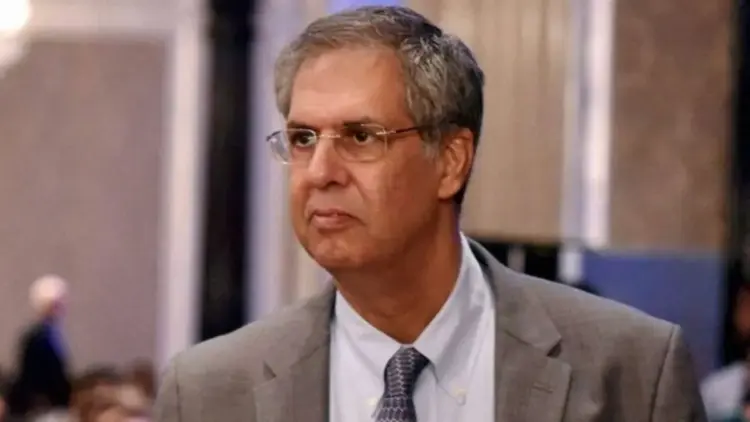
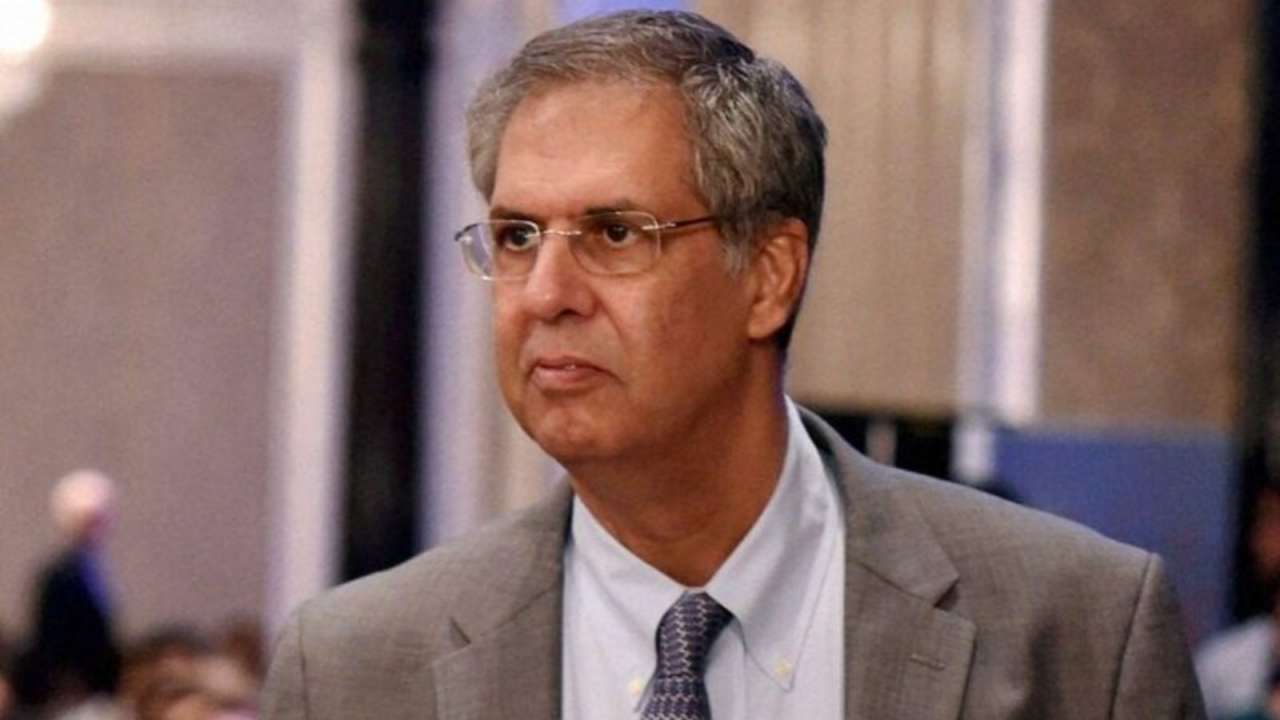
Mumbai, India – November 12, 2026 – A significant chapter in the illustrious history of the Tata Group draws to a close today as Noel N Tata, a seasoned veteran and influential figure within the conglomerate, formally steps down from leadership positions across six major group companies. His retirement, coinciding with his 70th birthday, is not an abrupt departure but a meticulously orchestrated transition, firmly rooted in the Tata Group’s long-standing and rigorous governance framework that mandates a retirement age of 70 for non-executive directors. This carefully planned succession ushers in a new era of leadership, setting the stage for fresh perspectives while reaffirming the group’s unwavering commitment to institutional strength and seamless continuity.
The departure of Noel Tata, who has been instrumental in shaping various facets of the Tata empire, particularly its consumer and international ventures, triggers a cascade of leadership changes. While relinquishing critical roles, his vast experience will not be entirely lost to the group; he will continue to steer the venerable Tata Trusts and retain his seat on the board of Tata Sons, the principal investment holding company of the conglomerate. This strategic arrangement underscores the group’s dedication to leveraging invaluable expertise while simultaneously fostering new leadership.
Main Facts: A Sweeping Boardroom Transformation
Today marks a pivotal moment for the over $128 billion Tata Group as Noel Tata officially vacates his positions as chairman of four significant entities: Trent Ltd., Voltas Ltd., Tata Investment Corporation Ltd., and Tata International Ltd. Concurrently, he also steps down as vice-chairman of two other industrial behemoths, Tata Steel Ltd. and Titan Company Ltd. This comprehensive withdrawal from six key boards represents one of the most significant leadership transitions within the conglomerate in recent memory, affecting diverse sectors ranging from retail and consumer durables to global trading and manufacturing, and even steel and luxury goods.
The genesis of this transition lies in the Tata Group’s robust corporate governance policy, which stipulates a mandatory retirement age of 70 for non-executive directors. Born on November 12, 1956, Noel Tata reaches this prescribed age today, necessitating his phased withdrawal from these board positions. This policy, a cornerstone of the Tata ethos, ensures a continuous infusion of fresh perspectives and prevents potential stagnation at the highest echelons of leadership, reinforcing the institutional fabric over individual tenures.
The succession plans for the vacated roles have been largely put in place, reflecting the meticulous planning that has gone into this transition. Bahram Vakil, a distinguished legal professional and co-founder of AZB & Partners, will assume the chairmanship of Trent and Tata Investment Corporation. Sunil D’Souza, currently the Managing Director and CEO of Tata Consumer Products, will take the helm as chairman of Voltas. Meanwhile, TV Narendran, the Managing Director and CEO of Tata Steel, will expand his responsibilities to become the new chairman of Tata International. The succession for the vice-chairmanship roles at Tata Steel and Titan Company are expected to be announced in due course, following the group’s established protocols.
This extensive leadership realignment underscores the Tata Group’s commitment to orderly succession planning, a practice that has historically distinguished it from many of its peers. The group’s proactive communication regarding these changes, months in advance through various shareholder meetings, further exemplifies its transparency and adherence to best-in-class governance standards.

A Legacy Unfolds: Chronology of Noel Tata’s Impact
Noel N Tata’s journey within the sprawling Tata conglomerate is a testament to his enduring commitment and strategic acumen. While often seen through the lens of his familial ties to the Tata lineage, his career has been marked by substantial independent contributions and a steady ascent through diverse sectors.
Early Career and Ascent within the Conglomerate
Noel Tata’s professional trajectory began to take significant shape with his deep involvement in Trent Ltd., the group’s retail arm. His leadership here was pivotal in transforming Trent into a formidable player in the Indian retail landscape. Under his guidance, Trent not only solidified its flagship Westside brand but also successfully launched and scaled Zudio, a fast-fashion value retail format that has resonated strongly with a broad consumer base. His vision helped Trent navigate the complexities of the burgeoning Indian retail sector, establishing a strong foundation for its continued growth and market leadership.

Beyond retail, Noel Tata played a crucial role in Tata International, the group’s global trading and distribution company. His tenure here, initially as Managing Director from August 2010 to November 2021 before transitioning to Chairman, involved spearheading the company’s expansion into various geographies and diversifying its business interests across multiple product categories, including leather, metals, minerals, and chemicals. This experience underscored his global perspective and ability to foster growth in international markets.
Key Milestones and Contributions
Noel Tata’s contributions were not confined to operational leadership; he also provided strategic direction at the board level for several other key companies. At Voltas, India’s leading air conditioning and engineering solutions provider, he oversaw a period of significant market consolidation and product innovation. His presence on the boards of Tata Steel and Titan Company, two of the group’s most iconic and globally recognized brands, allowed him to contribute to their long-term strategic planning and governance. At Titan, in particular, he provided valuable guidance and strategic direction for over two decades, having joined the company in August 2003.

His leadership at Tata Investment Corporation, the group’s financial investment arm, involved overseeing strategic capital allocations and portfolio management, ensuring prudent financial stewardship for the conglomerate’s diverse interests. Across these roles, Noel Tata consistently advocated for sustainable growth, ethical practices, and a consumer-centric approach, aligning with the core values of the Tata Group. His ability to foster innovation while maintaining a strong grip on traditional business principles has been a hallmark of his tenure.
The Retirement Timeline: A Phased Transition
The decision for Noel Tata’s retirement was not an abrupt announcement but a carefully orchestrated, phased process, communicated well in advance to shareholders and stakeholders. The first public indications of his impending departure emerged during the Annual General Meetings (AGMs) earlier in the year. At Trent’s AGM in June, Noel Tata openly expressed his intention to step down, preparing investors and the market for the transition. A similar statement followed at the Voltas AGM, where he described it as his final annual meeting in the capacity of chairman.

This proactive communication strategy is a hallmark of the Tata Group’s commitment to transparency and orderly succession. By making these announcements months before the effective date, the group ensured that all necessary arrangements, including the identification and onboarding of successors, could be completed without haste or disruption. The official date of November 12, 2026, was firmly established, allowing for a smooth handover and continuity of operations across all affected entities. This methodical approach stands in stark contrast to many corporate transitions, which are often characterized by sudden announcements and market volatility.
Upholding Governance: The Bedrock of Tata’s Succession Planning
The smooth and structured transition surrounding Noel Tata’s retirement is a powerful testament to the Tata Group’s deeply ingrained corporate governance philosophy. This philosophy prioritizes institutional strength, long-term sustainability, and ethical leadership over individual personalities, ensuring that the conglomerate remains robust and resilient through leadership changes.

The 70-Year Retirement Mandate
At the heart of this transition lies the Tata Group’s stringent governance framework, specifically the rule mandating a retirement age of 70 for non-executive directors. This policy is not merely a bureaucratic formality; it is a strategic imperative designed to ensure vitality and dynamism at the highest levels of leadership. By setting a clear retirement age, the group cultivates a culture of continuous renewal, encouraging the infusion of fresh ideas, contemporary skills, and diverse perspectives. It prevents entrenchment, fosters a healthy succession pipeline, and ensures that leadership positions are periodically opened up for new talent to emerge and contribute.
This approach is particularly crucial for a conglomerate of the Tata Group’s scale and complexity, which operates across numerous industries globally. Such a policy helps in mitigating risks associated with leadership stagnation, promoting meritocracy, and aligning the leadership structure with evolving market demands and technological advancements. It reflects a forward-looking vision that values organizational resilience above all else.

Precedent Set by Illustrious Predecessors
The current transition is not an isolated event but rather a continuation of a well-established tradition within the Tata Group. The most notable precedent was set by none other than Ratan N. Tata, the former chairman of Tata Sons, who himself relinquished key leadership positions upon reaching the prescribed retirement age. His transition, while impactful, was also meticulously planned and executed, demonstrating the group’s unwavering commitment to its governance guidelines, even when it involves its most iconic leaders.
This historical context reinforces the principle that no individual, however influential, is above the institutional framework. It underscores the Tata Group’s belief that robust governance and predictable succession planning are paramount to its enduring legacy and future prosperity. This commitment provides stability and predictability to investors, employees, and all stakeholders, assuring them of the group’s steadfast adherence to its core values.

Financial and Strategic Health of Affected Entities
The companies from which Noel Tata is stepping down represent significant pillars of the Tata Group, collectively contributing substantially to its revenue, market capitalization, and strategic diversity. The health and future trajectory of these entities are thus crucial to the conglomerate’s overall performance.
- Trent Ltd.: The retail powerhouse, operating popular brands like Westside and Zudio, has demonstrated exceptional growth in recent years, capitalizing on India’s burgeoning consumer market. Its innovative retail formats and strong brand equity position it for continued expansion.
- Voltas Ltd.: A leader in the consumer durables and engineering projects space, Voltas commands a dominant share in the air conditioning market. Its performance is often seen as a bellwether for consumer sentiment and infrastructure development in India.
- Tata Investment Corporation Ltd.: This entity serves as a strategic investment vehicle for the Tata Group, holding a diversified portfolio of listed and unlisted securities. Its prudent management is vital for the group’s long-term financial stability.
- Tata International Ltd.: As the group’s global trading and distribution arm, Tata International plays a crucial role in extending the Tata footprint across various continents and product categories, from industrial products to leather goods.
- Tata Steel Ltd.: One of the world’s largest steel producers, Tata Steel is a global industrial giant facing both opportunities in infrastructure development and challenges in commodity cycles and environmental regulations. Its strategic direction has far-reaching implications.
- Titan Company Ltd.: Renowned for its jewelry (Tanishq), watches, and eyewear businesses, Titan is a leader in India’s luxury and lifestyle segment. Its consistent growth and innovation have made it a market darling.
The new leadership stepping into these roles will inherit robust businesses with clear growth trajectories, but also the responsibility to navigate evolving market dynamics, technological disruptions, and intensifying competition. Their ability to build upon existing strengths while charting new courses will be critical to the sustained success of these key Tata enterprises.

Orchestrating Succession: Official Responses and New Leadership
The process of Noel Tata’s succession has been characterized by meticulous planning and transparent communication, reflecting the Tata Group’s commitment to smooth transitions and strong corporate governance.
The Official Stance from Tata Group
The official communications from the Tata Group and the individual companies involved have consistently emphasized the pre-planned nature of Noel Tata’s retirement. Regulatory filings, such as those by Titan Company, acknowledged his valuable guidance and strategic direction over the years, while reiterating adherence to the group’s established retirement policy. The consensus across the group is one of continuity and a seamless handover, ensuring that the operational momentum and strategic vision of these companies remain uninterrupted. The announcements at the AGMs earlier in the year served as clear signals to the market, allowing for an orderly preparation phase.

Introducing the New Custodians
The successors appointed to fill Noel Tata’s shoes bring a wealth of experience and diverse expertise, underscoring the group’s deep talent pool and its ability to attract external professionals of high caliber.
- Bahram Vakil (Trent, Tata Investment Corporation): An eminent legal professional, Bahram Vakil is the co-founder of AZB & Partners, one of India’s leading law firms. His appointment as Chairman of Trent and Tata Investment Corporation signals the group’s emphasis on independent governance and strategic oversight. His extensive experience in corporate law, mergers and acquisitions, and regulatory affairs will be invaluable in guiding these entities, particularly in navigating complex market environments and ensuring robust compliance. His independent perspective is expected to further strengthen the boards.
- Sunil D’Souza (Voltas): Currently the Managing Director and CEO of Tata Consumer Products, Sunil D’Souza’s move to chair Voltas highlights the cross-pollination of leadership talent within the Tata ecosystem. His background in consumer products and market strategy positions him well to lead Voltas, particularly as the company continues to innovate in the competitive consumer durables space and expand its market reach. Voltas has also announced a separate management succession plan, with Jayant Balan slated to become managing director for a five-year term from May 25, 2027, succeeding C P Mukundan Menon, ensuring operational continuity in the long term.
- TV Narendran (Tata International): As the Managing Director and CEO of Tata Steel, TV Narendran is a prominent figure within the Tata Group’s industrial sector. His appointment as Chairman of Tata International leverages his extensive global experience and strategic insights from managing a complex international business. His leadership is expected to further strengthen Tata International’s global footprint and diversify its trading and manufacturing portfolios, aligning it with the broader strategic objectives of the conglomerate.
- Succession at Tata Steel and Titan: While Noel Tata relinquishes his vice-chairmanship at Tata Steel and Titan Company, specific successors for these roles have not yet been formally announced. This deliberate approach allows the respective boards to conduct a thorough evaluation and selection process, ensuring the most suitable candidates are identified to provide strategic oversight and support to the chairpersons of these critical companies. The group’s methodical process implies that these appointments will be made with the same rigor and strategic foresight.
Acknowledging a Titan: Chairman Emeritus Status
In a fitting tribute to his significant contributions, Noel Tata has been designated Chairman Emeritus of Tata Investment Corporation. This honorific title is not merely symbolic; it reflects the deep respect and gratitude of the group for his dedicated service and invaluable leadership. Having served on the board since June 2004 and as chairman from June 2010, his insights and strategic guidance have been foundational to the company’s trajectory. The Chairman Emeritus status allows for continued association, albeit in an advisory capacity, ensuring that his profound institutional knowledge and experience can still be tapped, albeit indirectly, for the benefit of the organization. This practice is a hallmark of how established conglomerates honor their long-serving leaders while facilitating new leadership.

Implications for the Tata Conglomerate and Beyond
Noel Tata’s retirement, while a pre-planned and orderly event, carries significant implications for the strategic direction, leadership dynamics, and overall institutional strength of the Tata Group, potentially setting a benchmark for corporate India.
Strategic Realignments and Future Growth Vectors
The induction of new leadership at the helm of Trent, Voltas, Tata Investment Corporation, and Tata International is expected to bring fresh perspectives and potentially new strategic directions. While the core values and long-term objectives of the Tata Group will remain constant, the new chairpersons may introduce innovative approaches to market expansion, product development, technological adoption, and operational efficiencies. For instance, Bahram Vakil’s legal background could enhance governance and compliance frameworks, while Sunil D’Souza’s consumer products expertise might invigorate Voltas’s market penetration strategies. TV Narendran’s global industrial experience could further solidify Tata International’s global supply chains and diversification efforts. These shifts, while gradual, could lead to renewed growth vectors and competitive advantages in their respective sectors.

Reinforcing Institutional Strength over Individual Personalities
Perhaps the most profound implication of this transition is the reinforcement of the Tata Group’s enduring philosophy that institutional strength and robust governance supersede individual personalities. The adherence to the 70-year retirement mandate, even for a figure as prominent as Noel Tata, sends a clear message about the group’s commitment to its foundational principles. This approach ensures that the organization is not reliant on any single individual but rather on a well-defined structure, a deep talent pipeline, and a culture of continuous leadership development. It fosters a predictable and stable environment for all stakeholders, reducing the risks associated with leadership changes and ensuring long-term sustainability.
The Enduring Influence of Tata Trusts and Tata Sons
Noel Tata’s continued presence on the board of Tata Sons and his leadership of Tata Trusts are crucial elements that ensure his vast experience and institutional memory remain accessible to the conglomerate. Tata Trusts, as the ultimate promoter of the Tata Group, plays a pivotal role in guiding the group’s overarching ethos, values, and long-term vision. Tata Sons, as the principal investment holding company, is instrumental in charting the strategic direction of the entire conglomerate. His continued involvement in these apex bodies means that his insights will still contribute to the group’s strategic decision-making, providing a vital link between the past, present, and future leadership. This strategic placement allows for an orderly transfer of knowledge and experience, mitigating any potential loss from his board departures.

Market Reaction and Investor Confidence
The market’s reaction to such a significant leadership change is often a barometer of investor confidence. Given the pre-planned nature of Noel Tata’s retirement and the meticulous announcement of his successors, the market is likely to view this transition positively. It signals stability, predictability, and a mature approach to corporate governance, which are highly valued by investors. The absence of abrupt changes or uncertainty will likely reassure shareholders that the group’s strategic momentum will be maintained, thereby sustaining investor confidence in the long-term prospects of the Tata Group companies.
A Blueprint for Corporate India
The Tata Group’s handling of Noel Tata’s retirement serves as an exemplary blueprint for corporate India. In a landscape where family-run businesses often grapple with succession planning and governance issues, the Tata model demonstrates how clear policies, transparent communication, and a commitment to institutional values can facilitate seamless transitions. This approach reinforces the importance of professionalizing corporate boards, fostering independent oversight, and cultivating a culture of meritocracy and accountability. It provides a valuable lesson for other conglomerates striving to build enduring institutions that can withstand the test of time and leadership changes.

The Road Ahead: Challenges and Opportunities
The new leadership teams taking charge will face a dynamic and evolving global business landscape. Challenges include intensifying competition, rapid technological advancements, geopolitical uncertainties, and the imperative for sustainable and inclusive growth. However, they also inherit strong brands, robust business models, and a rich legacy of innovation and ethical leadership. The opportunity lies in leveraging these strengths to drive further growth, explore new markets, embrace digital transformation, and continue to uphold the Tata Group’s reputation for excellence and social responsibility. Noel Tata’s departure marks not an end, but a well-executed baton pass in the ongoing race for corporate excellence and value creation.