

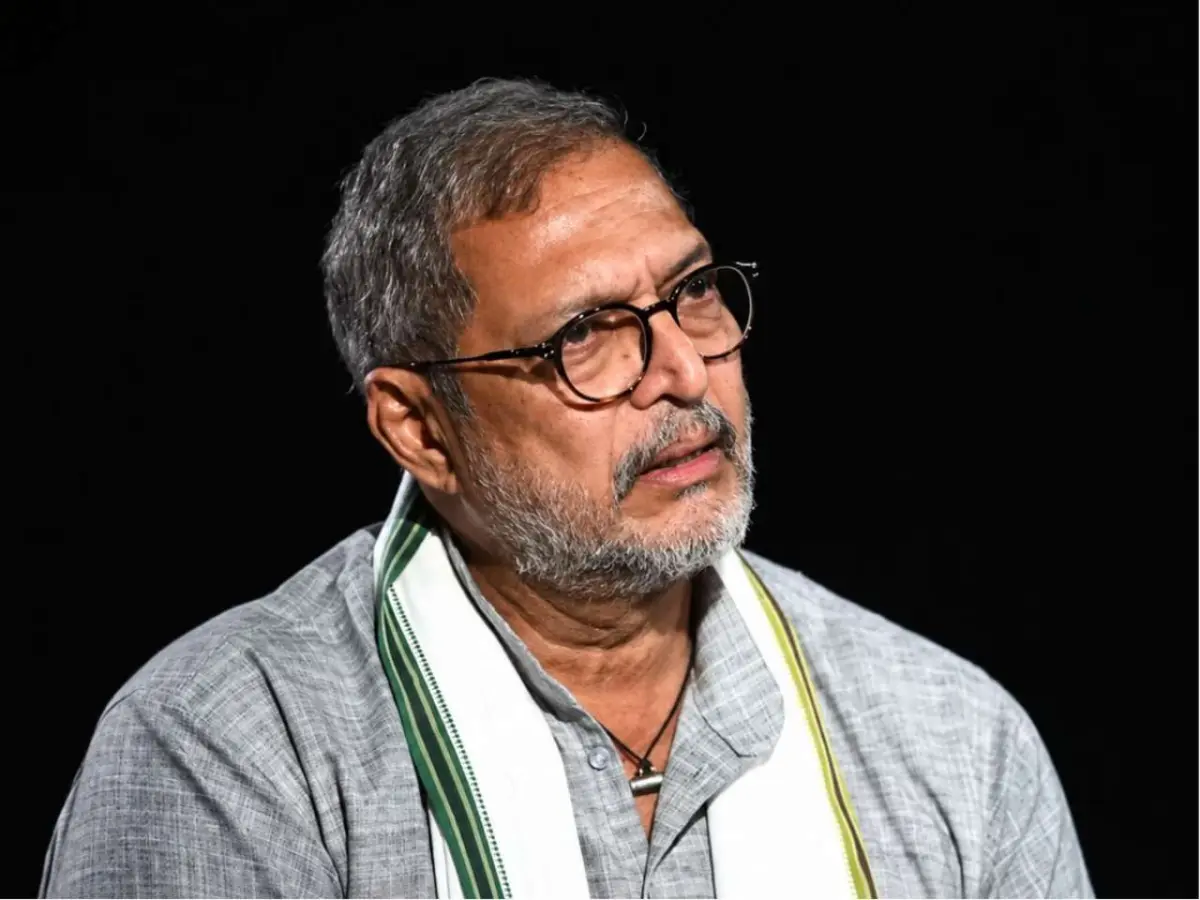
Mumbai, India – The world of Indian cinema awoke to profound sorrow on Thursday, October 8, as news broke of the passing of legendary actor Nana Patekar. The iconic star, celebrated for his intense performances and unparalleled versatility, died at the age of 75 after suffering a severe cardiac arrest in Goa. His demise marks the end of an era for Bollywood, drawing an outpouring of grief from across the globe and revealing a deeply personal story of cross-border friendship and unwavering support.
Patekar, a true giant of Indian cinema, dedicated nearly five decades to his craft, gracing the screen in a myriad of roles that captivated audiences. Whether portraying the complex hero, the menacing villain, or the nuanced everyman, his presence was always indelible, leaving an enduring mark on generations of moviegoers. As tributes flooded in from film fraternity members, politicians, sports figures, and countless fans, one particular remembrance resonated deeply, transcending geographical and political divides: a heartfelt message from former Pakistan cricketer Basit Ali.
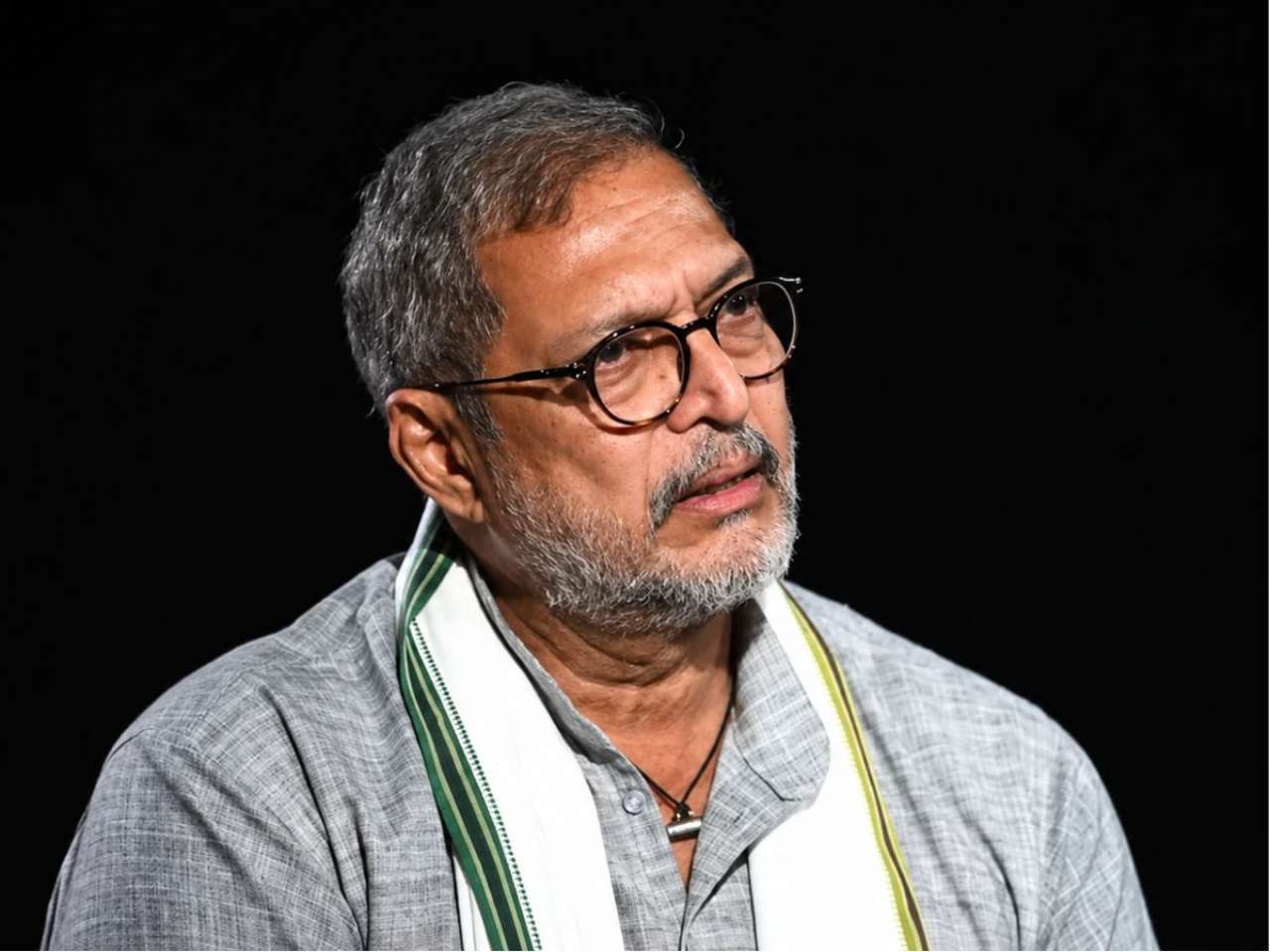
A Titan’s Farewell: The Immediate Impact of Nana Patekar’s Passing
The news of Nana Patekar’s death sent shockwaves through India and beyond. For an actor who had become synonymous with raw talent and unflinching honesty, his departure felt like a personal loss to many. Social media platforms became a canvas for collective mourning, with fans sharing their favorite dialogues, scenes, and memories of the star. From industry stalwarts remembering his collaborative spirit to young actors citing him as an inspiration, the tributes underscored the immense respect and affection he commanded.
Patekar’s career was defined by his ability to inhabit characters with a rare authenticity, often blurring the lines between the actor and the role. His distinct voice, piercing gaze, and masterful command of dialect made him a force to be reckoned with on screen. His films were not just entertainment; they were often mirrors reflecting societal truths, challenging norms, and provoking thought. The void left by his passing is immense, signifying the loss of an artist whose contribution to Indian cinema is irreplaceable.
)
An Unlikely Bond: Basit Ali’s Heartfelt Revelation
Amidst the chorus of tributes, a particularly poignant message emerged from across the border. Former Pakistan cricketer Basit Ali posted an emotional video on social media platform X, recalling a personal bond he shared with Nana Patekar that spanned decades and transcended the often-fraught relationship between their two nations. His words painted a picture of a man known not just for his cinematic brilliance, but for his profound humanity.
"Early in the morning, I heard sad news. Our very dear brother, friend, and living legend is no longer in this world—Nana Patekar Sahab has passed away," Basit Ali began, his voice heavy with emotion. "What a person he was; he acted in movies exactly as he was in real life. We had nicknamed [a friend] Latif as ‘Nana’. Because of Nana Patekar, we first talked back in 1994, and it all started from there."

The Genesis of a Unique Friendship
The revelation of a friendship forged in 1994 between a celebrated Indian actor and a Pakistani cricketer immediately sparked curiosity. It speaks volumes about the power of art and shared human experience to bridge divides that often appear insurmountable. While the exact circumstances of their initial meeting remain largely private, Basit Ali’s account suggests a connection that blossomed organically, founded on mutual respect and genuine affection.
Their bond wasn’t superficial; it was nurtured over years through consistent communication. "Now there are so many memories. Usually, we spoke once or twice every month," Ali shared, highlighting the regularity of their contact. This wasn’t merely a professional acquaintance but a deep personal friendship, sustained across thousands of miles and complex political landscapes, underscoring Patekar’s ability to connect with people from all walks of life.
)
A Pillar of Support in Times of Grief
The true depth of their friendship became evident during one of Basit Ali’s most difficult periods. "When my mother was alive and in the hospital, Nana Ji called every week. He offered many prayers, talked at length with my mother, and listened to old stories," Ali recounted, his voice catching with emotion. This act of kindness, reaching out to an ailing mother in another country, speaks volumes about Patekar’s empathetic nature. It wasn’t just a courtesy call; it was sustained, heartfelt concern.
When Basit Ali’s mother eventually passed away, Nana Patekar’s support continued. "When my mother passed away, he told me, ‘Hey Basit, take care of yourself now’," Ali recalled. This simple yet profound message offered comfort and a reminder of self-care during a time of immense personal loss. Such gestures, often unseen by the public eye, reveal the true character of an individual. For Basit Ali, Nana Patekar was not just a superstar, but a compassionate elder brother figure, offering solace when it was most needed.
)
The actor’s care for Ali extended beyond this tragedy. "And when I had my heart issue and returned home, I received a message asking about my health and telling me to call when I felt better. When I called him back, he inquired about how everything went, including the stent placement," Ali added. This consistent concern for his friend’s well-being, even amidst his own busy life, further cemented the image of Nana Patekar as a genuinely caring individual, deeply invested in the lives of those he cherished.
Beyond Borders and the Silver Screen
Basit Ali’s tribute was more than just a personal recollection; it was a testament to Nana Patekar’s universal appeal and humanity. "He was such a wonderful human being. For people who only knew him through movies, he was the exact same person in real life as well," Ali affirmed. This consistency between his on-screen persona and off-screen character is a rare quality, earning him admiration and trust from his audience and peers alike.
)
Ali also humorously recalled their interactions, "Sometimes we would ask him about a specific scene in a movie, and he would playfully say, ‘Shut up, what do you know?’. The love and affection he gave as an elder was truly incredible." This anecdote paints a picture of a warm, approachable man who engaged with his friends with both candor and affection, shattering any preconceived notions of celebrity aloofness.
Crucially, Ali highlighted Patekar’s popularity in his homeland: "I still can’t believe this news. The man did not look 75 years old. I used to always call him ‘young man,’ and he would reply, ‘Forget it, both you and I are old now’. It is deeply painful. And I will say one thing here: Nana Ji had as many admirers in Pakistan as he had in India and across the world. People loved him very much." This observation resonates profoundly, demonstrating how cultural figures, through their art and their humanity, can transcend national boundaries and foster a sense of shared appreciation, even amidst political tensions. The "Brutal Truth" social media account, which shared Basit Ali’s video, aptly summarized this sentiment: "Some artists belong to everyone. Nana Patekar was loved equally on both sides of the border."
)
A Legendary Career: The Unforgettable Journey of Nana Patekar
Nana Patekar’s career was a masterclass in acting, marked by an unwavering commitment to his craft and a fearless approach to diverse roles. Born Vishwanath Patekar, his journey from humble beginnings to cinematic legend is a testament to his sheer talent and perseverance.
From Stage to Stardom: Early Years
Patekar’s acting journey began in Marathi theatre, a rigorous training ground that honed his expressive abilities and stage presence. His transition to cinema was gradual but impactful. He made his debut in the 1978 Marathi film Gaman, marking the beginning of a cinematic odyssey that would span over four decades. While his early roles were often supporting, he quickly distinguished himself with his intense gaze and unique delivery.
)
Defining Roles and Unmatched Versatility
It was in the late 1980s and early 1990s that Nana Patekar truly emerged as a formidable force in Bollywood. His performances in films like Parinda (1989), where he played the menacing gangster Anna, earned him critical acclaim and the National Film Award for Best Supporting Actor. He cemented his reputation for intensity and raw emotion with Prahaar: The Final Attack (1991), which he also directed, portraying a dedicated army officer.
His filmography is a tapestry of memorable characters: the righteous but conflicted police officer in Angaar (1992), the fiery revolutionary in Krantiveer (1994) – a role that earned him the National Film Award for Best Actor and the Filmfare Award for Best Actor – and the patriotic but disillusioned Brigadier in Tiranga (1993). He showcased his softer, more vulnerable side in films like Khamoshi: The Musical (1996), proving his versatility beyond intense, aggressive roles. Later, his portrayal of the stern yet principled encounter specialist in Ab Tak Chhappan (2004) further showcased his ability to command the screen with understated power.
)
Patekar’s acting style was characterized by its naturalism and immersive quality. He didn’t just play characters; he became them, infusing each role with a unique blend of vulnerability, rage, and often, a surprising streak of dark humor. His dialogues were often delivered with a distinctive cadence that made them instantly recognizable and iconic, resonating with audiences long after the credits rolled. His ability to switch between Hindi and Marathi cinema, delivering compelling performances in both, further highlighted his linguistic prowess and deep connection to his cultural roots.
The Enduring Legacy of a Character Actor
While often categorized as a "character actor," Nana Patekar consistently defied such labels, often stealing the show from leading stars. His performances were never mere support; they were pivotal, driving the narrative and leaving an indelible impact. He was a recipient of numerous accolades, including three National Film Awards and four Filmfare Awards, recognizing his exceptional contributions to Indian cinema. Beyond the awards, his true legacy lies in the emotional resonance of his performances and his unwavering dedication to truthful storytelling.
)
A Final Act: Continued Creativity
Even in his later years, Nana Patekar remained an active and vibrant presence in the industry, refusing to rest on his laurels. His passion for acting never waned, and he continued to take on challenging and diverse projects. His recent work included Housefull 5, where he shared the screen with a new generation of stars like Akshay Kumar, Abhishek Bachchan, and Riteish Deshmukh, demonstrating his adaptability and timeless appeal. He also played a pivotal role as a police officer in Vishal Bhardwaj’s upcoming film O Romeo, alongside Shahid Kapoor and Triptii Dimri, and made a memorable cameo in Subedar, starring Anil Kapoor and Radhika Madan. These projects underscore his enduring relevance and his desire to continue pushing artistic boundaries until his very last days.
The Final Hours: A Battle Fought in Goa
Nana Patekar’s final moments unfolded in Goa, where he was rushed to Manipal Hospital after suffering a severe cardiac arrest. According to Dr. Shekhar Salkar, Head of the Oncology Department at Manipal Hospital, Patekar had called a friend around 2:30 AM, informing him that he was unwell. The friend quickly arrived at Patekar’s home by approximately 4 AM, but by then, his condition had deteriorated significantly.
)
Upon arrival at Manipal Hospital, the medical staff launched an intensive effort to revive the veteran actor. For approximately 45 minutes, they fought valiantly, employing every possible medical intervention. However, despite their dedicated attempts, Nana Patekar could not be saved. Dr. Salkar was tasked with the somber duty of breaking the news to the public, confirming the tragic loss that would soon reverberate across the nation. The suddenness of his passing, despite his age, came as a shock to many, a stark reminder of life’s fragility.
An Indelible Mark: Nana Patekar’s Enduring Legacy
Nana Patekar’s passing leaves a profound void in Indian cinema, but his legacy will undoubtedly endure. He was more than just an actor; he was a cultural phenomenon, a voice for the common man, and a master storyteller who used his craft to explore the complexities of human nature.
)
A Humanist Beyond the Artist
The anecdotes shared by Basit Ali reveal a side of Nana Patekar that resonated deeply with his fans: his profound humanity. His ability to connect with people on a personal level, to offer comfort and support across political boundaries, speaks volumes about his character. He was known for his philanthropic work, often quietly contributing to social causes, particularly those concerning farmers and drought-affected regions. This commitment to social responsibility, combined with his artistic integrity, cemented his status as a truly respected public figure. He embodied the idea that true artistry extends beyond performance into real-life compassion and empathy.
The Power of Cross-Cultural Connections
The friendship between Nana Patekar and Basit Ali serves as a powerful reminder of the unifying potential of art and human connection. In a world often divided by geopolitical tensions, such personal bonds highlight shared humanity and the ability of culture, whether through cinema or sport, to foster understanding and goodwill. Patekar’s widespread admiration in Pakistan, as noted by Ali, underscores the fact that art knows no borders, and genuine talent and kindness resonate universally. This cross-border affection offers a glimmer of hope for reconciliation and shared appreciation.
)
An Inspiration for Generations
Nana Patekar’s journey from Marathi theatre to a national icon will continue to inspire aspiring actors and filmmakers for generations. His commitment to authenticity, his fearless choice of roles, and his dedication to mastering his craft set a benchmark for excellence. He proved that true stardom is not just about glamour, but about substance, integrity, and the ability to move and provoke an audience.
His death is a great loss, but his spirit, encapsulated in his powerful performances and the personal stories of kindness he left behind, will continue to shine brightly. Nana Patekar may have departed, but the indelible mark he left on cinema and the hearts of millions will ensure his legacy lives on forever. He was, and will remain, a true legend.
