

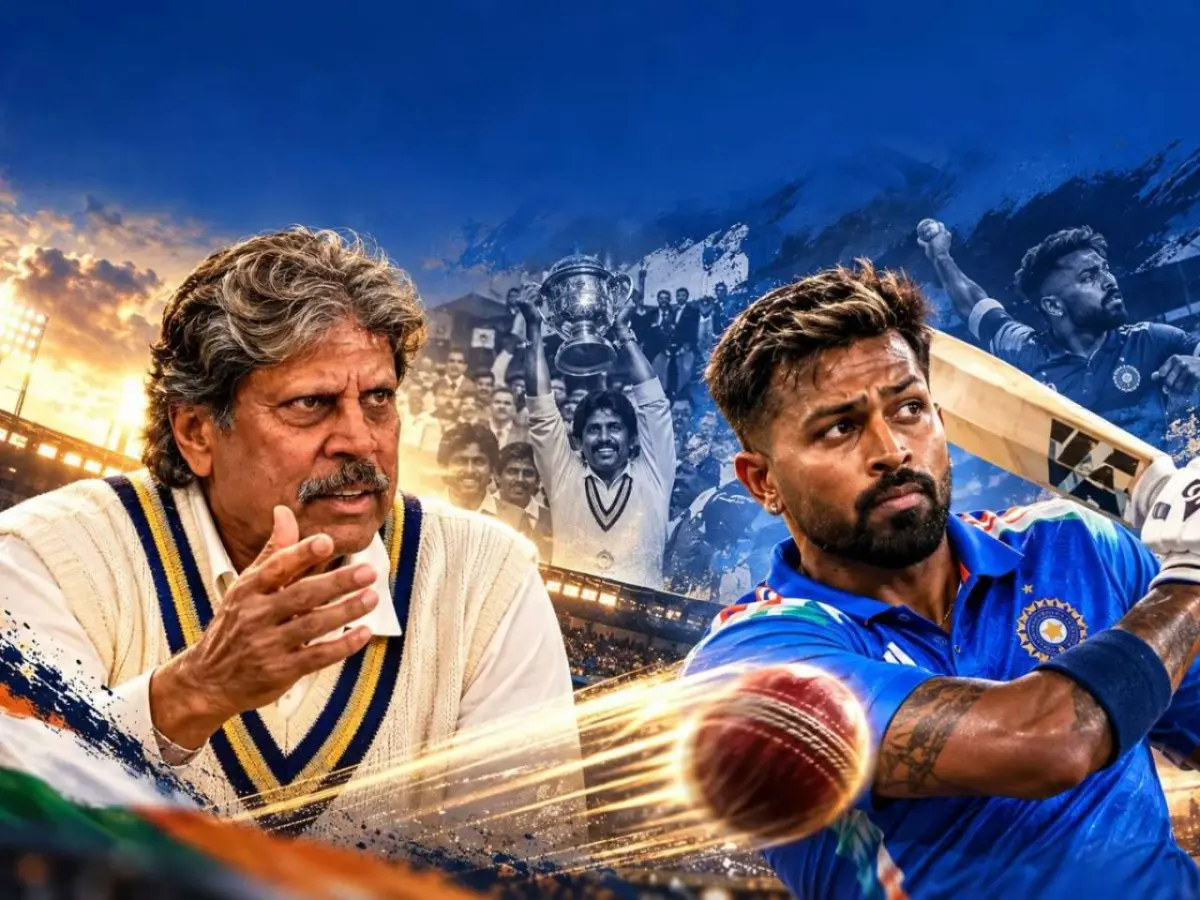
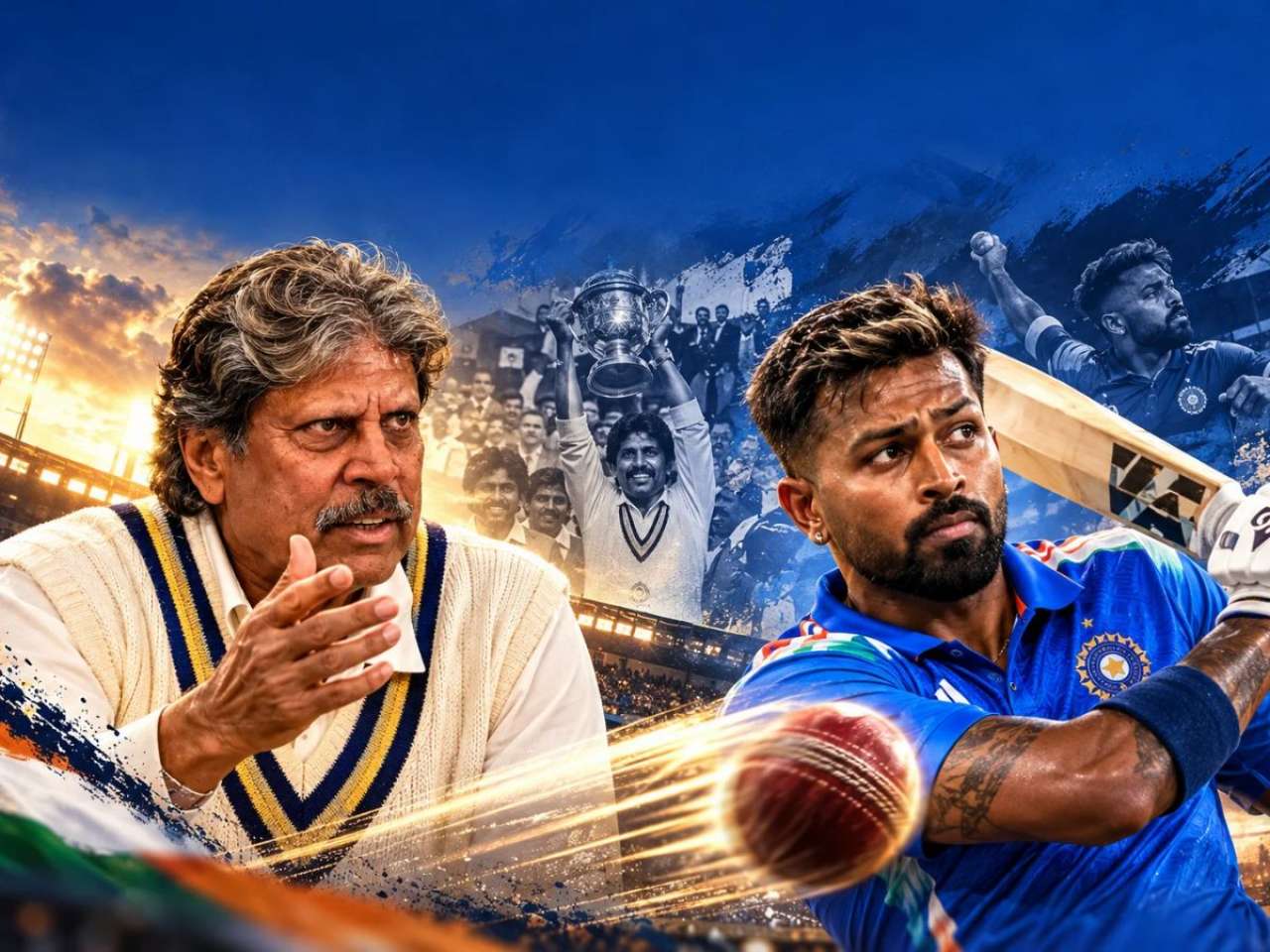
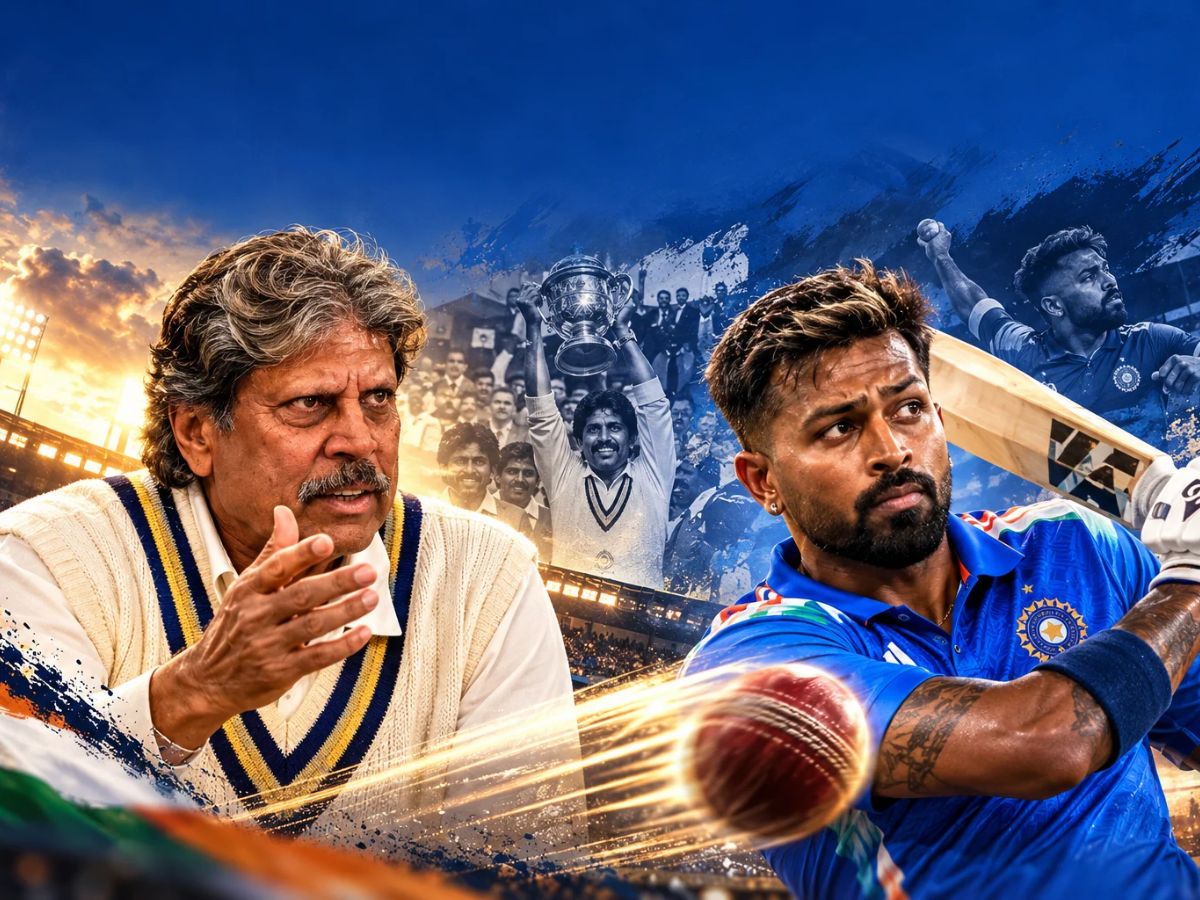
New Delhi, [Insert Date] – In a cricketing landscape increasingly defined by relentless schedules and the physical toll it exacts on athletes, a significant voice from India’s glorious past has weighed in on a pressing contemporary concern. Legendary all-rounder and India’s 1983 World Cup-winning captain, Kapil Dev, has offered unequivocal advice to modern-day star Hardik Pandya, whose prolonged absence from competitive cricket due to injuries has become a growing source of worry for the Indian team management and fans alike. Kapil Dev’s message is direct and potent: "Play more cricket" to regain the essential rhythm, fitness, and confidence indispensable for a successful return to the international arena.
Pandya, a pivotal figure in India’s limited-overs setup, finds himself at a crucial juncture of his career, battling a recurring cycle of injuries that have kept him sidelined. Kapil Dev’s counsel, delivered with the sagacity of a player who famously defied injuries through sheer grit and an unyielding commitment to the game, underscores a fundamental truth about athletic performance: consistent match exposure is paramount. This advice comes amidst a broader crisis of player fitness plaguing the Indian men’s cricket team throughout 2026, raising pertinent questions about workload management, rehabilitation protocols, and the very structure of the international cricketing calendar.
The Crucial Counsel: Kapil Dev’s Call for Competitive Rhythm
Kapil Dev, a name synonymous with resilience and an exemplary all-round game, articulated his philosophy in a recent interview with the Times of India (TOI). His core argument revolves around the concept of the body adapting to the rigours of competitive sport through continuous engagement. "Play more cricket," Kapil advised, according to the publication. "You play more, your body gets tuned to that. But if you play less and suddenly you play more, chances of injury increase. If your muscles are fine, your injuries are less."
This perspective from one of cricket’s most enduring figures is particularly salient for Hardik Pandya, an explosive all-rounder whose game relies heavily on peak physical conditioning. Pandya’s ability to bowl at genuine pace and deliver powerful hitting makes him an invaluable asset, but these very attributes demand an extremely robust physique. Kapil Dev’s emphasis on continuous play is not merely about physical conditioning but also about honing match instincts, developing mental fortitude, and ensuring that the body is consistently under the specific stresses of a competitive environment, rather than just isolated training sessions.
)
Kapil Dev further elaborated on the dedication required, stating, "In 365 days, if you can play 250 days, you’re in the game." This statement, while perhaps a reflection of a bygone era’s relentless schedule and different approaches to player management, highlights a profound belief in the necessity of constant engagement to maintain peak performance and injury resistance. For Kapil, being "in the game" meant not just playing matches but living and breathing the sport, allowing the body to naturally build the stamina and robustness needed to withstand its demands.
A Career Plagued by Setbacks: Hardik Pandya’s Recent Timeline
Hardik Pandya’s journey over the past few years has been a testament to his immense talent, yet simultaneously a frustrating narrative of potential hindered by physical frailties. His recent absence is merely the latest chapter in a career marked by significant injury lay-offs.

Hardik’s Recent Timeline
Pandya’s last appearance for India was in the high-stakes T20 World Cup final earlier this year, a tournament where his contributions, particularly with the bat, were crucial. Following the global showpiece event, he took on the demanding role of captaining the Mumbai Indians during the Indian Premier League (IPL) 2026 season. While he led his franchise with determination, whispers about his fitness and a perceived dip in his bowling effectiveness were already circulating within cricketing circles. Despite his leadership duties, the intense IPL schedule, coupled with the pressure of captaincy, likely exacerbated underlying physical issues.
Post-IPL, the extent of his physical struggles became more apparent. Successive injuries forced him onto the sidelines, preventing his inclusion in India’s squad for the crucial New Zealand tour in late October. This absence was keenly felt, as Pandya’s unique skill set, combining power-hitting with medium-fast bowling, offers a balance that is difficult to replicate.
)
A planned competitive comeback against Australia A was touted as his return vehicle, contingent upon clearing rigorous fitness assessments. However, fate intervened yet again. The 32-year-old sustained a fresh shin injury, a cruel twist that not only prevented his participation in the Australia A series but also further prolonged his unwelcome absence from the field. This latest setback has intensified concerns about his long-term fitness and his ability to consistently contribute across formats for India.
A History of Injuries
Hardik Pandya’s injury woes are not a recent phenomenon. His career has been punctuated by significant setbacks, most notably a persistent back issue that first surfaced in 2018 and required surgery in 2019. This particular injury drastically impacted his ability to bowl regularly at full pace, forcing him to adapt his game and focus more on his batting for extended periods. He has also dealt with various ankle niggles and muscular strains, all of which have cumulatively chipped away at his match fitness and availability. Each comeback has been met with anticipation, only to be followed by another period of rehabilitation. This recurring pattern highlights a fundamental challenge: maintaining a high-performance body in a sport that demands peak athleticism.
)
Supporting Data: India’s Pervasive Injury Crisis and the Workload Debate
Kapil Dev’s advice to Hardik Pandya resonates deeply within the broader context of a pervasive injury crisis gripping Indian cricket throughout 2026. The national team has been battling a relentless stream of fitness concerns affecting crucial players at critical junctures, disrupting team balance and strategic planning.
India Grappling with Widespread Injuries Throughout 2026
The list of casualties in 2026 reads like a roll call of India’s key talent across formats:
)
- Harshit Rana: The promising fast bowler, originally selected for India’s T20 World Cup squad, was forced to withdraw due to a debilitating knee injury. This not only robbed him of a chance to represent his country on a global stage but also led to him missing the entire IPL season, stifling his developmental momentum.
- Washington Sundar: The versatile all-rounder sustained a hamstring injury during England’s ODI series, an untimely setback that impacted India’s spin-bowling all-rounder options.
- Jasprit Bumrah: India’s pace spearhead, renowned for his unique action and deadly accuracy, sat out the Test series against Sri Lanka following a knee injury. His absence is always a significant blow, particularly in Test cricket where his ability to generate pace and bounce on any surface is invaluable.
- Varun Chakaravarthy: The mystery spinner experienced two separate injuries that caused him to miss crucial T20I matches and, perhaps more significantly, the entire Asian Games tournament. This prevented him from cementing his place in the shortest format squad.
- Prasidh Krishna: The tall fast bowler was recently ruled out by a left hamstring injury, further depleting India’s fast-bowling resources and adding to the growing list of rehabilitation cases.
These incidents are not isolated; they represent a worrying trend. The types of injuries range from stress fractures (often seen in fast bowlers due to repetitive impact) to muscle strains (hamstring, groin), and ligament issues (knee, ankle). Such a wide array suggests systemic pressure rather than individual misfortune, pointing towards potential issues with workload, recovery, or even foundational fitness levels.
The Workload vs. Rhythm Debate
Kapil Dev’s "play more cricket" philosophy directly confronts the modern paradigm of workload management, a strategy increasingly adopted by cricket boards to safeguard their star players. While medical science advocates for strategic rest and rehabilitation to prevent injuries and extend careers, former players like Kapil often argue that consistent competitive play builds resilience and "match fitness" that cannot be replicated in the nets.
)
The demanding schedule of international cricket cannot be overlooked as a primary contributing factor to this injury epidemic. With an ICC tournament occurring annually, in addition to extensive bilateral series and lucrative domestic leagues like the IPL, players are subjected to an almost continuous cycle of high-intensity competition and travel. The transition between formats – from the multi-day grind of Test cricket to the explosive demands of T20s – requires different physical adaptations and puts varied stresses on the body. This constant flux, coupled with minimal off-season breaks, leaves little room for comprehensive recovery and pre-habilitation.
The pressure to perform in every series and tournament, driven by fan expectations, media scrutiny, and commercial imperatives, often means players push through minor niggles, which can then escalate into more serious injuries. Travel fatigue, inadequate recovery time between matches, and the inherent intensity of modern cricket, which demands higher athleticism and more explosive movements, all contribute to this escalating injury count. It’s a delicate balance: too much rest might lead to a loss of rhythm and match fitness, while too much play increases the risk of breakdown.
)
Official Responses and Navigating the Challenge
While specific official responses regarding Hardik Pandya’s latest injury or Kapil Dev’s advice have not been made public, the broader stance of the Board of Control for Cricket in India (BCCI) and the team management typically emphasizes player well-being and a structured approach to rehabilitation.
BCCI and Team Management’s Stance
The BCCI, through its medical and sports science departments, and the National Cricket Academy (NCA) in Bengaluru, is understood to prioritize player fitness. Their approach generally involves:
)
- Player-Centric Rehabilitation: Tailored programs for injured players focusing on a gradual return to full fitness, overseen by a team of physiotherapists, strength and conditioning coaches, and medical doctors.
- Workload Management Policies: Efforts to monitor and manage player workloads, especially for multi-format players, by sometimes resting them from less significant series or specific formats. However, the efficacy of these policies is constantly debated given the packed schedule.
- Communication: Regular communication between the team management, selectors, and the NCA regarding player fitness status and projected return timelines.
- Focus on Long-Term Health: An official narrative that emphasizes the long-term health and career longevity of players over short-term availability.
However, the sheer volume of injuries suggests that current strategies may need re-evaluation or more rigorous implementation. The challenge lies in balancing the need for player welfare with the demands of an increasingly congested international calendar and the desire to field the strongest possible XI.
Hardik Pandya’s Personal Resolve
From Hardik Pandya’s perspective, the ongoing battle with injuries must be immensely frustrating. A player of his caliber thrives on being in the thick of the action. His camp likely maintains a narrative of unwavering determination to return to peak fitness. Adherence to rehabilitation protocols, intense focus on strengthening weak areas, and a resilient mindset are critical for a player facing such repeated setbacks. The mental toll of constant rehabilitation, watching teammates compete, and dealing with public scrutiny cannot be underestimated. Hardik’s goal would undoubtedly be to not just return, but to return as the impactful, match-winning all-rounder India desperately needs.
)
The Selection Committee’s Dilemma
Hardik Pandya’s prolonged absence presents a significant dilemma for the Indian selection committee. A fast-bowling all-rounder who can bat aggressively at number six or seven is a rare commodity globally, and particularly crucial for balancing the limited-overs side. His unavailability forces the selectors to either play an extra specialist bowler or an extra specialist batsman, thus compromising the team’s overall balance and depth.
The search for suitable alternatives becomes a perennial challenge, often leading to experimentation and potentially disrupting team cohesion. This constant flux makes it harder to build a settled unit, especially with major ICC tournaments looming on the horizon. The selectors must weigh the risk of rushing a player back against the immediate need for his services, all while keeping an eye on long-term squad development.
)
Implications: The Future of Hardik and Indian Cricket
Kapil Dev’s advice, while pointed at Hardik Pandya, opens up a broader discussion about the future trajectory of Indian cricket, its player management strategies, and the very sustainability of multi-format careers in the modern era.
Impact on Hardik Pandya’s Career
For Hardik Pandya, the implications are profound. Recurring injuries threaten to curtail his potential and cast a shadow over his legacy. The mental and physical grind of rehabilitation, coupled with the pressure to perform upon return, can be overwhelming. He faces a critical period where he must demonstrate not just a return to fitness, but a sustained period of availability and performance. The question looms: Can he regain his explosive peak form? Can his body withstand the rigours of bowling fast and batting aggressively across multiple formats? His decision to focus on specific formats, perhaps prioritizing white-ball cricket, might become a necessary strategic choice to extend his career. The mental fortitude required to overcome these hurdles will define the latter half of his playing days.
)
Impact on Indian Cricket
- Team Balance and Strategic Planning: Hardik’s absence creates a gaping hole in India’s limited-overs setup. A genuine fast-bowling all-rounder provides crucial balance, allowing for deeper batting or an extra bowling option. Without him, the team often has to compromise, impacting strategic planning for major tournaments. The search for a like-for-like replacement is ongoing but challenging, as such players are scarce. This necessitates a re-evaluation of team composition and potentially a shift in tactics.
- Player Development and Pipeline: The Hardik Pandya situation underscores the urgent need for a robust pipeline of fast-bowling all-rounders in India. Investing in identifying and nurturing such talent from a young age, with a keen eye on their physical development and injury prevention, becomes paramount. The NCA’s role in this becomes even more critical.
- Workload Management Policies: The widespread injury crisis will inevitably lead to increased scrutiny on the BCCI’s workload management policies. There might be a push for more aggressive rotation policies, clearer guidelines on player availability for bilateral series versus ICC events, and potentially even a re-evaluation of the domestic calendar to provide adequate rest periods. The debate on whether players should specialize in formats earlier in their careers will gain traction.
- Medical and Support Staff: The effectiveness of India’s medical and support staff, including physiotherapists, strength and conditioning coaches, and sports psychologists, will come under the microscope. There will be a greater emphasis on advanced injury prevention techniques, state-of-the-art rehabilitation facilities, and proactive monitoring of player health data.
- Fan Perception and Media Debate: The recurring injuries to key players often lead to frustration among fans and intense debate in the media. Questions about player commitment, the coaching staff’s approach, and the overall system become common. This adds another layer of pressure on players and management.
Lessons from Other Nations
India can also draw lessons from how other major cricketing nations manage similar issues. Countries like England and Australia, with their often equally demanding schedules, have experimented with central contracts that allow for greater control over player availability, specialized fitness regimes for multi-format players, and a strong emphasis on sports science. The balance between domestic league participation and international commitments is also a constantly evolving challenge that requires nuanced solutions.
In conclusion, Kapil Dev’s straightforward advice to Hardik Pandya, to "play more cricket," while seemingly simple, encapsulates a fundamental truth about competitive sport. It highlights the delicate equilibrium between rest, recovery, and competitive match exposure that modern cricketers must navigate. Hardik Pandya’s journey back to sustained fitness will be a test of his resolve, but it also serves as a critical case study for Indian cricket as it grapples with an unprecedented injury crisis, forcing a comprehensive re-evaluation of its player management strategies to safeguard its most valuable assets for future triumphs.
